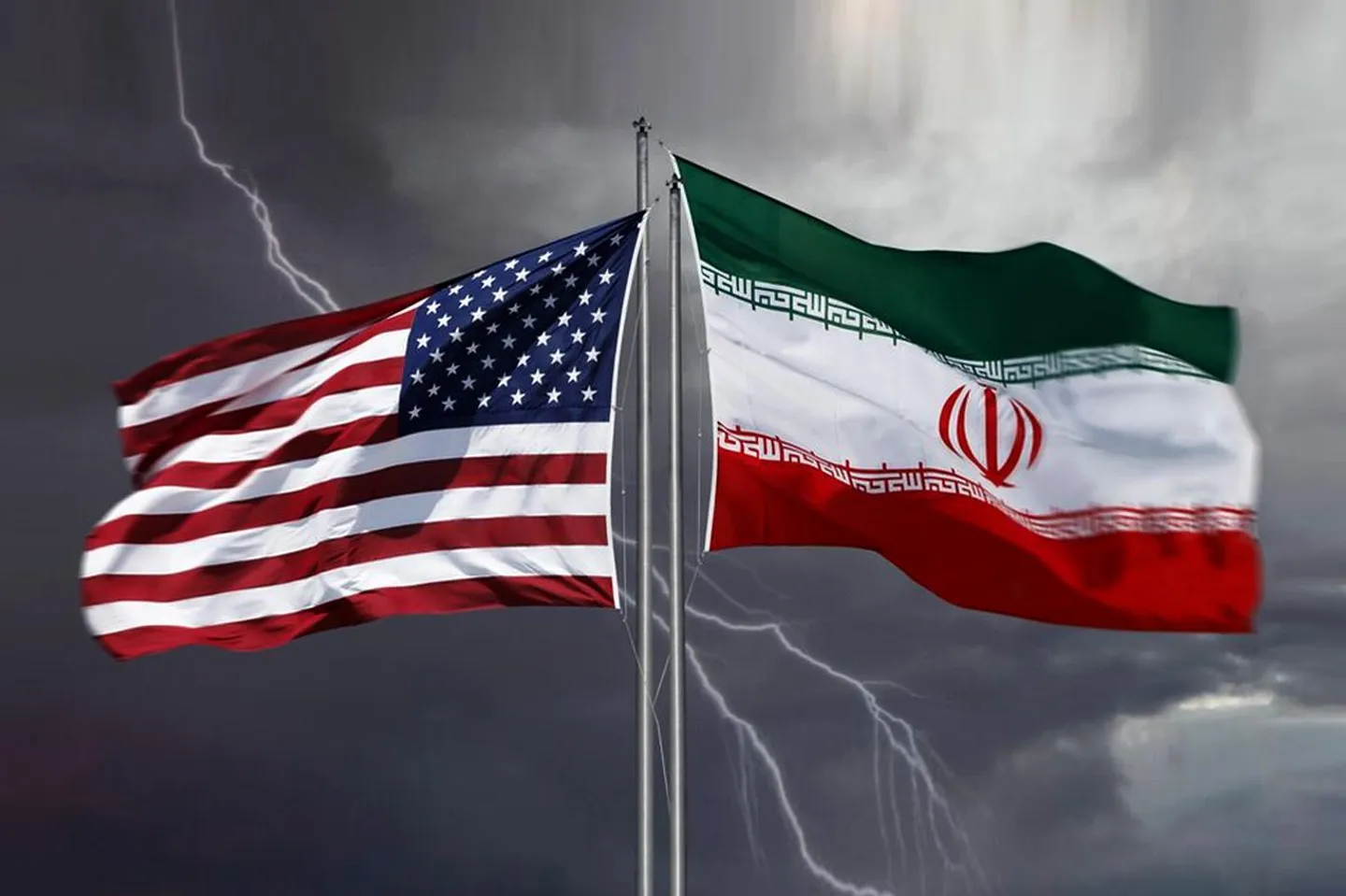
The fragile US-Iran ceasefire, underpinned by a mid-June memorandum of understanding, effectively collapsed last week after Iran struck multiple commercial vessels in the Strait of Hormuz, prompting retaliatory US air strikes and a sharp escalation in the Gulf.
Last week, US President Donald Trump declared the truce was “over” amid the exchanges, though both sides indicated a willingness to continue mediated talks. The clashes mark the most significant breakdown since the agreement aimed to pause broader hostilities and reopen the critical waterway.
Iran and the US are nearly at the midway point of the 60-day period of an interim deal that was supposed to set up talks for a permanent end to the war. Instead, it has devolved into a series of attacks over the strait and its future, worrying world leaders that the war on Iran could fully resume.
Here’s a brief timeline of the latest escalation.
July 7
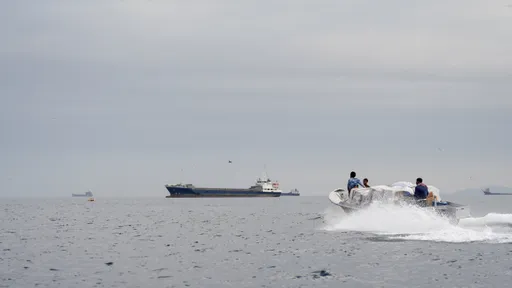
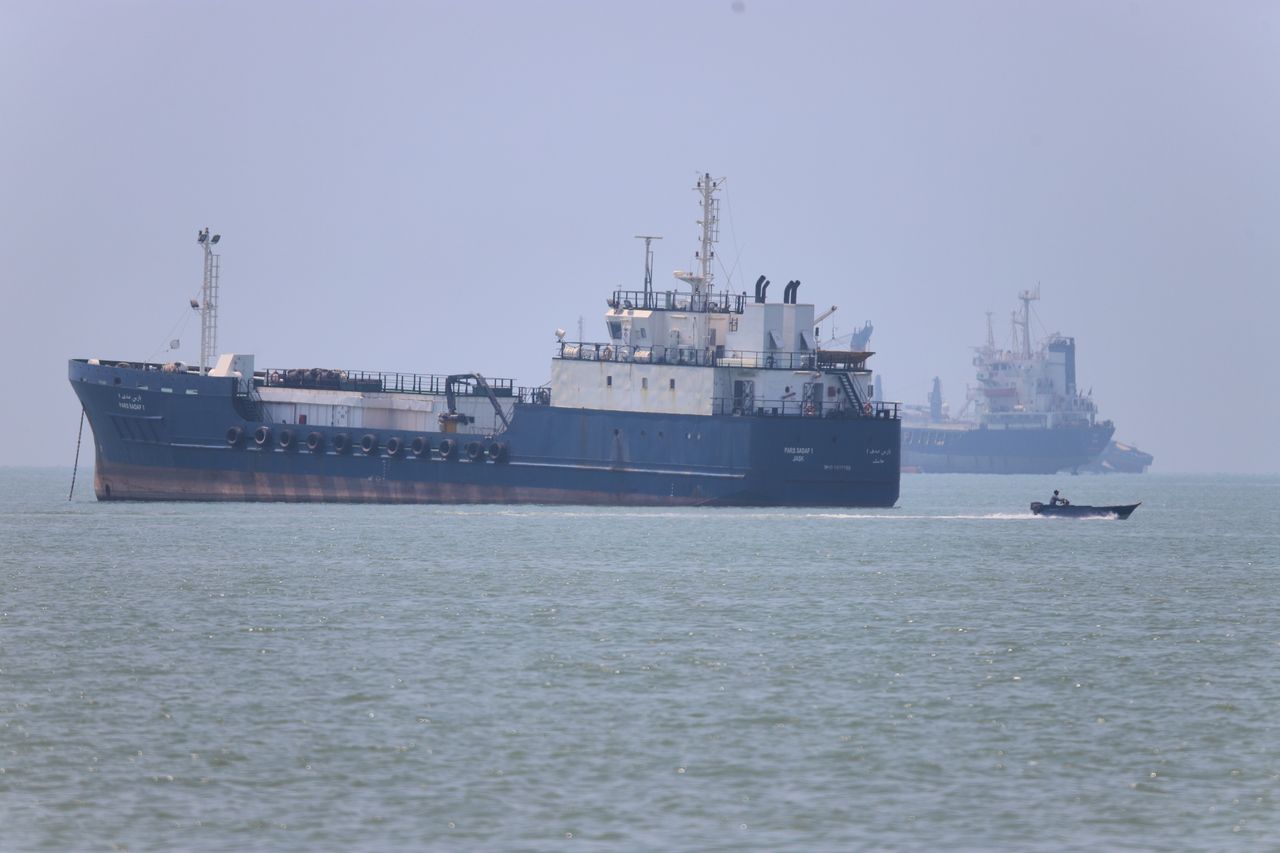
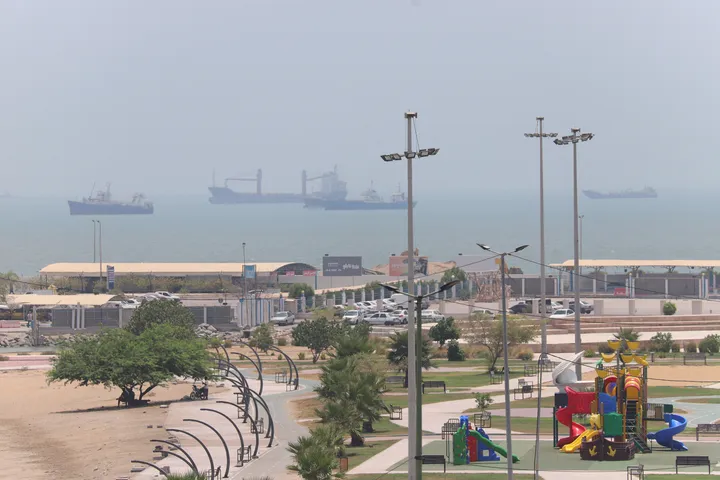
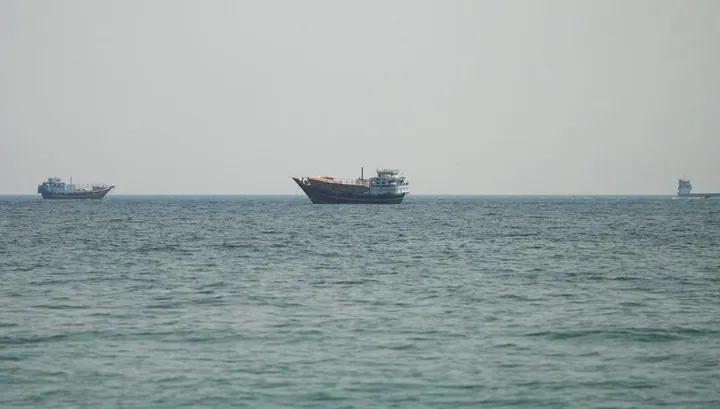
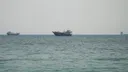
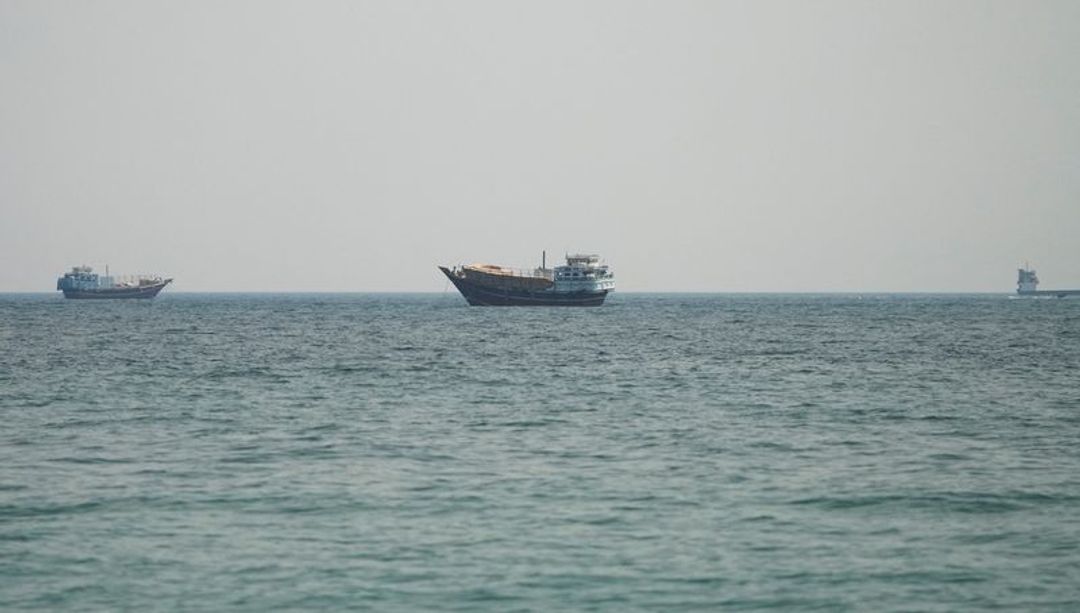
Iran is accused of striking three ships in the strait after traffic slowly increases, the most in a single day since late April.
The attack occurred hours before Trump left for a high-stakes NATO summit in Ankara, Türkiye and as Iran observed a multi-day funeral for its slain supreme leader, Ali Khamenei.
The US responded by striking dozens of targets in Iran and reinstating sanctions on Iran’s oil sales. Tehran’s lead negotiator declared that “The era of bullying and extortion is over.”
US officials and regional governments described the actions as a direct violation of the ceasefire and a threat to freedom of navigation.
Qatari-flagged LNG tanker Al Rekayyat (also referred to as Al Rakiyat) was among the two commercial vessels struck by Iranian missiles.
Iran's state broadcaster IRIB, citing unnamed sources, claimed that a Qatari oil tanker attempting to transit the Omani route through the Strait of Hormuz with US Navy support was targeted after ignoring repeated warnings from Iranian forces.
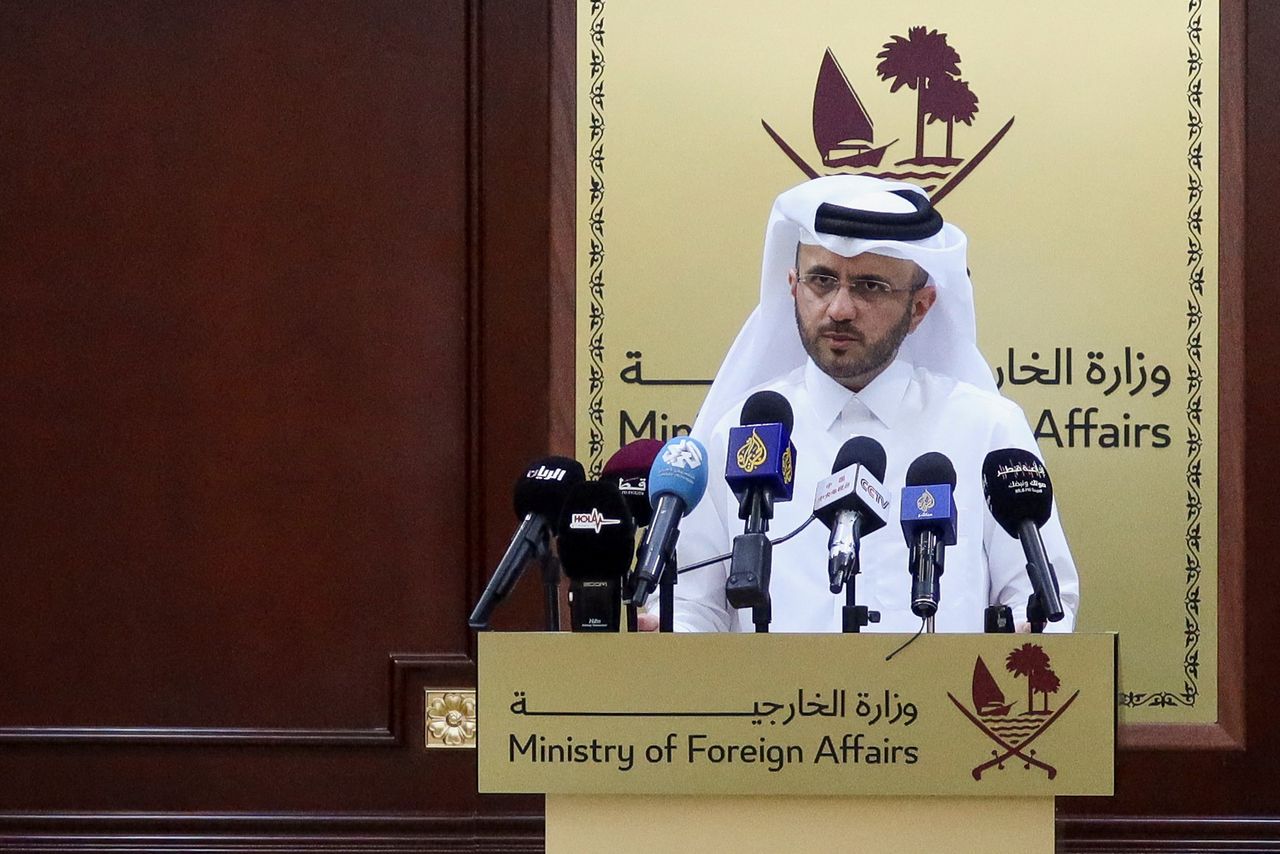
Qatar condemned the attack and held Iran responsible.
Saudi-flagged crude oil tanker Wedyan was also damaged in the attack. Saudi Arabia strongly criticised Iran for endangering international shipping and energy security.
A third vessel was also struck, contributing to a sharp drop in transit traffic to as low as 16 vessels on the day, per data from ship tracking service Kpler showed.
July 8
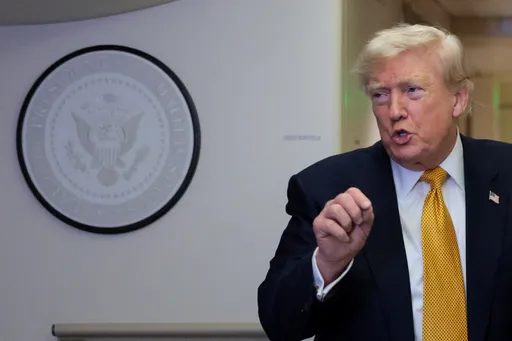
Trump, speaking on the sidelines of a NATO summit, stated that the ceasefire was “over” while criticising Iranian leadership. The US also revoked a license allowing Iranian oil sales, raising fears that the war could ignite again.
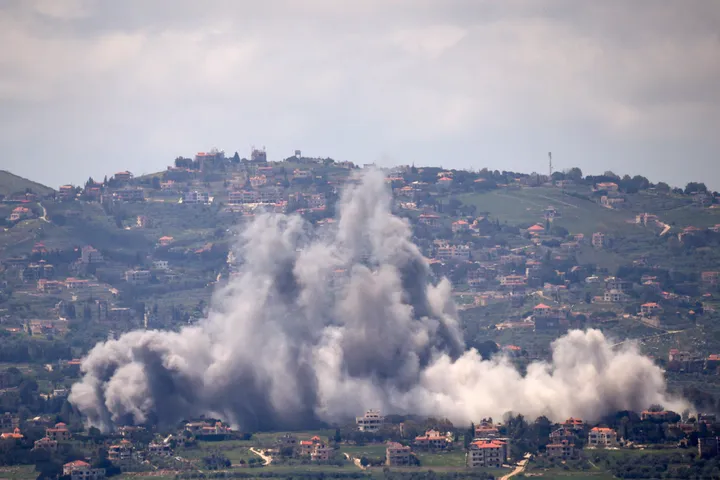
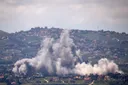
The United States responded with air strikes on Iranian military targets, including missile and drone sites, coastal radars, and IRGC-linked facilities near the strait and in areas such as Bandar Abbas and Qeshm. New reports indicated around 90 targets hit in expanded operations.
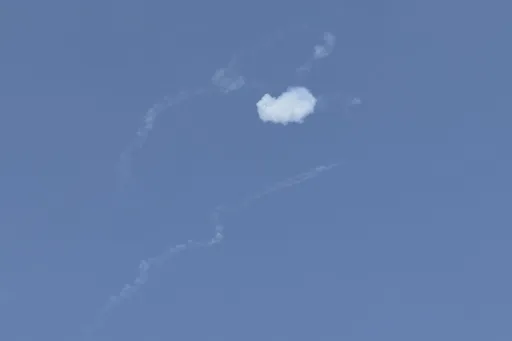
Iran launched missiles and drones targeting US-associated sites in the Gulf, including bases in Bahrain and Kuwait. Air defences intercepted projectiles, with activity affecting Jordan as well. No major casualties were immediately confirmed on either side.
Further limited exchanges occurred in the subsequent days, with both sides accusing the other of bad faith. Shipping through Hormuz slowed dramatically, and oil prices rose. Mediators, including Oman, continued efforts, and Iran requested resumed talks, which the US agreed to while maintaining the ceasefire was terminated.
July 10
Trump threatened Iran with more strikes, saying he was responding to calls for his death during Khamenei’s funeral.
July 12
The US military said it hit over 140 targets in Iran, after an Iranian strike on a container ship in the strait left a crew member missing. Tehran said the strait was closed until calm is restored. The US said the strait remained open.
Who violated the ceasefire first?
In this latest round, the US and its allies say Iran struck commercial shipping first, citing the attacks as the trigger for their response.
Iran disputes the US account and says Washington violated the ceasefire first through its military actions and shipping policies.
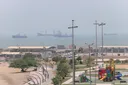
The core dispute remains control and safe passage through the Strait of Hormuz, a vital global energy artery.
On Monday, Iran said it was continuing talks with mediators from Qatar, Pakistan and Oman in an effort to prevent any further escalation in its war with the United States.
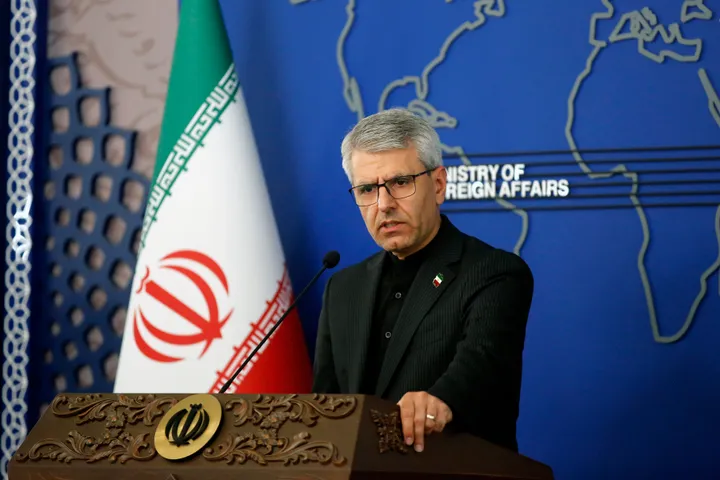
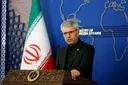
"The role of the mediators is to continue their efforts to prevent an escalation of tensions," said Iranian foreign ministry spokesperson Esmaeil Baqaei.