The US-Israeli war with Iran has cost Americans more than $37.4 billion in extra energy prices, according to figures from a study.
The Iran War Energy Cost Tracker from Brown University estimates that Americans have paid more than $37.4 in additional costs since 28 February, when the US and Israel launched an attack against Iran.
The data has been updating in real-time, with the tally continuing to increase with each passing second.
The majority of the extra costs—$20.41 billion—have been paid for petroleum, while diesel accounts for nearly $17 billion.
The average US household has paid $285.10 more per month across both gasoline and diesel.
"This is an expense coming directly out of the pockets of American consumers," said project leader Jeff Colgan.
Hormuz disruption

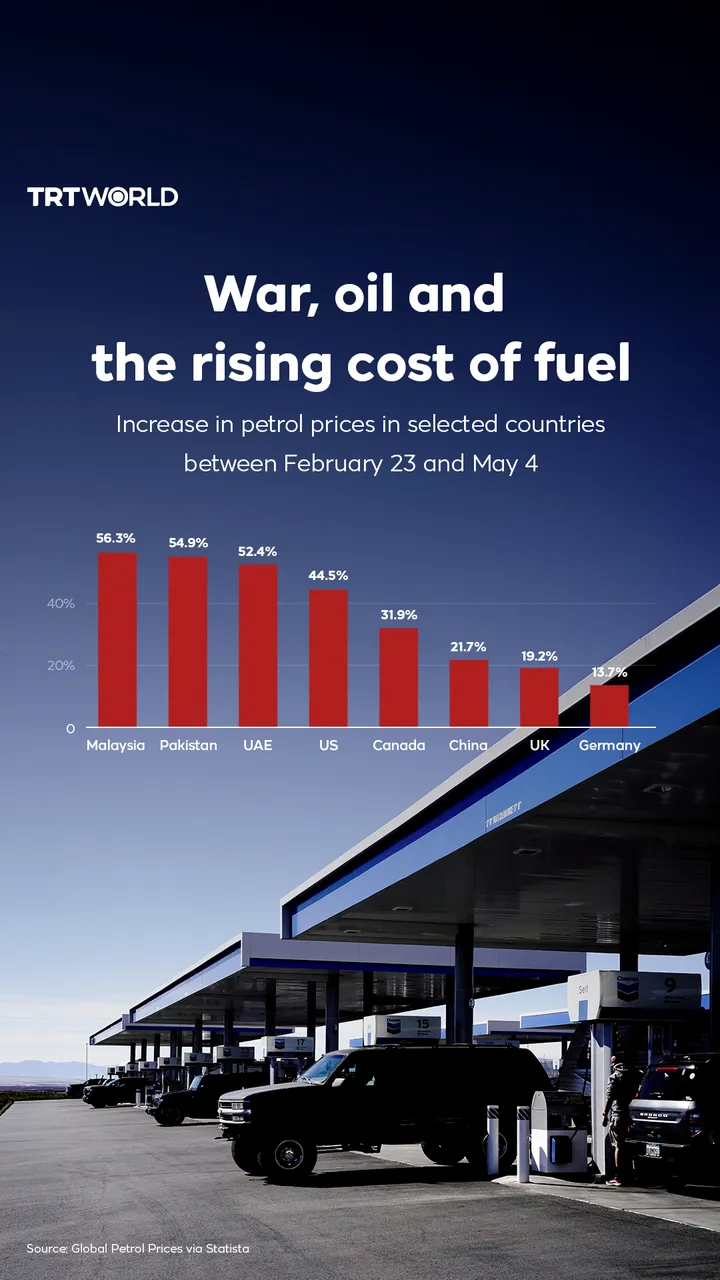



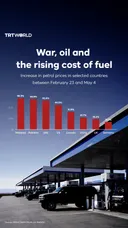

The war, and Iran's retaliatory decision to shutter the critical Strait of Hormuz, have sent global energy prices skyrocketing.
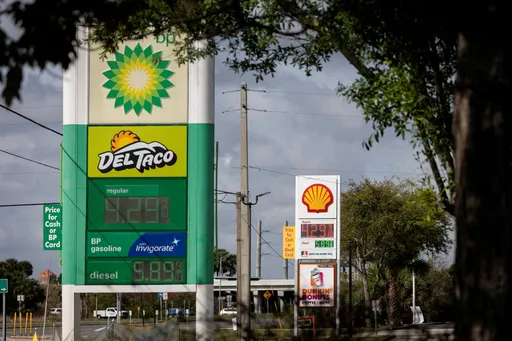
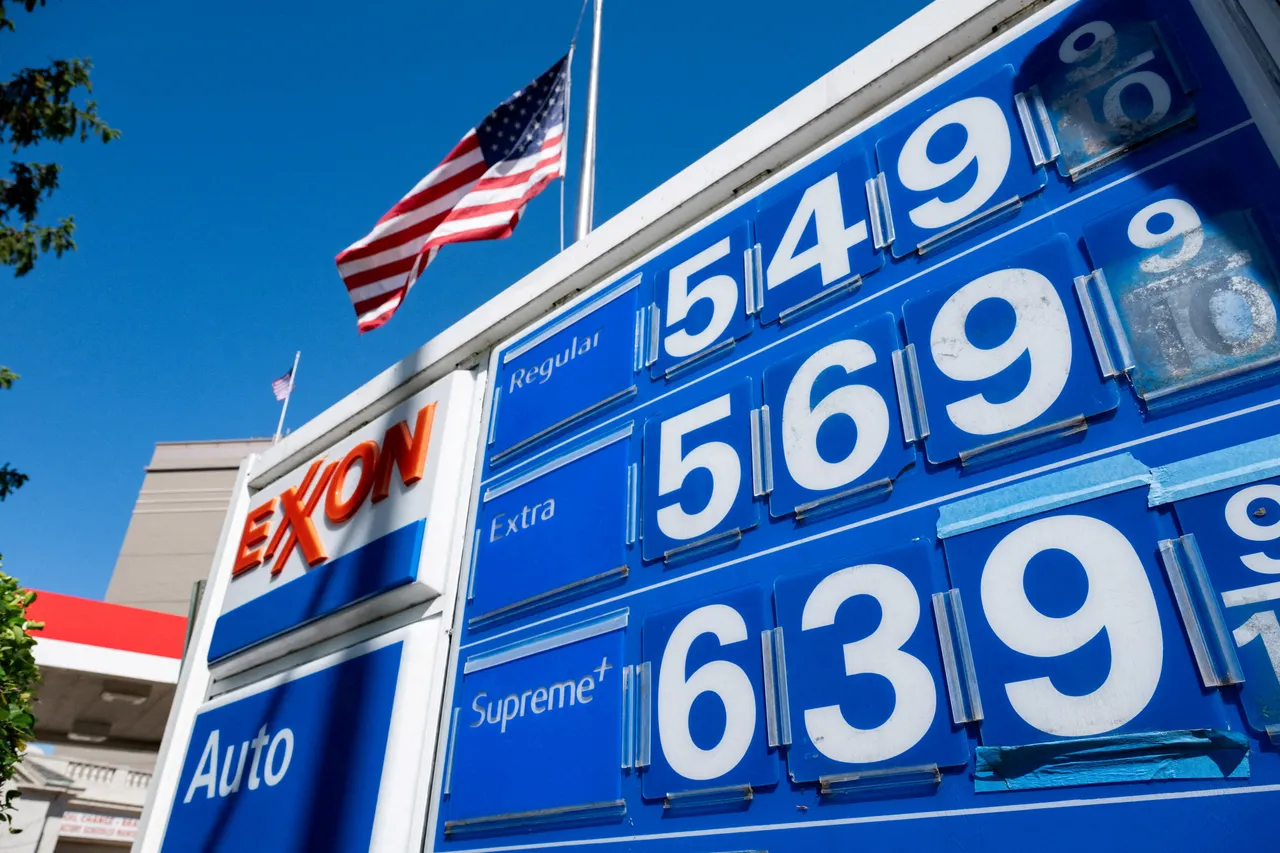
Today, the average cost of gasoline stands at $4.52 per gallon in the US, over 50 percent higher than when the war began with prices then sitting below $3.
The Strait of Hormuz is one of the world's most important maritime chokepoints.
Its prolonged disruption has increased pressure on regional ports, shipping schedules, and global supply chains already strained by security risks.
Besides closing the Strait, Iran has retaliated against the US's Gulf Arab allies by targeting critical energy infrastructure, further increasing the economic toll of the conflict.