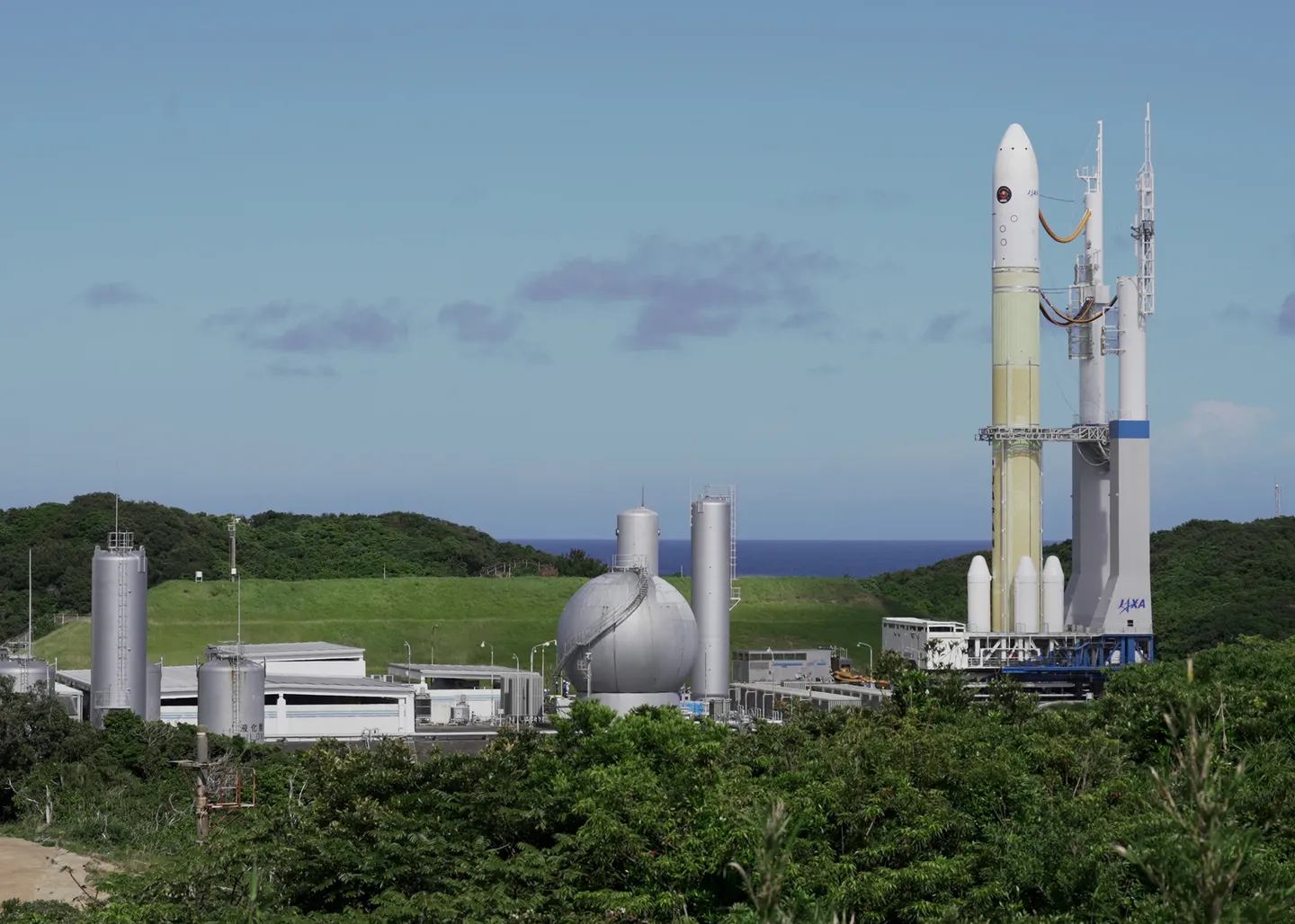
Japanese scientists have launched an ambitious spacecraft that aims to become the first mission in history to retrieve surface samples from one of Mars's moons, a pioneering endeavour that could help unlock the origins of the Solar System and life on Earth.
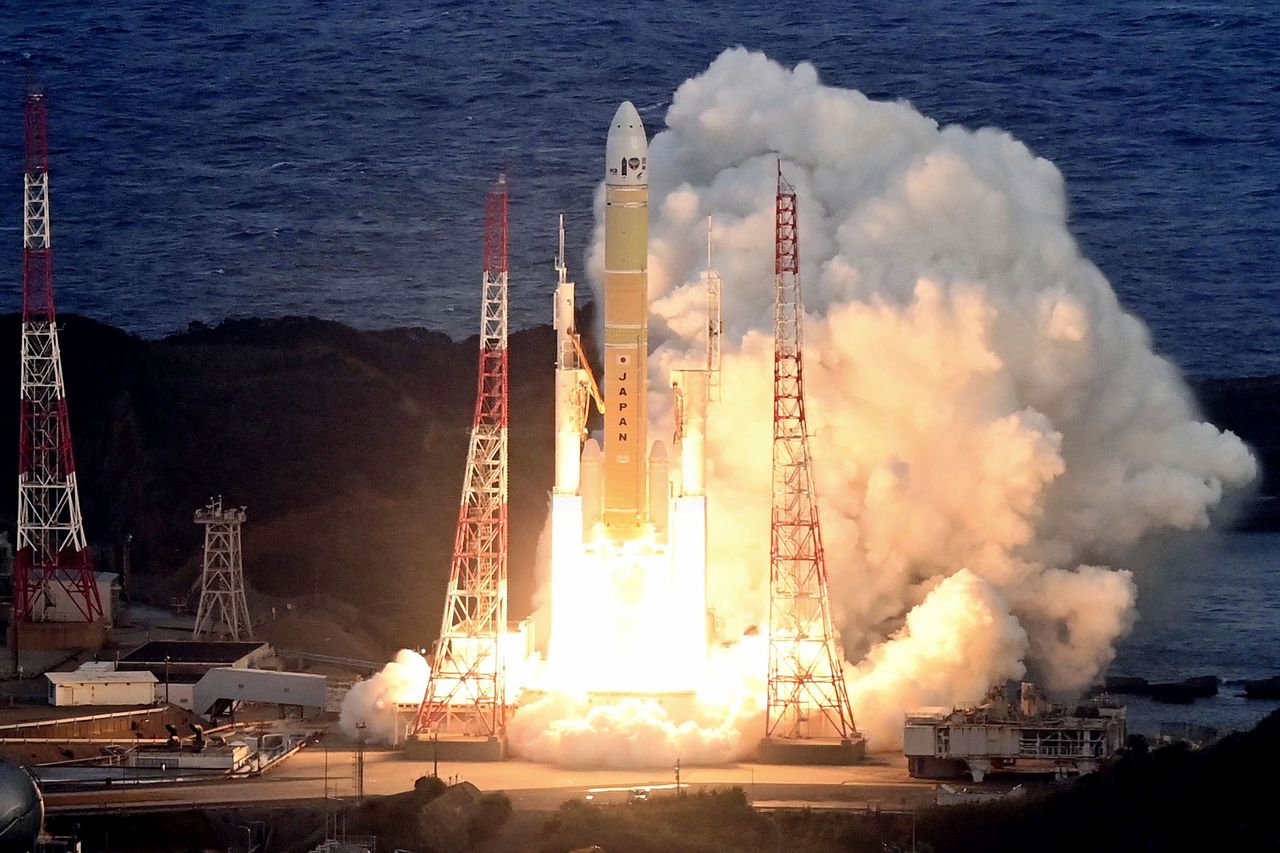
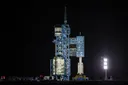
The flagship H3 rocket, carrying the unmanned Martian Moons eXploration (MMX) probe, blasted off into the night sky from the Tanegashima Space Centre at 4:41 am, according to a live broadcast by the Japan Aerospace Exploration Agency (JAXA).
If the journey proceeds as planned, the spacecraft will arrive near Mars around August next year and enter orbit around its moon, Phobos.
The MMX probe will later touch down on the surface to collect at least 10 grams of material during a three-year stay in the Martian system.
The mission—which seeks to complete the first round trip to the Martian region—is a major international collaboration involving US and European space agencies, alongside academic institutions and technology companies.
'Natural space station'





JAXA expects the mission will clarify whether the moons formed following a massive impact on Mars or represent captured asteroids pulled in by Martian gravity.
Resolving this question will help researchers understand "how a habitable environment for life might have arisen on the terrestrial planets"—namely Mercury, Venus, Earth, and Mars.
The agency confirmed the mission will also assess using Phobos as a "natural space station" by proving the round-trip capabilities considered "essential for crewed Mars exploration", whilst conducting observations of the second moon, Deimos.
The launch unfolds amid intense global rivalry to return Martian material.
NASA's Perseverance rover has collected surface core samples on Mars since 2021; however, the administration of US President Donald Trump effectively cancelled its return mission after a congressional vote in January.
Meanwhile, China's Tianwen-3 mission is scheduled to launch around 2028, aiming to return Martian samples to Earth as early as 2031.