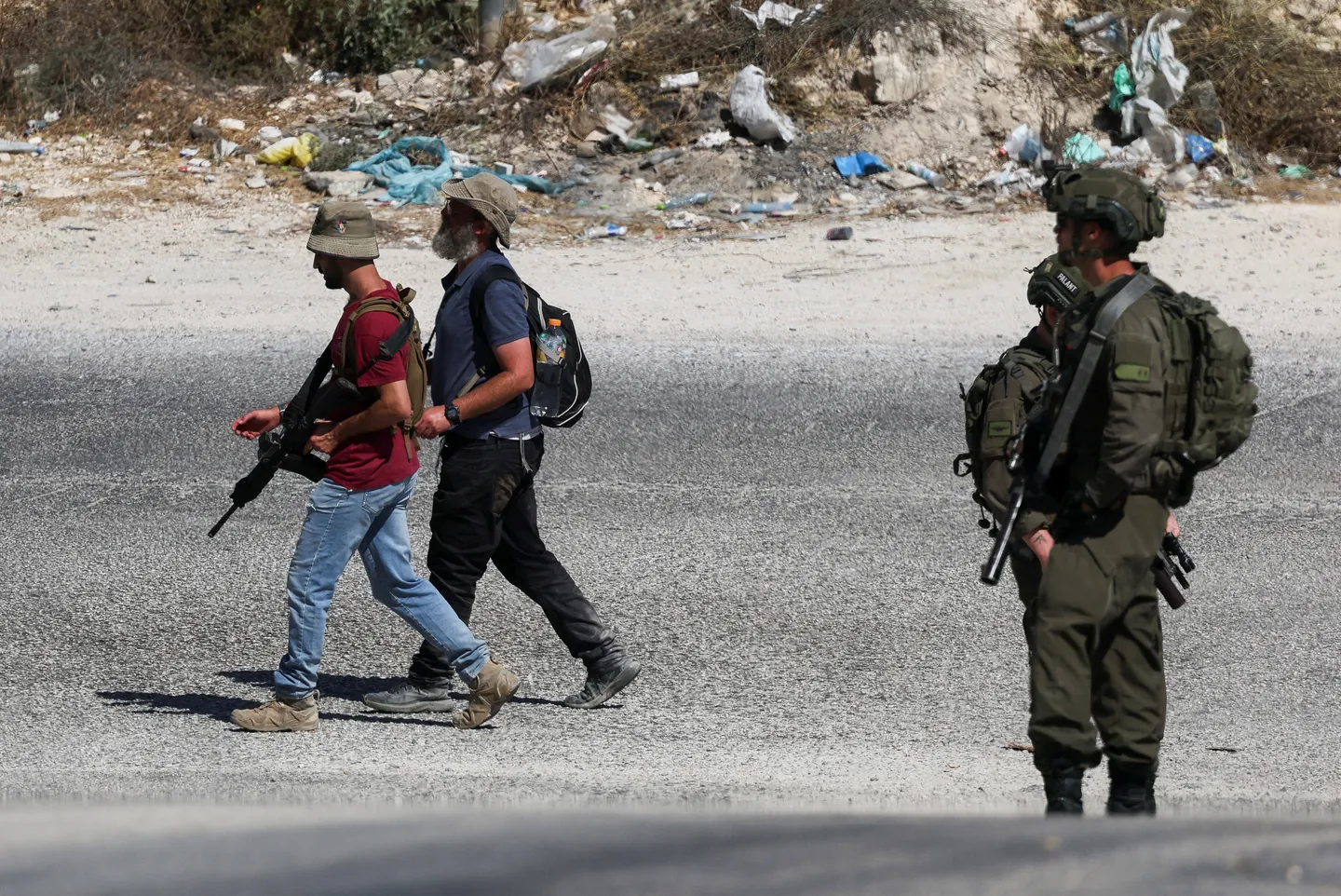
Residents of the Palestinian village of Tel in the northern occupied West Bank had been counting down the days until the start of the fig harvest, preparing to host what was expected to be the largest fig festival in the village's history.
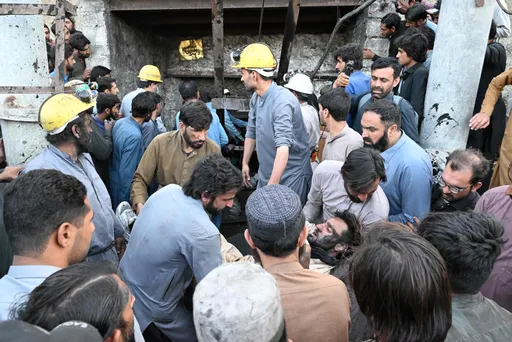
Instead, a deadly attack last Friday by illegal Israeli occupiers that left four Palestinians and two occupiers dead, has turned the celebration into mourning.
The festival was cancelled, black mourning flags replaced decorations and orchards once expected to welcome harvesters have become largely inaccessible as Israeli forces and illegal Zionist occupiers expanded their presence and bulldozed agricultural land.
Tel village council head Walid Zaidan said the community of about 7,000 residents is "living under a cloud of darkness."
"Tel has always been a village full of life. Today, you don't see smiles on people's faces," he told Anadolu Agency. "The wound is not only in the streets but also in the hearts of the people. Losing four young men from the village in a single day is something no one can easily bear."
Zaidan said residents did not seek confrontation but came out to defend their homes after Israeli occupiers attacked the village.
"Only days earlier, settlers tried to burn down the home of Sohaib Ramadan. His family escaped by sheer luck after leaving just minutes before the house was completely engulfed in flames," he said. "When the latest attack began, people went out to defend their homes so the same tragedy would not happen again."
He said the consequences extended well beyond the fatalities.
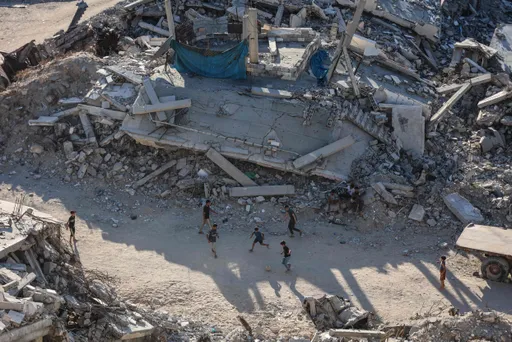
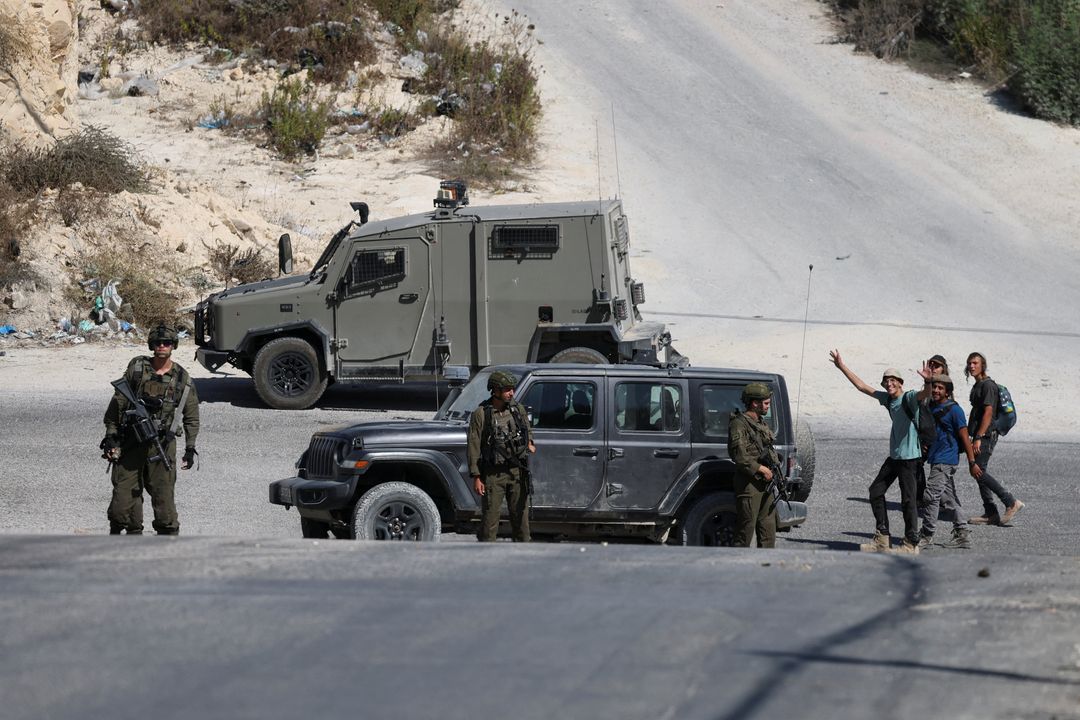
"Israeli bulldozers entered and began leveling agricultural land. Our preliminary estimates indicate that around 2,000 dunams (500 acres) have been bulldozed," he said. "We still cannot access the area to assess the damage because the army and settlers are preventing us from reaching it."
Part of village's memory
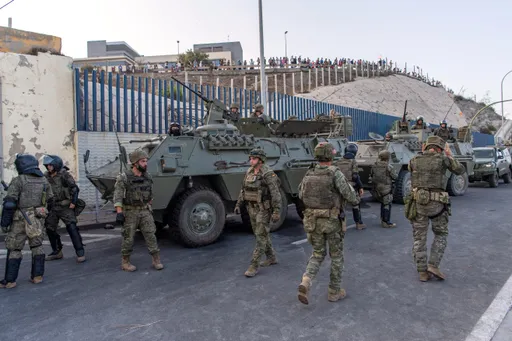
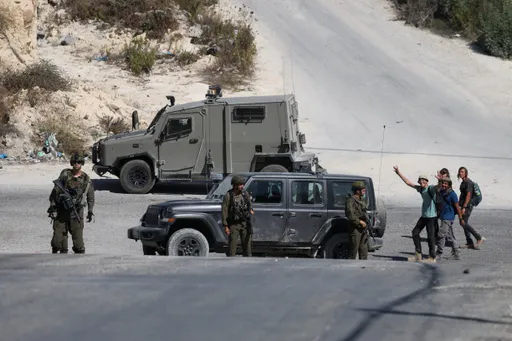
The area has effectively become a military zone, while occupiers have begun establishing a new illegal settlement outpost at the same location, according to Zaidan. Israeli forces have also carried out abductions and on-site interrogations involving dozens of Palestinians.
For Zaidan, the greatest loss is the disruption of the fig harvest.
"Figs, olives and prickly pears are not just trees. They are the people's livelihood and part of the village's memory," he said.
Tel is renowned across the occupied West Bank for its figs, with tens of thousands of trees and more than 11 local varieties attracting visitors from across the Palestinian territory each harvest season.
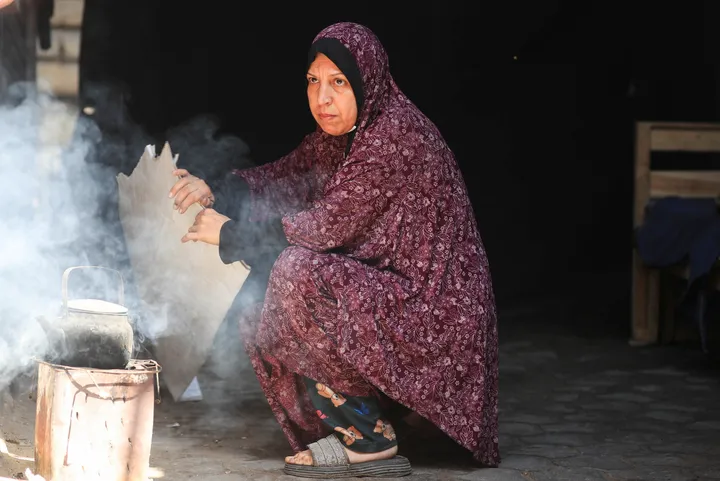
Village officials had planned a three-day festival showcasing fresh figs, fig-based products, cheeses, dairy items and other local produce before all events were canceled.
Owners of nearby cattle and poultry farms have also been unable to reach their properties for days, leaving animals without food or water, according to Zaidan.
"We do not love death, as they portray us. We love life," he said. "All we want is to live in our homes, cultivate our land and harvest it in peace."
"When someone comes to your home, tries to burn it down or attacks your land, you have the right to defend yourself. They come to us; we do not go to them."
A new reality
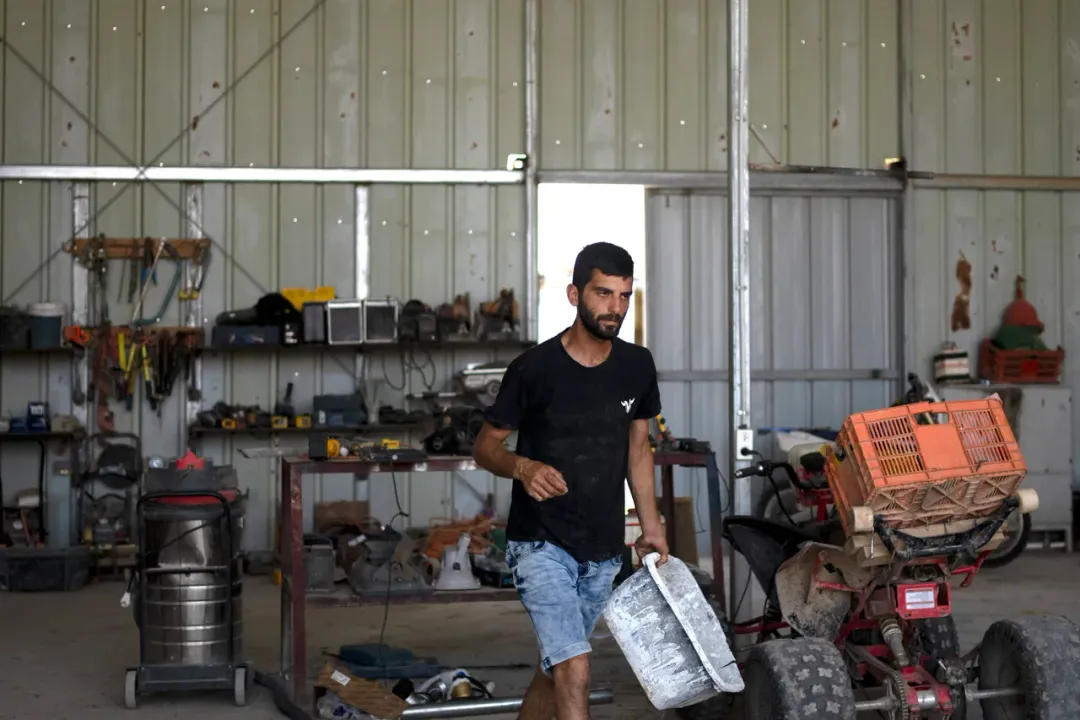
Village resident Omar Ishtayeh said Tel has long depended on agriculture and welcomed visitors from across the occupied West Bank to enjoy its figs, olives and dairy products.
He said the last few months have seen a growing expansion of illegal settlement outposts and repeated restrictions preventing farmers from accessing land, particularly on the village's western side, just as the fig season reaches its peak.
"The sweetness of Tel's figs has turned into bitterness," he said, describing how reaching orchards has become dangerous because of occupiers’ attacks.
"The fruit that once symbolised prosperity and livelihood in Tel has become a witness to a new reality threatening both the land and the people who live on it," he said.
As the figs ripen, farmers fear the harvest season will end before they can return to their orchards.
For many Palestinians, what happened in Tel is not viewed as an isolated incident but as part of a broader escalation in illegal occupiers’ violence across the occupied West Bank.
According to the Palestinian Colonization and Wall Resistance Commission, Israeli occupiers carried out 3,488 attacks against Palestinians and their property during the first half of 2026, including assaults on civilians, arson attacks on homes and vehicles, destruction of farmland, preventing farmers from reaching their fields and establishing new illegal settlement outposts.
The UN considers Israeli settlements in the occupied Palestinian territory illegal under international law, while Palestinians warn that the accelerating expansion of illegal settlements is undermining prospects for the establishment of an independent Palestinian state.