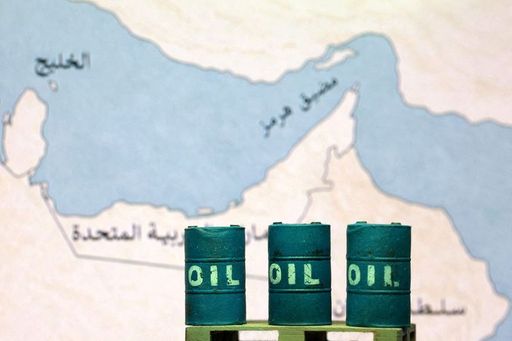
Baghdad's oil ministry said on Tuesday it has "understandings" with the United States and Iran to reduce the impact of the blockade of the Strait of Hormuz on Iraqi oil exports.
The ministry did not elaborate or say when these understandings were reached.
But Iran announced earlier this month, before the fragile ceasefire was reached last Wednesday with the United States, that it would allow Iraqi shipping to transit the key waterway.
Iraqi oil ministry spokesperson Saheb Bazoun told the Iraqi News Agency (INA) "there are understandings with the American and Iranian sides to circumvent the blockade imposed on the Strait of Hormuz, and with all parties to guarantee exports".
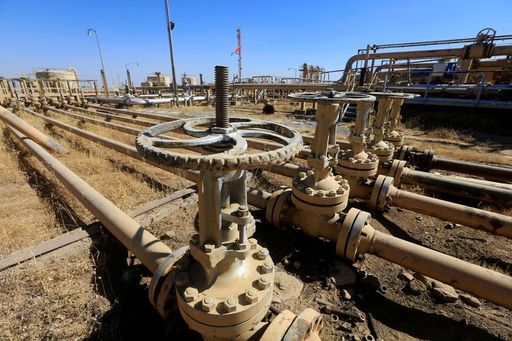
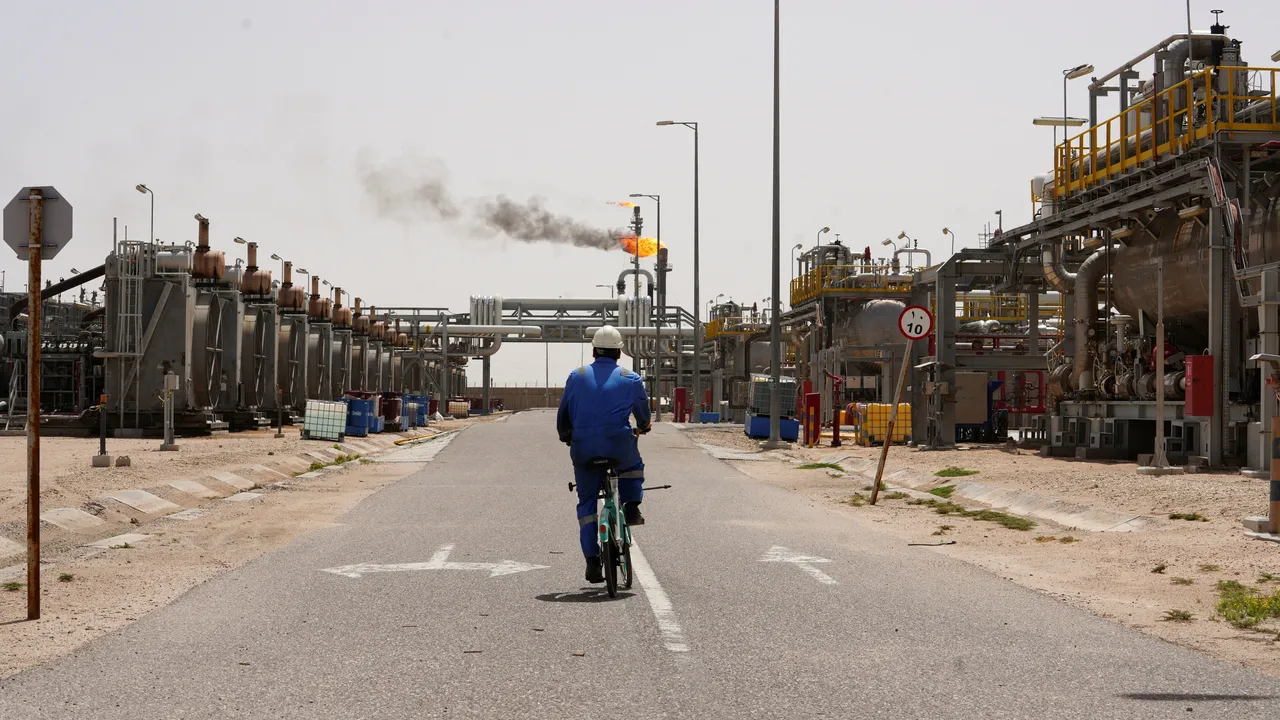
A founding member of the OPEC oil cartel, Iraq normally exports the majority of its crude through the strait, but like other exporters in the oil-rich region, it has been left scrambling for alternative routes.


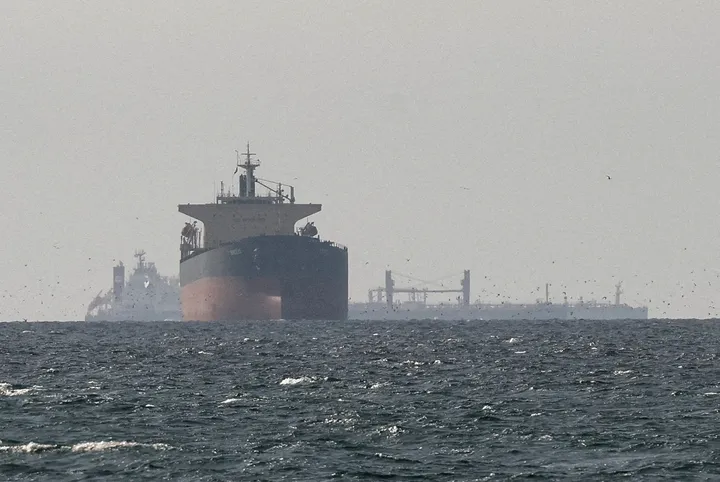




Bazoun told INA that Iraq was continuing to use secondary export routes, including a pipeline to the Turkish port of Ceyhan and via Syria's Baniyas port.
Authorities announced earlier this month Iraq has begun exporting crude using tanker trucks through Syria, after resuming oil exports of 250,000 barrels per day through Ceyhan.
The Middle East war has wrought havoc on energy markets, especially after Iran tightened the screws on the Strait of Hormuz, through which roughly a fifth of global oil and gas passes, sharply slowing maritime traffic, and charging transit fees.
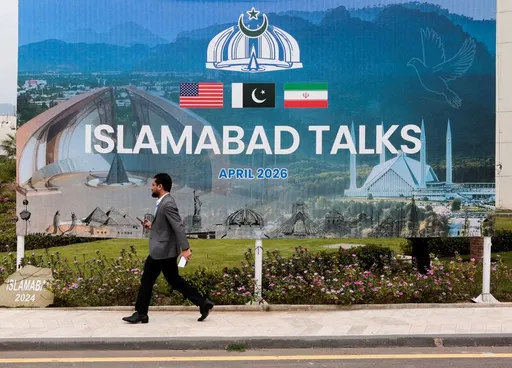
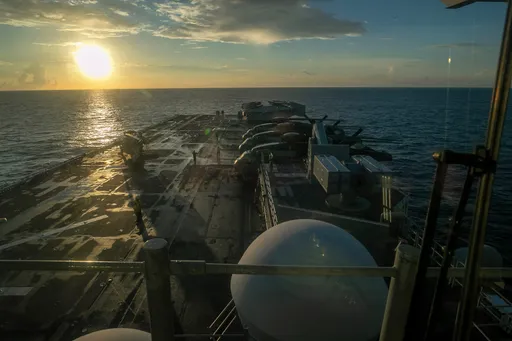
Despite the two-week ceasefire between the United States and Iran, and after a failed attempt to reach an agreement, Washington imposed a blockade on Iranian ports in the Strait of Hormuz, sending tremors through global energy markets.
Oil exports account for some 90 percent of Iraq's budget revenues, which plummeted more than 70 percent in March compared with February.