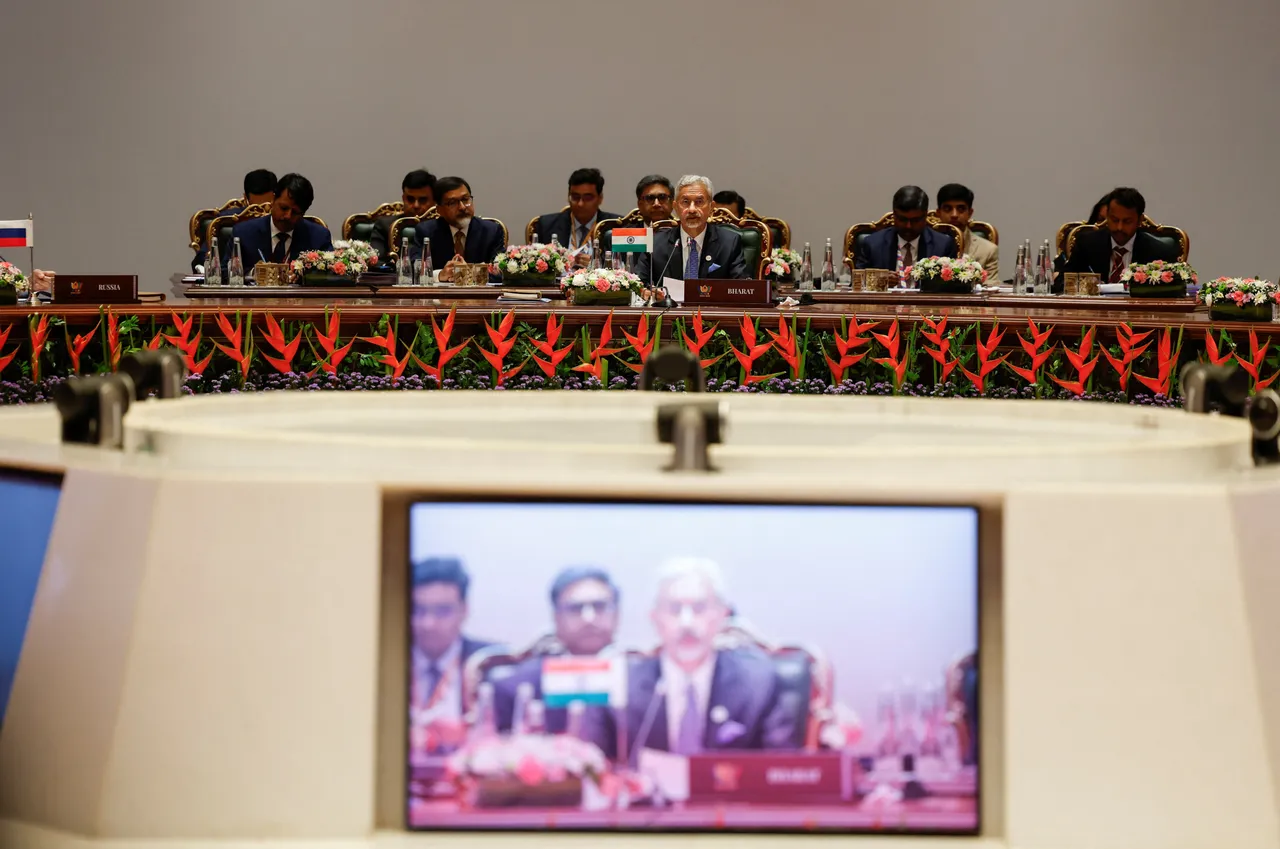
Indian Foreign Minister Subrahmanyam Jaishankar said on Thursday that unimpeded maritime flows through international waters, including the Strait of Hormuz, are vital for global economic well-being.
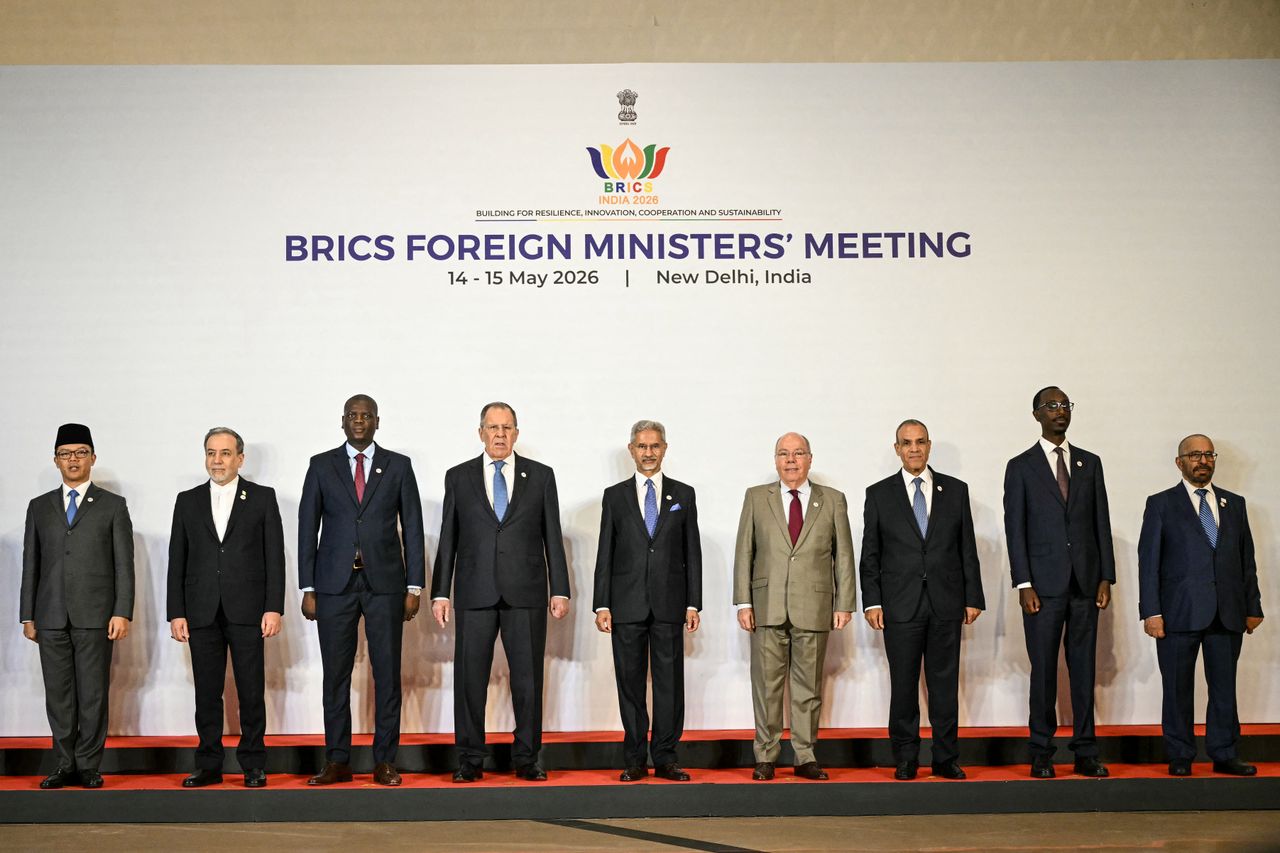
Jaishankar was speaking at the start of a two-day meeting of BRICS foreign ministers in New Delhi.
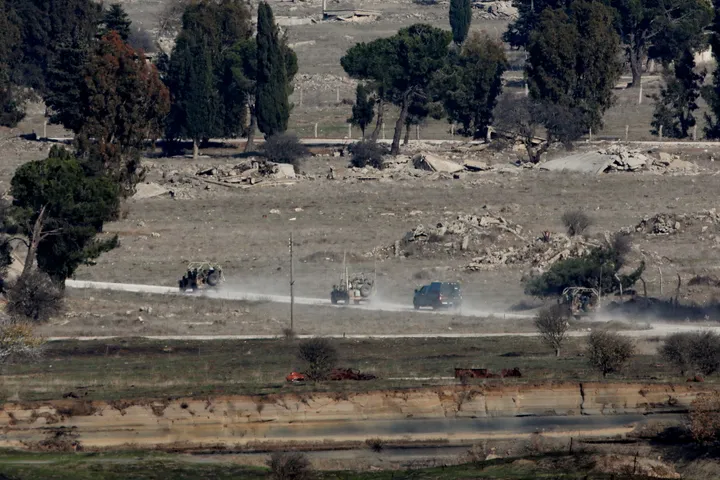
"The conflict in West Asia merits particular attention," Jaishankar said, referring to the US-Israeli war with Iran, without naming the two countries.
"Safe and unimpeded maritime flows through international waterways, including the Strait of Hormuz and the Red Sea, remain vital for global economic well-being."
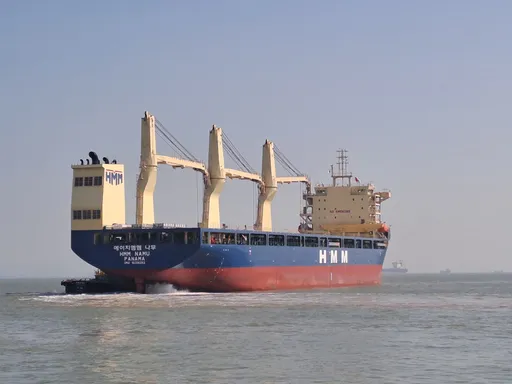
The impact of the war on Iran, including the effective closure of the Strait of Hormuz, has been described as one of the biggest disruptions to energy markets in history.
The disruption has choked tanker traffic and sent energy prices surging, stoking fears of spiralling inflation and a global economic downturn.
Meanwhile, also speaking during the BRICS meeting on Thursday, Iranian Foreign Minister Abbas Araghchi said there is no military solution to issues involving Iran, and Tehran will not surrender to pressure or threats, according to Iranian media.
Araghchi said Iran had twice been subjected within less than a year to “brutal and illegal aggression” by the US and Israel, the Fars News Agency reported.
“In this shameful situation, we are not the aggressors, but rather the wronged and violated party,” he said, calling on BRICS members to challenge violations.
Iran had urged India, the BRICS chair for 2026, to use the BRICS platform to build a consensus condemning US and Israeli actions in the Gulf conflict.



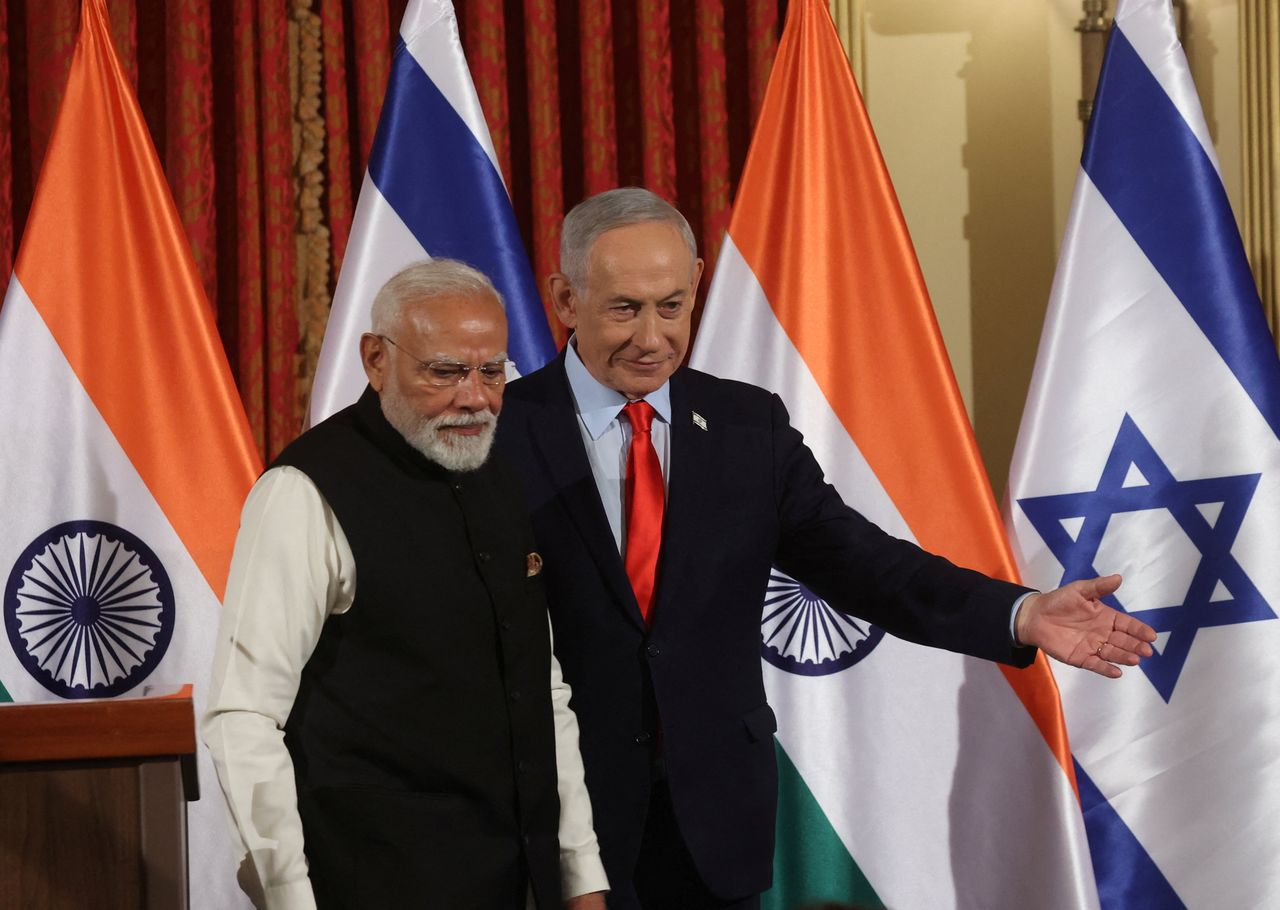
India has sought to carefully balance its ties with both Iran and Israel during the conflict, avoiding direct condemnation of either side while calling for dialogue and diplomacy.
New Delhi also has significant stakes in regional stability given its energy imports and trade routes through the Strait of Hormuz.
Indian Foreign Ministry spokesperson Randhir Jaiswal had said in March that some BRICS members were involved directly in the conflict, due to which it had been "difficult for us to forge a consensus."
The BRICS grouping, founded by Brazil, Russia, India and China, expanded to include South Africa in 2011. Egypt, Ethiopia, Indonesia, Iran and the United Arab Emirates have joined more recently. India holds the BRICS chair for 2026.
Foreign ministers from most member states are attending the meeting in New Delhi, including Iran’s Foreign Minister Abbas Araghchi and the UAE’s Deputy Foreign Minister Khalifa Shaheen Al Marar.
The war has made it harder for the group to reach consensus on a joint statement, reflecting differences between Iran and the UAE, which are on opposing sides in the conflict launched on February 28.
Jaishankar also said BRICS must address the "increasing resort to unilateral coercive measures and sanctions inconsistent with international law and the UN Charter."
"Such measures disproportionately affect developing countries. These unjustifiable measures cannot substitute dialogue, nor can pressure replace diplomacy."
He said emerging economies expect BRICS to play a constructive and stabilising role.