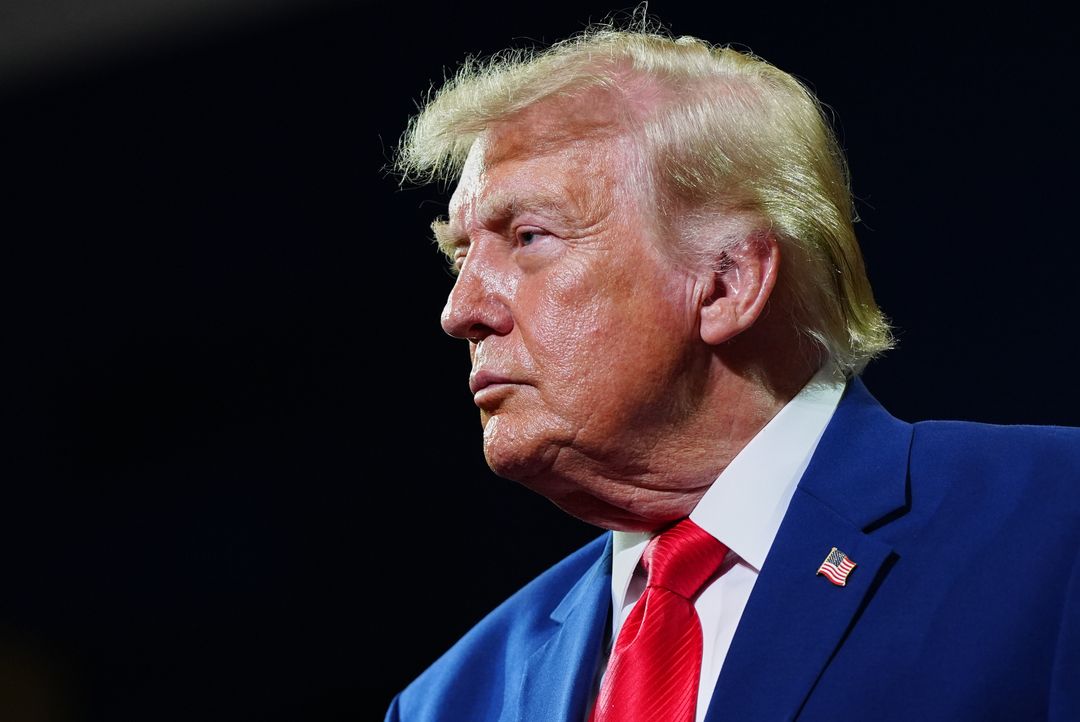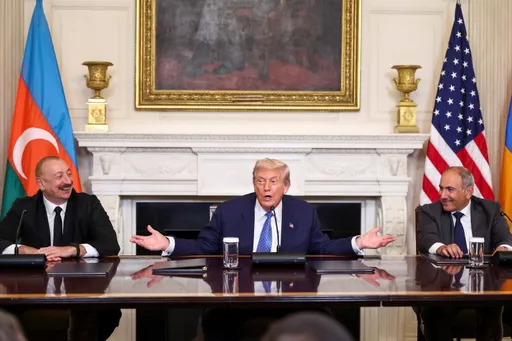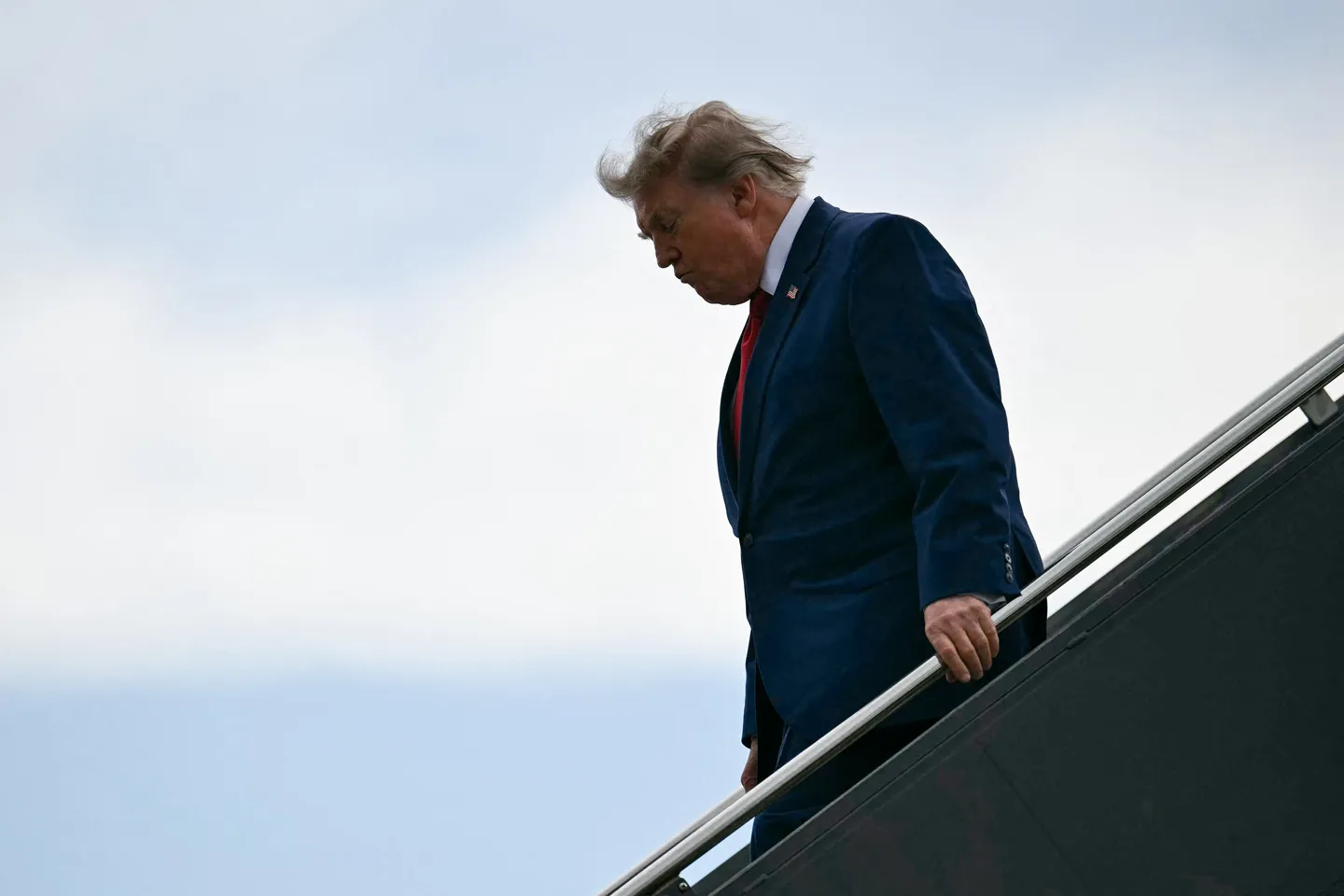
US President Donald Trump has signalled that he is prepared to rely on mounting economic pressure on Iran rather than immediately launching a new military offensive, according to an Axios interview.
“We are low-keying it,” Trump told Axios.
Trump said Washington is “only semi-negotiating” with Tehran while closely monitoring Iran’s deteriorating economy.
“We are just watching Iran with its huge inflation and the fact they have no money,” he said.
Trump argued that Iran is in “very bad shape” financially and is struggling to pay its troops.
He said a US naval blockade has intensified pressure on the Iranian government and contributed to its economic crisis.
According to him, the economic impact of the conflict on Americans has eased as oil prices have fallen to slightly above $75 a barrel.
“It will work out. It always works out. It’s like a chess game,” Trump said of the confrontation with Tehran.
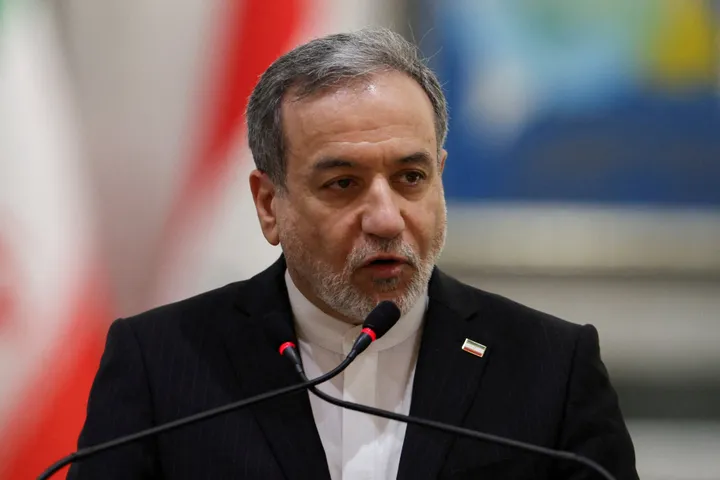

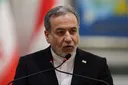

Earlier, Iranian Foreign Minister Abbas Araghchi said Iran and the US are not engaged in talks, and Tehran will not start them as long as Washington breaches an interim deal signed in June.
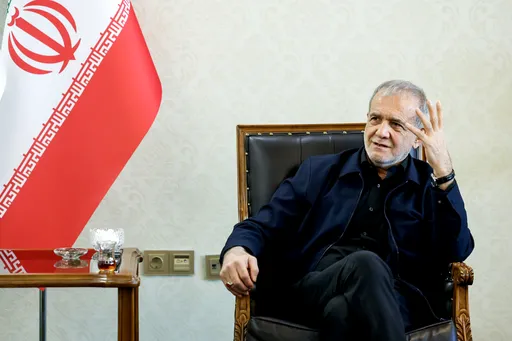
Iranian President Masoud Pezeshkian yesterday accused Washington of violating the June memorandum by pursuing alternative shipping arrangements in the Strait of Hormuz instead of adhering to procedures to be jointly agreed upon by Iran and Oman.
On June 18, Iran and the US signed a memorandum of understanding through Pakistani and Qatari mediation, ending active hostilities and launching negotiations towards a final agreement.
The talks later stalled over disputes over maritime security and freedom of navigation through the Strait of Hormuz, a critical export route for Gulf oil and gas.
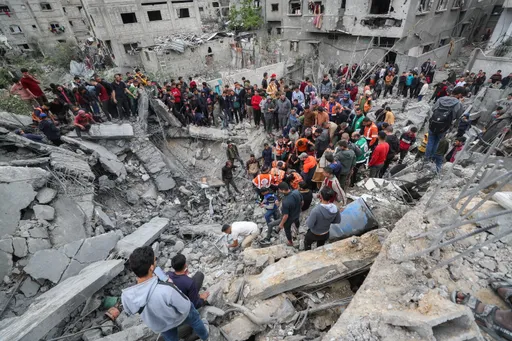
Tensions in the Middle East escalated on February 28 when Israel and the US launched coordinated attacks on Iran targeting military, nuclear and energy infrastructure.
Tehran responded with missile and drone attacks on Israeli and US targets across the region.