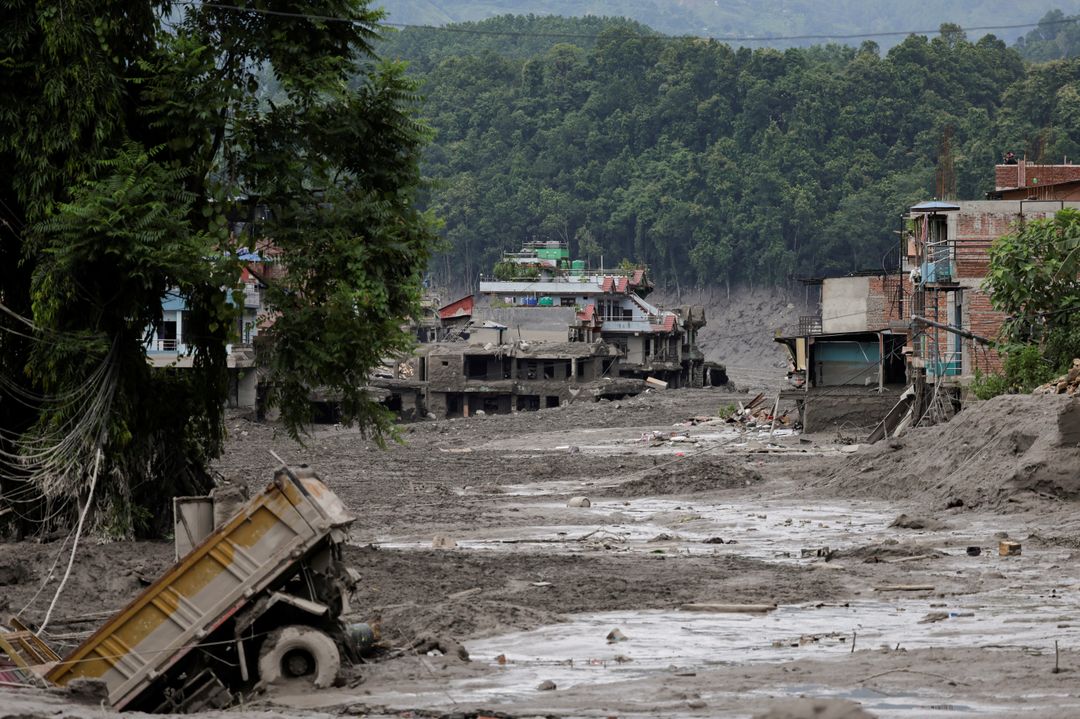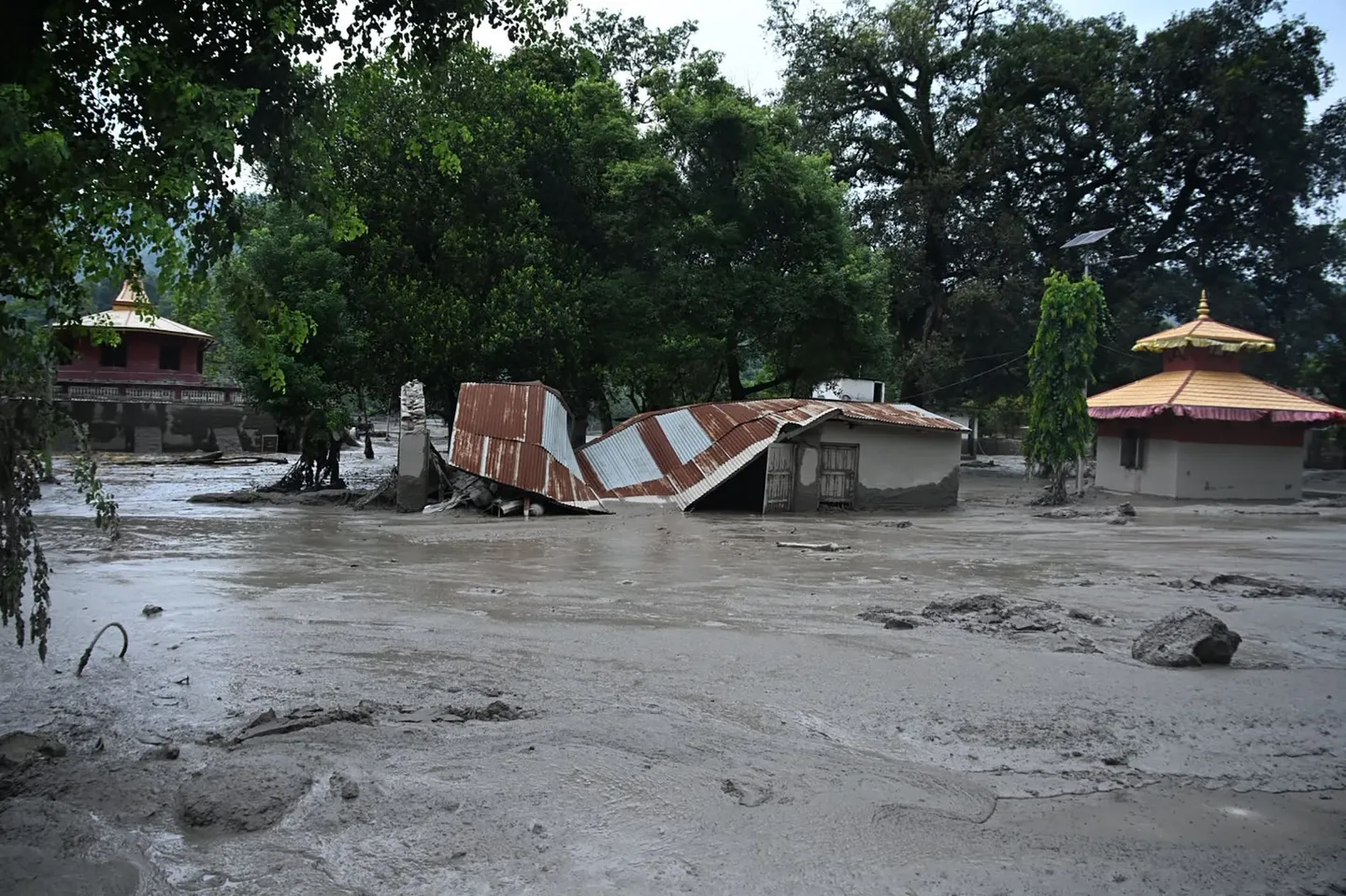
At least 95 people have been killed in massive floods that struck the Himalayan border region of Nepal and China's Tibet.
Authorities on both sides fear the final number of casualties will be far higher amid massive destruction.
Here is a look at what caused the calamity on Wednesday and where things stand now.
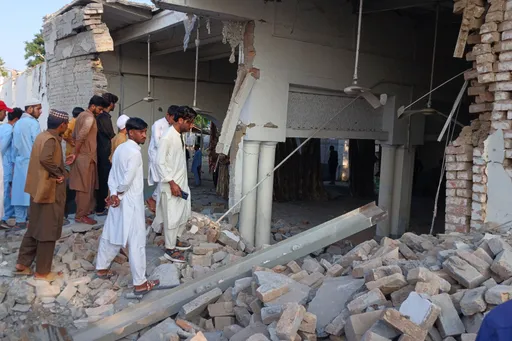
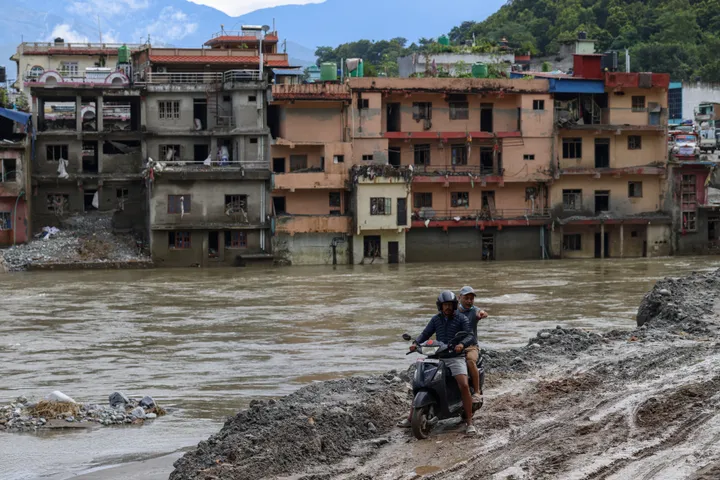
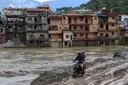
Torrential floods swallowed roads, bridges, houses, and power projects in the border areas of Nepal and triggered a mudslide that hit Gyirong Port, a major land crossing with neighbouring China, cutting roads, communications, and power links to the area.
The cause
It is suspected that an earthquake struck the region and triggered the lower part of a glacier to collapse on the Lhende Khola river in Nepal, causing the floods.
The river runs through both Nepal and China’s Tibet.
A magnitude 4.4 earthquake struck the region shortly before the disaster, raising the possibility that it triggered an ice-and-rock avalanche in the Lhende Khola.
Nepal’s Foreign Minister Shisir Khanal told parliament that the earthquake struck and the flash flood was reported three minutes later, The Kathmandu Post reported.
“We, however, need to verify this,” he said.
According to the US Geological Survey, a magnitude 4.4 earthquake struck, about 47 kilometres north of Gosainkunda.
Scientists from the International Centre for Integrated Mountain Development (ICIMOD) and partner institutions in Nepal and China are investigating whether the flood may have been triggered by an ice-rock avalanche originating from a high-altitude area.
Travellers missing
At least 484 travellers, including 105 Indians, 93 Nepalis, three US citizens, and 33 British citizens, have been reported missing.


Eight South Koreans working on a hydropower plant were also unaccounted for.
The other missing included 17 Malaysian nationals, four South Africans, and one person each from Australia and the Netherlands.
UK Foreign Secretary Ed Miliband said on social media that he was "deeply concerned" by the flash floods.
His thoughts are "with those affected and with British nationals in the area," he said.
The UK Foreign Office has encouraged British nationals in Nepal to follow guidance from local authorities.
Authorities have warned that a second flood may occur since a blockage is still lodged upstream on the Lhende Khola river.
Flood alerts have also been issued in the Indian states of Bihar and Uttar Pradesh, which border Nepal, since several rivers flow down the Himalayas into their plains.
Rescue efforts
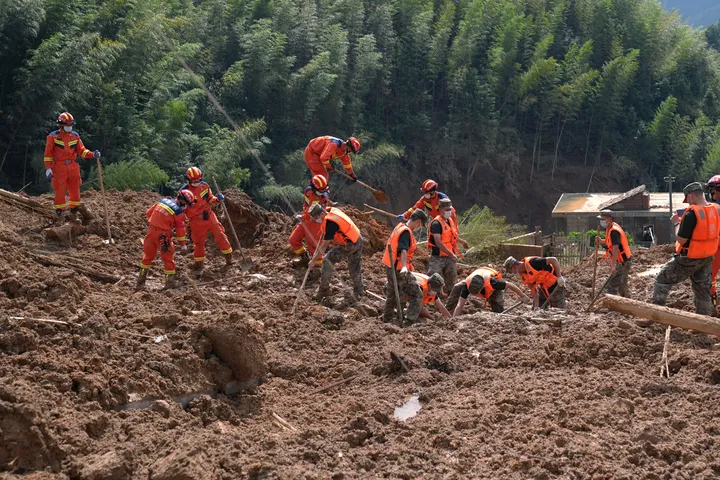
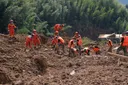
Police and military personnel were engaged in rescue efforts, although officials have said rescue helicopters would not be able to land in some of the affected areas until the waters receded.
People living in low-lying regions were being moved to safer places, and those along the river have been advised to remain alert.
China has deployed at least 574 rescuers to the land crossing, but the flood sediment is posing a challenge.
Other countries have also offered to help.
India said it was coordinating closely with Kathmandu on rescue and relief efforts. South Korea plans to send a rapid-response team comprising government officials and fire and police personnel.
Bangladesh, another downstream nation, said it was "ready to assist Nepal in any possible way in relief and rescue efforts."