 Ulrich Schlie
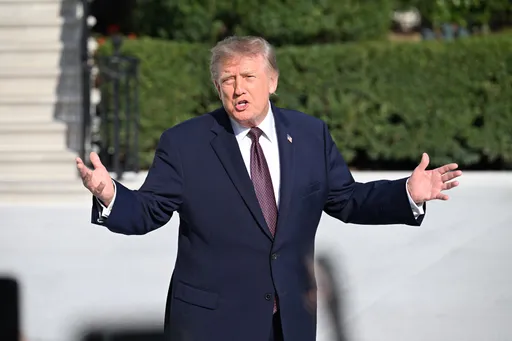
President Donald Trump's recent announcement of a 5,000-strong troop withdrawal from Germany has sparked a furious debate over the US’s increasingly fractured ties with the European nation, prompting numerous expressions of concern.
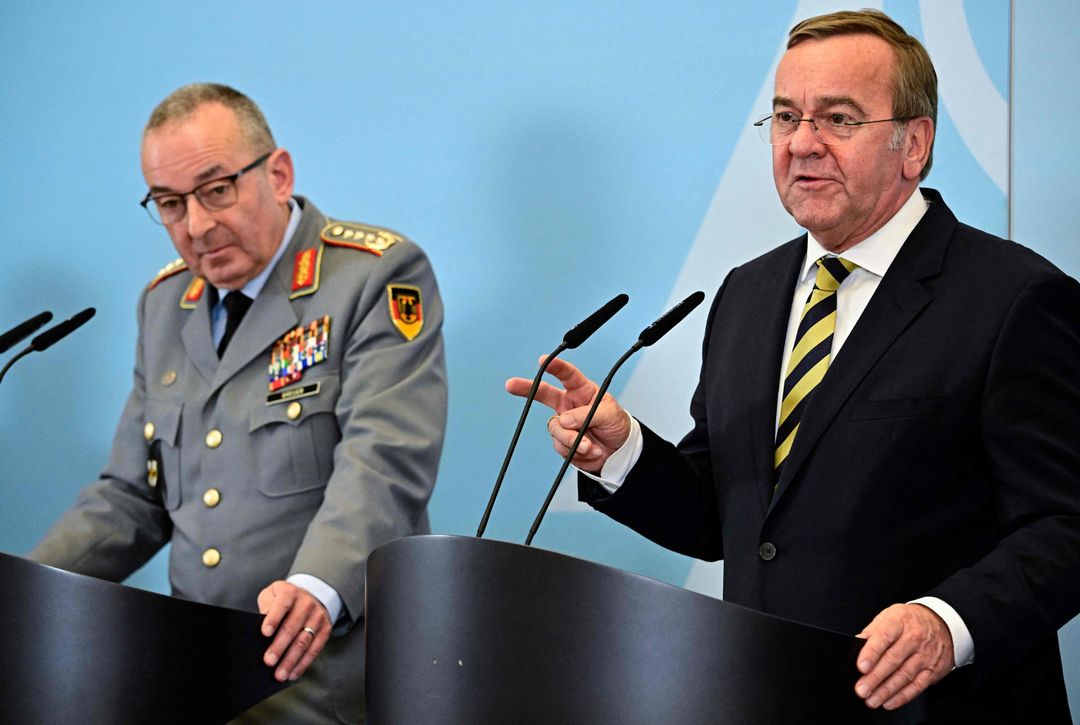
Representatives of the German government, most notably Defence Minister Boris Pistorius, however, reacted with marked composure.
During a visit to troops in Munster, Pistorius explained that the US decision did not weaken the alliance's deterrent capability and that a partial withdrawal of US troops from Europe had been foreseeable.
He also placed the second piece of bad news from the White House in a broader context: The US also withdrew its commitment, made under former president Joe Biden, to station Tomahawk cruise missiles in Germany.
Pistorius pointed instead to the joint development of cruise missiles with Great Britain and to his department's work on hypersonic glide vehicles.
What might appear to be "business as usual" actually has a clear political dimension.
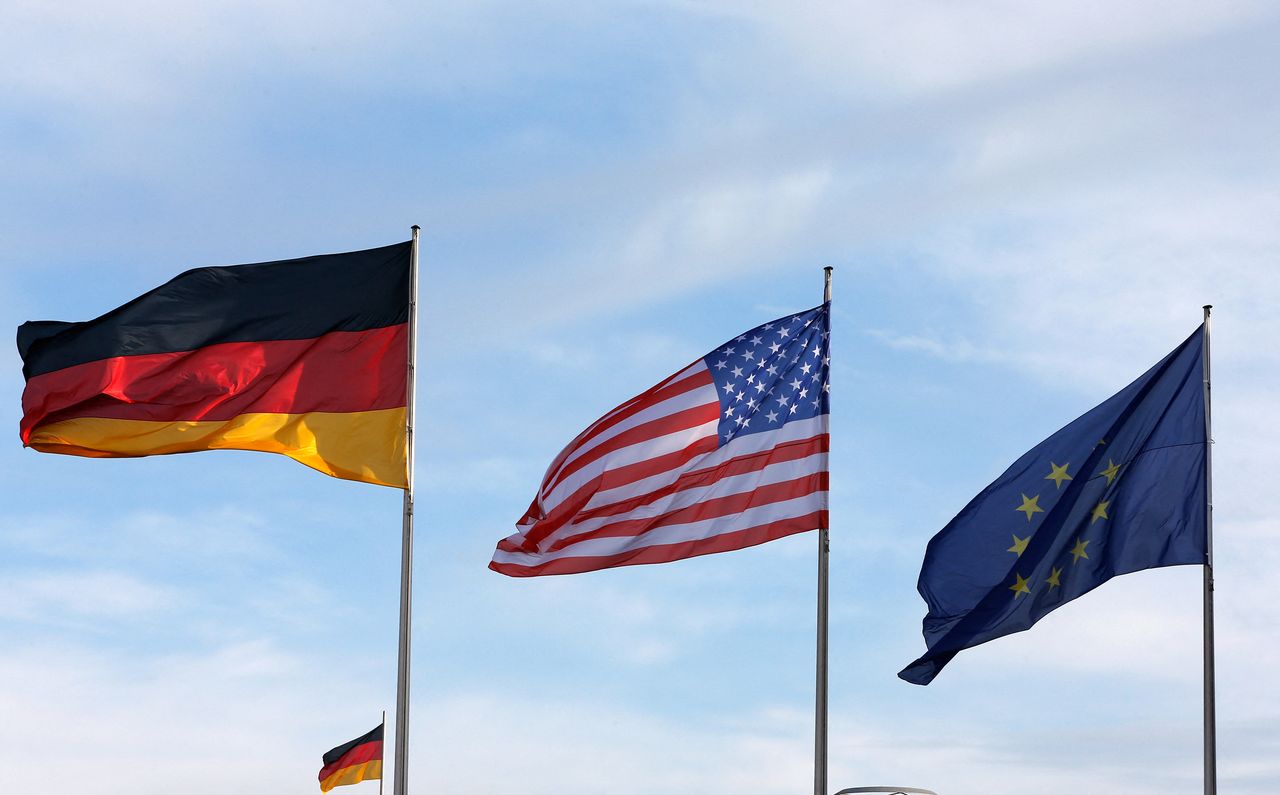
The recent exchange between Chancellor Friedrich Merz and Trump received widespread media attention.
Trump reacted angrily to criticism from Merz, who had accused the US of lacking a clear military strategy in Iran. Against this backdrop, Berlin is likely keen to avoid further escalation.
Troop policy as a means of exerting pressure
Trump is known for his pointed rhetoric; not everything is as bad as it seems.
Nevertheless, his political style often follows words with action. Troop withdrawals are among his preferred tools, as his recent statements on the role of Italy and Spain in the Iran conflict demonstrate.
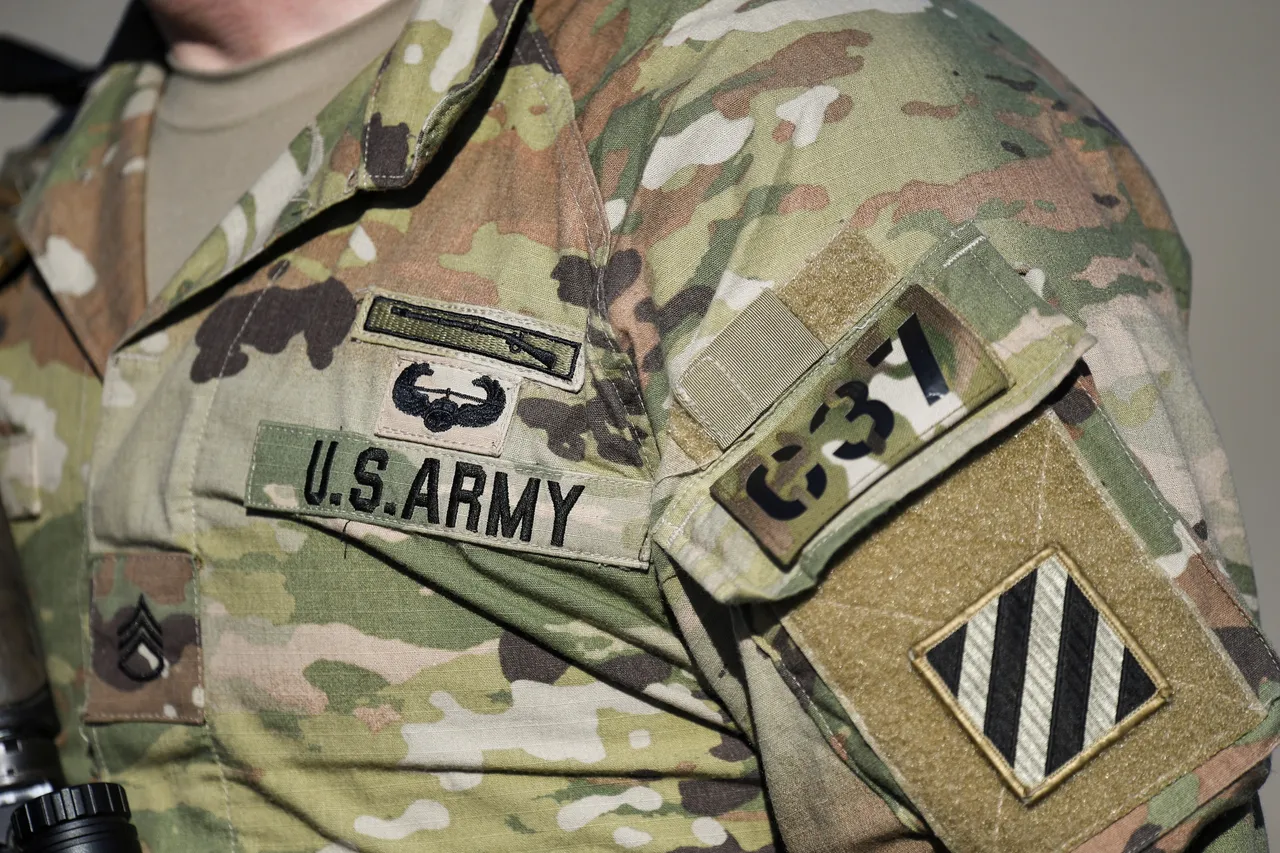
Currently, around 85,000 US troops are stationed in Europe.
In December, Congress prohibited Trump from permanently reducing this number below 76,000 without first providing a comprehensive national security justification.
A withdrawal of 5,000 troops could occur within a year and would be effectively equivalent to withdrawing a brigade from Germany, where approximately 40,000 US troops are currently stationed.



According to US sources, this would reduce troop presence to the level of 2022. Following such a move, the strength of US forces in Europe would roughly match the level before Russia's invasion of Ukraine.
A strategic shift
That stationing issues serve as a political tool is nothing new. They were already used during the Cold War to force Germany to increase its defence contributions.
However, it would be an oversimplification to place Trump's announcements solely within this tradition. They also reflect a more profound strategic realignment.
At its core, this is about a fundamental questioning of NATO's foundations.
The shift in focus towards the Asia-Pacific region initiated by Barack Obama has been further accelerated by Trump and linked to an erratic course that is straining the alliance.
Official US sources initially provided no specific details about the troop withdrawal – a possible indication that the announcement was also intended as a targeted disciplinary measure.
The Pentagon has since confirmed the move to Fox News. Washington emphasises that the reduction is part of a comprehensive review of the US military presence in Europe.
Against this backdrop, the visit of Inspector General Carsten Breuer to Washington last week, during which he was briefed on the planned measures, should also be viewed. This could explain why the German government reacted with relative preparedness.
Trump has commented on the potential troop withdrawal several times, albeit initially vaguely. It is therefore possible that the 5,000 soldiers now mentioned represent only a first step.
The political significance of such a withdrawal should not be underestimated. In the logic of the current US defence strategy and in Washington's foreign policy calculations, it is part of a creeping estrangement between Europe and the US.
This development weakens NATO's cohesion and operational capability.
This presents Europe with a twofold challenge: on the one hand, restraint in confronting Trump, and on the other hand, a significantly stronger contribution of its own to securing the transatlantic alliance.