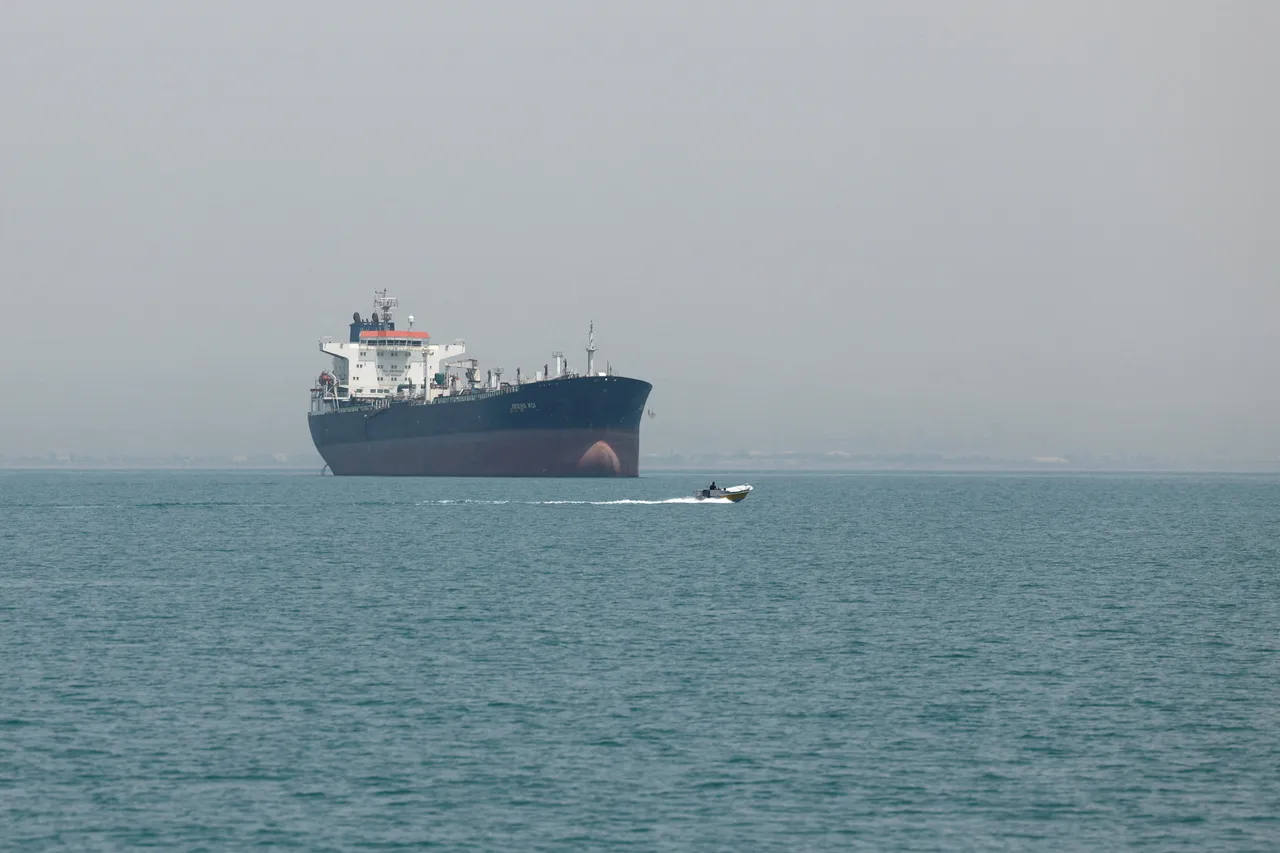
The US and Iran are close to signing a 60-day ceasefire extension that would reopen the Strait of Hormuz, allowing Iran to resume oil sales and creating a window for negotiations on Tehran’s nuclear programme, according to a US official familiar with the draft agreement, the Axios news website reported.
The proposed deal, which has not been finalised, could be announced as soon as Sunday.
Officials cautioned, however, that the agreement could still collapse before it is signed.
Under the draft memorandum of understanding, Iran would clear mines from the Strait of Hormuz and allow ships to pass without tolls.
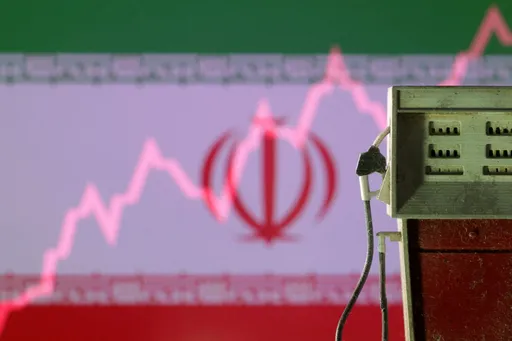
In exchange, Washington would lift its blockade on Iranian ports and issue limited sanctions waivers permitting Tehran to sell oil freely during a 60-day period.
A US official described the arrangement as “relief for performance,” saying economic relief would follow concrete Iranian steps rather than be granted upfront.
The draft also includes Iranian commitments not to pursue nuclear weapons and to negotiate suspending uranium enrichment and removing its stockpile of highly enriched uranium.
Any broader sanctions relief or unfreezing of Iranian funds would be discussed during the ceasefire period, but would only be implemented as part of a final, verified agreement.




US forces deployed to the region would remain in place during the 60-day period and would withdraw only if a final deal is reached.
The agreement also appears linked to efforts to end Israel’s war on Lebanon.
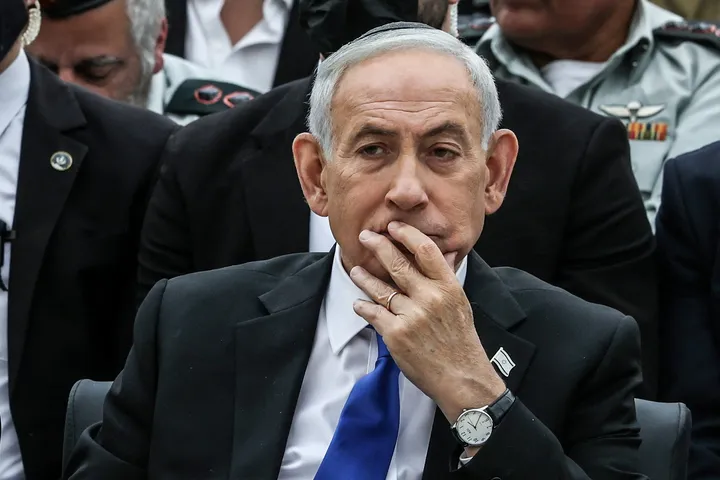
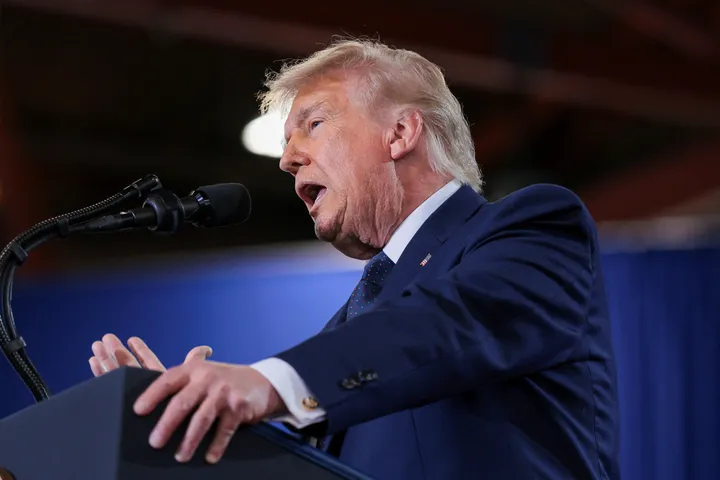
Israeli Prime Minister Benjamin Netanyahu reportedly raised concerns about that condition in a call Saturday with Trump.
A US official said Israel would still be allowed to act if Hezbollah attempted to rearm or resume attacks.
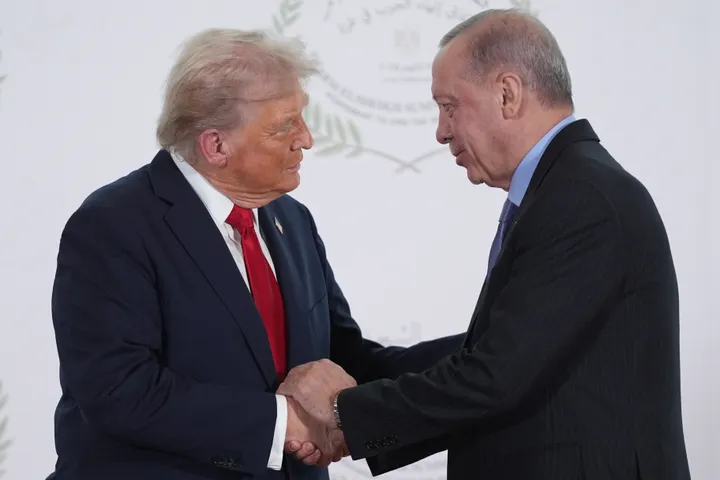
Several Arab and Muslim leaders, including officials from Saudi Arabia, Qatar, Egypt, Türkiye, Pakistan and the United Arab Emirates, have backed the diplomatic effort.
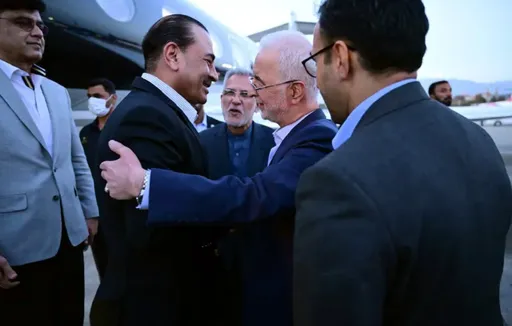
Pakistan has played a central mediation role, with Field Marshal Asim Munir travelling to Tehran in an attempt to help finalise the deal.
The White House hopes the remaining issues could be resolved within hours, but US officials said the ceasefire could end early if Washington concludes Iran is not serious about nuclear negotiations.