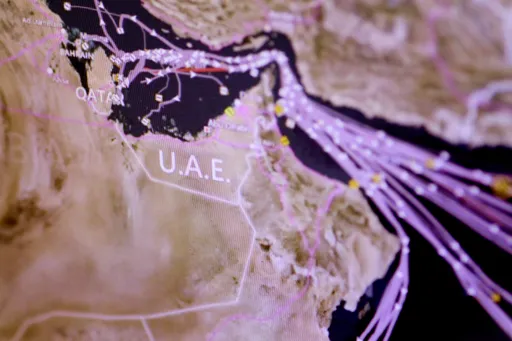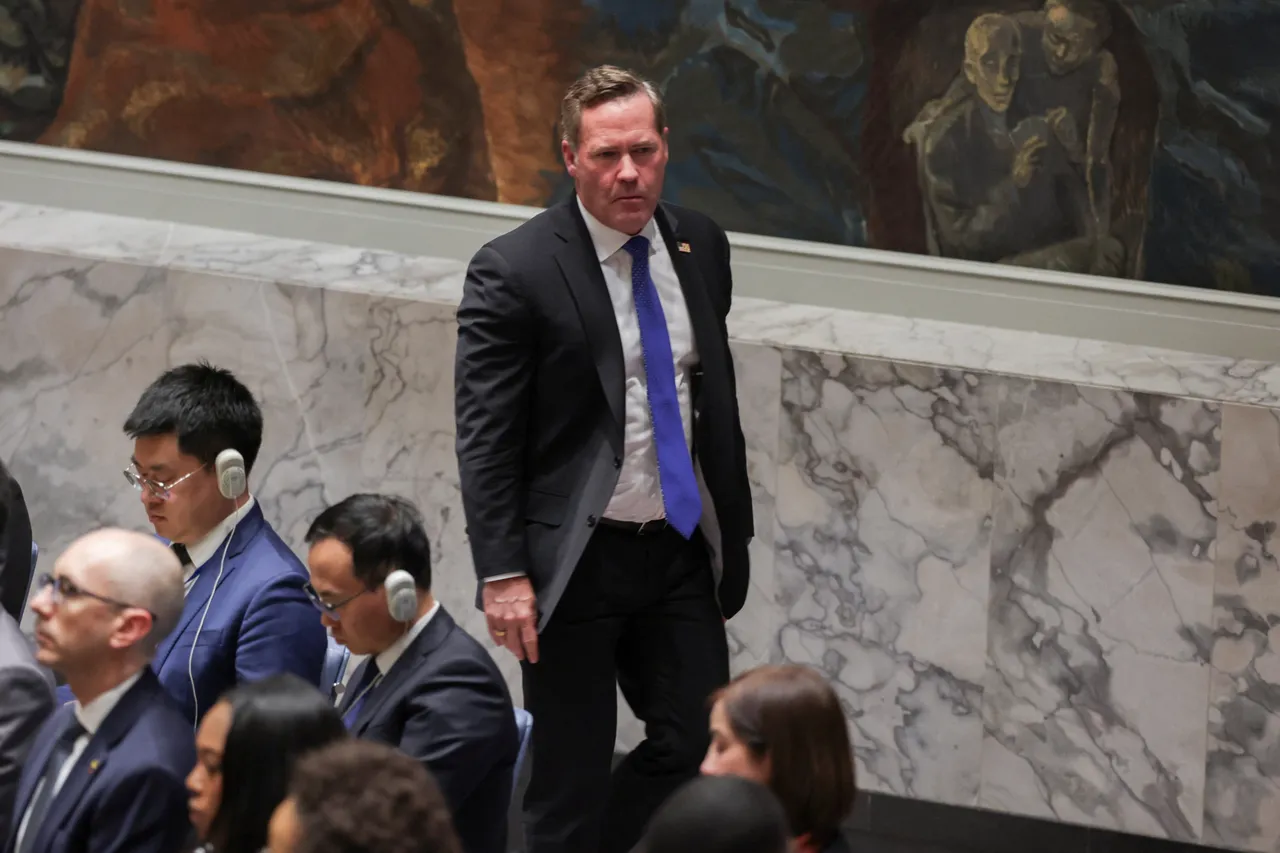
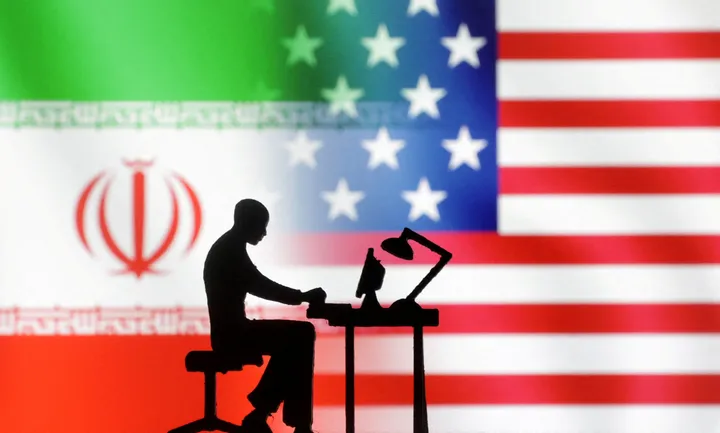
The US has warned Iran on Tuesday that its seizure of the Strait of Hormuz could be the regime's "last act," after Russia and China vetoed a Bahraini-led resolution at the UN Security Council to reopen the critical waterway by "defensive" measures.
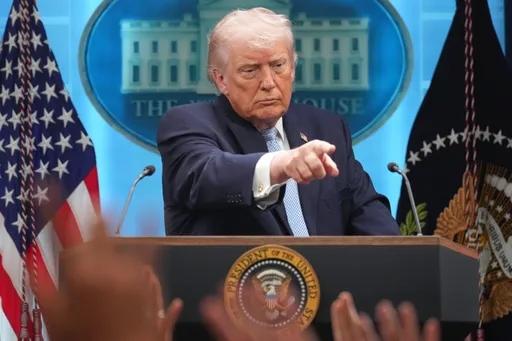
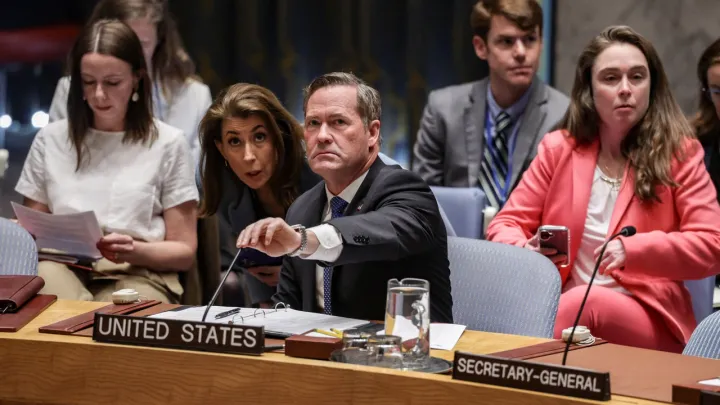
"Forty-seven years ago, the Iranian regime's first act was to take dozens of Americans hostage. Now it's taking the Strait of Hormuz hostage, and with it, attempting to take the world's economy hostage. Well, colleagues, that may be its last act. We'll see," US envoy Mike Waltz told the Council.
Waltz's remarks came after Russia and China vetoed a draft resolution that urged states to "coordinate efforts, defensive in nature, commensurate to the circumstances, to contribute to ensuring the safety and security of navigation across the Strait of Hormuz, including through the escort of merchant and commercial vessels, and to deter attempts to close, obstruct or otherwise interfere with international navigation through the Strait of Hormuz."
It received 11 votes, with Colombia and Pakistan abstaining.
Russia, China face backlash
Claiming that the closure of the strategic channel blocks life-saving aid to those in need, Waltz said, "UN and international humanitarian groups delivering medical aid, shelter supplies, and food to humanitarian crises in the Congo, in Sudan, in Gaza cannot pass through the Strait."


"No one should tolerate that," he added.
Turning to the two vetoing powers, Waltz said, "Today's veto marks a new low," accusing Moscow and Beijing of siding with Iran, which he said, "seeks to intimidate the Gulf into submission, even as it brutalises its own people."
He alleged that Russia had become "a critical supplier of military equipment to Iran," including "combat aircraft, helicopters, armoured vehicles, and other arms," while China "imports over 80 percent of Iran's illicit oil" and has supplied components used in attack drones and ballistic missiles.
"Most member states here need the Strait of Hormuz more than the United States does," he said, affirming that Washington had not abandoned diplomacy.
"The US remains prepared for meaningful diplomacy," he said, even as American forces "continue to achieve" their "objectives" in Operation Epic Fury.