 Murat Sofuoglu
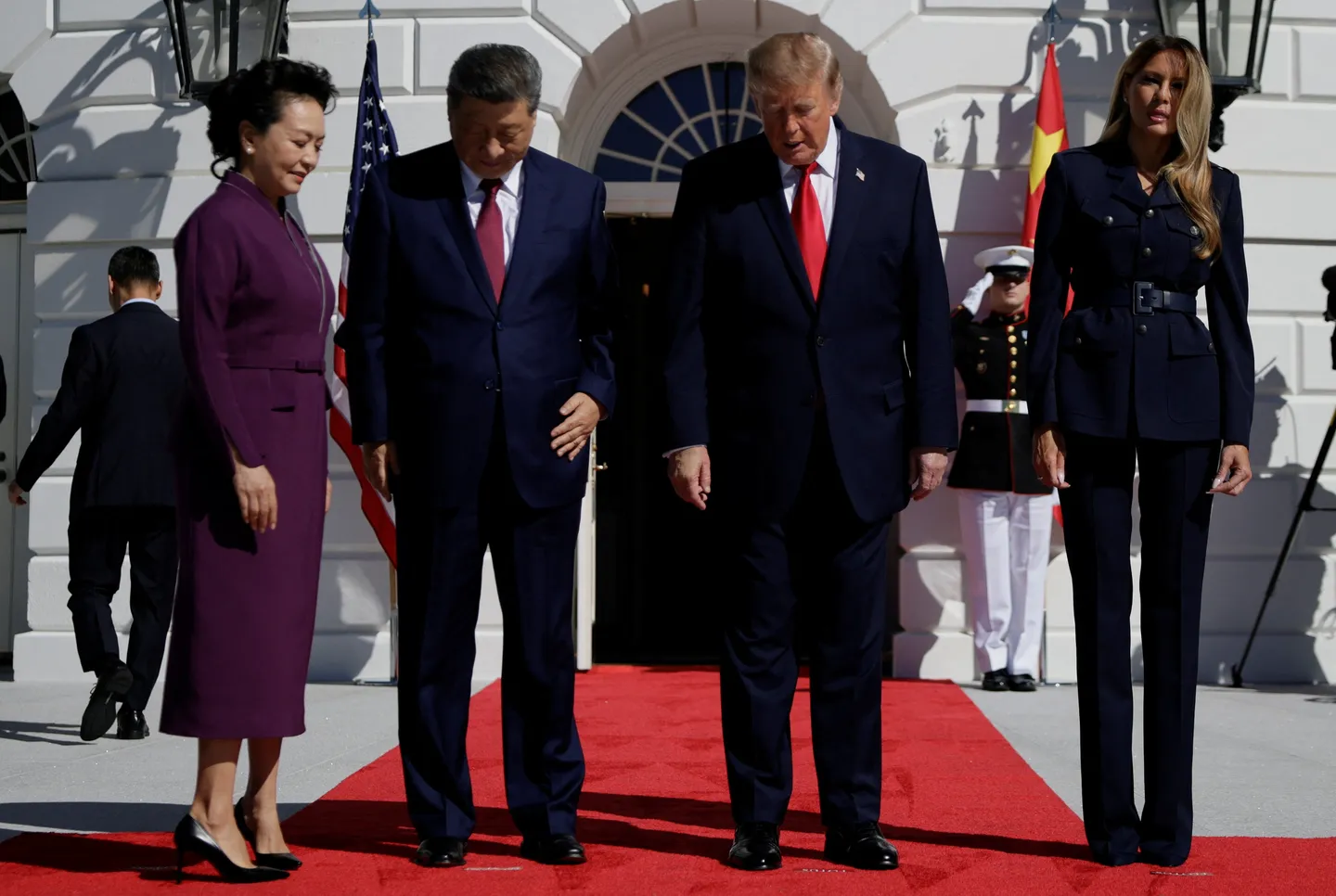
As wars and crises continue to rage across Eurasia, from Ukraine to the Persian Gulf and Gaza, Chinese President Xi Jinping and US President Donald Trump met at the White House in Washington on September 24, raising hopes that their talks could bring greater stability to global politics.
The two leaders greeted each other warmly, with Trump highlighting the potential for "harmony, peace and success" in future ties between the two countries, while Xi spoke of "charting the course for the great shift of China-US relations".
Their cordial exchanges offered a striking contrast to the tensions that have defined relations between Washington and Beijing in recent years.
Beyond a two-month truce covering $30 billion in goods, the leaders left without substantive agreements on key disputes, including a timeline for resolving tariff differences, Taiwan, and the war with Iran.
Many of those contentious matters were effectively deferred to another summit.
Despite leaving many issues unresolved, experts say a cordial meeting between the leaders of the world’s two most powerful countries is itself significant at a time when the international order faces mounting challenges.
“The international status quo is potentially more perilous than at any time since 1945, as evidenced by a stagnating global economy and highly fractious geopolitics,” Dan Steinbock, an international economist and geopolitical analyst, tells TRT World.
“In such circumstances, a US-China summit, even when serving largely as a diplomatic holding pattern, is vital. It set a stage to manage friction and lock in future exchanges, which could be arenas for more structural discussions,” he adds.
Diplomacy matters
Compared with the former communist superpower Soviet Union, an adversary of the Western world, China’s “ideological system and approach are more sophisticated” and, with its growing economic and technological capabilities, poses “fundamentally different, and in many ways more difficult, challenges” to the US, Walter Russell Mead, an American strategist, wrote in a recent article.
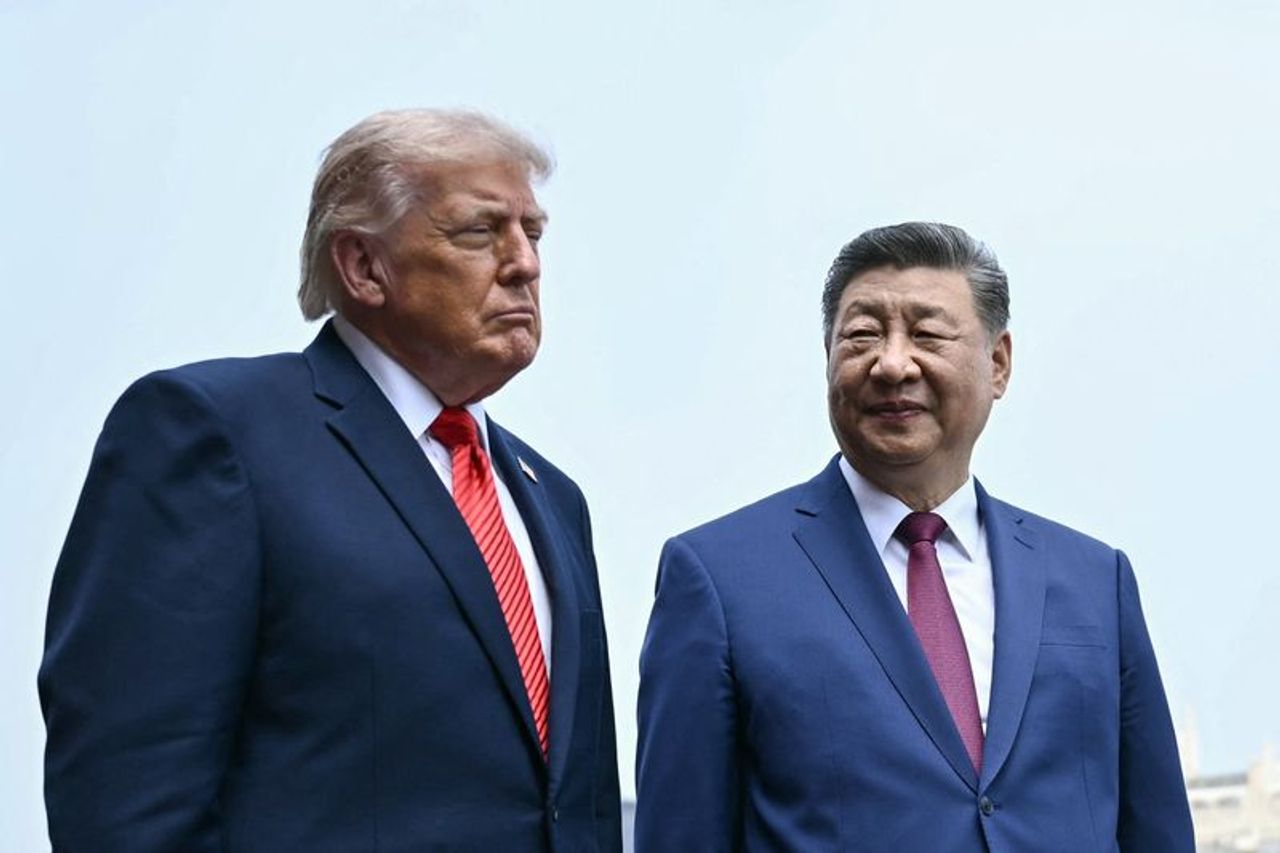
As a result, a cordial meeting with Xi at what the Chinese leader described as a “historic juncture” matters both for US interests and the future direction of global politics, analysts say.
“China and the United States must act as responsible major countries to meet the expectations of our peoples, keep pace with the trend of our times, and explore a new approach for major countries to get along with each other,” Xi said.
“The fact that this meeting took place at all is in itself a good thing. We shouldn't judge these summits by whether they solve problems, because that's not their purpose,” Altay Atli, a senior scholar at Sabanci University’s Istanbul Policy Center, tells TRT World.
Since Trump’s May meeting with Xi in Beijing, US-China relations have faced disruptions on several fronts, from the collapse of the Iran ceasefire and the closure of the Strait of Hormuz to new US sanctions on buyers of Russian oil, accusations over AI model theft and tensions over Taiwan.
Despite these disruptions, Xi, who was notably absent from last week’s UN meeting, travelled to Washington, where Trump greeted him at the airport with a red-carpet welcome.
It marked the first time in 11 years that a US president had personally greeted a Chinese leader at the airport. The visit itself was therefore a significant political development, according to Atli.
“That is a strong signal that both sides want to keep moving forward. But of course, the concrete results were modest as the deep disagreements over technology, Taiwan, and Iran remain exactly where they were. So I'd call it a summit of stabilisation rather than radical change,” he says.
Can truce turn into concrete peace?
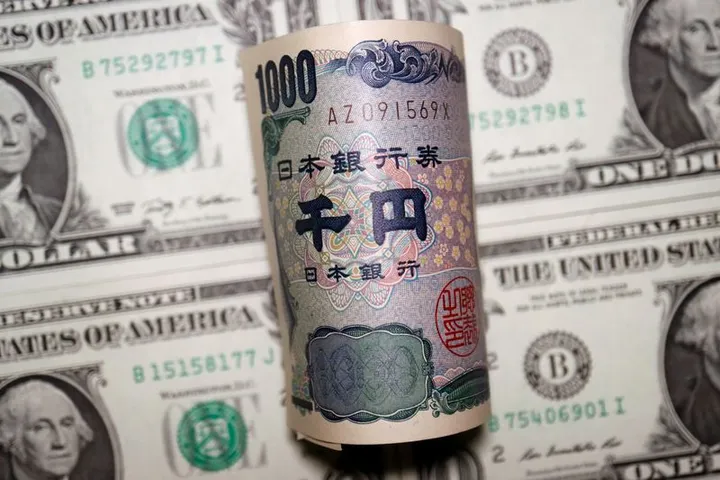
Despite the conciliatory gestures and praise from both sides, experts doubt that the two-month business truce can create the conditions for lasting economic peace.
“Truces happen during wars, but this is far more than a trade or economic war. As Chinese leaders often say internally, it is primarily a science and technology war, then a systems war, an values/ideology war and then finally a trade war,” Charlie Parton, a senior associate fellow at the Royal United Services Institute (RUSI), a British think tank, says.
Unlike the Soviet Communist Party, the Chinese Communist Party (CCP) has undergone various transformations under different leaders, adopting a semi-capitalist model in response to Western global dominance. According to Parton, Beijing believes the US is “trying to contain and repress its global rise”.




Washington, meanwhile, has a similarly adversarial perception of Beijing, believing that China is “trying to unseat it as the leading global power,” he says.
“Both assessments are correct.”
As a result, increasingly negative perceptions on both sides mean the recent summit is unlikely to offer “a recipe for lasting peace,” says Parton, who previously served as the EU’s First Counsellor on China.
“It would be unwise to speculate on what goes through the mind of either leader. But certainly Xi came to Washington with a clear idea of what he has been seeking for some time and there is no indication or likelihood that he deviated from that,” he tells TRT World.
“Trump admires strong men such as Xi, and Xi almost certainly knows that the best way of handling Trump is to smile and be polite. But that won't alter his actions.”
Other analysts also caution against expecting a permanent settlement, while still seeing potential for a managed relationship in which the two countries develop mechanisms to address their differences.
“Turning the ongoing business truce into a permanent economic peace would require a reset on the US side, which remains unlikely. It is not impossible, but it is improbable at the moment,” Steinbock tells TRT World.
However, if the renewed diplomatic engagement displayed by the two leaders in Washington were coupled with gradual rapprochement on bilateral challenges, it could “pave the way to manage more structural conflicts between the world's two largest economies spanning industrial policy, technology controls, tariffs, and strategic rivalry,” he adds.
What the future holds
Before the end of 2026, Trump and Xi are expected to meet twice more, lending weight to Trump’s assertion that while the two countries have “different systems”, they have “never gotten along better”.
The next scheduled meeting will take place at the APEC summit in Shenzhen in November, while the year’s final meeting will be in Miami in December for the G20 gathering.
Behind diplomatic civility, Xi has grown more confident with the Trump administration, which is grappling with an unpopular, unresolved war with Iran, high energy prices and midterm elections just weeks away.
Since 2017, Beijing has made significant advances in areas ranging from electric vehicles and clean energy to AI, while strengthening its global standing through international groupings such as BRICS and the Shanghai Cooperation Organisation (SCO).
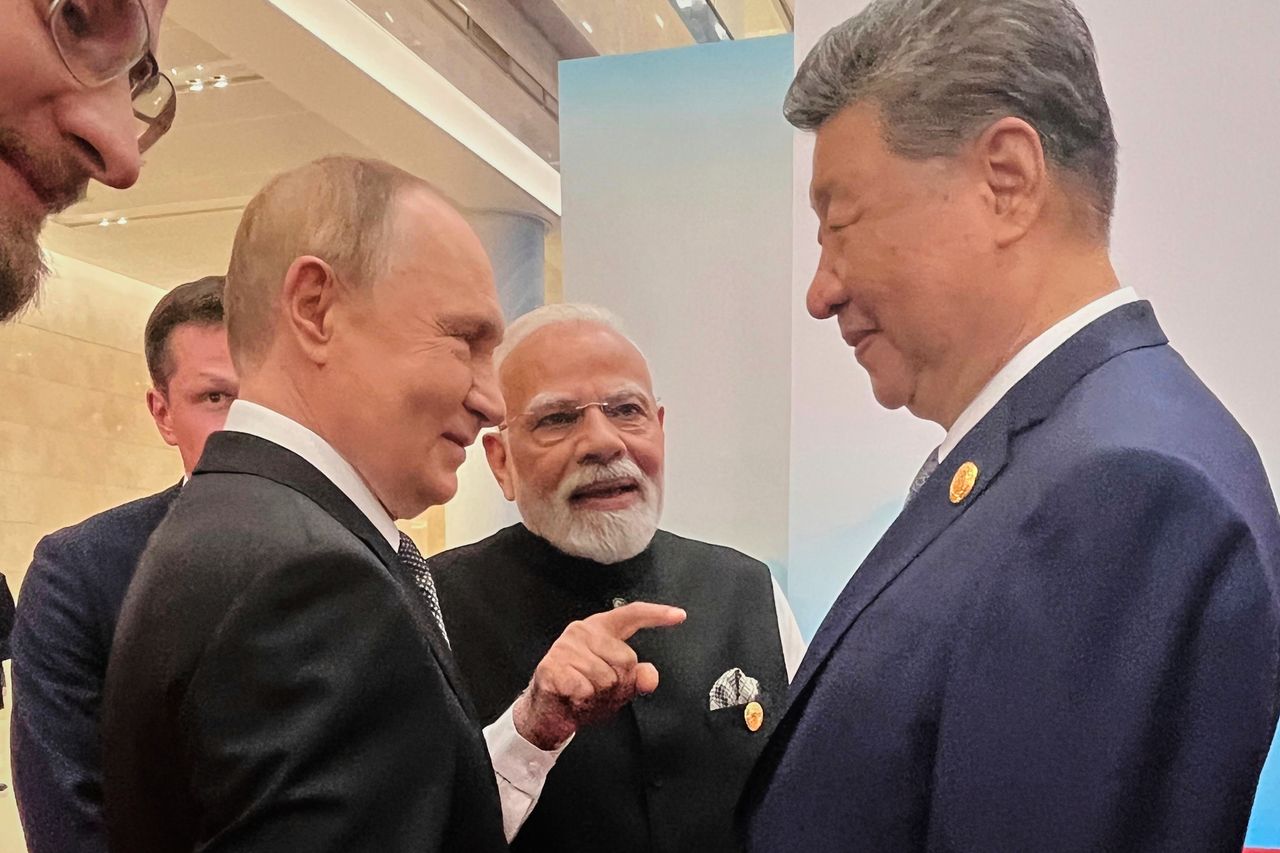
Before shaking hands with Trump, Xi had maintained a busy diplomatic schedule, participating in the BRICS summit in New Delhi, making a significant visit to Cairo, an influential player in Middle Eastern affairs, and attending the SCO meeting in Kyrgyzstan, an energy-rich Central Asian state.
“He arrived as a leader who appeared to have the Global South behind him. Whether that backing is as solid as it looks is another question, but in diplomacy appearances matter. Now compare that with Trump, who is dealing with an unpopular war with Iran, high energy prices, and midterm elections in a few weeks,” Atli says.
While China also has vulnerabilities, from the Strait of Hormuz blockade and energy security to chip controls, Trump needs wins he can show to voters in a way that Xi does not, according to Atli.
“Xi can afford to wait but Trump can't.”
But the two countries also depend on each other in critical areas.
The US needs Chinese rare earths, while Beijing needs American technology and buyers, as well as a stable global economy for its exports. Both sides know that abruptly severing those ties would hurt them both.
“What both leaders are really after is a stable balance, where competition and cooperation exist side by side,” Atli tells TRT World.
“That's more realistic and achievable than a permanent economic peace.”