 Kazim Alam
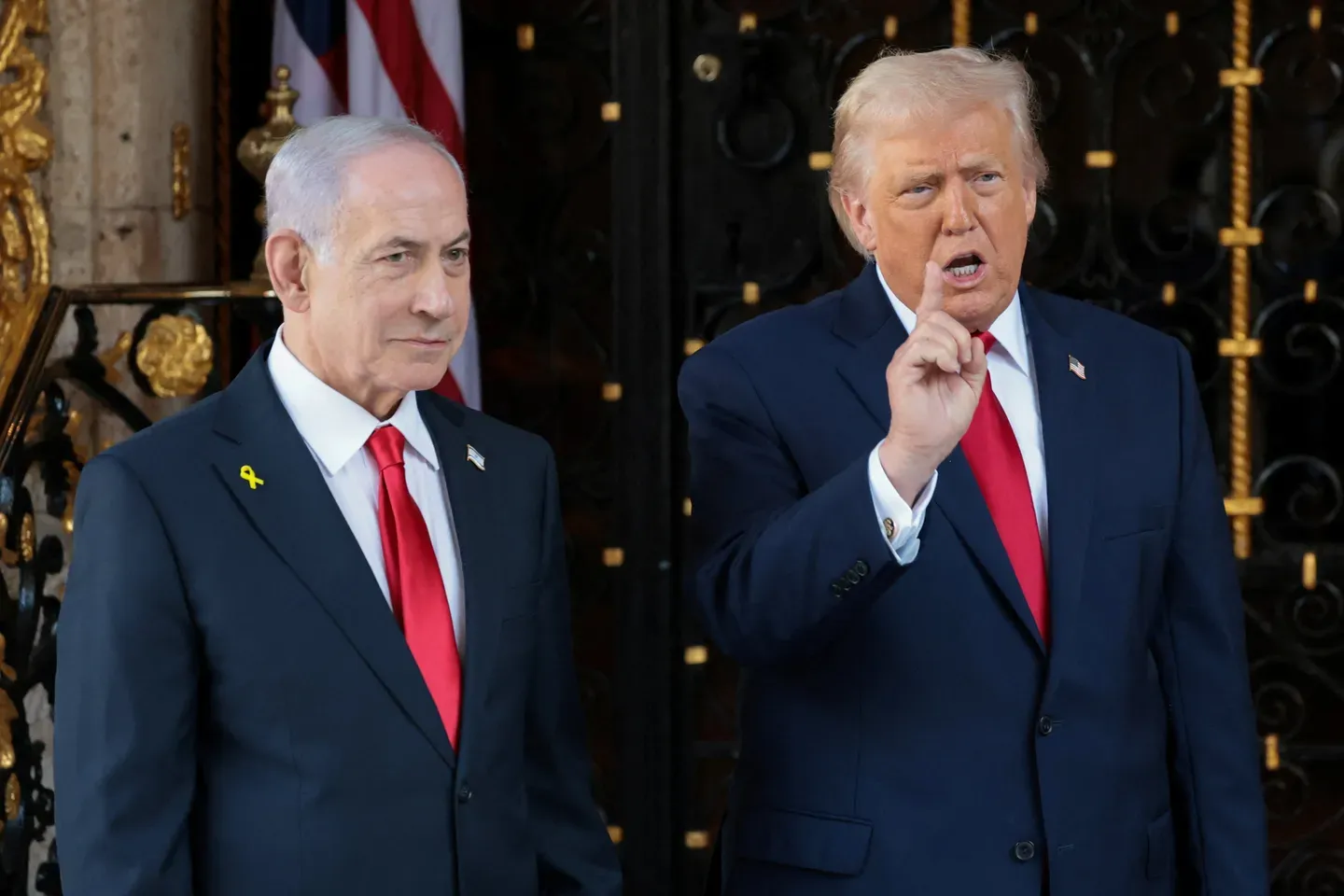
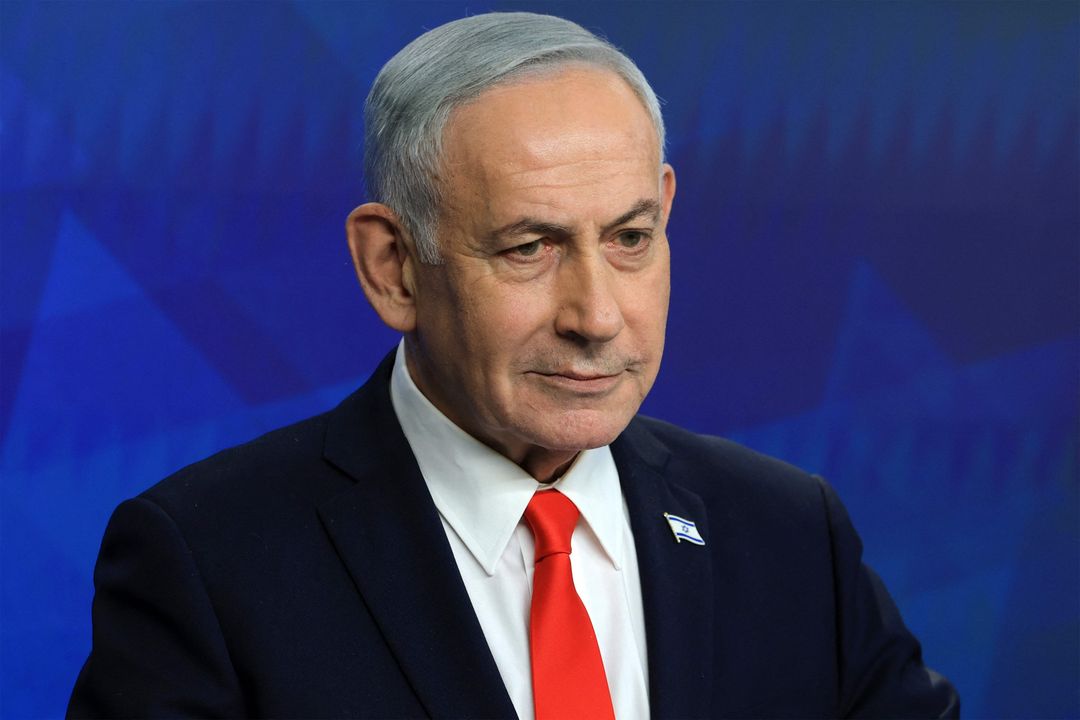
Israeli Prime Minister Benjamin Netanyahu’s outright rejection of a key condition in the US-backed Gaza peace plan has thrown the whole initiative into uncertainty.
On Sunday, Netanyahu told his cabinet that Tel Aviv rejects the 15-point document, insisting the Israeli military will not withdraw from Gaza until Hamas is “genuinely disarmed”.
Last month, Hamas dissolved its government in Gaza and formally handed over administration to the National Committee for the Administration of Gaza (NCAG) under the US-backed ceasefire framework.
The dissolution of the Gaza government was followed by Hamas agreeing to a complete disarmament subject to Israeli withdrawal from Gaza.
The peace roadmap, part of the second phase of US President Donald Trump’s broader 20-point Gaza plan, originally presented in October 2025, links a phased Israeli withdrawal from Gaza to the demilitarisation of Hamas under a Palestinian technocratic administration backed by the Board of Peace.
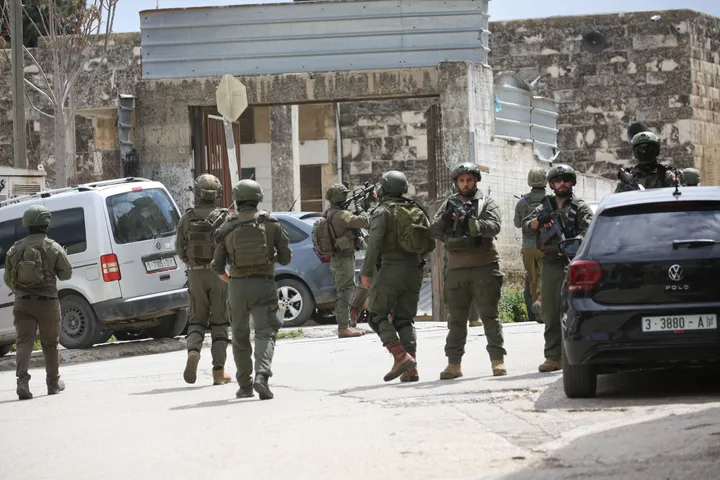
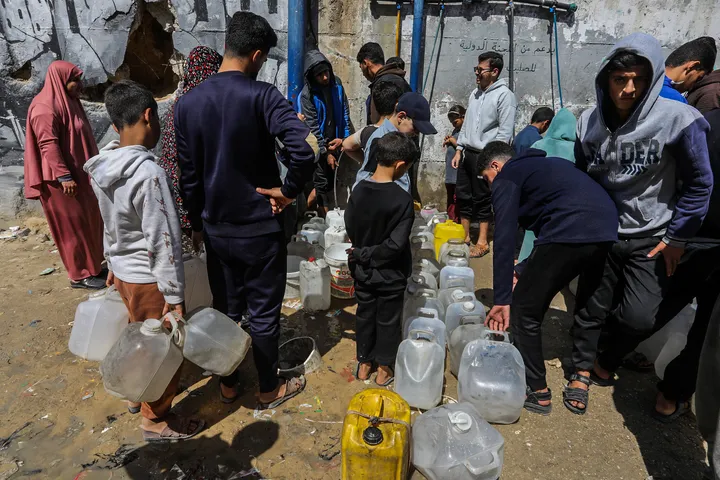
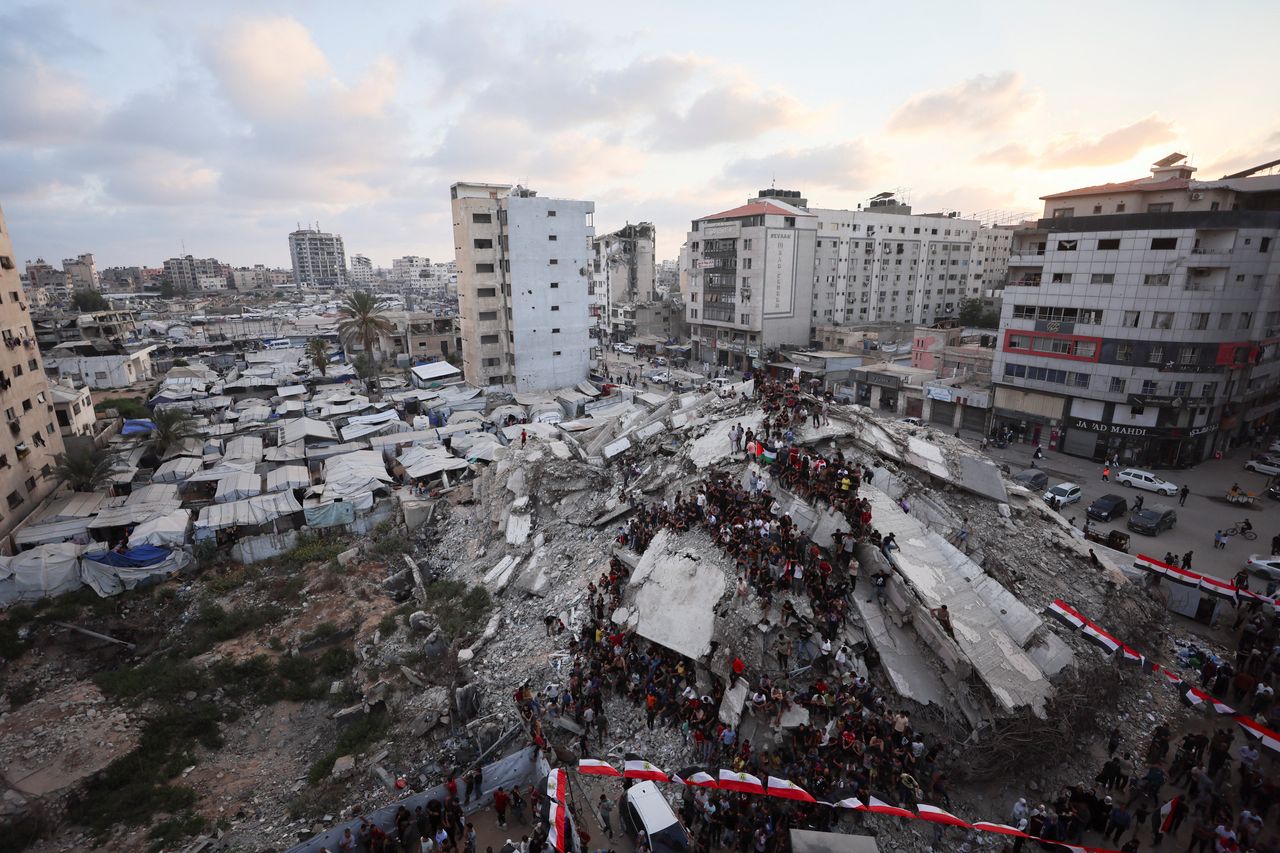
Despite a ceasefire agreed in October 2025, Israel has continued to violate the fragile agreement by killing more than 1,250 Palestinians in Gaza.
At the same time, Tel Aviv has kept expanding its control over the besieged territory by moving the demarcation line.
In other words, Israel’s unilaterally drawn boundary keeps moving further into the enclave, effectively making Gaza smaller by the month. Israel currently controls roughly two-thirds of Gaza.
Analysts are sceptical about whether Washington will be successful in preventing Netanyahu from sabotaging the US-backed Gaza peace plan.
Mustafa Yetim, professor of international relations at Eskisehir Osmangazi University, tells TRT World that the Trump administration appears willing to press the Israeli government to take steps consistent with the agreed Gaza peace plan.
But Israel continues to fiercely resist withdrawal, partly because of domestic reasons, such as the general elections scheduled for October.
“This position could seriously undermine the peace process, particularly because Hamas’s willingness to proceed with disarmament is closely linked to Israel’s full withdrawal from the territory,” he says.
According to Yetim, Trump appears to have sought greater alignment with key regional actors and broader international and domestic public opinion – all of which have placed increasing pressure on his administration to constrain Israel’s atrocities in Gaza.
“At the same time, radical Jewish-nationalist and Zionist elements within the Netanyahu government… remain committed to maintaining policies of military intervention and territorial control,” he notes.
This explains why the Israeli approach has increasingly come into conflict with the Trump administration’s broader regional vision, Yetim says.
“The unresolved issue of Israeli withdrawal could become a critical point of friction between Washington and Tel Aviv and potentially jeopardise the broader implementation of the Gaza peace framework,” he says.
Zahide Tuba Kor, a scholar of Middle Eastern studies, tells TRT World that she is highly sceptical that any US pressure on Israel will succeed.
She says she never expected Israel to abide by the ceasefire agreement. It was only a means for Israel to continue its genocide in Gaza without attracting the world’s attention and reaction, she notes.
The Trump administration may pressure Israel to reconsider its decision, but Kor does not believe it will work.
“Israeli politics and society cannot survive without war,” she says.
A powerful lobby supports reoccupation and settlement in Gaza, she says. No Israeli government can back down due to external pressures, especially in the run-up to the elections.
Kor recalls Netanyahu’s statement from his time in the US as deputy ambassador in the 1980s that remains relevant: “If the US government were to oppose Israeli policy, I know how to manipulate American public opinion against its own government”.






With US midterm elections in November and evangelicals in the Republican Party’s base being “more pro-Israel than Israel itself,” Kor says that no American president can afford to take such a risk.
Does US have leverage over Israel?
Yetim says Israel’s military power has long been enabled by comprehensive Western support, especially American, through advanced capabilities, political protection, economic aid, and diplomacy.
The US is the biggest backer of the Israeli military. According to the Costs of War Project at Brown University, the US spent $21.7 billion on military aid to Israel from October 2023 to September 2025.
“This dynamic could change significantly if the US were to reassess the broader costs that Israel’s regional policies impose on American economic, military, and diplomatic interests,” he says.
Washington possesses a relatively broad range of instruments, including adjustments to military assistance, diplomatic protection, arms transfers, and broader political and economic support, he says.
Yet, the effectiveness of these levers of influence ultimately depends on the willingness of the US administration to use them, he says.
The influence of pro-Israel constituencies and lobbying networks has also historically limited room for any US manoeuvre against Tel Aviv.
“As long as these political, economic, military, and discursive alignments remain largely intact, Washington’s leverage over Israel is likely to remain substantial in theory but considerably more limited in practice,” Yetim says.
Kor acknowledges the existence of the levers of US influence over Israel. But she casts doubt on whether the US will ever use those instruments of influence.
Cutting arms sales will leave Israel with “no choice but to submit”. That’s because neither Tel Aviv’s domestic production of arms nor that of its other allies can fully replace American weapons, she insists.
Washington can also remove diplomatic protection, allow international court proceedings, abandon Israeli propaganda framing in media coverage, or cut economic aid, she notes.
“Israel has survived on external support since its foundation. Israel will not back down unless that support is cut off. But the US will not use all its cards,” she says.
If the US does not force Israel to change its decision on the withdrawal question, the consequences for the peace process can be devastating, analysts say.
According to Yetim, a failure to convince Israel against a renewed military action and occupation is a “more plausible scenario” than the establishment of a stable political order in Gaza and the wider Palestinian territories.
The underlying Israeli security and political paradigm can pose a “persistent challenge to any regional arrangement” aimed at containing Israel’s interventionist and expansionist policies.
An even worse outcome would be the collapse of the plan and a broader cycle of confrontation involving other regional players, potentially drawing the US deeper into Middle East instability, he says.
“There is a relatively fragile boundary between containing regional instability and allowing it to escalate into a much wider conflict,” he adds.
Maintaining stability in Gaza is not merely a desirable outcome for Washington, he says.
“It is becoming a strategic necessity.”