 Ahmed Almallahi
Decades of British diplomatic caution toward Israel have given way to direct economic and legal confrontation, with London declaring the Israeli occupation unlawful and accusing state-backed illegal Israeli settlers of "ethnic cleansing" in the occupied West Bank.
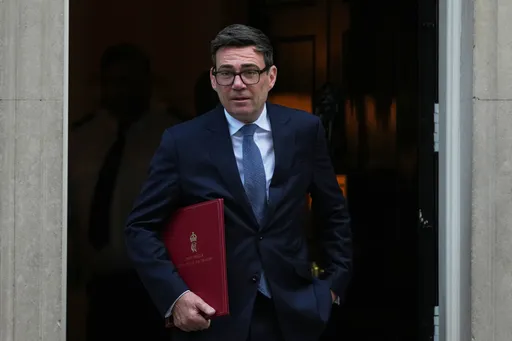
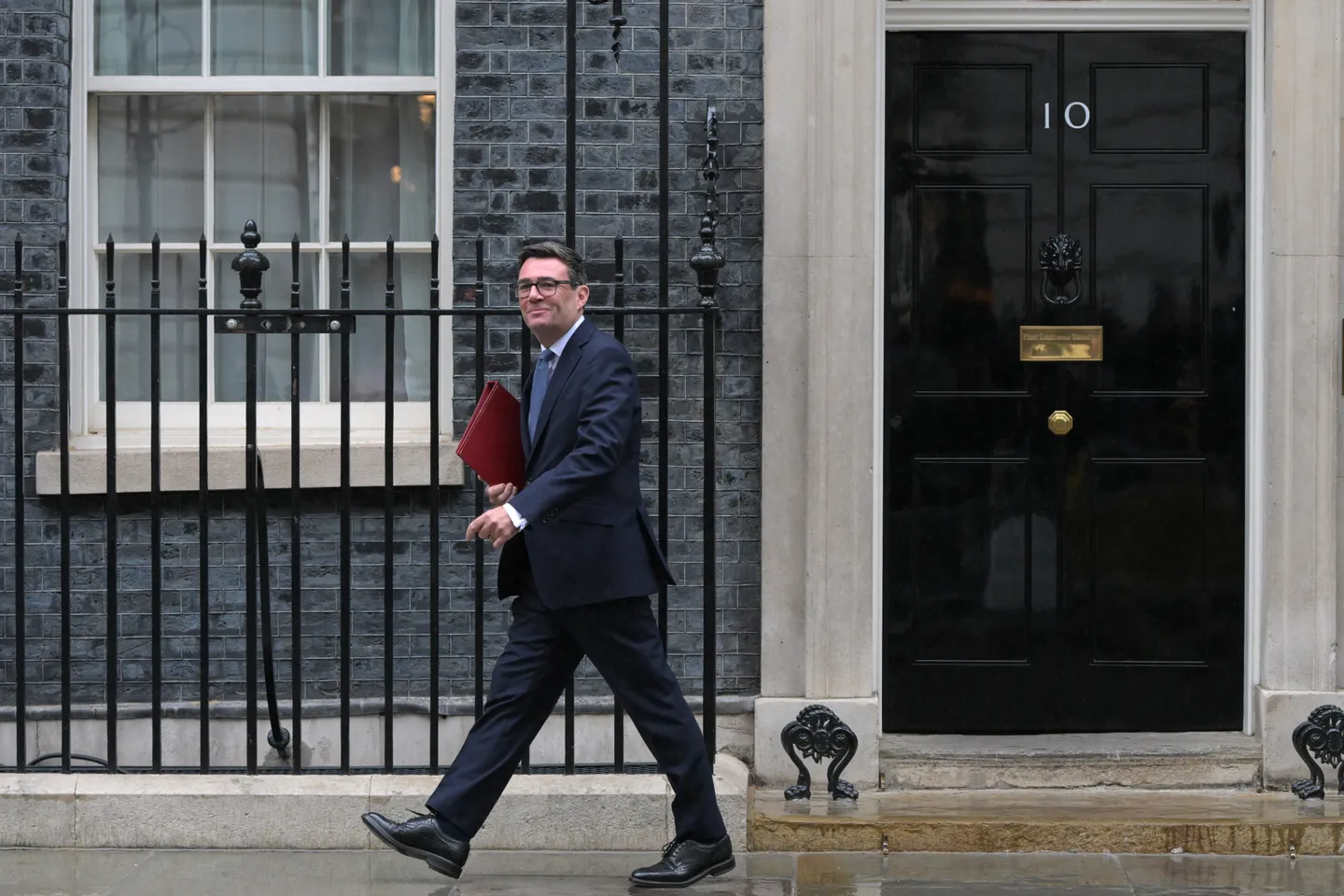
The shift—announced by Prime Minister Andy Burnham and Foreign Secretary Ed Miliband—moves Britain from rhetorical appeals into enforceable statutory consequences.
By introducing import bans on settlement goods, barring corporate services like construction financing and property marketing, and revoking occupation-linked arms export licences, London has crossed an institutional Rubicon.
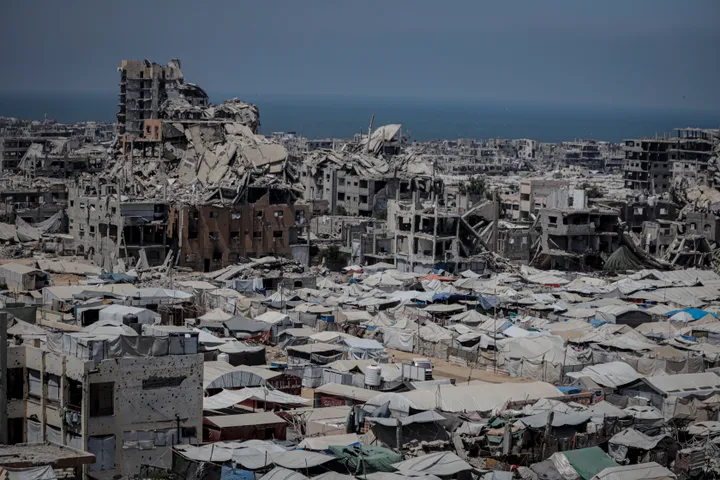
At the heart of that shift is not only accelerating settlement expansion in the occupied West Bank, but the scale of Palestinian suffering in Gaza, which Burnham has described as a "scar on the conscience of the world".
"Innocent Palestinians, including children, continue to be killed in Gaza. And there is still a humanitarian crisis, with far too little aid getting in," Burnham stated.
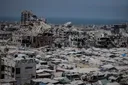
"The scale of destruction is hard to comprehend. More than 70,000 people lie dead—at least 20,000 of them children. Families and communities have been torn apart. Millions displaced. And the population of Gaza is now penned into just one third of the territory."
Burnham's remarks make clear that the measures are intended as a departure from what he views as Britain's previous reluctance to translate its support for Palestinian rights and a two-state solution into concrete action.
"For too long, we have been hesitant to act, fearful of being accused of being anti-Israel," he said.
Before becoming prime minister, Burnham said Britain's response had been "too slow and simply not good enough", adding that changing the government's approach was one of his commitments upon taking office.
"I will not stand by as the horrific suffering continues to grow and the prospect of a two-state solution - the best hope for peace and stability in the region - comes under attack," he said.
Illegal settler ‘terrorists’ and sweeping trade ban
The change is visible not only in Britain's new sanctions, but also in the language the government is now prepared to use about developments in the occupied West Bank.
Foreign Secretary Ed Miliband told parliament that Britain now considers the Israeli occupation of Palestinian territory unlawful and accused illegal Israeli settlers of carrying out ethnic cleansing.
"The British government agrees that there is ethnic cleansing of Palestinians in areas of the occupied West Bank, perpetrated by illegal settler terrorists," Miliband told MPs.
"All too often the Israeli government has turned a blind eye to this and worse, members of it have made statements and taken actions to support the forced displacement of Palestinians."
"I recognise the gravity of saying this, but the truth is the least the people who face such suffering deserve. And it should be the prelude to justice."
The language is accompanied by measures designed to move British policy beyond condemnation.
The government is banning imports of goods produced in illegal Israeli settlements in the occupied West Bank and targeting individuals, companies and investors that support, facilitate or profit from settlement expansion.
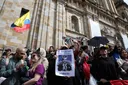


The measures also restrict services including construction, financing and advertising linked to illegal settlements, while Britain will refuse new arms export licences for weapons and other exports that "materially contribute to the occupation".
Particular attention has been directed towards the E1 settlement project in the occupied East Jerusalem, which London says threatens the territorial viability of a future Palestinian state.
Burnham said more illegal settlements had been approved during the current Israeli government's four years in power than in the previous two decades, while citing more than 1,500 incidents of illegal settler violence reported by the UN this year.
For Burnham, those developments have turned the survival of a two-state solution from a longstanding diplomatic objective into a question requiring immediate action.
"We have called for years for a two-state solution in the Middle East, but we must recognise that those words are meaningless unless we back them up with action," he said.
Miliband, speaking as a British Jew, noted the sanctions target government conduct rather than the Israeli people.
Burnham echoed this domestic distinction, warning that blaming British Jews for Benjamin Netanyahu's actions is "antisemitism, plain and simple," vowing total protection for local communities.
International reactions and Israeli retaliation
The dramatic shift triggered immediate international reverberations.
In a joint declaration, Burnham joined French President Emmanuel Macron and Canadian Prime Minister Mark Carney, alongside nine other European nations, in pledging coordinated restrictions on illegal settlement trade.
Israel reacted with fury.
Israeli Foreign Minister Gideon Saar announced punitive countermeasures: closing the British consulate in West Jerusalem, halting British training of Palestinian Authority security forces, removing UK liaison staff from the Kiryat Gat humanitarian hub, and barring a dozen British MPs—including Diane Abbott and Jeremy Corbyn—from entering Israel.
Washington, meanwhile, has made clear that it does not intend to follow Britain's approach.
US Secretary of State Marco Rubio affirmed that the Trump administration would not mirror the UK measures, warning of complications for peace talks.
Conversely, Palestinian officials and rights groups have taken the opposite view, portraying the measures as a long-awaited move from diplomatic criticism towards tangible consequences.
Palestinian Ambassador Husam Zomlot hailed the decision as a decisive turning point, marking the moment Britain moved "from words to action."