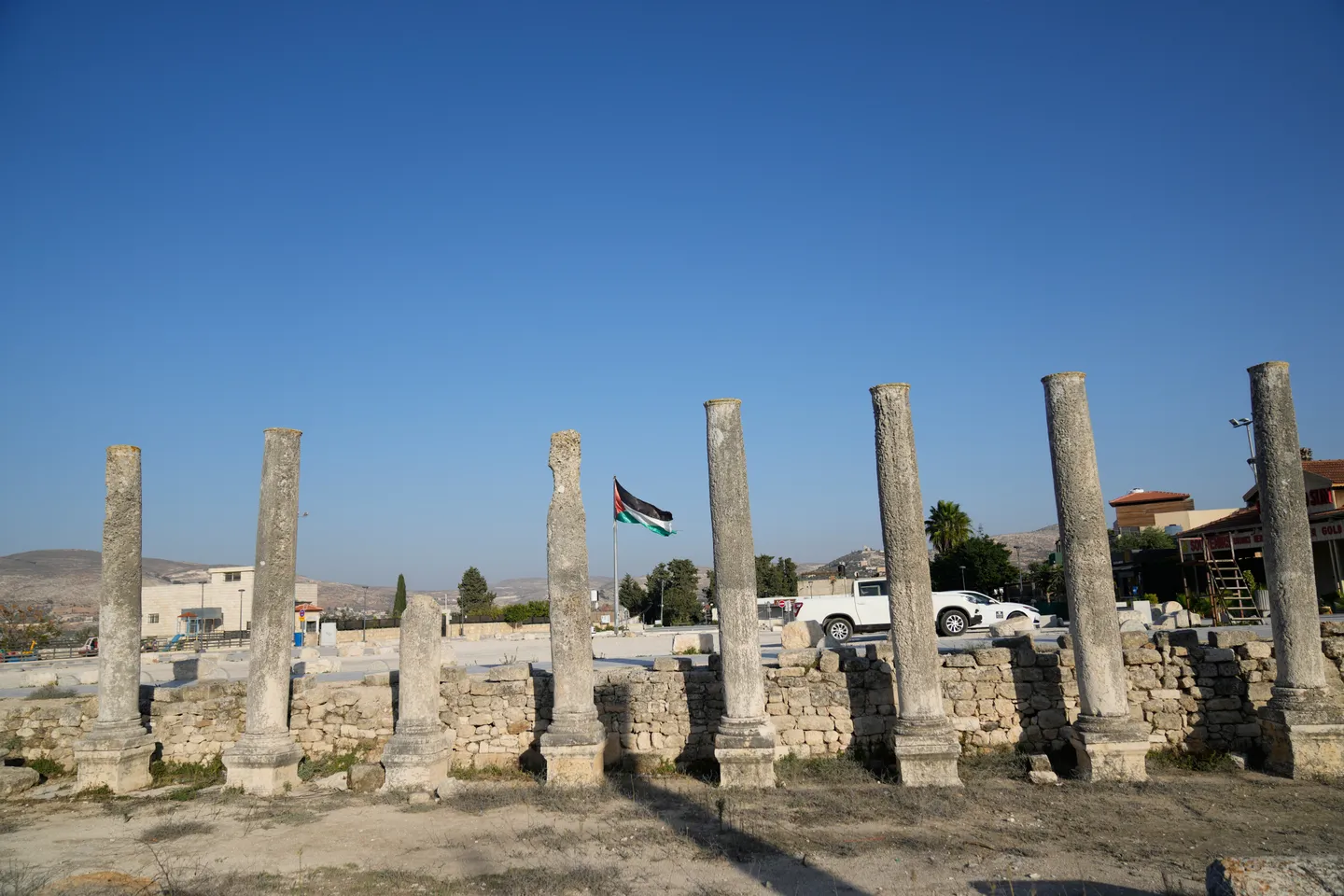
A UN committee voted on Friday to list a major archaeological site in the occupied West Bank and a set of castles in southern Lebanon as World Heritage sites, brushing aside objections from Israel, which had lobbied the committee to reject both bids.
The decision, made at a UNESCO meeting in Busan, South Korea, came just days after Israel's foreign ministry attempted to pressure committee members into blocking recognition for the Palestinian town of Sebastia in the occupied West Bank and the Lebanese castles in Mount Amel.
Illegal Israeli settlers continue to forcibly displace Palestinians from parts of the occupied West Bank, in a decades-long campaign of land theft. Friday's UN recognition marks a significant win for Palestinians, who have inhabited the region for centuries despite relentless efforts to uproot them.
Palestinian authorities have sought UNESCO recognition for Sebastia for over a decade, arguing that international protection is essential to preserve the site, which remains neglected under Israeli occupation.

The designation comes even as Israel presses ahead with plans to confiscate large swaths of land surrounding the site, all while facing mounting international pressure to rein in escalating illegal settler violence against Palestinians in the territory. Palestinian officials say Israeli authorities continue seizing land around Sebastia, further threatening the site's integrity and the communities that depend on it.
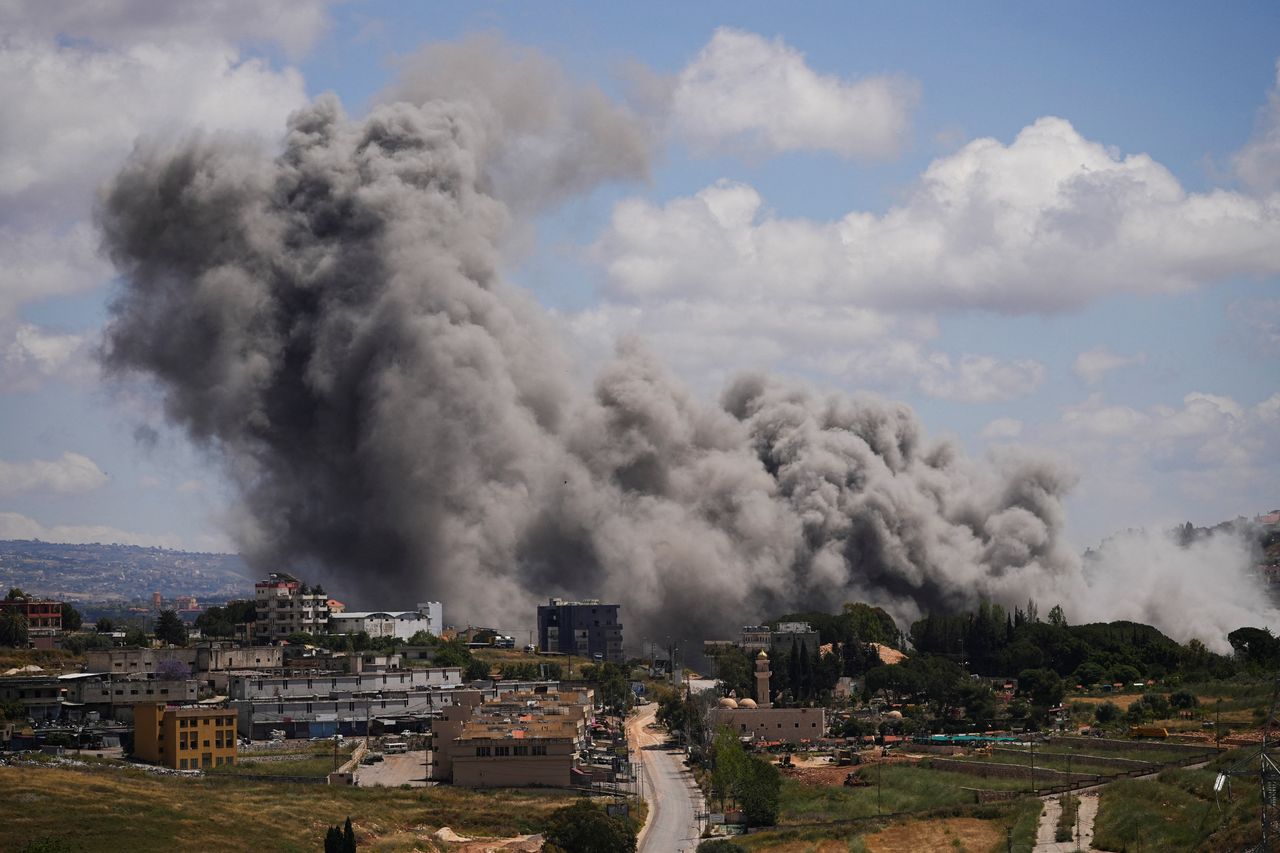
UNESCO placed Sebastia and five castles in Lebanon's Mount Amel area on both the World Heritage List and the List of World Heritage in Danger, fast-tracking the nominations on an emergency basis due to the immediate threat posed by ongoing Israeli aggression across the region.
The five castles in southern Lebanon are recognised for their richly layered architectural heritage, blending Crusader, Ayyubid, Mamluk and local influences that reflect nearly nine centuries of fortified architecture — heritage now placed at risk amid repeated Israeli strikes and military aggression across southern Lebanon.







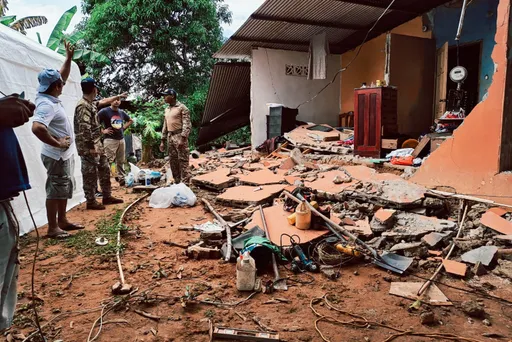
Israeli aggression in Lebanon has repeatedly targeted the country's religious and cultural heritage, with the destruction of the Salvatorian Sisters' convent in Yaroun among the starkest examples.
The French Catholic charity L'Oeuvre d'Orient said earlier this year that Israeli troops demolished the convent, condemning it as a deliberate attack on a place of worship and accusing Israel of systematically demolishing homes in southern Lebanon to block displaced civilians from returning.
Charity noted other Christian sites, including Melkite churches in Yaroun and nearby Derdghaya, were also damaged during the same period — part of what rights groups call a broader pattern of assault on Lebanon's heritage.
Israel's genocidal war in Gaza has devastated Palestinian heritage, with officials reporting 206 archaeological and cultural sites destroyed or damaged.
Losses include the Great Omari Mosque, one of historical Palestine's most significant mosques, the Church of Saint Porphyrius, believed to be the world's third-oldest church, and Anthedon Harbour, an 8th-century BCE port on UNESCO's Tentative World Heritage List. Palestinian officials call it a deliberate campaign to erase Palestinian identity and consolidate the occupation.