The US Federal Reserve has held interest rates steady, in line with market expectations, days ahead of crucial midterm elections where surging inflation has been a key issue.
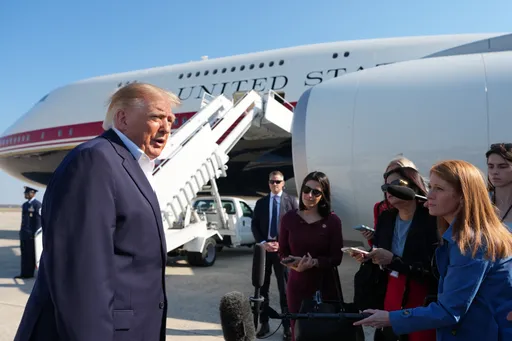
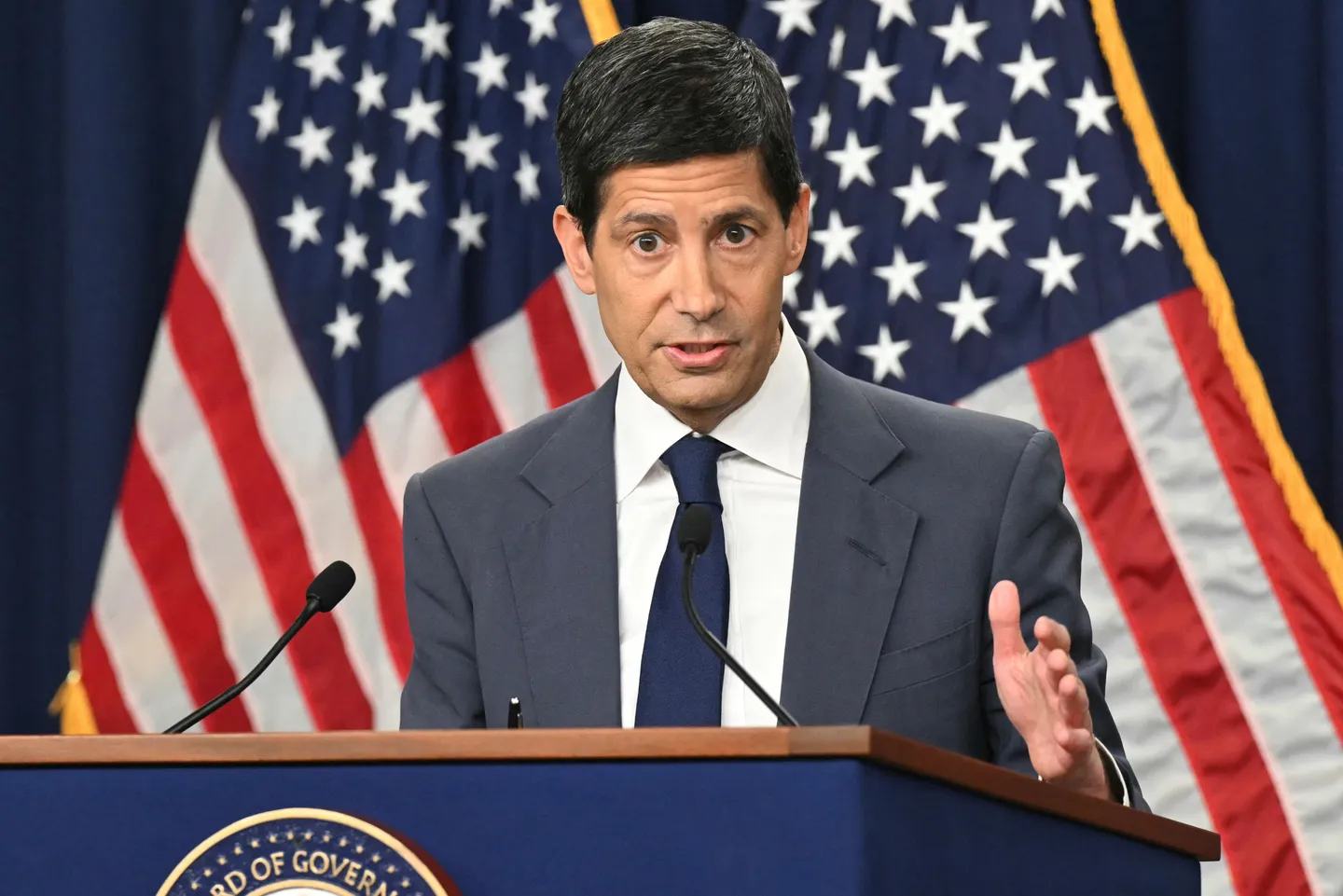
Federal Reserve Chairman Kevin Warsh, meanwhile, said on Wednesday that political considerations had no bearing on the central bank’s decision.
"Politics played no role in the decision. I just spent two days with my colleagues upstairs. I didn't hear an utterance about politics. I didn't hear a reference to politics, elections, what's happening in the next week," the Fed official said in a press conference.
The 12-member Federal Open Market Committee voted 10-2 to hold rates at a target range between 3.75 to 4.00 percent, citing the need for more data in the fight against inflation, after having hiked for the first time in three years at its previous meeting in September.
"The accumulation of more information will help the Committee determine the policy stance appropriate to ensure a timely return of inflation to the Committee's two percent goal," the Fed said in a statement announcing its decision.
Two members of the committee, Governor Lisa Cook and Cleveland Fed President Beth Hammack dissented, calling instead for an immediate 0.25-percentage-point rate hike.
The central bank has missed its long-term two-percent target for inflation for more than five years, with households and businesses battered by sustained price increases.
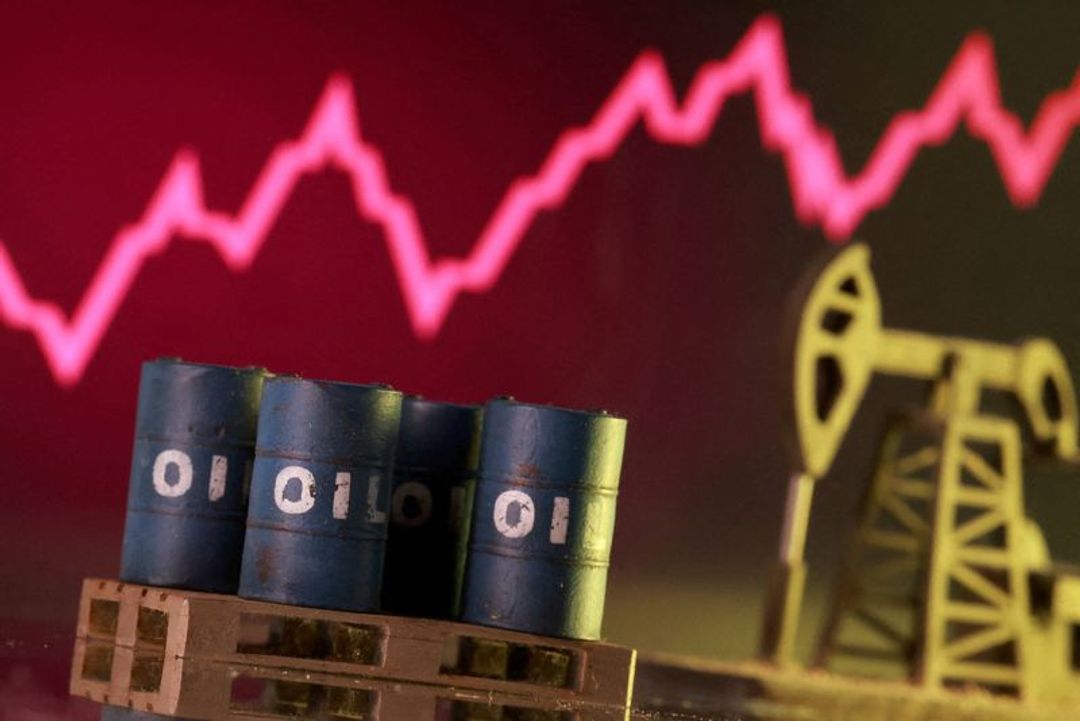
US war on Iran






US war on Iran, launched in late February, has sent energy prices skyrocketing and fuelled domestic inflation, alongside his wide-ranging tariff policies.
Prices have also been driven by an investment boom in artificial intelligence (AI) technology and the build-out of huge data centres to support it.
The decision comes six days ahead of the November 3 midterm elections, in which the Democratic Party is seeking to wrest control of both houses of Congress from Trump's Republicans.
President Donald Trump's handling of the economy has been a key issue throughout the campaign, with working-class households across the country struggling to make ends meet despite largely stable overall economic growth.
US consumer inflation came in hotter than expected in September, clocking in at 3.7 percent, edging back towards a three-year high established in May.
Still, key policymakers at the Fed — including Warsh — have signaled that they did not see an urgency to raise rates again immediately.
On Wednesday, the Fed said economic activity in the United States was expanding at a "strong" pace, upgrading its language from the FOMC meeting six weeks prior.