 Murat Sofuoglu
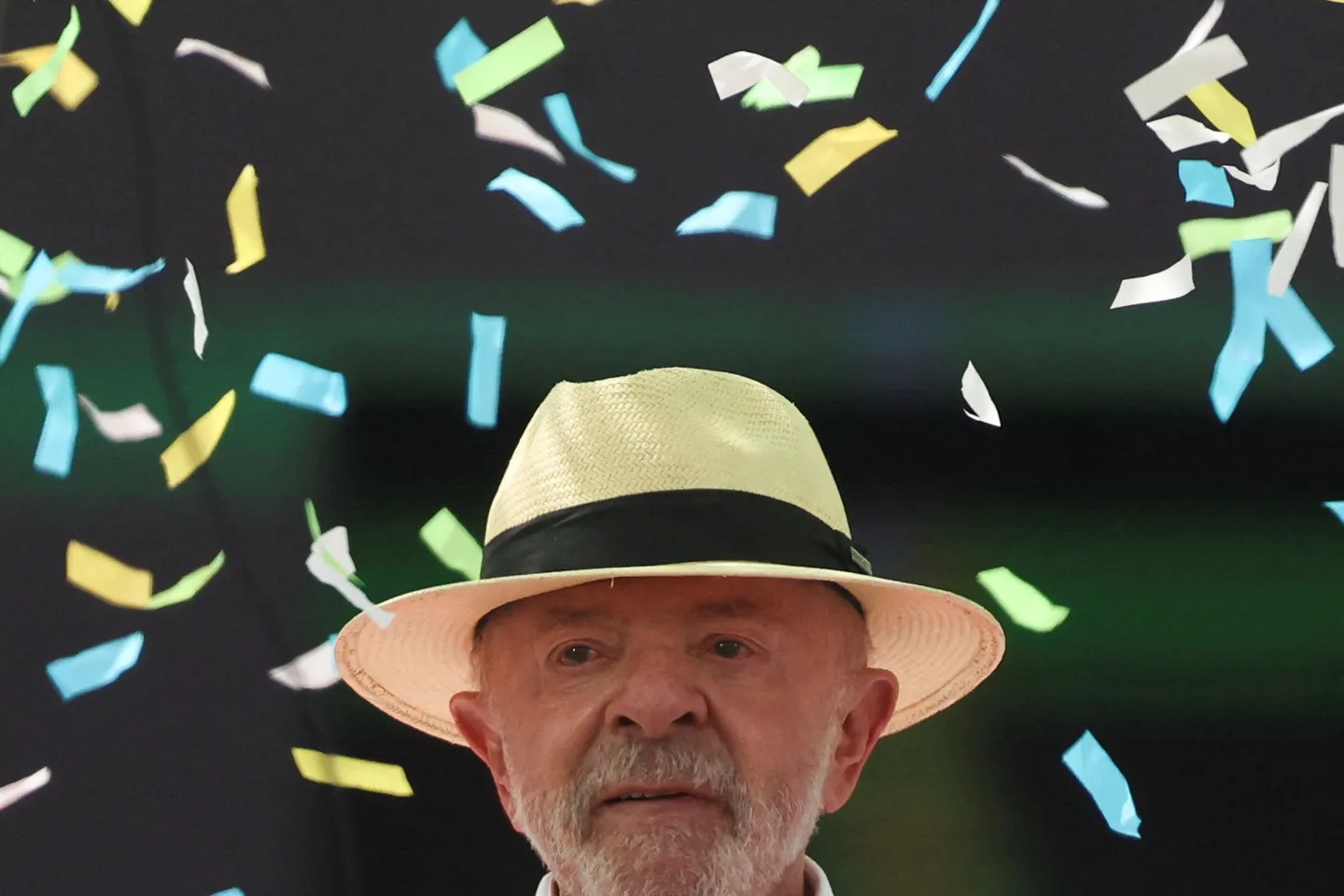
Brazil's incumbent president, Luiz Inacio Lula da Silva, secured an unexpected victory in Sunday's presidential runoff, overturning a first-round deficit to win an unprecedented fourth term.
No Brazilian presidential candidate had previously won a runoff after losing the first round. Yet Lula, the 81-year-old Workers' Party leader who once worked as a shoeshiner, gained more than 10 million additional votes in just two weeks.
The first round ended with Flavio Bolsonaro leading Lula 47 percent to 45 percent. Bolsonaro also secured a crucial endorsement from centrist Avante party leader Augusto Cury, who received 2.89 percent of valid votes.
The contest unfolded amid a broader rightward shift across Latin America, with right-wing leaders recently elected in Colombia, Chile, Peru and Bolivia, while Argentina already had a right-wing president.
How, then, did Lula overcome these odds?
Analysts say voter mobilisation, aggressive digital campaigning, and the 81-year-old politician’s personal appeal helped secure his unprecedented fourth presidential term in Brazil.
A Supreme Court decision to extend voting by two hours because of torrential rain and flooding in parts of the country may have also helped Lula. But the turnout figures alone do not fully explain his unexpected victory.
Nearly three million more voters turned out for the runoff, while an estimated 1.8 million people who had cast invalid ballots in the first round were assumed to have voted for one of the two candidates in the second.
Yet Lula secured 10.4 million more votes than in the first round. Even if all 4.8 million additional valid votes had gone to him, that would still leave 5.6 million votes to be explained by shifts in support among those who had already voted in the first round.
For Alfonso Insuasty Rodriguez, director of the GIDPAD research group at the University of San Buenaventura, the decisive factor was Lula's ability to transform “an existing electoral base into a broader social mobilisation”, attracting not only left-wing supporters but also a significant share of centrist and conservative voters.
Between the two rounds, Lula attracted new voters, mobilised those who had previously abstained and “secured support from people who had voted for other candidates”, Rodriguez tells TRT World.
But what persuaded so many centrist and right-wing voters to back Lula?
According to Rodriguez, two factors were particularly important: his campaign's nationwide political mobilisation, including a stronger presence on digital platforms such as WhatsApp, and “fears about a further entrenchment of Bolsonarismo”.
He says these concerns reflected growing anxiety among “broad sections of the popular classes” about their living conditions under a liberal government.
Despite his victory, Lula faces the challenge of governing without a legislative majority, with right-wing parties holding considerable influence in both chambers of Congress.
“Ultimately, Lula has won the presidency, but not a corresponding legislative majority. The central question is whether he can turn electoral legitimacy into effective transformative capacity without sacrificing the social programme in the name of governability,” Rodriguez says.
Appealing to populism
Lula also benefited from political campaigners with working-class backgrounds, including Andre Janones, a former bus conductor who used social media to launch aggressive attacks against the Bolsonaros.
Janones portrayed the father and son, both publicly aligned with US President Donald Trump, as defenders of Brazil's wealthy elite who favoured cuts to social welfare spending.
In the three weeks after the first round, Janones' pro-Lula WhatsApp channel reportedly grew from 50,000 followers to nearly 11 million, underscoring the leftist camp's digital campaign's intensity.
Rodriguez says Lula's victory also raises broader questions about the changing nature of populism, which has gained traction across Europe and the Americas.
“The concept requires clarification: populism is not exclusive to either the right or the left,” Rodriguez says.
He explains that both left-wing and conservative movements can appeal to populist sentiments and demands.
“Lula prevailed because he did not confront this current through ideological debate alone. He combined a political record recognised by sections of the popular classes, a defence of social policies and an electoral mobilisation strategy that adapted as the campaign progressed,” says the political analyst.
“The initial setback forced his campaign to correct its course and compete more vigorously across digital spaces, in everyday public debate and for the votes of those who did not fully identify with the Workers’ Party.”
The Workers' Party's campaign messaging also shifted between the two rounds. Its posters increasingly featured green and yellow, the colours of Brazil's national flag, rather than red, traditionally associated with the political left.
Lula also adopted a position long advocated by the Bolsonaro camp, announcing his support for lowering the age of criminal responsibility to 16.
External factors
Beyond his appeal to populist sentiments, Lula also benefited from longstanding Brazilian opposition to foreign intervention, particularly as Bolsonaro strengthened his ties with the Trump administration, according to analysts.
US President Donald Trump described the right-wing candidate's first-round success as a “great victory”, reinforcing perceptions of Washington's support for Bolsonaro. He was allegedly fled from Brazil after his election loss, according to new reports.
The Trump administration's political rhetoric, coupled with its “bellicose actions” towards Venezuela and Cuba and its so-called “drug boat” strikes in the eastern Pacific, “all tainted Bolsonaro by association,” James E. Mahon Jr., a professor of political science at Williams College and an expert on Latin American politics, tells TRT World.
Unlike Bolsonaro, who advocates a Trump-style economic model similar to that pursued by Argentina's Javier Milei, a staunch Washington ally, Lula has emphasised social programmes, strategic autonomy and regional cooperation as safeguards against foreign intervention.
The leftist leader has also championed BRICS, a grouping of major emerging economies, while strengthening Brazil's relations with China, which has increasingly challenged US influence in global economic and political affairs.
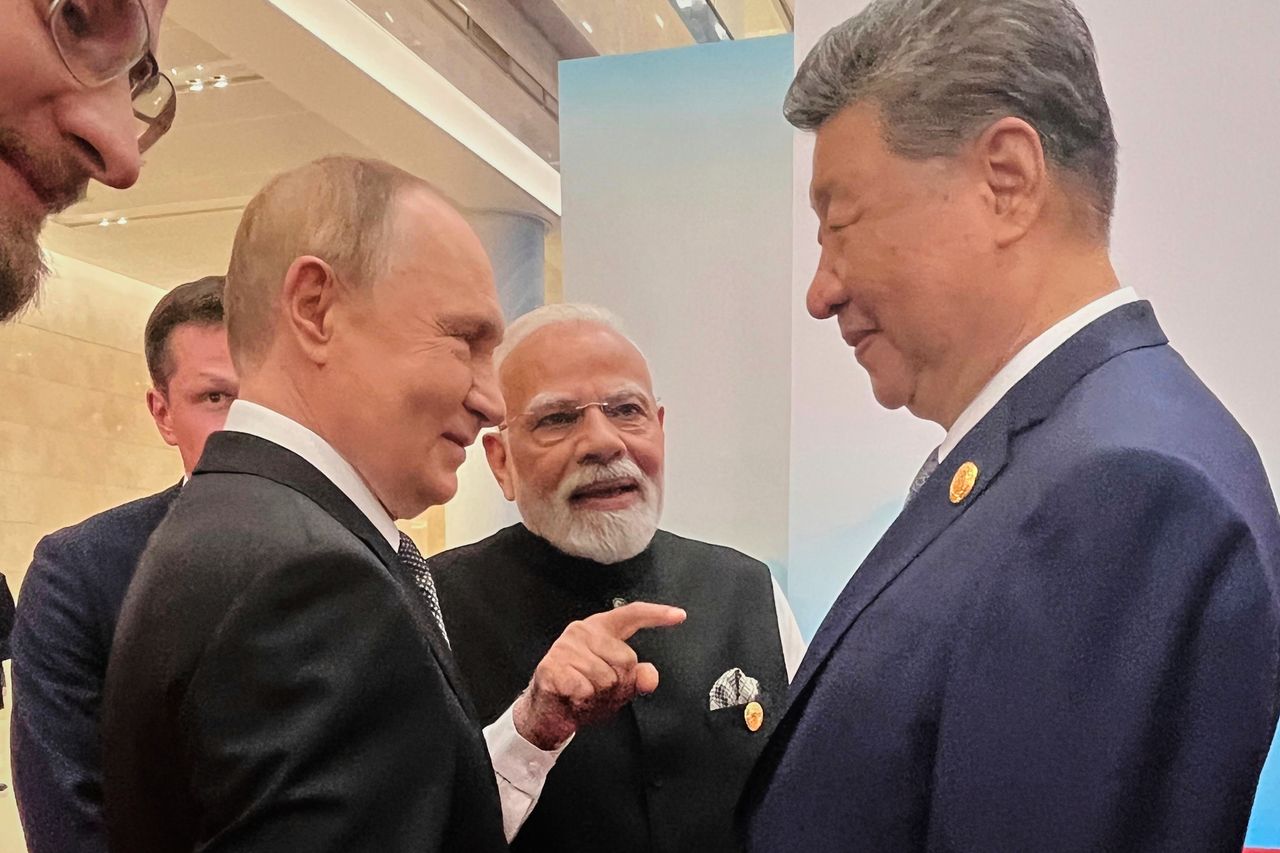
Lula has sought to expand Brazil's diplomatic influence on the global stage, drawing on the country's position as Latin America's most populous nation and largest economy, as well as its considerable natural resources, including rare earth minerals. He has also condemned Israel's actions in Gaza and other Palestinian territories as genocidal.
“Lula clearly articulated the direction he intends to pursue by stating that Brazil aspires to be a central, rather than a peripheral, nation,” Martin Alejandro Martinelli, a historian and sociologist who heads the Geohistorical Observatory at Argentina's National University of Lujan, says.
Martinelli says this vision resonated with Brazilians' aspirations for their country to play a greater role in global affairs.
“In this vein, he proposed developing domestic artificial intelligence capabilities and building national data centers, thereby reducing reliance on both China and the US,” Martinelli tells TRT World.
According to Martinelli, Lula's emphasis on technological self-reliance also helped broaden his electoral appeal.
Martinelli says his victory could have a “continental impact” with global implications, showing that governments that can build common ground with their populations can withstand US pressure.
“Brazil can coordinate positions with Mexico and other regional governments, providing both continuity and an alternative to a policy of unreserved alignment with the United States.”
Rodriguez also sees Lula's victory as significant for the wider region.
“The result places a political limit on Trump’s project of expanding US influence across Latin America through ideological alliances, trade pressure and security agreements,” he tells TRT World.
“The victory therefore weakens the regional advance of the Trump-aligned right, but neither closes the cycle of authoritarian politics nor guarantees structural transformation.
“It creates an opportunity for Latin American integration, although its reach will depend on coordination between governments, social movements and popular organisations.”