 Zeynep Conkar
The Israeli Knesset has just passed a law expanding the authority of rabbinical courts, granting religious tribunals the power to arbitrate civil disputes that had belonged to the secular court system for nearly two decades.
The bill was sponsored by the ultra-Orthodox Shas and United Torah Judaism parties. With the country at war and the opposition weakened, the coalition moved quietly on the home front.
Israel’s former prime minister Naftali Bennett reacted with fury. He said he would overturn the law as soon as the government is formed under his leadership, arguing that the measure “tears the people apart” and “grievously harms individual rights”.
“There will be no ‘state within a state’ here!” he added. That fury, raw and public and increasingly difficult to contain, was the sound of a country at war with itself.
The idea of a “state within a state” is central to understanding the issue, according to Gokhan Batu, an Israel analyst at the Centre for Middle Eastern Studies (ORSAM).
“Israel's judicial reform has stalled for years. The rabbinical courts law, by contrast, suddenly passed, which can be seen as a political bribe to keep the Haredi community inside Netanyahu's bloc,” Batu tells TRT World.
“The Haredi community is very closed, it has strict internal rules, and individuals cannot easily leave it. In such a structure, if there is a dispute, they don’t have the option of going to a secular court instead.”
“Even though the law formally requires both parties' consent, it creates a framework where disputes will almost inevitably be resolved within the Haredi system itself,” he adds.
Former PM Bennett is not a secular liberal. He rose politically from the national religious camp, long one of its most prominent figures. That someone with this background has become a leading voice defending civil judicial norms against ultra-Orthodox encroachment says something about how much the terms of Israeli politics have shifted.
According to Alon Liel, a former director general in the Israeli foreign ministry, the real focus of the secular-religious tension is the army rather than civilian life.
“The issue is that ultra Orthodox people do not join the army, and now, during the war, the burden falls mostly on the secular population and the national religious population, but not on the ultra Orthodox,” Liel tells TRT World.
“Israel faces serious security challenges and needs more soldiers, and part of the population refuses to serve. That is what truly frustrates the rest of society.”
But the tension between secular and religious communities is not meaningful enough to deteriorate into violence, he adds.
Secular-Haredi divide
The secular-Haredi divide is one of the oldest unresolved tensions in Israeli civic life, a question the state’s founders deferred and successive governments have managed rather than settled.
The Haredi community in Israel already operates within a largely parallel structure: separate schools, long-standing military exemptions, and religious courts that handle matters such as marriage and divorce.
The new law expands the reach of religious courts into disputes that could affect Israelis who never chose to live under that system.
“This is particularly problematic when it comes to gender equality. Women inside the Haredi community have virtually no chance of insisting their case be heard in a secular court,” Batu says.
“Bennett remains a figure at the centre of far-right politics; he positions himself in opposition to Netanyahu and conducts politics on a somewhat more secular basis. His statements are highly political and election-focused.”
“This was, in a sense, a political concession to the Orthodox parties. Even if the government collapsed today, Netanyahu would still benefit from the advantages of being the incumbent prime minister throughout this entire process.”
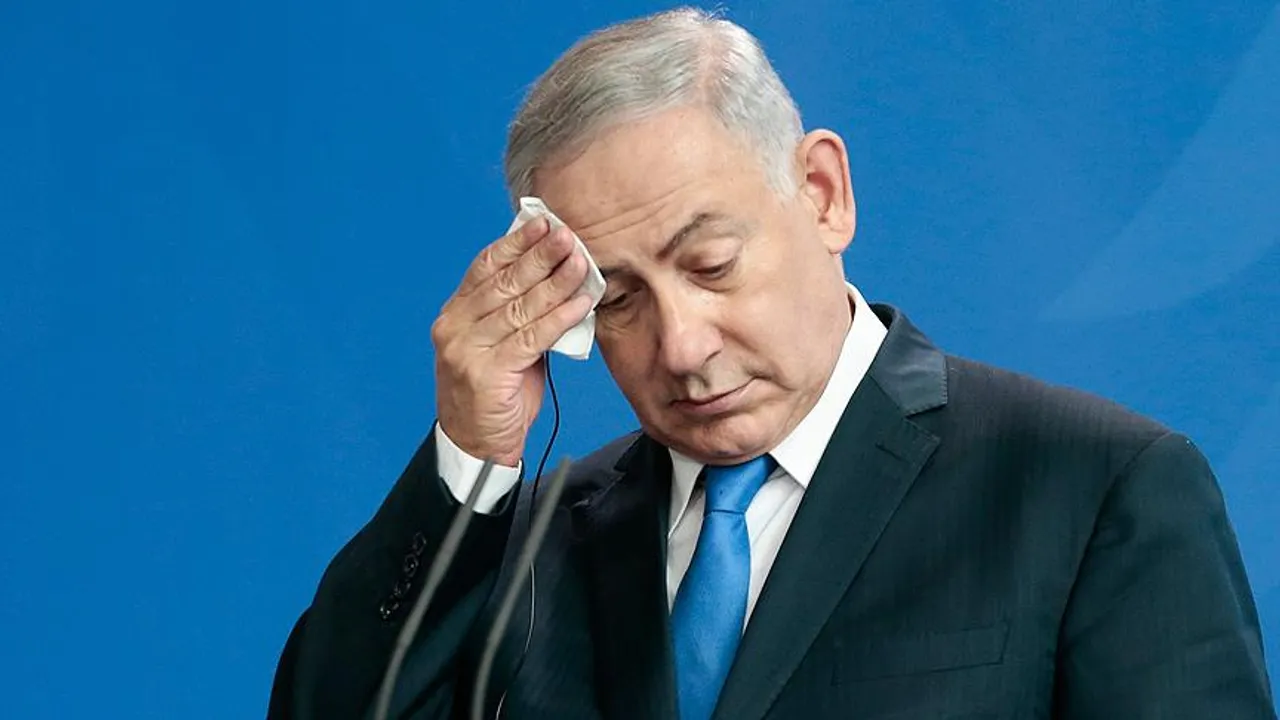
Shas and United Torah Judaism are the pillars of Netanyahu's coalition, and their continued support comes at a legislative price, the rabbinical courts law being the latest instalment.
“The fact that religious parties are part of the coalition is already changing the country in a more religious direction in many areas of life, including education and other spheres. We can feel this shift,” Liel says.

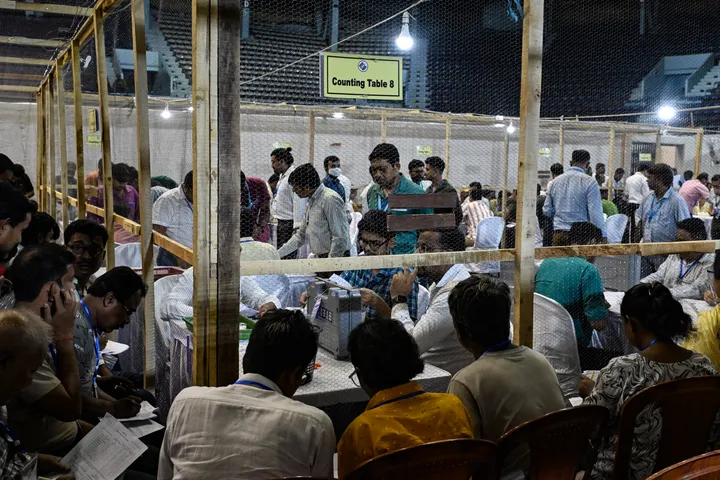



“If this authority is now extended into the court system, it will place another burden on the secular population. Secular Israelis may become angrier and will likely express that anger at the ballot box. But I don’t think this issue alone will be decisive,” Liel adds.
A society fracturing on multiple fronts
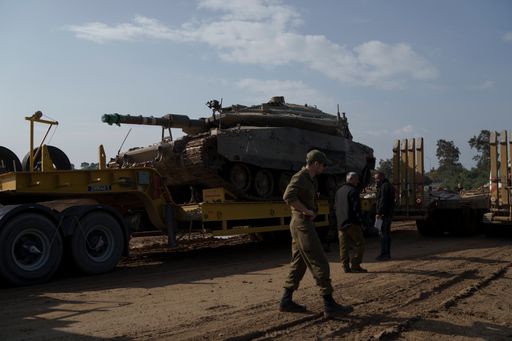
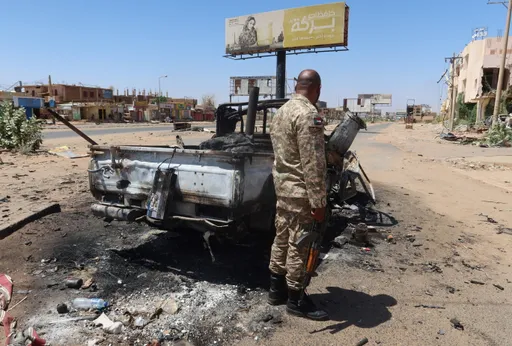
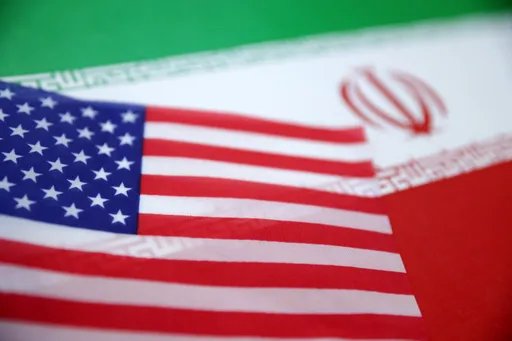
Israel's divisions run deeper than any single law. The country has been at war on multiple fronts – Palestine, Lebanon and Iran – for over two years, and the strain has made its way from the Knesset to the country's border communities.
Eitan Davidi, head of the local council of Moshav Margaliot settlements in northern Israel, was in tears on Thursday when he accused Netanyahu’s government.
"We're fighting for this country, but there's no state standing behind us. You've ruined Kiryat Shmona, you've demolished the border towns, you've left everything in ruins. What are you doing?"
On the same day, a few kilometres away, Avichai Stern, the mayor of Kiryat Shmona, was making the same case in a different room. Speaking to a forum of government ministry directors, Stern said he wakes up every morning feeling as if Israel, not its enemies, is fighting him.
“It doesn’t matter how we end the war in Lebanon or Iran. If we lose a city inside Israel, it will be the first time that happens.”
These are local officials, and they are furious with the government that is supposed to be protecting them.
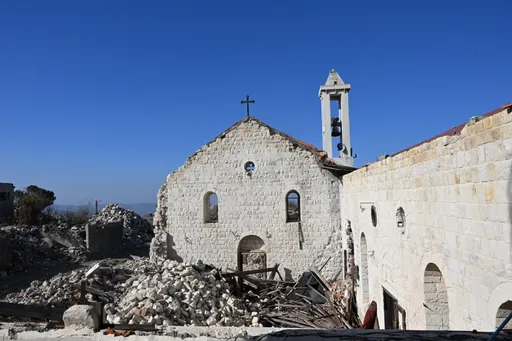
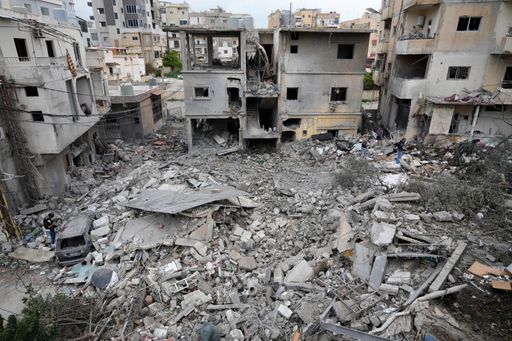
Since Hezbollah began its attacks following October 7, economic life in the north has deteriorated significantly because many residents moved south, and there has been serious physical damage from missiles and rockets, according to Batu.
“People wake up to sirens throughout the night, sometimes every hour, and have to run to shelters each time.”
“There is widespread anger that the government has not adequately addressed the suffering of these communities, people have lost their jobs, and those who became unemployed have not been sufficiently assisted,” Batu explains.
On Friday, Military Chief of Staff Eyal Zamir told a security cabinet meeting that the Israeli Army is heading towards a “collapse in on itself” amid manpower shortage.
"I am raising 10 red flags in front of you. Before long, the IDF (Israeli Army) will not be ready for its routine missions and the reserve system will not last,” he said.
According to Liel, what will influence the elections is the outcome of the war with Iran and Lebanon.
"The main factor would be if the war ends without Netanyahu being able to claim a clear victory. If Iran retains its military strength, its nuclear potential and the same regime, and the Israeli public feels the country did not win, that could cost him heavily."
"He will, of course, try to present the outcome as a victory, elections are expected within five or six months, and he will do everything to frame it that way. The question is whether the public will believe him," Liel argues.
Beyond the human toll, the wars have cost Israel billions of dollars.
According to the Bank of Israel's 2025 annual report, the country lost more than $57 billion, equivalent to 8.6 percent of its annual GDP, over two years of genocide in Gaza and war in Lebanon alone.
The ongoing war with Iran has since pushed the government to approve a further $13 billion in additional spending for 2026, while the central bank warned that the country's debt trajectory is now unsustainable without a multi-year fiscal plan.
And yet, with elections expected within months, the political bill will be due soon.