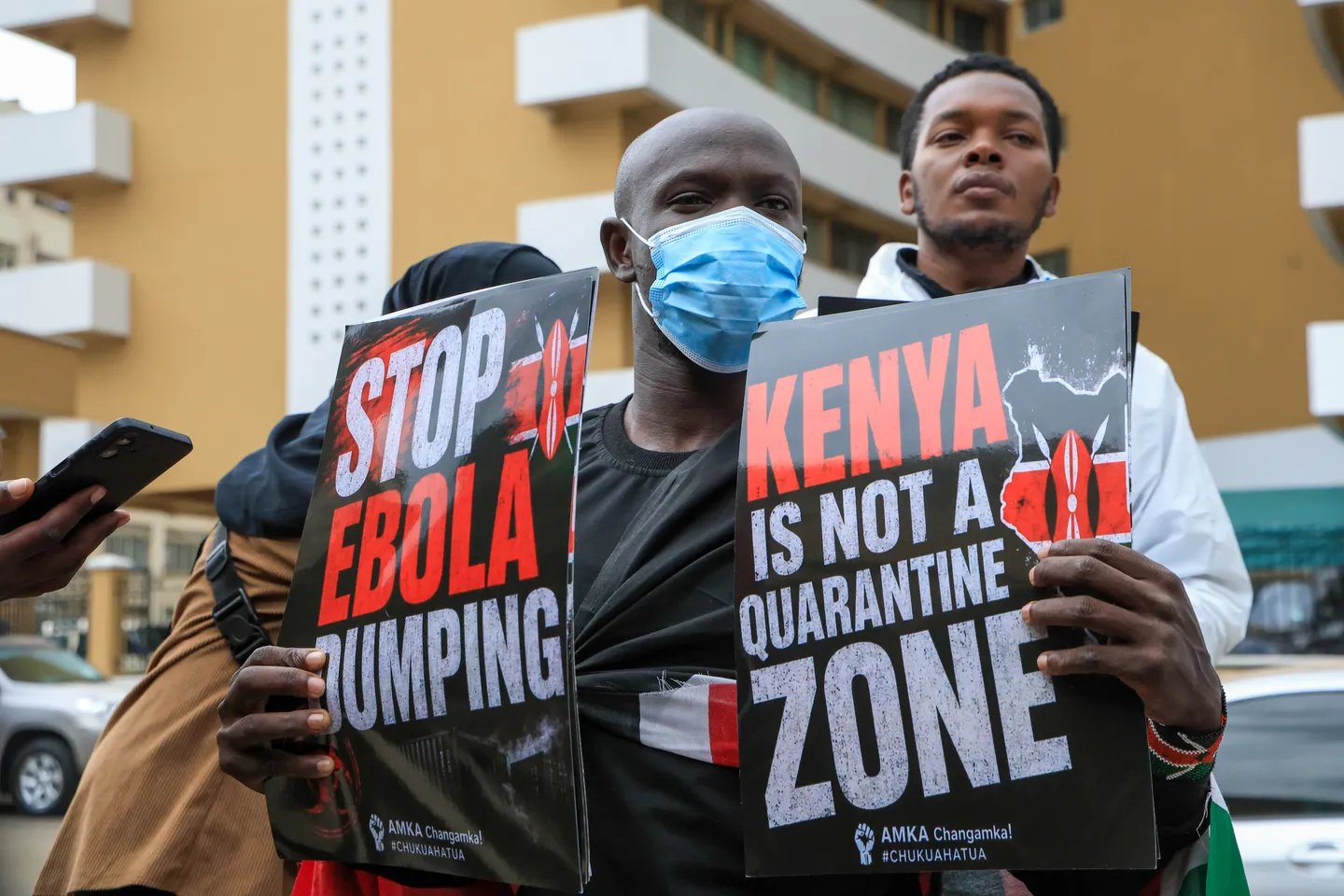
Kenya's president has defended the opening of an Ebola quarantine centre for US nationals after a Kenyan court extended by three weeks its suspension and ordered the government to disclose the agreement behind the project, which triggered protests that reportedly left two people dead.
Justice Patricia Nyaundi issued the orders on Tuesday after finding that issues raised in a constitutional petition challenging the facility required further consideration before the project could proceed.
The judge directed the government to make public the agreement and related documents underpinning the Ebola facility before the next court hearing.
The court also extended orders suspending the establishment and operation of the facility, as well as the admission of Ebola-exposed individuals, pending further proceedings.
The case was filed by Katiba Institute, a Kenyan constitutional and governance watchdog, which argues that the project raises legal, public health, and constitutional concerns and should not move forward without greater transparency and public participation.
The ruling came a day after hundreds of residents protested outside the facility in Nanyuki, about 200 kilometres north of the Kenyan capital, Nairobi.
‘Neither unique nor exceptional’
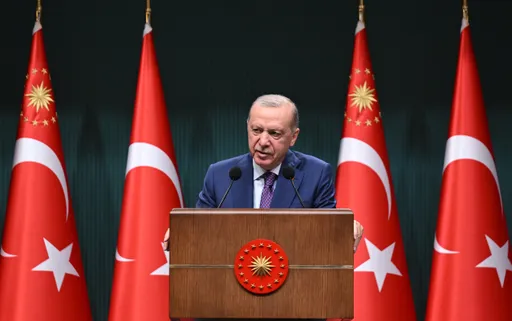
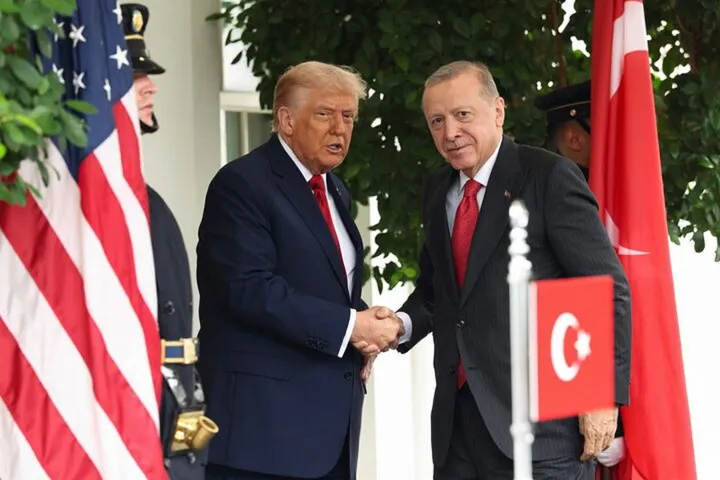
In a post on X, President William Ruto said the proposed US facility was "neither unique nor exceptional but part of a broader national preparedness system", adding that it "will be there to serve the people of Kenya and to serve our friends, including the Americans".
On Monday, he said: "I can assure the people of Kenya that the agreement between the government of Kenya and the American government is for the good of our country and for the partnership."
"Why would anybody want to politicise or mobilise negative politics on a matter so serious as a pandemic?" he continued.
"We are a responsible government. We know what we are doing. So people should relax."
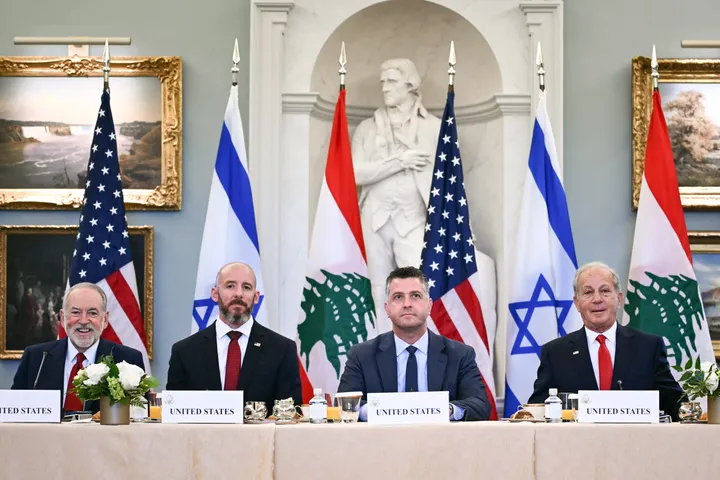

The US has defended the arrangement, with the Office of Jeremy P. Lewin, the US under secretary for foreign assistance, humanitarian affairs and religious freedom, saying Washington was aware of the court action and remained optimistic that concerns could be resolved through engagement with Kenyan authorities.
Violent protests
Kenya has not recorded any Ebola cases, but health officials have intensified surveillance and screening measures at airports, border crossings, and health facilities as authorities monitor the regional outbreak.
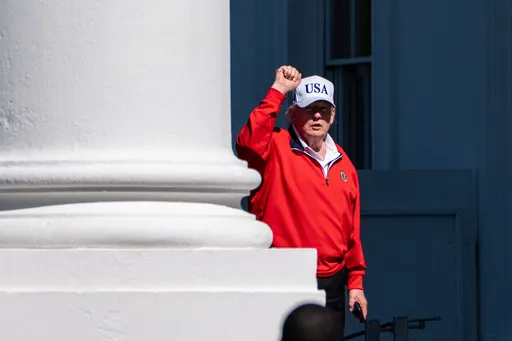
Ruto's comments are the first time he has publicly confirmed that US President Donald Trump requested the facility, putting the dispute at the centre of both Kenya-US relations and a growing domestic political controversy.
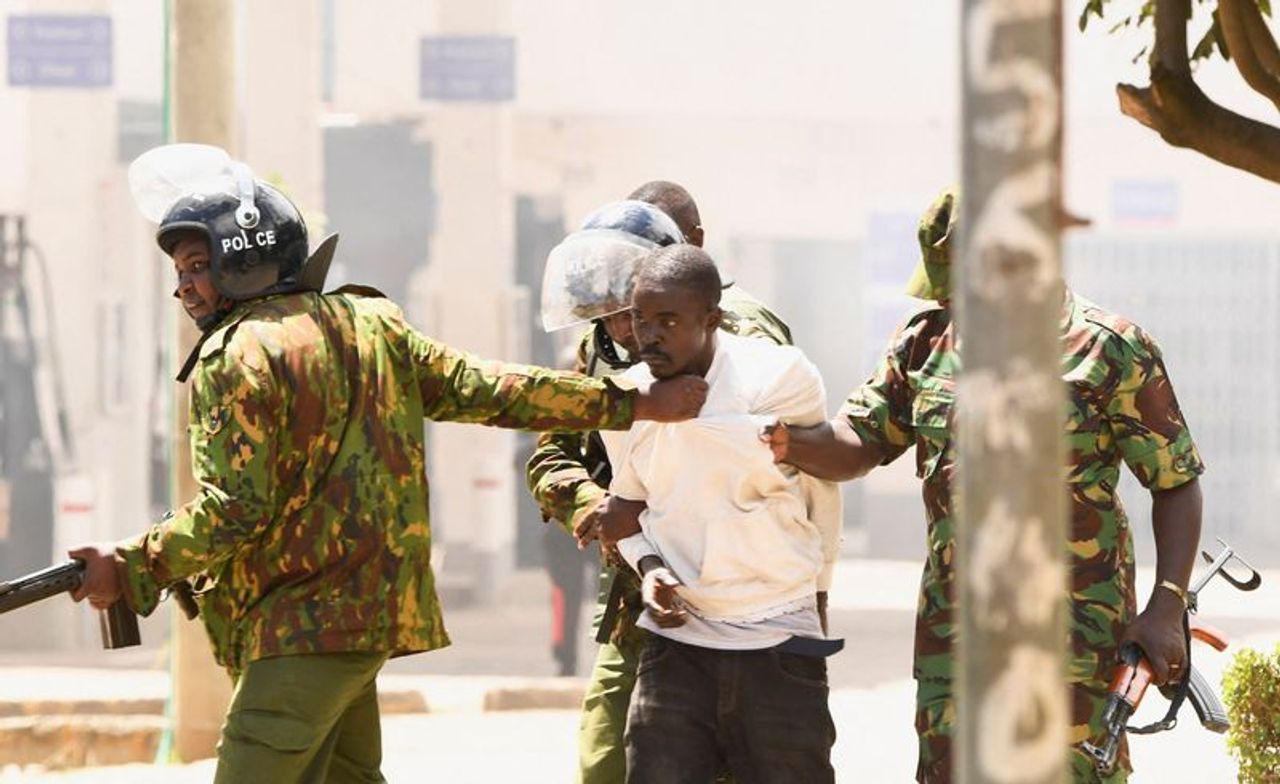
Violent protests broke out near the facility on Monday amid anger at the US using Kenyan soil and bringing Ebola patients to the country.
They were met with tear gas from the police.
Police, emergency services and the ICRC could not confirm reports of deaths during the protests. The ICRC said they had only heard of two injuries.
There have been more than 1,000 suspected cases of Ebola in DRC since the outbreak was declared on May 15, including nearly 250 deaths, the Africa Centres for Disease Control and Prevention said last week.