Gold edged lower on Friday, nearing its weakest level in almost three months as a sell-off in technology shares and inflation worries driven by costlier oil dented demand.
The metal traded at $4,015.63 an ounce at 0630 GMT, down $9.19, or 0.23 percent. It has lost 6.08 percent over the past month and 2.36 percent over the past year.
Slumping technology and artificial intelligence stocks led investors to sell bullion to cover losses elsewhere in their portfolios.
Worries about the cost of AI spending deepened after Meta Platforms outlined plans to raise capital expenditure, stoking fears that tech firms may borrow more to fund their expansion.
Climbing crude also weighed on gold by sharpening inflation fears and strengthening expectations that interest rates could stay high for longer. Higher rates typically dull the appeal of gold, which pays no interest, compared with assets that do.
Some support came from doubts over whether AI investment, a key driver of US economic growth, can be sustained. Those doubts led markets to scale back bets on further Federal Reserve rate hikes.

Oil and gas prices climb








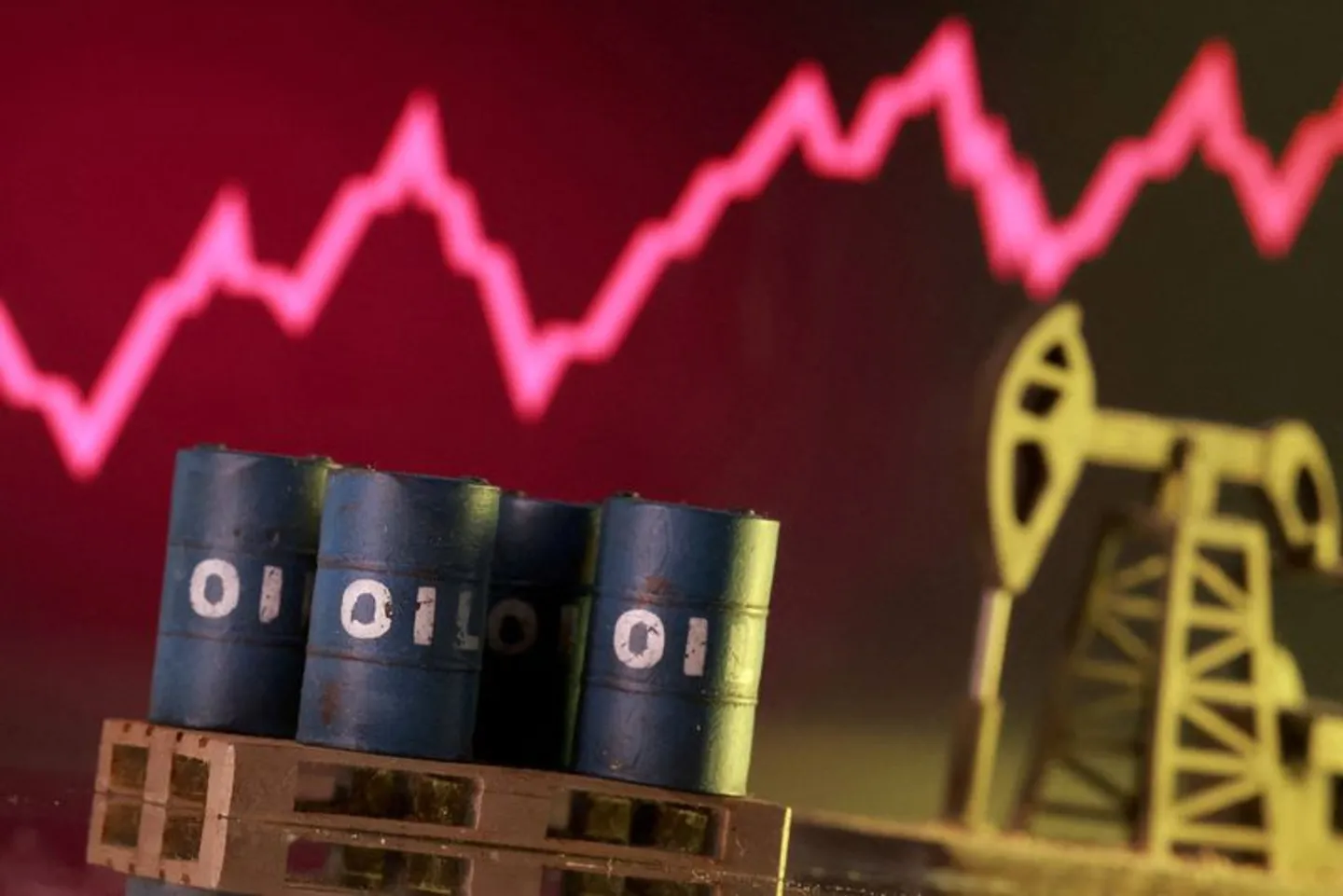
Energy markets also moved higher on Friday. Brent crude hit a more than five-month high, gaining 1.14 percent to $114.47 a barrel, while European natural gas reached its highest level since December 2022, rising 1.37 percent to €91.28 ($102.40) per megawatt-hour.
Crude was lifted by escalating attacks on Saudi targets and reports that the US and Israel could renew strikes on Iran after next month's US midterm elections.
Yemen's Houthi militia claimed responsibility for recent attacks on Saudi Arabia's Red Sea port of Yanbu, and reports suggested Iran's energy infrastructure could be among potential targets.
Despite regional tensions and threats to shipping through the Strait of Hormuz, Gulf crude exports have recovered to near prewar levels.
In Europe, gas climbed further as Middle Eastern liquefied natural gas (LNG) shipments stayed about 80 percent below year-earlier levels, sharpening competition between European and Asian buyers ahead of winter.
Gas storage stood at 74.62 percent of capacity on 22 October, the lowest for this time of year since records began in 2009. That leaves the region exposed to further supply disruptions and higher heating demand.