 Kazim Alam
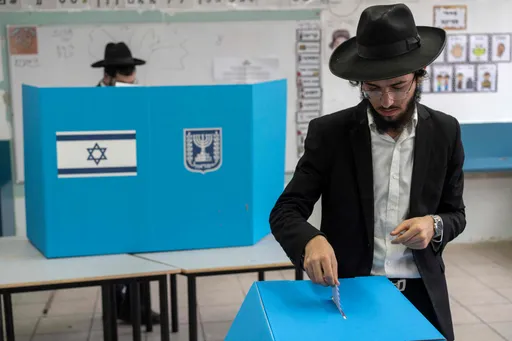
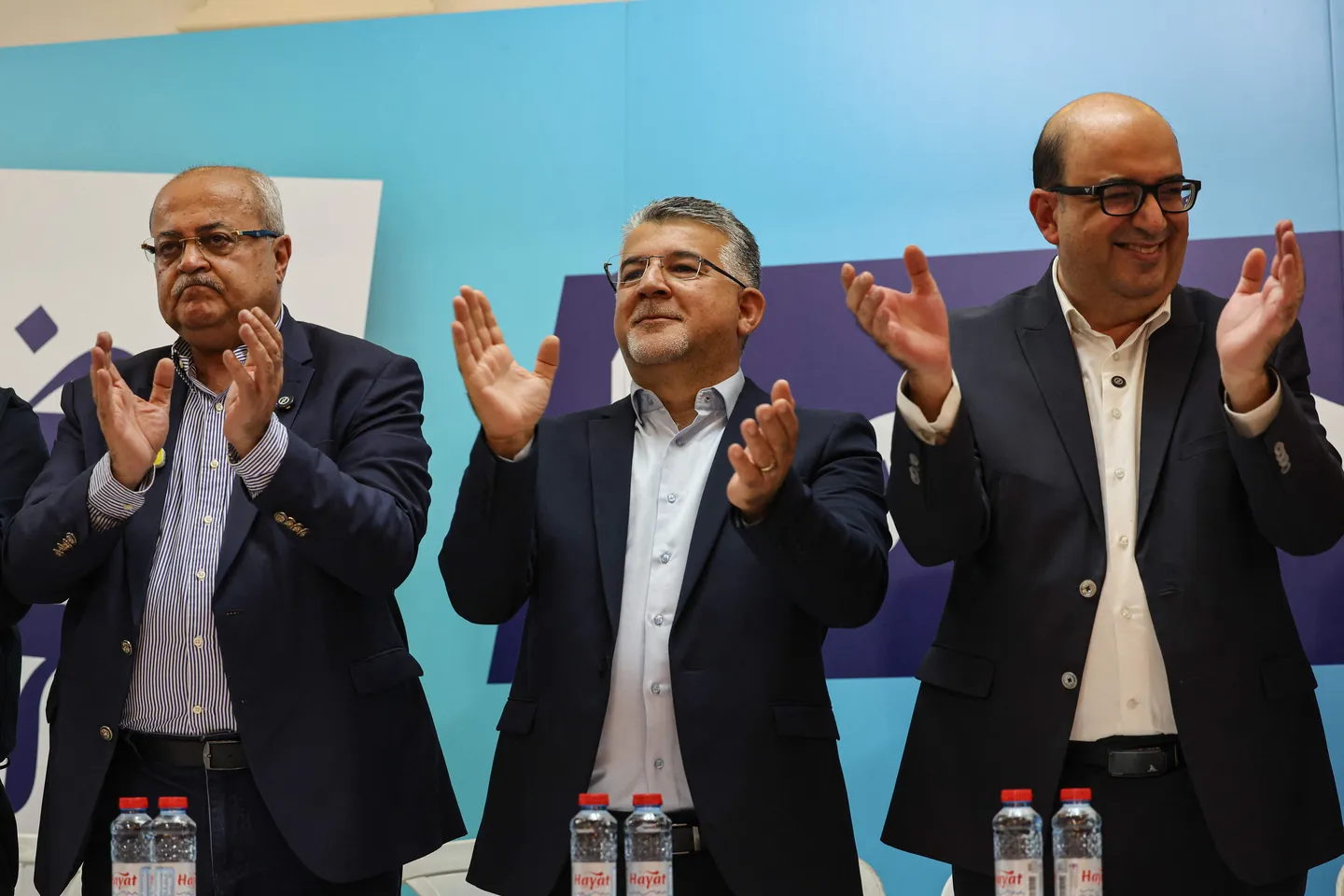
Arab parties, which are mostly supported by the Palestinian citizens of Israel, received a resounding victory in the October 27 election, changing the balance of power in the Knesset.
With roughly 90 percent of ballots counted as of Thursday, the two main Arab-led parties – the Joint List and Ra’am – are on track for a combined count of 19 seats.
Their total is nearly double the previous count of 10 and well above the 2020 record of 15 seats.
According to the latest tally, Netanyahu’s right-wing and ultra-Orthodox bloc is expected to win 53 seats, while the opposition bloc led by Gadi Eisenkot is set to bag 48 seats.
Neither Zionist bloc is expected to reach the 61-seat threshold needed to form a government in the 120-member Knesset.
The projected 19 seats give the Arab-led parties significant leverage in coalition negotiations, but they do not guarantee a place in government.
It creates an opportunity for the two Arab parties to assert their democratic credentials in a country where Palestinian Israelis have long been treated as second-class citizens.
The community, which lives in separate towns, consists of the people whose ancestors stayed put during the Nakba, the mass expulsion of over 750,000 Palestinians following the creation of Israel in 1948.
The level of discrimination against Palestinian Israelis, who now make up roughly 20 percent of the country’s population, has risen dramatically since the October 7 attacks three years ago.
Towns dominated by the Palestinian Israeli community saw a significant shift in voting patterns. Their turnout hit 80 percent, the highest in decades.
They voted in large numbers because of deep frustration with the most right-wing government in Israel’s history and its far-right ministers, who have vowed to “Judaise” parts of Israel populated by Palestinian Israelis.
Experts say Arab parties made electoral gains despite Netanyahu’s campaign strategy, which centred on delegitimisation of Arab political participation in coalition-building.
Netanyahu’s Likud party has already claimed that the election was “stolen by Arab parties” that “support terror and the elimination of the Jewish state” through bribery, threats, violence, forgeries and the use of illegal software.
Main members from both Zionist blocs have said they wouldn’t include Palestinian Israelis in a coalition.
Ferit Belder, associate professor of international relations at Istanbul’s Marmara University, tells TRT World that opposition leaders largely deferred the question until after the vote to avoid the political costs of “normalising” Arab politics in the first election after the Gaza genocide.
“Despite their electoral success, it is not guaranteed that the Arab parties will be able to translate this success into concrete gains and become part of the ‘legitimate circle of coalition-building’,” he says.
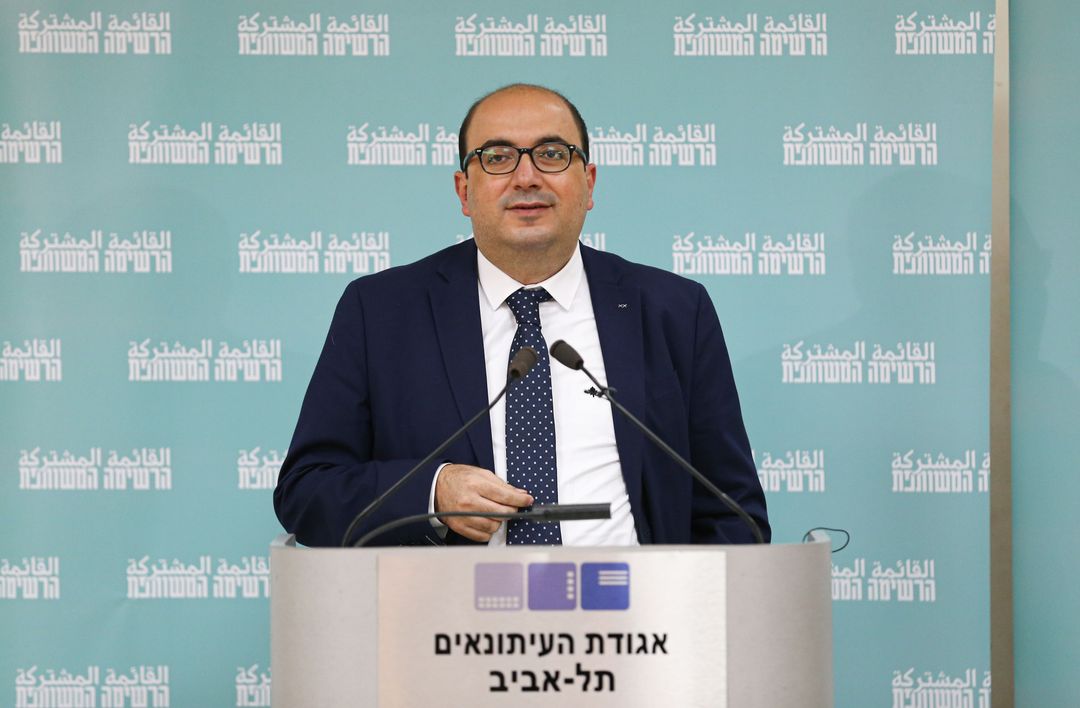
The Central Election Committee’s moves against Arab parties – left to the Supreme Court to resolve – further underscored the reluctance of Zionist parties to defend legitimate Arab participation, he adds.
Ozgur Dikmen, a scholar of Jewish politics, tells TRT World that Zionist politicians are more likely to frame the Palestinian Israeli gains as an element of insecurity and threat.
In a possible new cycle of elections, as seen between 2018 and 2022, such an “Arab threat” narrative would remain a useful tool for the right, he says.
A political force to reckon with
Numbers show the Zionist blocs’ dependence on Arab parties to reach a majority, raising the political costs of exclusion.
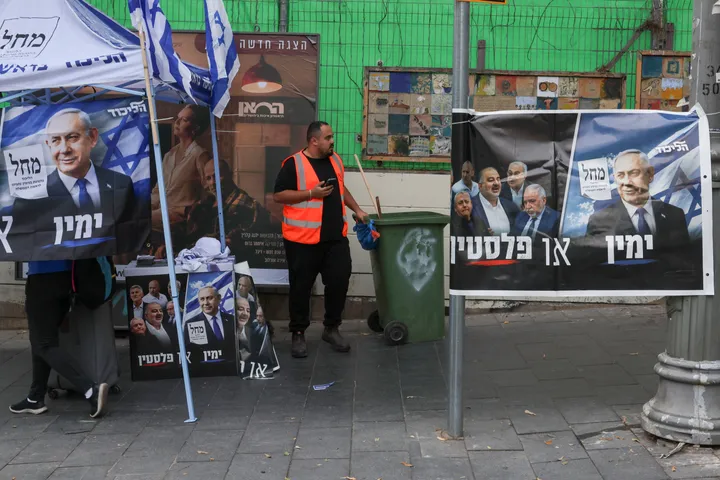
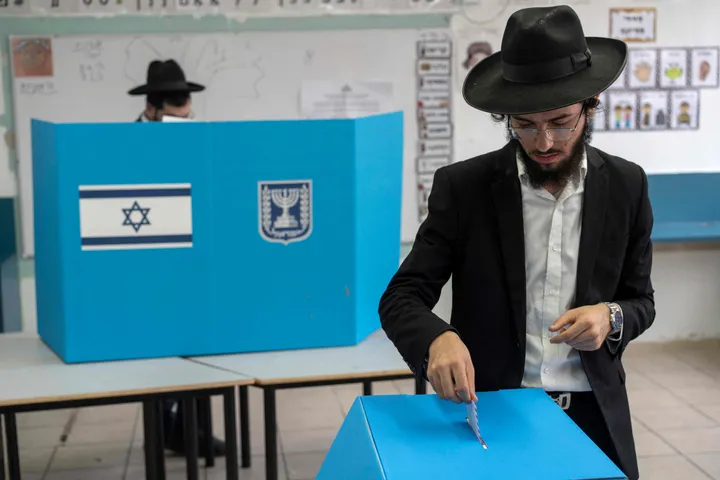
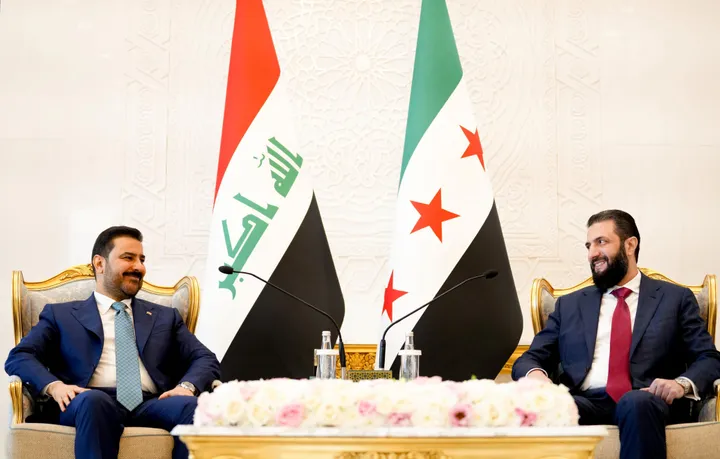




Gokhan Cinkara, director of Necmettin Erbakan University’s Global and Regional Studies Application and Research Centre, tells TRT World that the election results mark a significant turning point in Israeli politics.
He says the Arab parties have become a political force that can no longer be ignored.
“Anyone seeking to form a government will have to engage with the Arab parties in some way,” he says.
The two Arab parties approached the election with different strategies.
Ra’am, under Mansour Abbas, insisted on formal coalition membership to address the concerns of the Palestinian Israeli community.
Ra’am also joined the 2021 Bennett-Lapid government. Its integrationist approach and moves, such as placing former Yesh Atid lawmaker Yoav Segalovitz on the Knesset candidate list, already positioned the party as a potential coalition partner.
The Joint List, a union of communist Hadash, secularist Ta’al, and nationalist Balad groups, offered only external support for any anti-Netanyahu government in exchange for concrete improvements: stronger action against violence and crime, better housing, and the rollback of discriminatory policies of Netanyahu’s government.
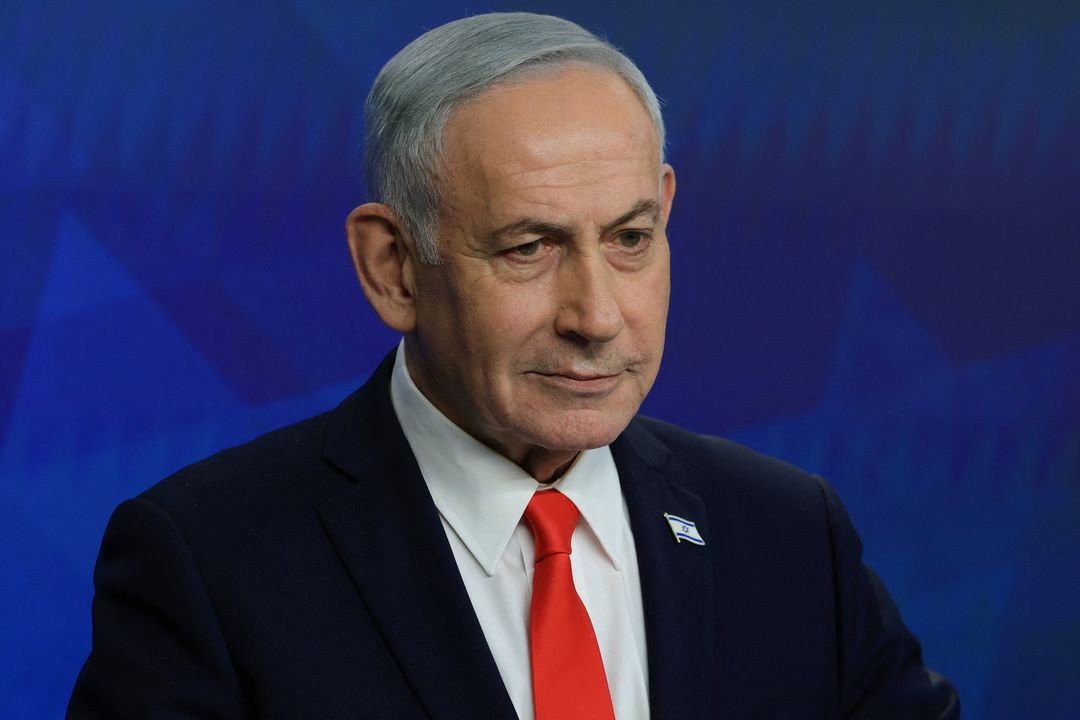
Dikmen says that the chances of “formal inclusion” of Arab parties in the coalition remain limited.
It might be slightly more possible for the Eisenkot bloc to accept a coalition supported by the Arab parties, particularly with figures such as Abbas willing to serve as supporting partners, he says.
“I do not think it would be very realistic to expect seeing a Palestinian-Israeli minister,” Dikmen says.
Belder notes that the main task for the Arab parties is to convert their Knesset seats into material improvements in the daily lives of the Palestinian citizens of Israel.
Abbas of the Ra’am party has long argued that parliamentary presence without executive power confines the parties to the “world of slogans”, Belder says.
In the Knesset, a larger and more confident Palestinian Israeli caucus can at least be expected to reshape debates on equality and minority rights, even if fundamental arguments over the character of the state remain largely unchanged.

Dikmen points out that since December 2022, the Ministry of National Security under far-right Itamar Ben-Gvir has made serious reductions in the security budget of Palestinian Israeli-majority towns, contributing to skyrocketing crime rates – one of the drivers of the high turnout.
“I think such a reaction would reflect itself in the attitudes of Palestinian members in the Knesset,” he says.
Belder anticipates that far-right efforts to undermine judicial authority and policies that harm Palestinian Israelis’ daily lives – performative home demolitions and the humiliation of residents under Ben-Gvir – can be reversed or restricted.
Settler violence in the occupied West Bank might also come under closer government scrutiny, he adds.
Cinkara notes that the Arab parties will play an important role in advancing opposition priorities, including the election of the Knesset speaker and the allocation of committee seats.
“The key challenge for the Arab parties will also be to offer their voters practical policies,” he adds.