 Kazim Alam
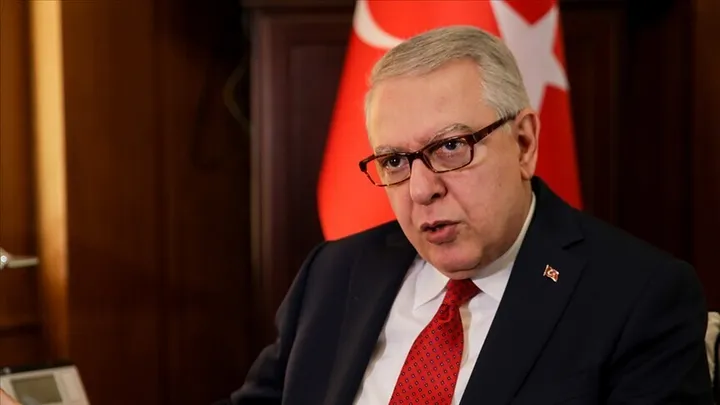
As the global aviation industry battles the fallout of rising energy prices following the US-Israeli war against Iran, Turkish Transport and Infrastructure Minister Abdulkadir Uraloglu reassured the public on April 22 that Türkiye faces “no jet fuel shortage”.
In fact, Türkiye has become a net exporter of jet fuel, a refined petroleum product used by commercial airlines, he said.
The price of jet fuel doubled worldwide amid the on-again, off-again blockade of the Strait of Hormuz, the narrow waterway through which roughly one-fifth of global oil trade passed.
Türkiye’s self-sufficiency in jet fuel puts the country in stark contrast to the turmoil engulfing much of Europe and beyond.
Major airlines, such as Germany’s Lufthansa, Scandinavian carrier SAS, and Dutch operator KLM, have cancelled thousands of flights to survive the jet fuel shortages.
At the same time, the International Energy Agency has warned of potential jet fuel shortages across Europe within weeks, as the region lost logistic access to Middle Eastern sources that met 75 percent of the continent’s aviation-sector needs.
The UK and Germany are the world’s top jet fuel importers. The war has led their airlines to raise fares ahead of the peak summer business season.
However, Türkiye has emerged largely unscathed from the ongoing jet fuel shortages.
In fact, the country has positioned itself as a regional aviation lifeline, thanks to two decades of deliberate policy choices, according to experts.
Ankara’s strategic investments in building refining capacity, supply diversification, and infrastructure have transformed the country into a self-reliant powerhouse and net exporter of jet fuel, they say.
Baris Alpaslan, a professor of economics at the Social Sciences University of Ankara, tells TRT World that Ankara’s successful handling of an otherwise serious global shortage of jet fuel is because of its multifaceted approach and years-long preparation for such vulnerabilities.
“Over the past two decades, Türkiye has pursued a combination of capacity-building, diversification, and strategic planning that proved critical during recent global fuel disruptions,” he says.
Key moves by Türkiye included modernising and expanding refining capacity to process crude into higher-value products, such as jet fuel, at scale, thereby reducing dependence on imported refined goods at high prices.
Ankara also diversified crude import sources to avoid over-reliance on any single supplier, he says.
It built strategic petroleum reserves, providing a buffer equivalent to roughly 90 days of net imports, while strengthening logistics infrastructure, such as pipelines, ports, and terminals, for uninterrupted supply and distribution, he adds.
Long-term agreements further secured crude supplies during periods of high volatility, he notes.
These policies have not only met Türkiye’s domestic needs, but also enabled it to become a net exporter of a key fuel that is the lifeblood of international travel.
Alpaslan says that the country’s integrated system now controls the full value chain “from crude import to refined output”, turning potential vulnerabilities into strategic strengths.
“Many countries faced jet fuel shortages not because crude oil was unavailable, but because they lacked sufficient refining capacity to convert it into usable aviation fuel,” he says.


Türkiye’s model mitigates exposure to global bottlenecks, ensures continuity, and generates surplus for export, demonstrating that local refining is a “strategic asset”, transforming Ankara from being a vulnerable importer to one that is “resilient, and even supportive, player” in global energy markets.
A refuelling oasis
Yasar Sari, director of the Haydar Aliyev Centre for Eurasian Studies at Ibn Haldun University, tells TRT World that Türkiye’s energy infrastructure shows that local refining capacity can decouple fuel security from crude oil availability.
Although Türkiye imports more than 90 percent of its crude oil, its refining capacity of over 815,000 barrels a day enables it to process a range of crude grades – including Russia’s primary export blend Urals available at discount because of the Ukraine war – into high-value products such as jet fuel and diesel, he says.
TUPRAS, Türkiye’s largest oil refiner, alone meets about three-fourths of Türkiye’s jet fuel demand. “This ‘conversion-heavy’ model allows Türkiye to prioritise its domestic aviation sector, even when global product markets are tight,” he says.
Sound planning and investments over the decades seem to have paid off for Türkiye during the latest surge in global energy prices.
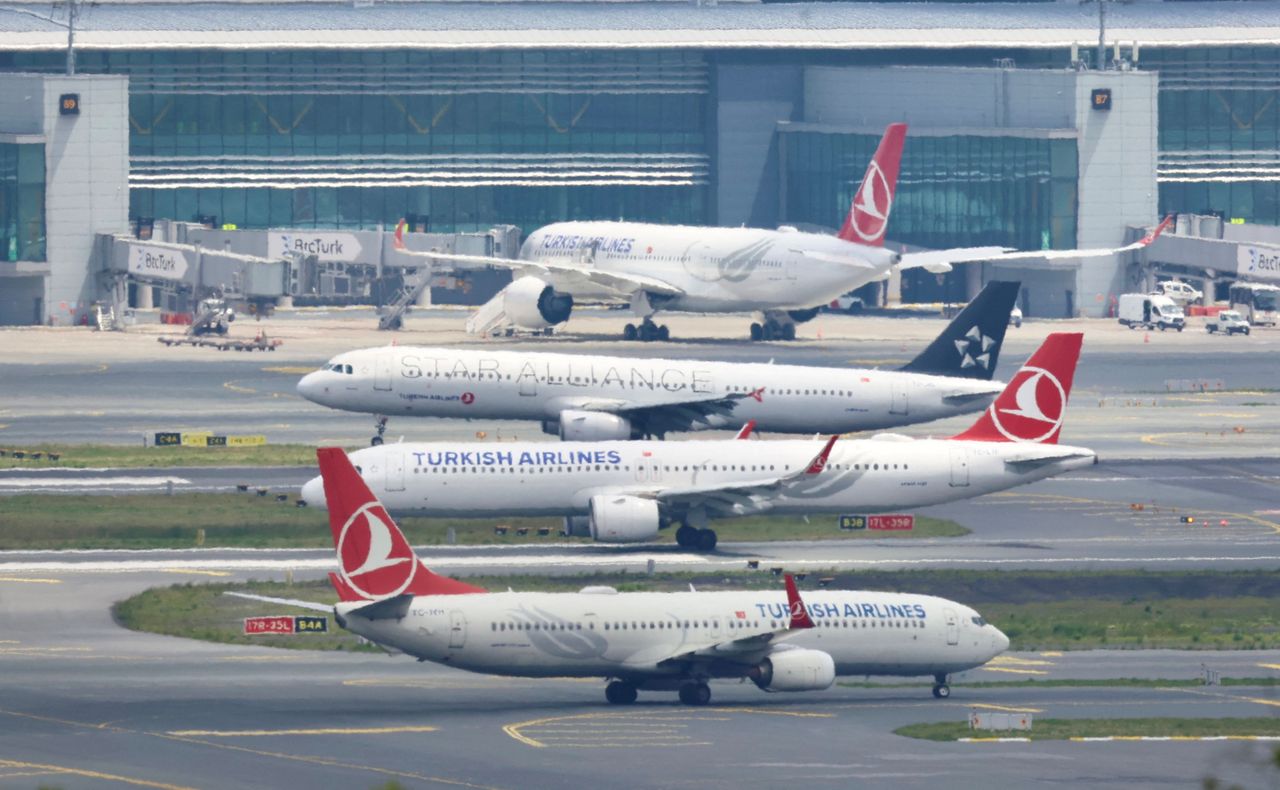
While European hubs grapple with fuel shortages and flight cancellations, Istanbul Airport – the world’s most-connected aviation hub – operates smoothly as a “bunker”.
Sari describes Türkiye as a “refuelling oasis”, where international carriers facing fuel shortages at home bases increasingly make “technical stops”.
“This strategy helps them avoid the dry pumps in Europe and Asia, making Türkiye a crucial link in sustaining global air connectivity during the greatest energy security threat in history,” he says.
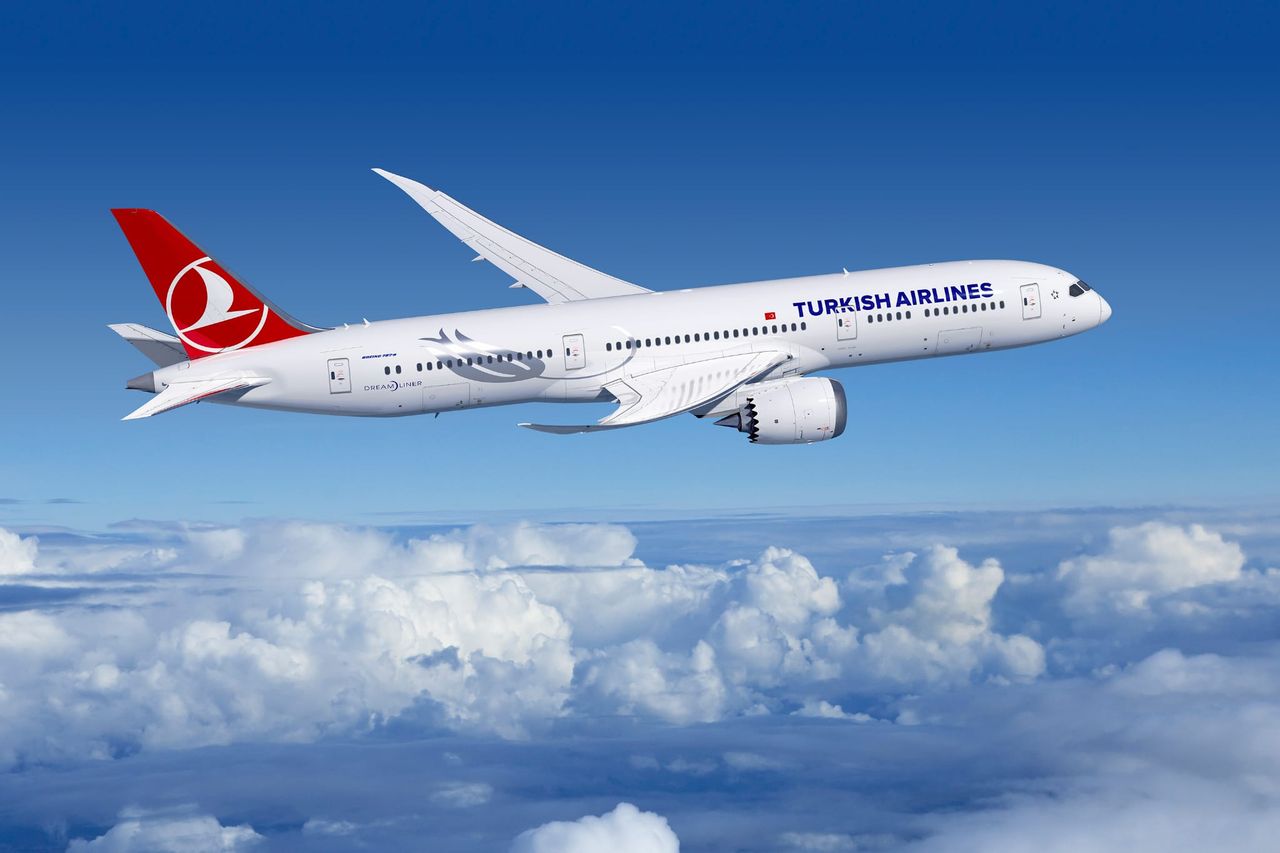
Looking ahead, both experts foresee Türkiye’s position strengthening its role as a regional energy and aviation hub.
Alpaslan anticipates that the contrast with shortages elsewhere will boost Ankara’s influence: airlines may reroute via fuel-secure Turkish airports, enhancing competitiveness for Turkish carriers such as Turkish Airlines and Pegasus and increasing traffic at hubs such as Istanbul.
“Türkiye’s position reinforces its ambition to become an integrated energy and logistics hub, where fuel security directly supports aviation growth,” he says.
In the long term, this can yield greater geopolitical and commercial leverage as a key node linking energy supply chains with global air transport, he adds.
Sari expects even bigger gains, saying the ongoing global energy crisis has showcased the reliability of Türkiye’s refineries, pipelines, and LNG terminals – which are bound to attract long-term investments in transit and logistics infrastructure.
A landmark agreement between TUPRAS and Turkish Airlines to produce Sustainable Aviation Fuel (SAF) by 2026 positions the country at the forefront of “green” aviation, offering a competitive edge as EU carbon rules tighten.
“By refining crude oil from different sources and providing the essential refuelling lifeline, Türkiye is evolving from simply being a transit country to becoming a value-added hub,” Sari says.
No longer merely a bridge, the country now functions as a “crucial factory” that keeps global commerce moving when alternatives get disrupted.
“The 2026 fuel crisis has transformed Türkiye’s refining capacity from a domestic industrial asset into a strategic regional shield, ensuring that while much of the world’s aviation was grounded, the Turkish Corridor remained open,” Sari says.