 Husam Maarouf
Two years after Israeli forces killed five-year-old Hind Rajab as she waited for rescue in Gaza, the military has acknowledged responsibility for firing on her family's car and the Palestine Red Crescent Society ambulance sent to save her.
For many, the announcement of a criminal investigation marks a significant development in one of the genocidal war's most emblematic cases.
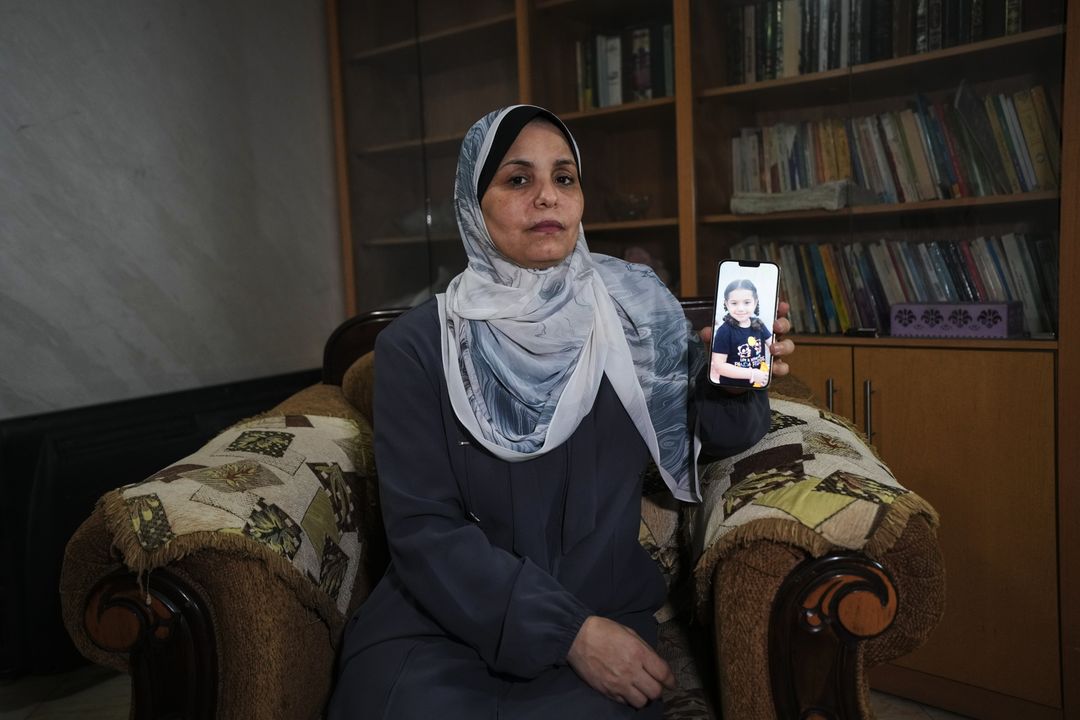
For Hind's mother, Wessam Hamadah, it changes little.
Justice, she says, cannot be measured by a military investigation while Palestinian children continue to die. Hind's killing came to symbolise the suffering of Gaza's children.
"Justice is that the war stops," the 30-year-old tells TRT World in an interview over the phone.
On January 29, 2024, Hind and her family were fleeing Gaza City after being ordered by the Israeli military to evacuate.
As they drove away, Israeli forces opened fire on the black Kia carrying them, striking it with more than 300 bullets, according to investigations.
Hind's uncle, who was driving, and other relatives were killed. Her 15-year-old cousin, Layan, managed to speak by phone with Palestine Red Crescent Society (PRCS) dispatchers before she too was killed.
Hind, the only survivor, remained trapped inside the car for hours, surrounded by the bodies of her relatives. She repeatedly called PRCS, pleading for help.
After coordinating access, the organisation dispatched an ambulance to rescue her, but eventually lost contact with both Hind and the paramedics.
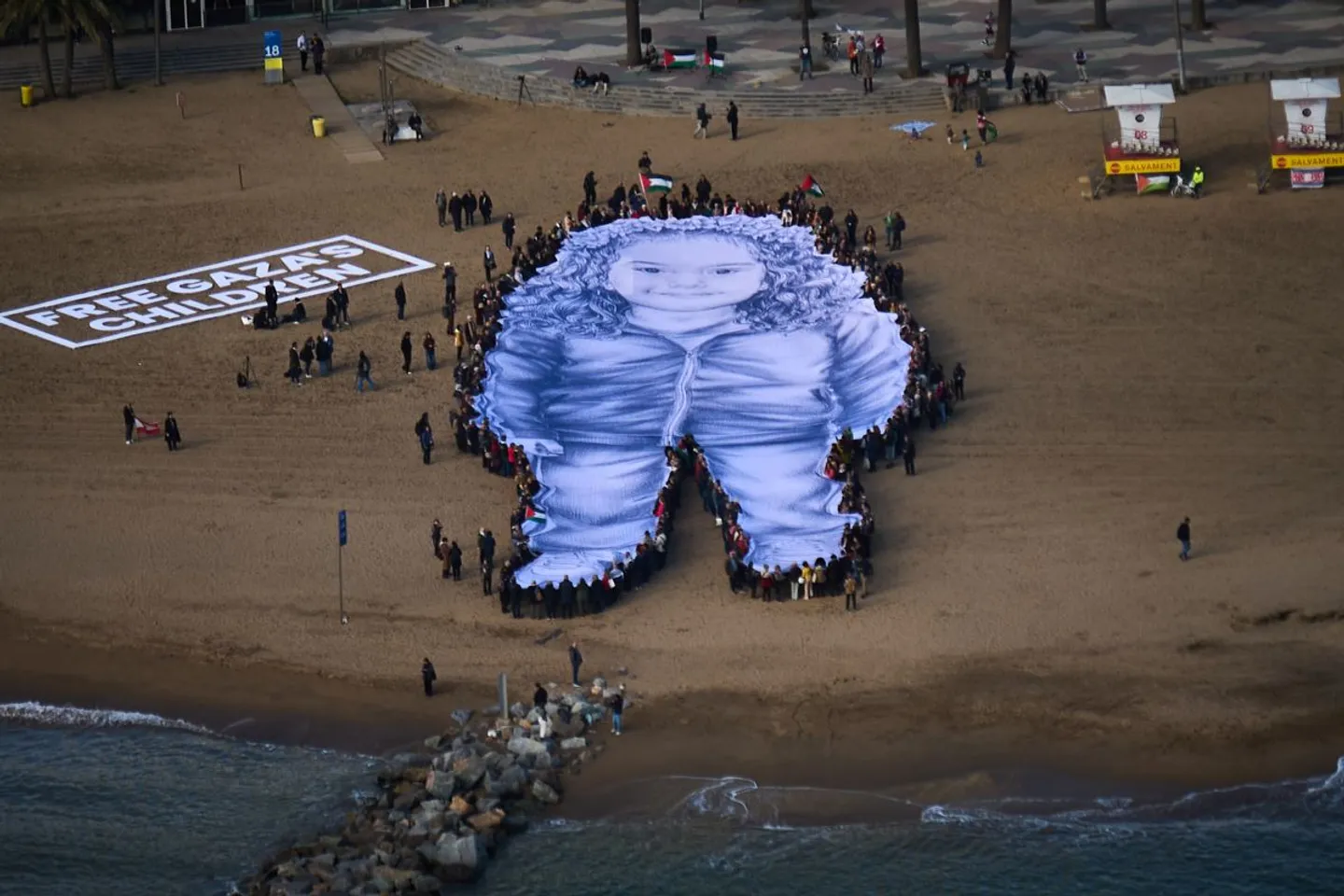
Hind Rajab’s final pleas for help resonated far beyond Gaza, turning her into a global symbol of the war’s toll on children and inspiring ‘The Voice of Hind Rajab’, an internationally acclaimed docuseries that won the Grand Jury Prize at the Venice Film Festival and earned BAFTA and Academy Award nominations.
Israeli authorities initially denied their forces had been operating in the area where she was killed.
Following a series of journalistic investigations, the Israeli forces acknowledged carrying out operations against what it described as "terror targets" in Gaza City that day, and in January said it had begun reviewing the incident.
On Wednesday, it announced a criminal investigation, citing "an alleged failure in the coordination of the movement of the Palestine Red Crescent ambulance."
It also admitted for the first time that its forces had "fired at a vehicle that was approaching them," acknowledging they had opened fire on the car carrying Hind and her family.
Criminal investigations into alleged misconduct by Israeli forces in the killing of Palestinians, however, have rarely resulted in convictions.
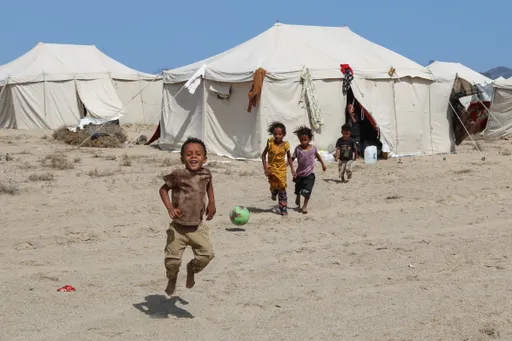
Since the genocidal war on Gaza began in October 2023, multiple ceasefire agreements have been declared, collapsed or failed to hold. Yet one reality has remained unchanged: Palestinian children continue to bear the brunt of the violence.
More than 64,000 children were killed or injured between October 7, 2023, and October 7, 2025, according to the UN.
Even after a ceasefire deal took effect on October 10, 2025, the violence persisted. At least 300 children were reportedly killed in Gaza over the following 300 days.
"A ceasefire that leaves an average of one child dead each and every day is failing children," UNICEF Middle East and North Africa Regional Director Edouard Beigbeder said on August 6, 2026.
"With hundreds more children injured, many severely, children in Gaza are still waiting for the end to the violence they were promised."
‘Mama, I am sorry’
More than two years after Hind was killed in Gaza, Wessam says she still sees her daughter in the ordinary spaces of daily life.
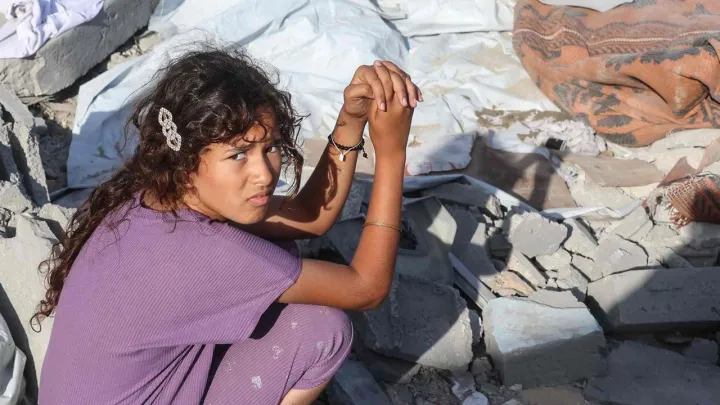

"I see her everywhere," she says to TRT WORLD.
Wessam recalls that Hind was a very talkative child. What she remembered more than the early milestones was how Hind seemed to understand the people around her.
“She laughed easily. She teased her parents. She noticed when someone needed attention,” Wessam tells TRT World.
Even in small moments, her mother says, Hind showed an unusual sensitivity to those around her.
As her baby teeth fell out, she needed specially prepared meals, which meant extra work in the kitchen. Aware of the effort, Hind would often apologise, Wessam says.
"Mama, I'm sorry if I'm making you tired," she would tell her.
Later, the moment gained deeper significance. Hind's mother also recalls the girl's choice of play—no dolls, but a doctor.
“She would play with medical instruments and imagine herself treating patients. Her ambition was not limited”, her mother says.
"She used to tell me, 'I want to treat all the children in the world. I don't want to see anyone suffering from illness."
Unanswered questions
The family had to wait 12 days before they found Hind's body, Wessam says. For Hind's mother, the announcement matters because of what happened before it and what it says now.
“Why didn’t they investigate this from the start?” she asks.
The question is not only about timing. For her, it is also about the credibility of the process.
The institution that once denied that its forces were in the area is now investigating the conduct of its own soldiers.
“What would make this investigation different?” she asks.
She also has another question: “Why did they fire on the ambulance that was trying to rescue Hind?”
Wessam wants people who were not involved in the institution under scrutiny to review the evidence and demands an international, independent and transparent investigation outside the forces.
“I want the public to know about the findings”.
But she believes no investigation, forces or otherwise, can deliver justice while Palestinian children continue to be killed.
For Hind’s mother, the issue goes beyond this investigation. She believes what happened to her daughter should not be treated as an isolated incident, but as part of a wider reality in which children continue to be killed.
For her, an investigation can determine accountability. However, she sees justice as more than that: it should also reduce the chances of another family facing the same questions.
"Justice is that the killing of children stops."