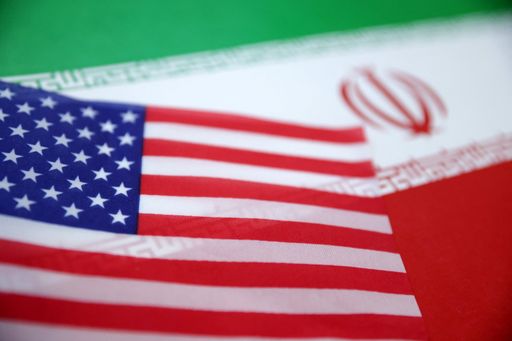
In early March, as tensions between Washington and Tehran kept escalating towards full-scale war, Pakistan’s offer to mediate was initially met with scepticism.
Analysts warned the conflict was too volatile, with both sides entrenched and unlikely to compromise. Pakistan’s own economic woes, political hardships, and its complex ties to both (close US security partnerships yet workable relations with Iran) added to doubts.
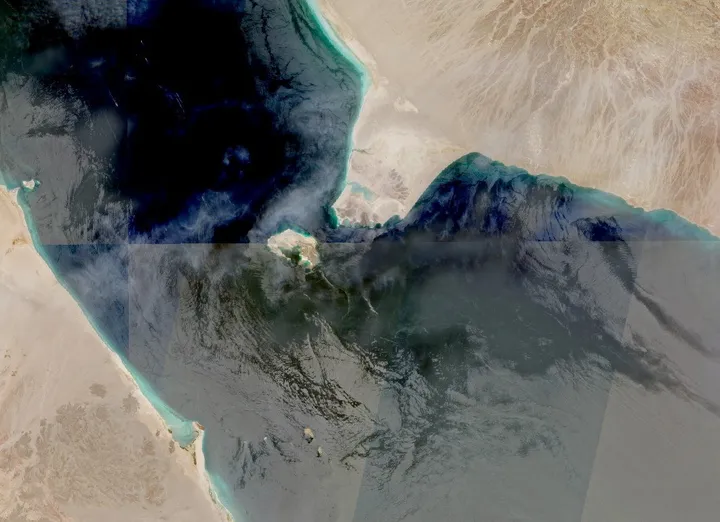
As US President Donald Trump began issuing ultimatums to Iran tied to the reopening of the Strait of Hormuz and threatened the country with “obliteration”, the odds of a quick diplomatic win looked slim. Backchannel talks dragged on amid missile exchanges and fears of what seemed like a never-ending regional war.
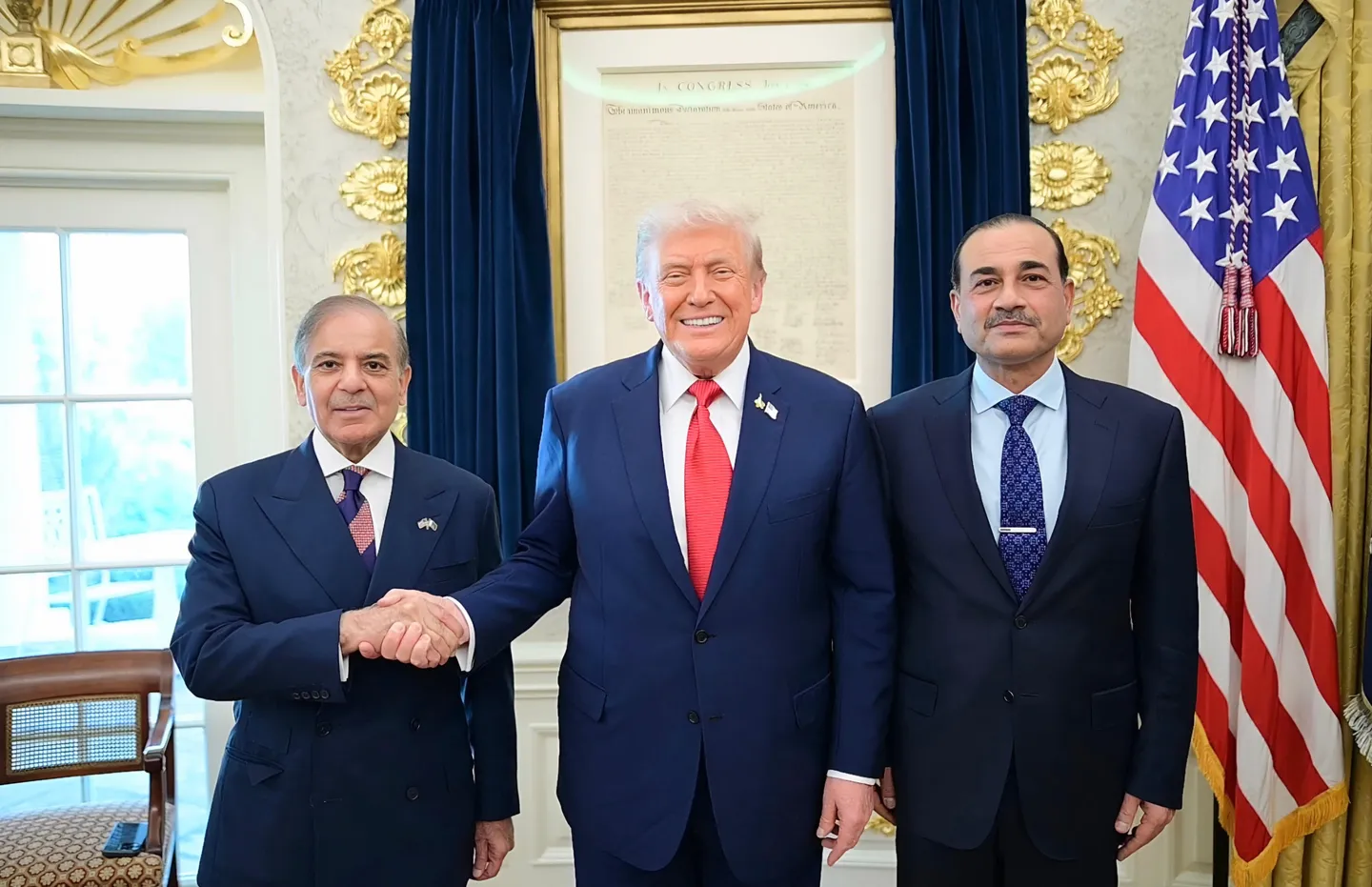
But Pakistan’s diplomacy, led by Prime Minister Shehbaz Sharif and Army Chief Field Marshal Asim Munir, laid the groundwork for what’s being termed as the “Islamabad Accord,” a two-phase framework for an immediate ceasefire followed by broader negotiations.
After all-night calls involving officials from Pakistan, the US and Iran, Islamabad secured a last-minute two-week truce. Iran agreed to safely reopen the Strait of Hormuz for shipping; the US suspended strikes. Sharif announced the ceasefire as “effective immediately,” and invited both sides to high-level talks in Islamabad starting April 10.
International reaction was swift and largely positive toward Pakistan’s contribution.
Iranian Foreign Minister Abbas Araghchi publicly thanked “my dear brothers HE Prime Minister of Pakistan Sharif and HE Field Marshal Munir for their tireless efforts to end the war in the region.”
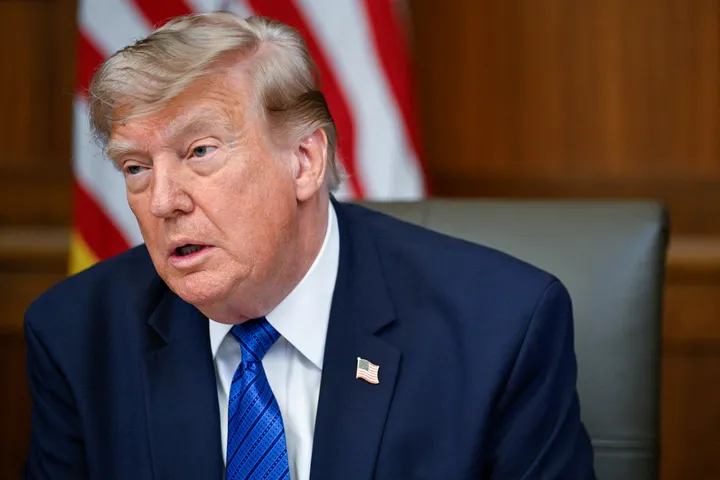
Trump himself credited conversations with Sharif and Munir in his announcement of the truce, describing it as a “double-sided ceasefire” after US military objectives were met and a workable 10-point Iranian proposal emerged.
"Pakistan achieved one of its biggest diplomatic wins in years," said South Asia expert Michael Kugelman in an X post.
"It also defied many skeptics and naysayers that didn’t think it had the capacity to pull off such a complex, high stakes feat."
Global leaders from Europe, Japan, Malaysia, Indonesia, and Australia welcomed the deal and praised the mediation push. UN officials and regional powers expressed hope that the Islamabad talks would pave the way for a lasting agreement.
German Chancellor Friedrich Merz on Wednesday said he “welcomed” the breakthrough and praised Pakistan’s role in mediating the agreement, emphasising that the immediate priority is to translate the temporary halt in fighting into a lasting peace settlement.
Malaysian Prime Minister Anwar Ibrahim welcomed what he described as a “positive development,” referencing a proposed 10-point plan by Iran.
He praised Pakistan’s prime minister Shehbaz Sharif for “tireless and courageous diplomacy,” highlighting Islamabad’s role in engaging all sides.



New Zealand Foreign Minister Winston Peters also welcomed the ceasefire announcement, calling it "encouraging news."
He praised Pakistan, Türkiye and Egypt for their diplomatic efforts to find a solution to the crisis.
Türkiye, too, welcomed the ceasefire and expressed “all necessary support for the successful conclusion of the negotiations to be held in Islamabad” in a statement.
“We congratulate brotherly Pakistan for its role throughout this process and express our wish for the continuation of all initiatives that contribute to peace,” the statement read.
Australia also expressed appreciation for mediation efforts led by countries including Pakistan, Egypt, Türkiye, and Saudi Arabia in advancing de-escalation.
Portuguese Minister for Foreign Affairs thanked Pakistan for its mediation and the efforts of “all its partners in the negotiations”.
Kashmiri leader Mirwaiz Umar Farooq also welcomed the ceasefire, underscoring that "restraint and dialogue" should take precedence over confrontation for conflict resolution.
Even amid ongoing scepticism about enforcement, the consensus was clear: Pakistan had stepped up when others hesitated and delivered a critical de-escalation.
Many Pakistanis and supporters celebrated the moment as a diplomatic victory. Posts hailed Sharif and Munir as “global peace makers,” with one noting: “The world applauds Pakistan’s mediation between the US & Iran… PM Shehbaz Sharif & CDF FM Asim Munir’s leadership was key.”
Others posted celebratory messages and framed it as a boost to Pakistan’s international image.
Indian defence analyst Pravin Sawhney praised Pakistan’s mediation and gave the Pakistani prime minister a pat on the back.
“Pakistan has emerged as more than a credible mediator - a geopolitical asset in the New World Order,” he wrote on X.
A mix of memes, playlists imagining Sharif’s celebration, and debates over whether this elevated Pakistan’s global standing or exposed its limitations filled timelines as well.
As delegations prepare to converge in Islamabad this Friday, the focus now shifts from ceasefire to a comprehensive deal. Whether Pakistan’s mediation proves historic or merely a temporary pause remains to be seen.