Europe is heading into winter with its natural gas reserves at their lowest level since 2013, leaving the continent more exposed to supply disruptions and potentially extending pressure on international energy markets into 2027, the International Energy Agency (IEA) warned on Tuesday.
European gas storage facilities were around 75 percent full at the end of October, falling short of the European Union's minimum target of 80 percent and marking the weakest level in more than a decade, according to the agency.
The situation reflects a combination of disrupted supplies, delayed purchases and slower-than-usual efforts to replenish reserves following the previous heating season.
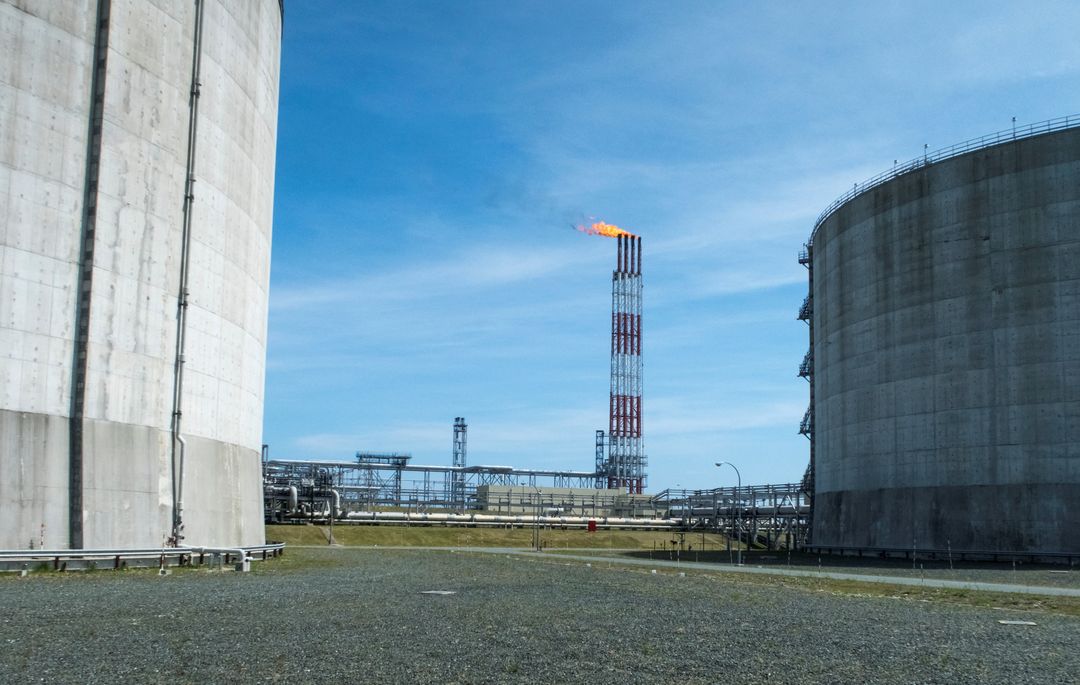
Disrupted LNG supplies and delayed purchases
Damage to natural gas liquefaction facilities in the Gulf during the US war on Iran, alongside reduced transit through the Strait of Hormuz, has complicated efforts to secure additional supplies.
European countries also began the current storage-filling season with relatively low reserves after the winter heating period ended in spring.
Buyers initially delayed purchases in anticipation of lower prices. Although deliveries increased in August, September and October, the acceleration was insufficient to compensate for the earlier shortfall, the IEA said.
Gas injected into European storage facilities during the season was approximately 4 percent below the average recorded over the previous five years.








Colder winter could increase supply risks
Lower reserves leave European countries more dependent on securing additional liquefied natural gas (LNG) deliveries to meet peak winter demand, the IEA warned.
The agency said the situation could make the region particularly vulnerable if temperatures fall below seasonal averages, technical problems affect gas networks or further supply disruptions occur.
Germany, Europe's largest economy, said on Monday it expected to have sufficient gas for the winter despite missing its national storage target.
German storage facilities averaged 61 percent full, according to the federal agency that oversees the country's energy infrastructure and markets.
That figure falls below Germany's legally mandated target of 70 percent by November 1 and trails the EU average of nearly 75 percent, according to the AGSI gas storage tracking platform.