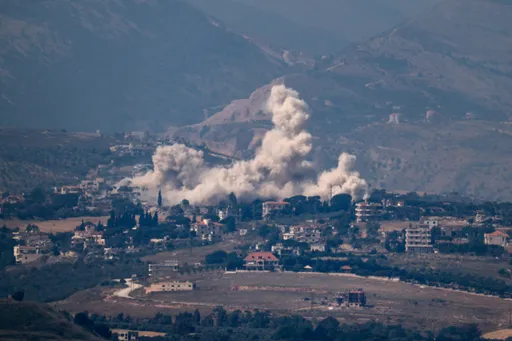
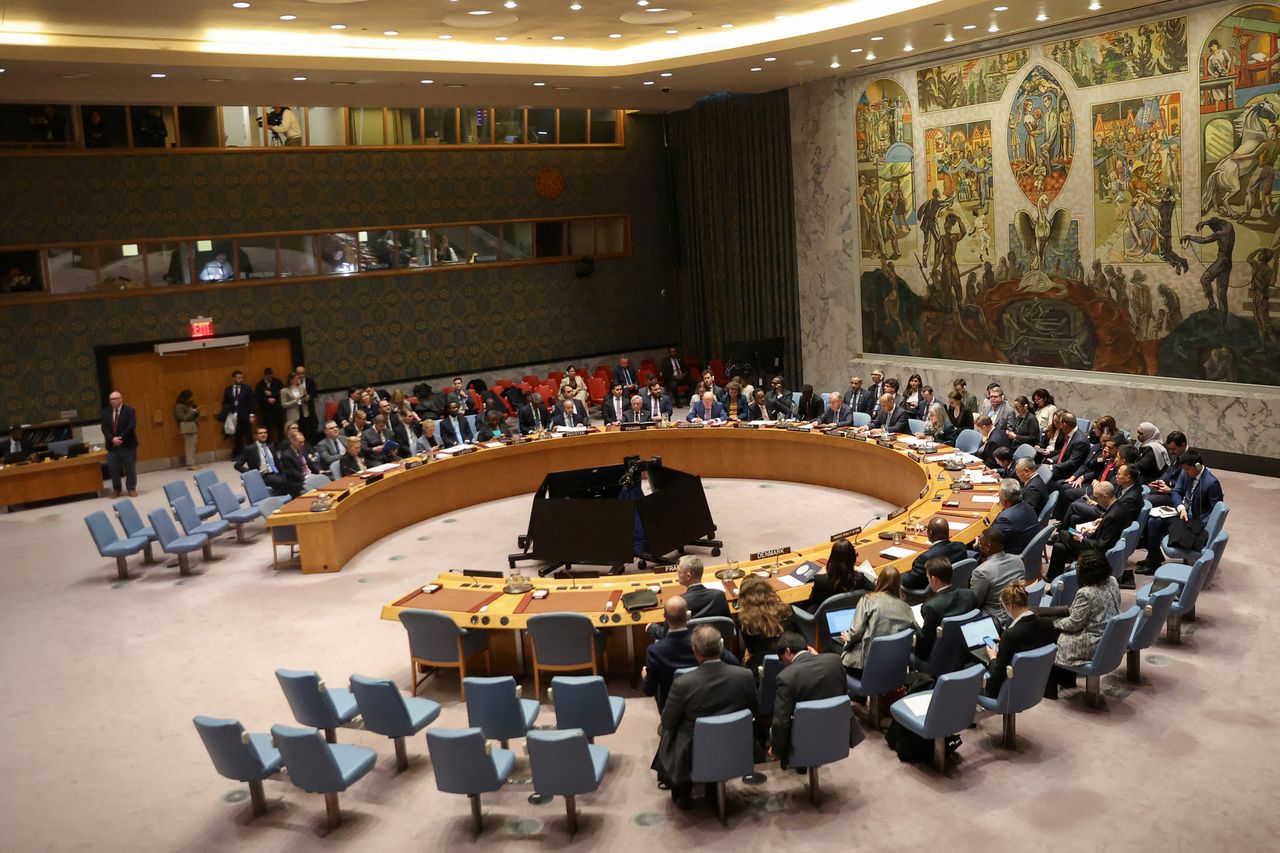
Several UN Security Council members urged Israel to withdraw from southern Lebanon during an emergency meeting on Monday, as concerns mounted that Israel's expanding military occupation in Lebanon and threats to strike its capital Beirut could derail efforts to secure a broader regional ceasefire.
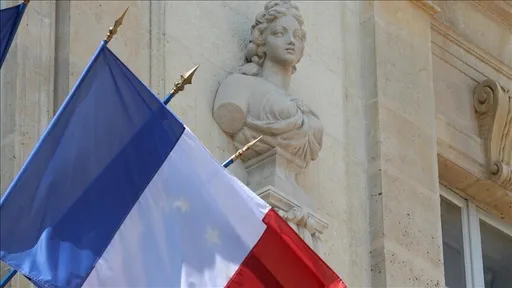
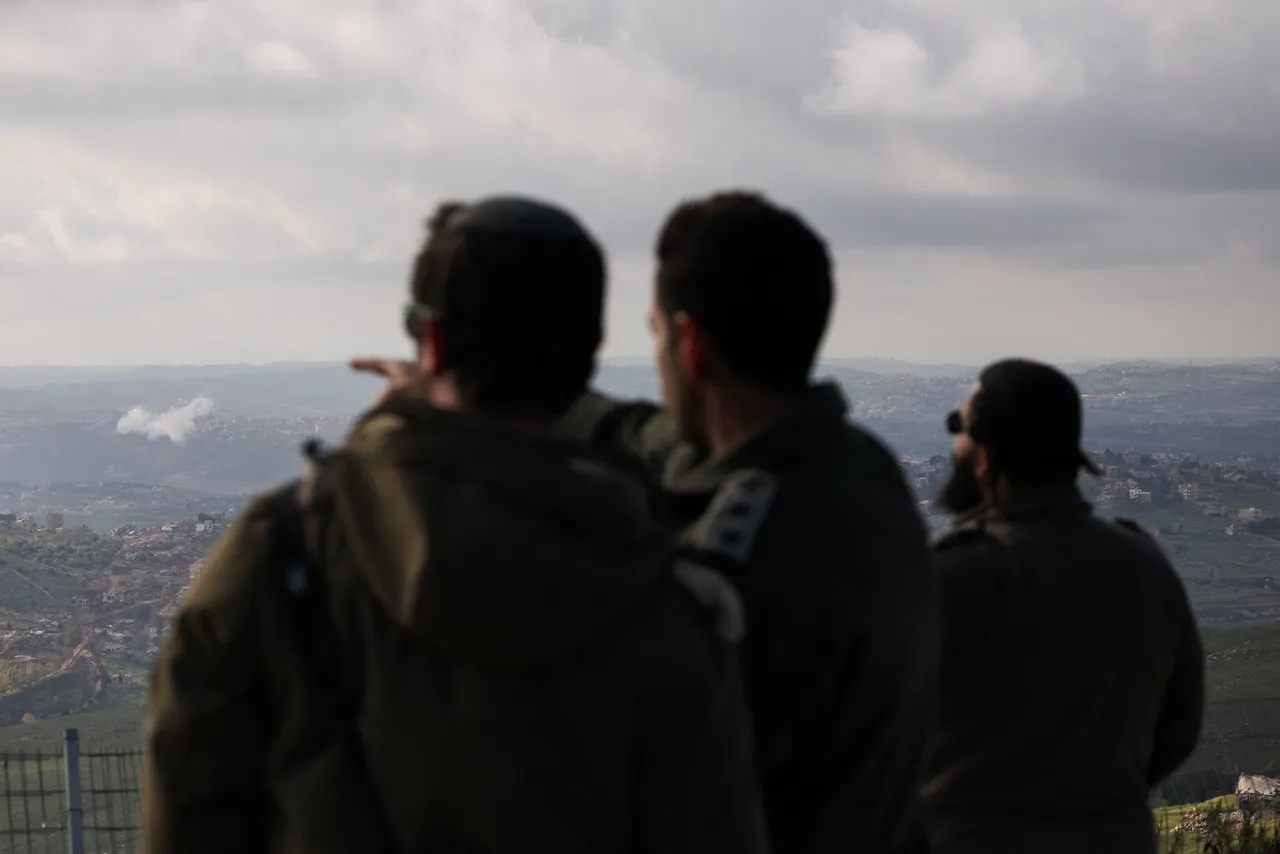
The session was convened at France's request after Israeli forces advanced further into southern Lebanon, occupied the strategic Beaufort Castle and raised an Israeli flag over the site, reviving memories of Israel's occupation of southern Lebanon between 1982 and 2000.
Lebanon has emerged as a major point of contention in ongoing US-Iran negotiations. While Tehran argues that any ceasefire framework must include Lebanon, Netanyahu has ordered a deeper ground incursion against Hezbollah, expanding operations beyond previously established security zones in southern Lebanon.
Iran, meanwhile, has warned that a resumption of hostilities with the US would be “inevitable,” saying Tehran will not accept Washington's demands for “total surrender”.
Lebanon's ambassador Ahmad Arafa urged the Council to condemn Israel's actions, accusing Tel Aviv of “capitalising, as usual, on a tense regional climate” despite efforts by Beirut to contain the crisis.
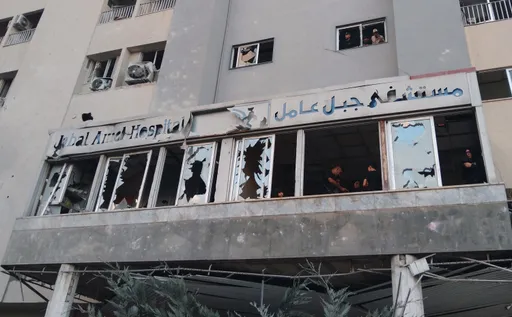
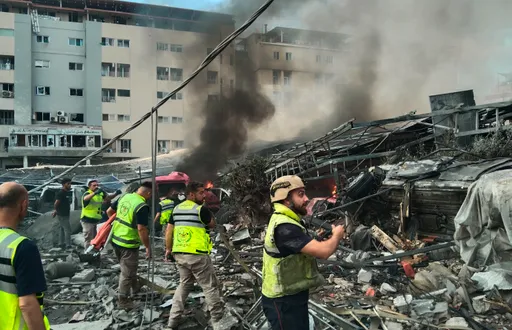
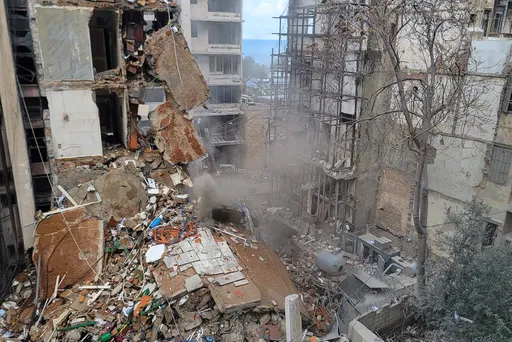
He said Israel was continuing a “systematic campaign of destruction”, deliberately targeting medical personnel, hospitals, journalists, schools, security agencies, UN peacekeepers, places of worship and archaeological sites, as well as “countless other targets that embody Lebanon's collective memory and civilizational identity”.
“The situation in Lebanon is deeply alarming,” Martha Ama Akyaa Pobee, UN assistant secretary-general for political and peacebuilding affairs and peace operations, told the Council.
Pobee said Israel's presence north of the Blue Line violated Lebanon's sovereignty and Security Council Resolution 1701.
"Israeli forces must withdraw to south of the Blue Line," she said, while also stressing that Hezbollah and other non-state armed groups in Lebanon must disarm.
Russia
Russia's UN envoy Vassily Nebenzia accused Israel of replicating in Lebanon tactics previously used in Gaza, arguing that the April 17 ceasefire had become a “smokescreen” for continued military operations.
He said Israel's offensive in Lebanon amounted to “an almost identical replay” of the Gaza war, warning that continued occupation could fuel support for armed resistance, deepen sectarian tensions and risk triggering a civil war.
Nebenzia also linked the deterioration in Lebanon to an "unjustified aggression" by the United States and Israel against Iran.
China
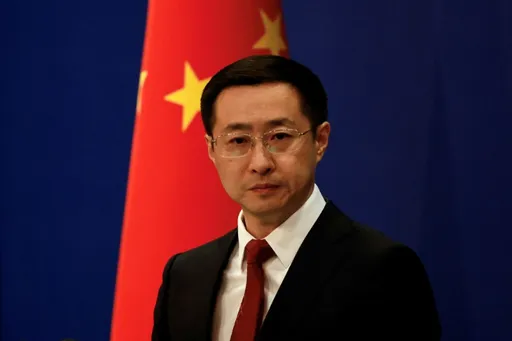
China also expressed concern over Israel's expanding ground operations, warning that the ceasefire was "close to existing in name only".


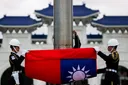

"Military force is not the solution, and expanding occupation cannot bring lasting security," Beijing's representative said.
France
France's UN envoy Jerome Bonnafont said Hezbollah, backed by Iran, bore responsibility for triggering the latest hostilities, but warned that Israel's military response was counterproductive.
“Nothing can justify the continuation and scale of its military operations in Lebanon,” he said, describing Israel's destruction of villages and killing of civilians as "a major strategic mistake".
UK
Britain's deputy ambassador James Kariuki said Hezbollah had "dragged Lebanon into a war that its Government and people do not want", but added that Israel's actions were worsening the conditions for civilians.
"This reckless and disproportionate escalation of Israeli military action exacerbates an already devastating environment for Lebanese civilians," he said.
US
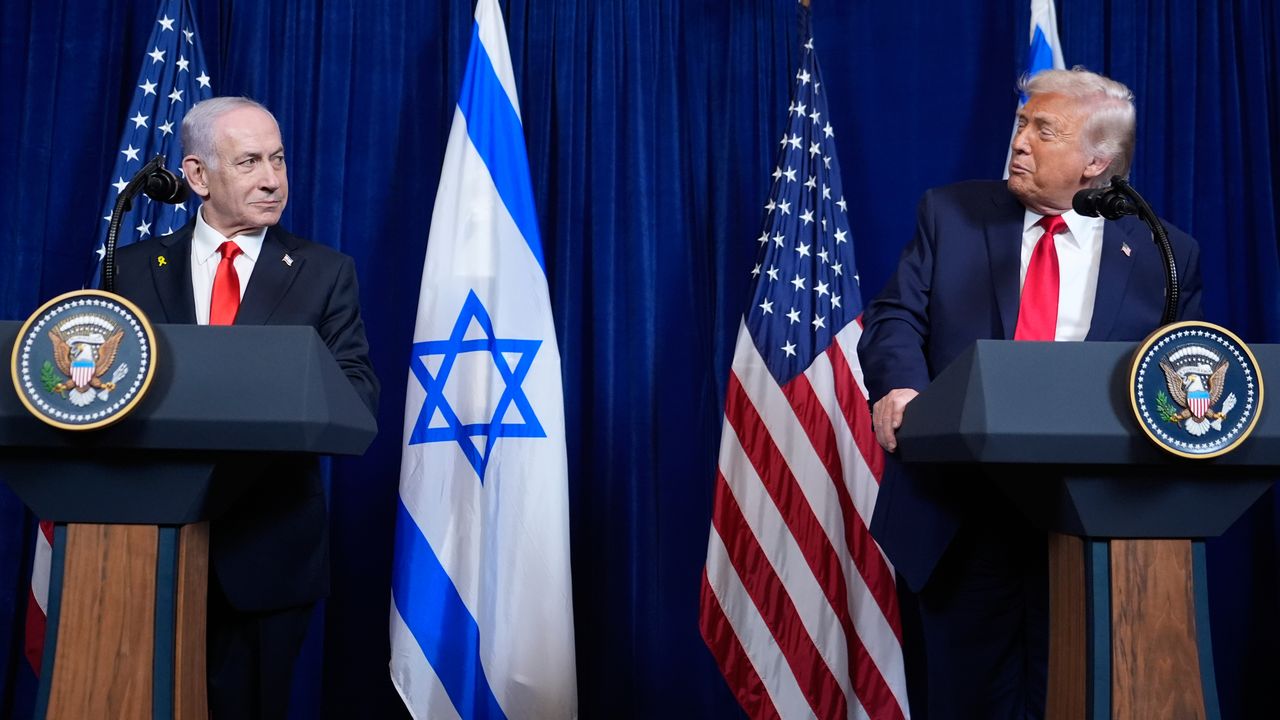
The United States placed the onus for de-escalation solely on Hezbollah and Iran, avoiding criticism of Israel's military attacks.
Acting US representative Michael Waltz said peace could be achieved quickly if Hezbollah stopped its attacks on Israel and honoured what he said were commitments to halt hostilities.
He also voiced support for the Lebanese government and army, saying Beirut was showing “real courage and leadership” in seeking to free the country from what he described as a “terrorist organization that answers to Tehran”.
Pobee urged all sides to avoid further escalation and return to diplomacy.
“The ultimate objective remains clear — a durable, permanent ceasefire adhered to by all sides,” she said.