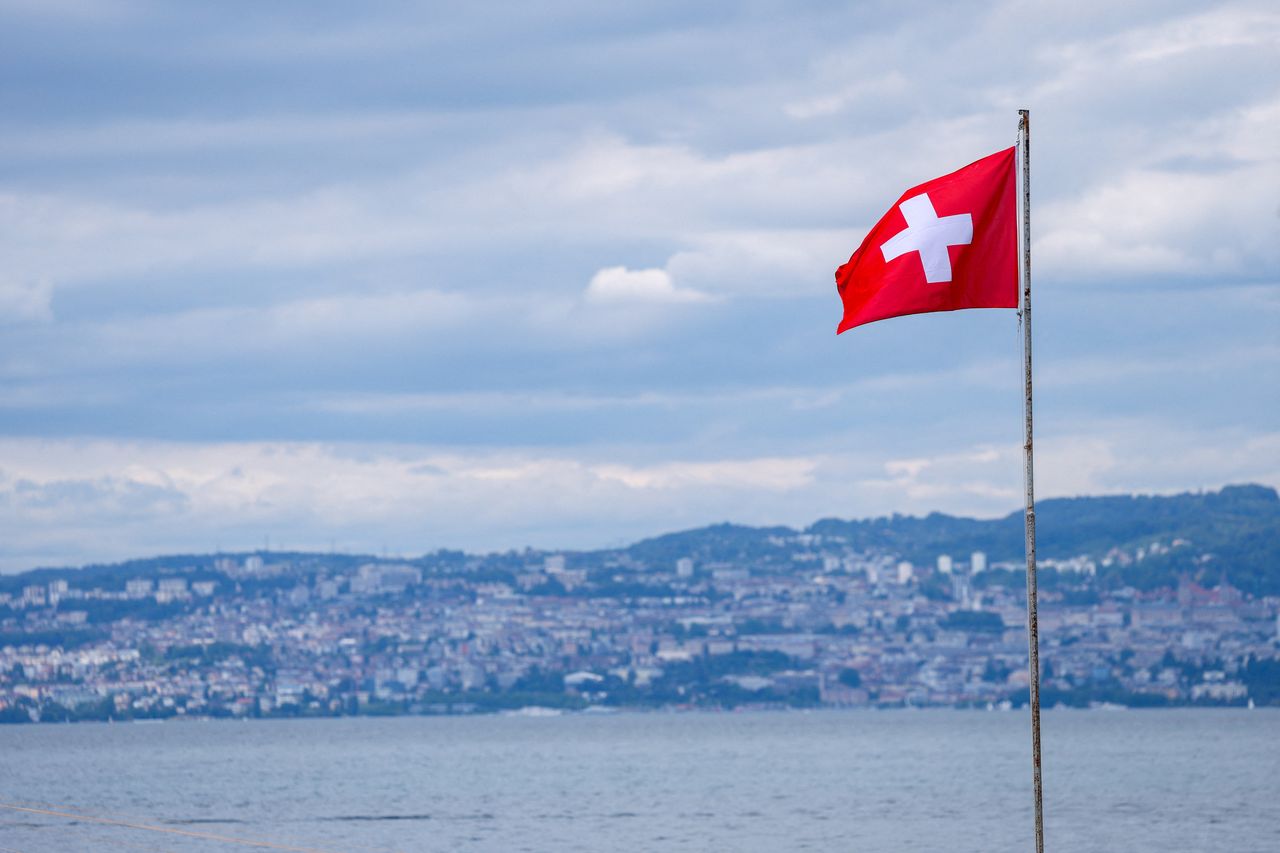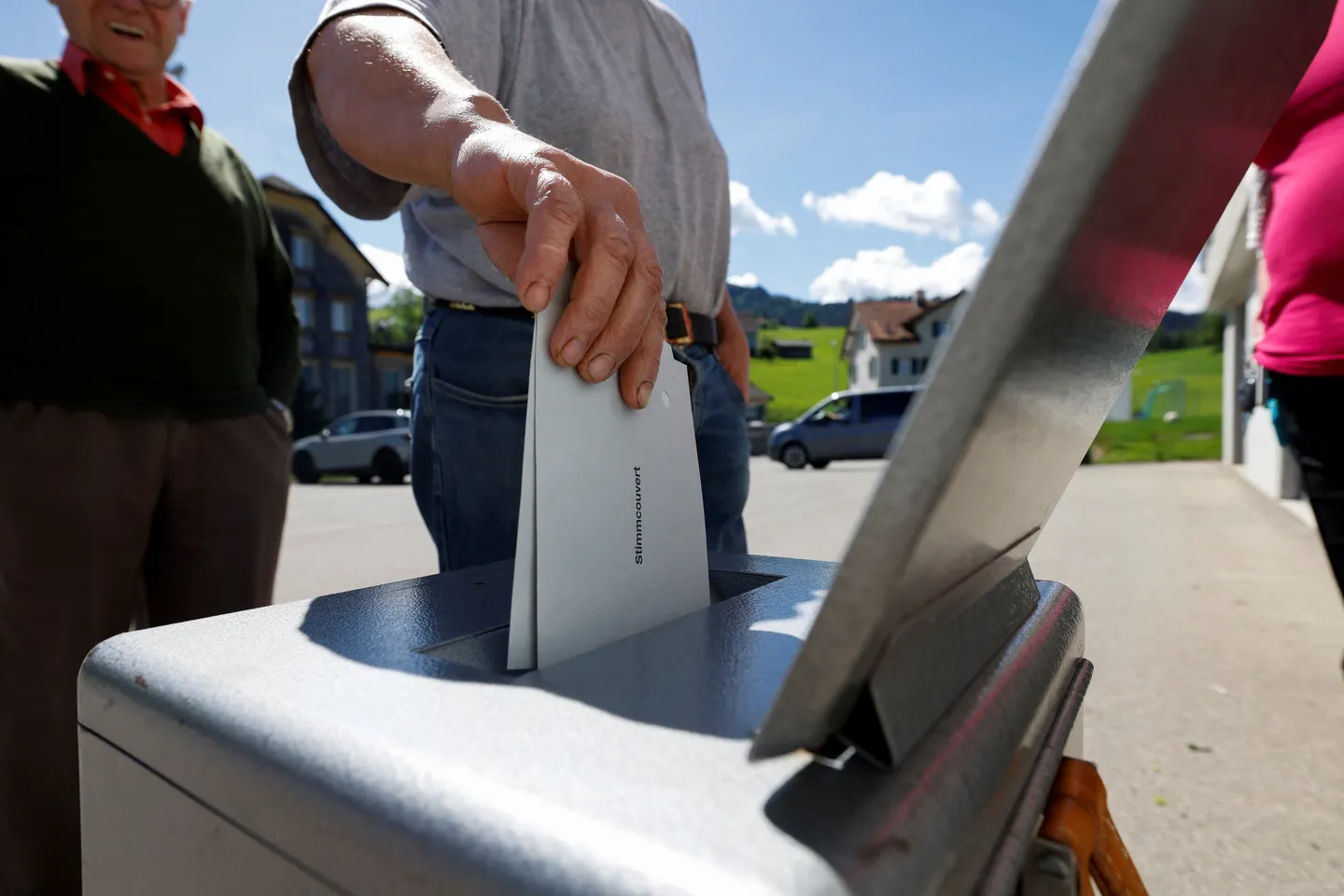
Swiss voters have appeared set to reject a much-debated proposal to strengthen their country's traditional neutrality, according to opinion polls ahead of a popular vote next month.
An opinion poll published on Friday by the SSR public broadcaster suggested that 54 percent of eligible voters oppose the initiative to enshrine a strict definition of Swiss neutrality in the Alpine nation's constitution.
The move, which would among other things bar Switzerland from imposing most economic sanctions, had the support of just 42 percent of the more than 17,000 people surveyed by the gfs.bern institute, the poll showed.
And four percent said they remained undecided on which way to cast their ballot in the September 27 vote.
A separate poll published by the Tamedia group this week meanwhile suggested an even bigger rejection of the initiative, with a full 62 percent opposed and only 36 percent in favour.
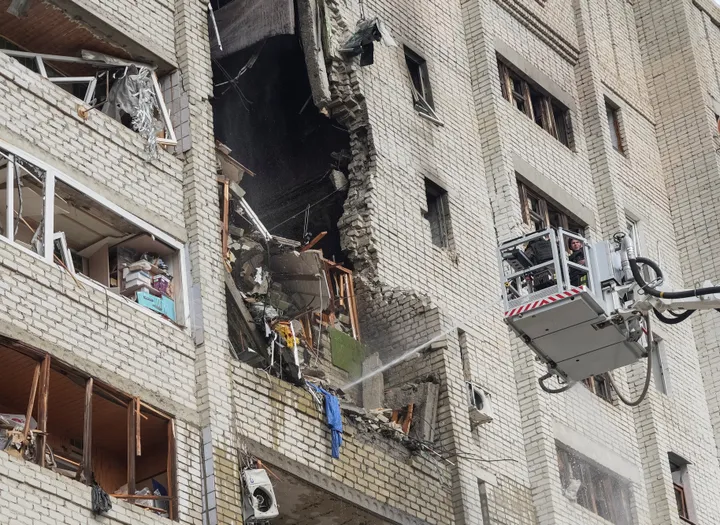
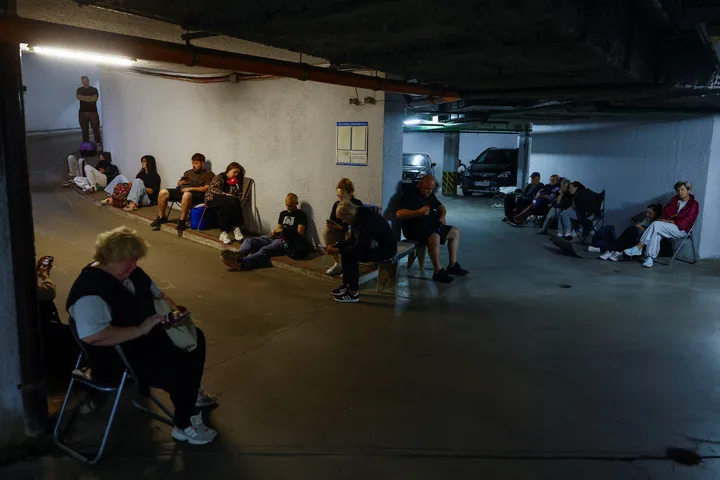
Switzerland's traditional position is one of well-armed military neutrality, but Russia's war in Ukraine reopened questions over its non-engagement in foreign conflicts.
Concerns over Bern's decision to join European Union sanctions against Russia, the pro-sovereignty Pro Switzerland organisation collected enough signatures to trigger a public vote under the country's famed direct democracy system on better anchoring neutrality in its constitution.
'Armed and perpetual'
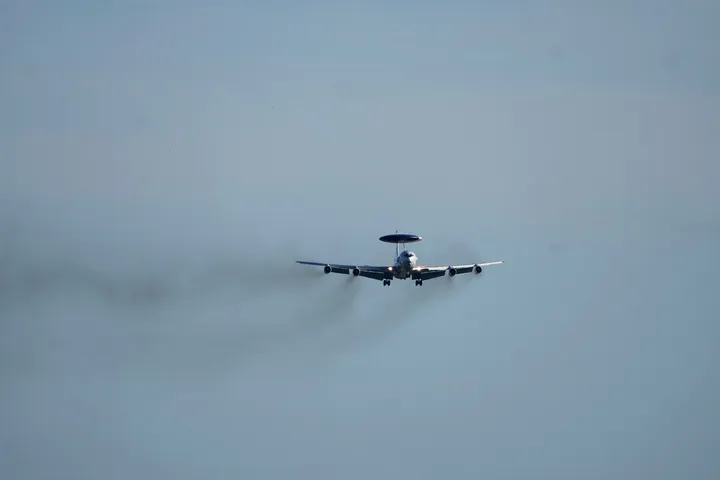

The initiative calls for the constitution to guarantee that Swiss neutrality is "armed and perpetual" and applied "permanently and without exception".
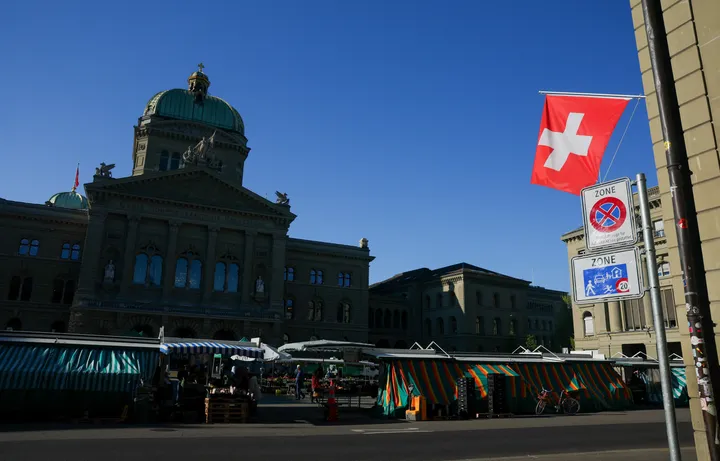
It would prevent Switzerland, whose neutrality traces its roots back to 1516 and has been internationally recognised since 1815, from establishing closer ties with NATO and would rule out any military alliance except if attacked.
And it would prohibit imposing sanctions, unless called for by the United Nations.
While the Swiss widely embrace their neutrality, both the government and parliament have rejected the proposal, arguing it is too dogmatic and would limit the country's manoeuvring room at a time of soaring geopolitical tensions.
Nearly all major political parties have also come out against the initiative, arguing it would weaken Switzerland's security and foreign policy flexibility.
The only exception is the populist right-wing Swiss People's Party (SVP), Switzerland's largest, which has been closely tied to the initiative from the start.
Christoph Blocher, the party's 85-year-old retired strongman figurehead and a former government minister, recently joined the committee behind the initiative.
"The goal of Swiss neutrality," he said earlier this month, is "that the enemy should be afraid to attack us and should have no reason to do so, since we are neutral".