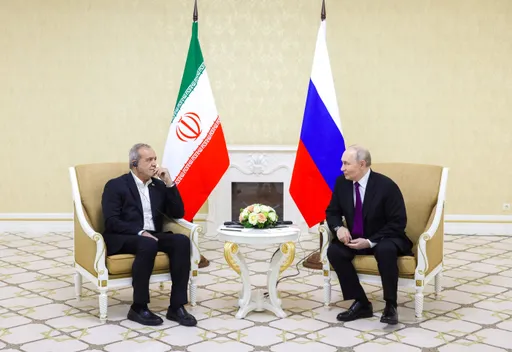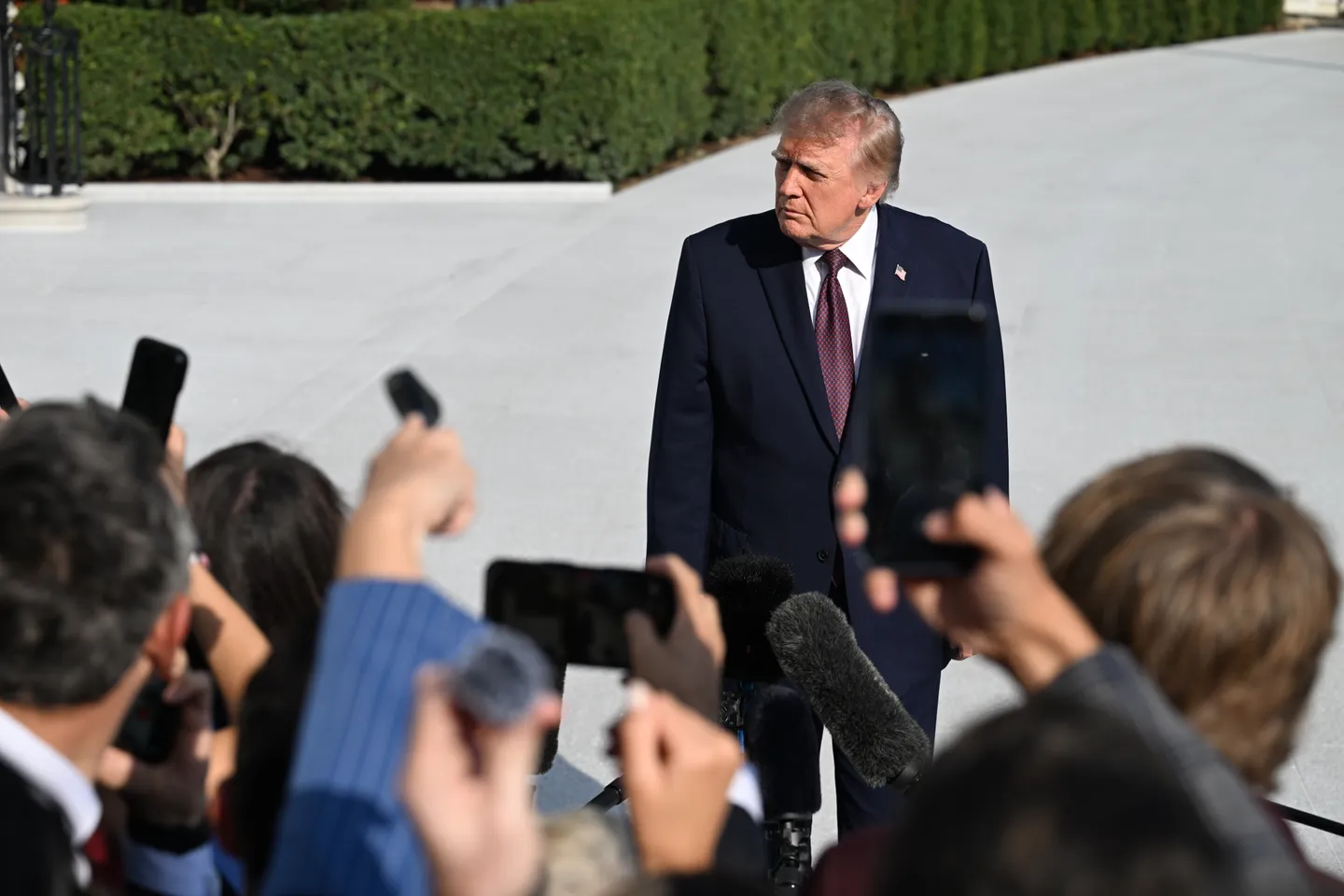
US President Donald Trump has said that Russia would immediately supply more than 300,000 tons of diesel fuel to American and global markets following talks with Russian President Vladimir Putin.
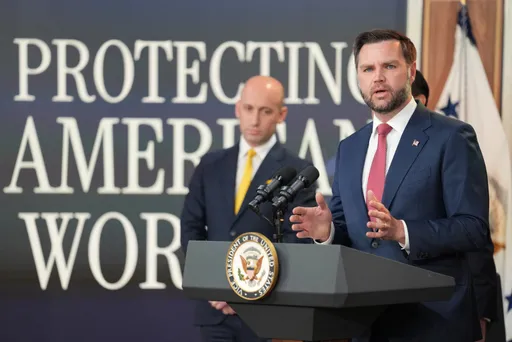
Trump said on his Truth Social platform that he had concluded a "highly successful discussion" with Putin, resulting in an agreement to increase Russian diesel supplies.
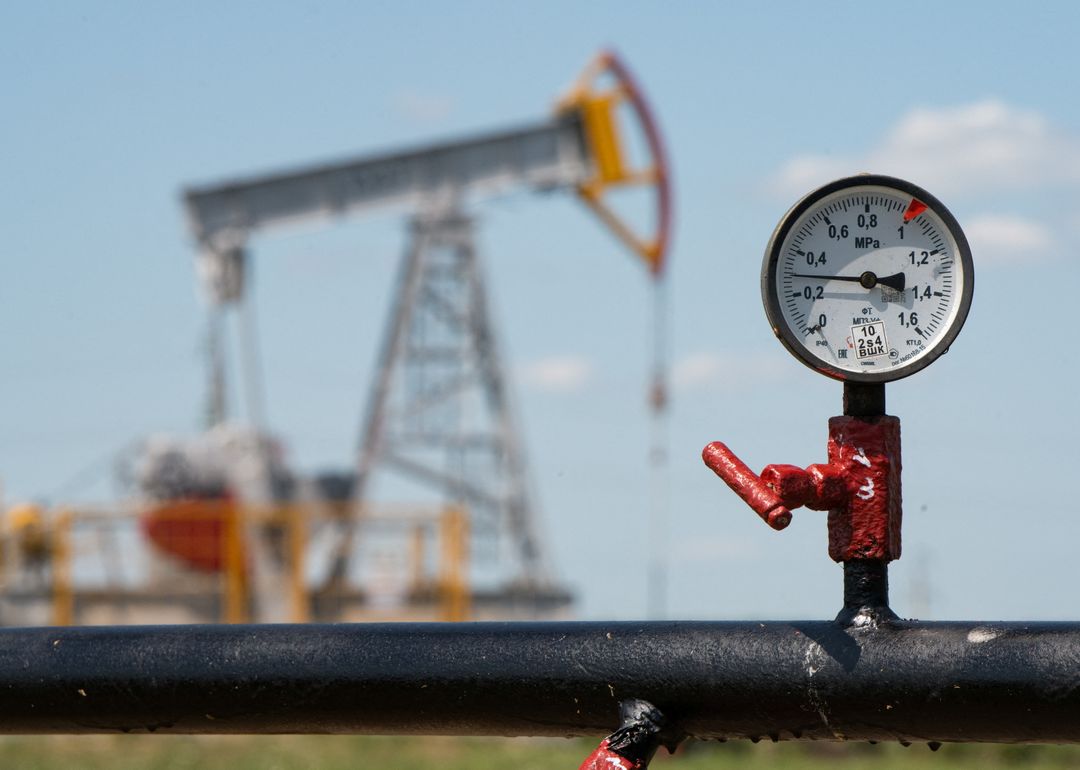
"I have just concluded a highly successful discussion with President Vladimir Putin, of Russia, wherein it was agreed that Russia will immediately supply over 300,000 Tons of Diesel Fuel to the American and Global Marketplace, another 500,000 Tons during the month of November, and 1,000,000 Tons immediately thereafter," Trump said.
He added that another 3 million tons would be delivered "within a short period," depending on the condition of Russian diesel refineries.
"Diesel Prices for Americans and, indeed, the World, will be coming down, in record numbers, and fast!” Trump said.
The president described lower fuel prices as a priority, particularly for American farmers, ranchers and truckers.
Trump also cited what he described as US "total control" of the Strait of Hormuz and reiterated that Iran would not be allowed to obtain a nuclear weapon.





US Treasury authorises Russian diesel supplies
Shortly after Trump's announcement, the US Treasury Department said on X that its Office of Foreign Assets Control (OFAC) was "immediately issuing a temporary general license to allow the supply of Russian diesel to the global market."
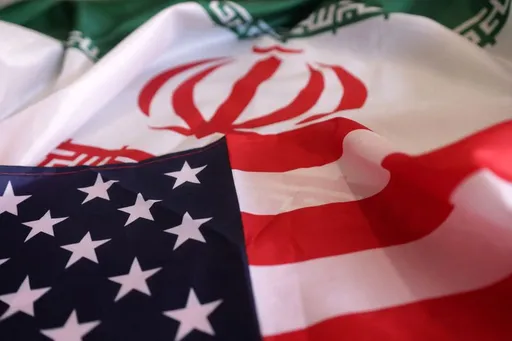
The US and Israel launched a war against Iran on Feb. 28, prompting Tehran to respond with missile and drone attacks across the region and effectively close the Strait of Hormuz.
The conflict has continued for more than seven months, driving up global energy prices as commercial oil traffic through the strategic waterway has effectively halted.
The US and Iran signed a memorandum of understanding in June after Pakistan and Qatar mediated to halt hostilities and pave the way for negotiations.
Implementation of the agreement has since stalled amid disagreements, including over security and navigation in the Strait of Hormuz.