 Abhishek G Bhaya
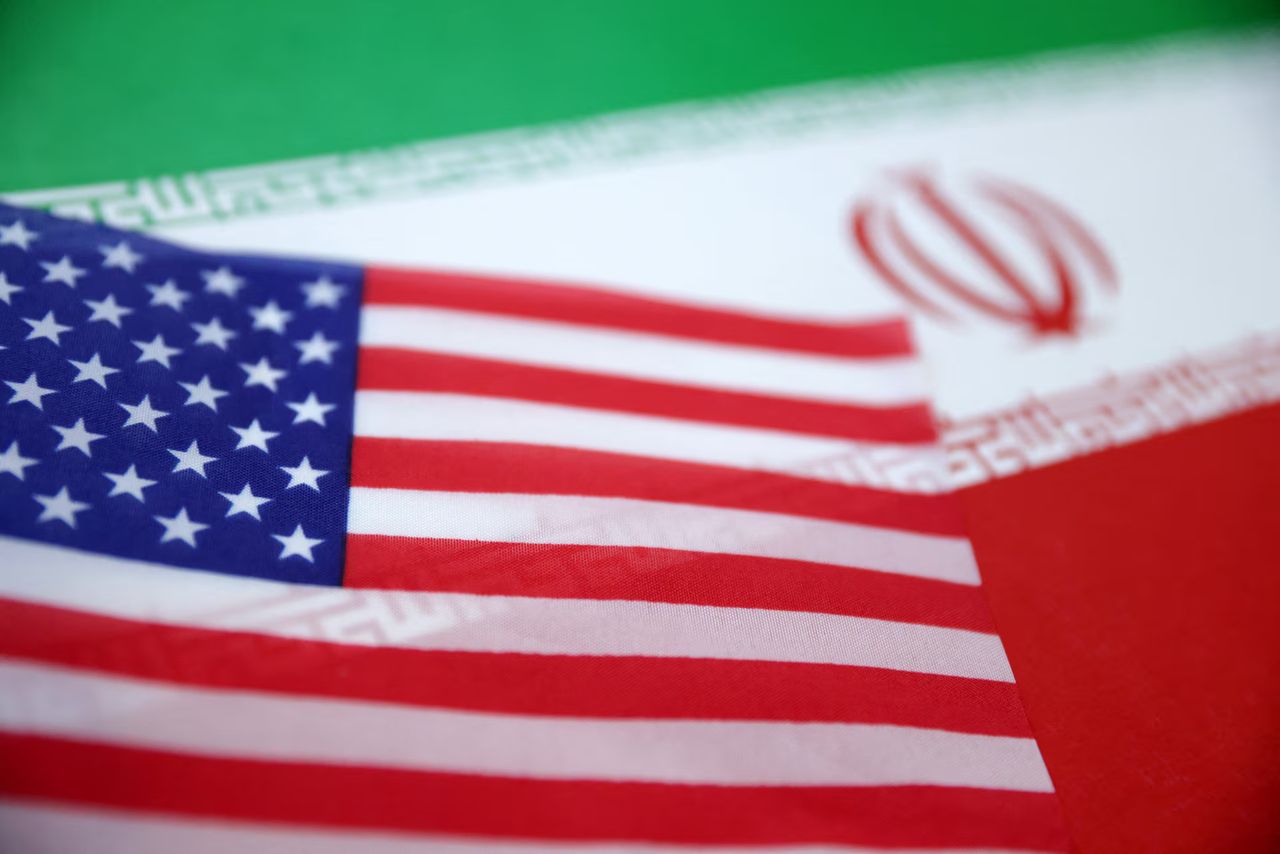
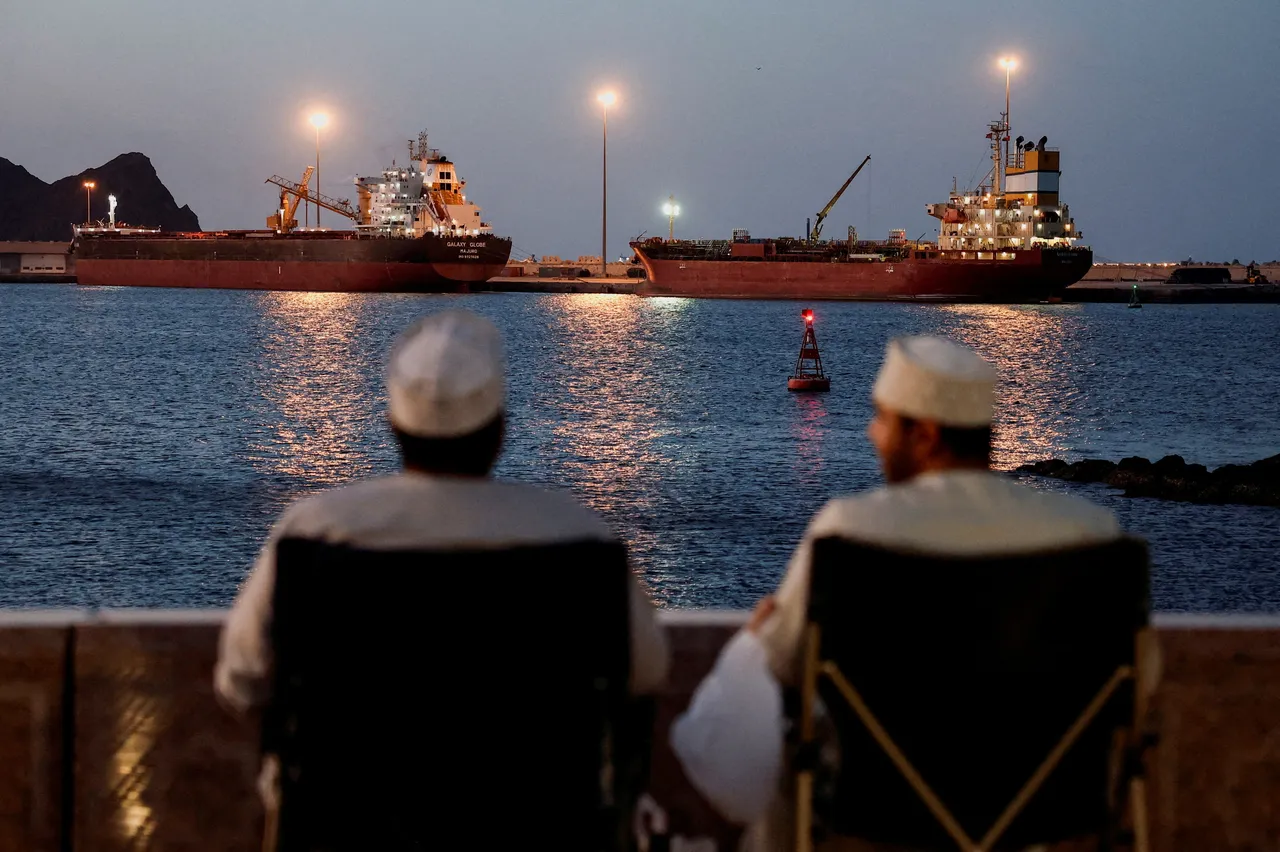
The United States has threatened that it would “aggressively” impose sanctions on longtime Gulf partner Oman if it supports Iran in establishing a tolling mechanism in the Strait of Hormuz — through which nearly a fifth of global oil trade flows.
US Treasury Secretary Scott Bessent said Washington will “not tolerate” any attempt by either country to impose fees on commercial shipping in the strategic waterway.
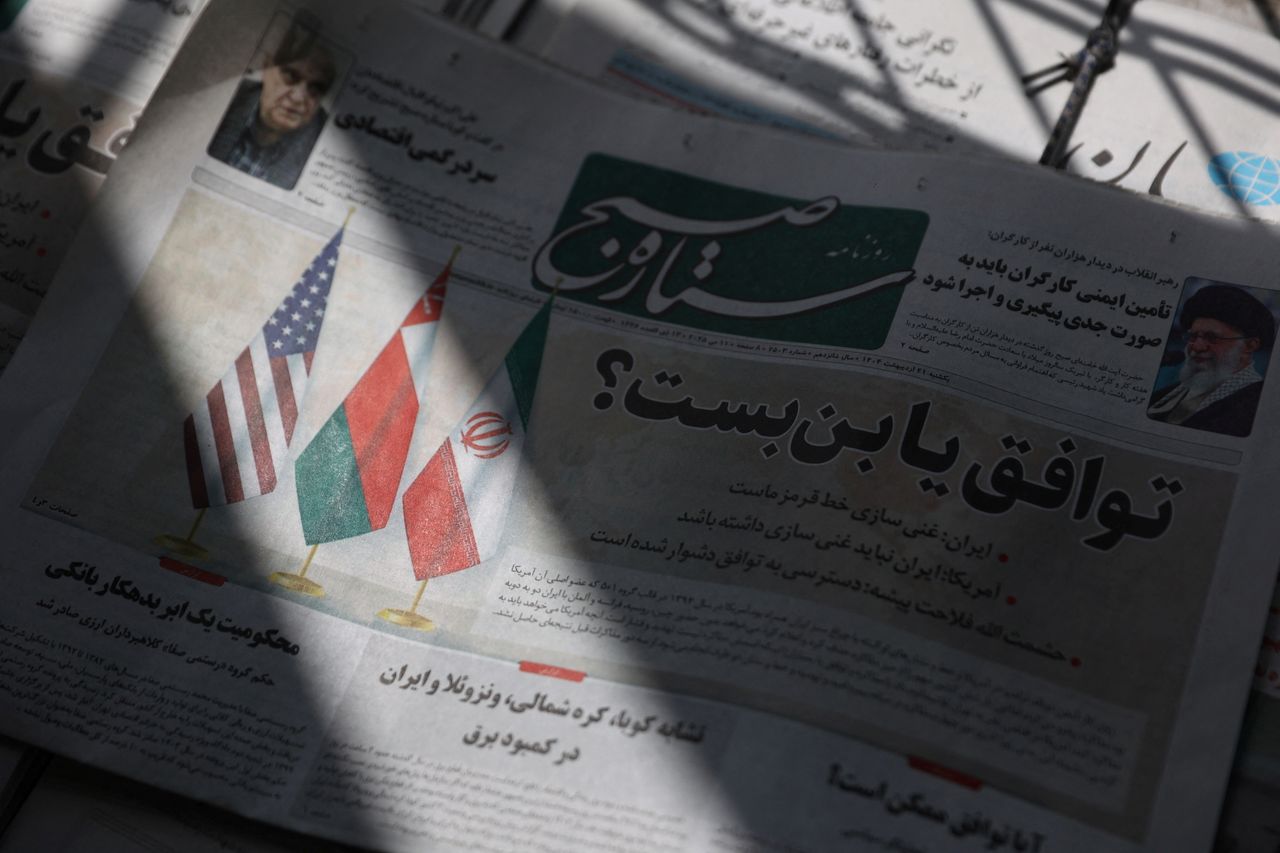
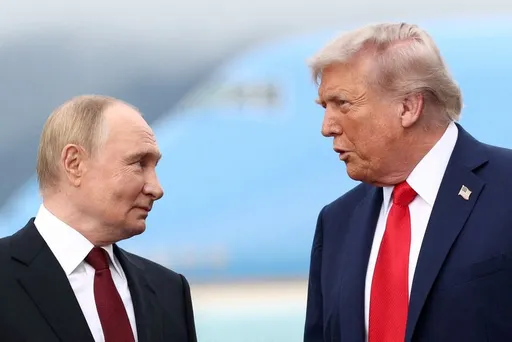
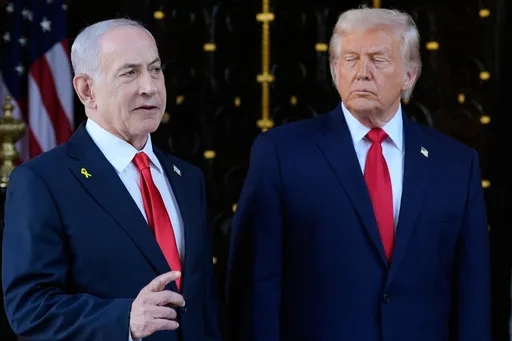
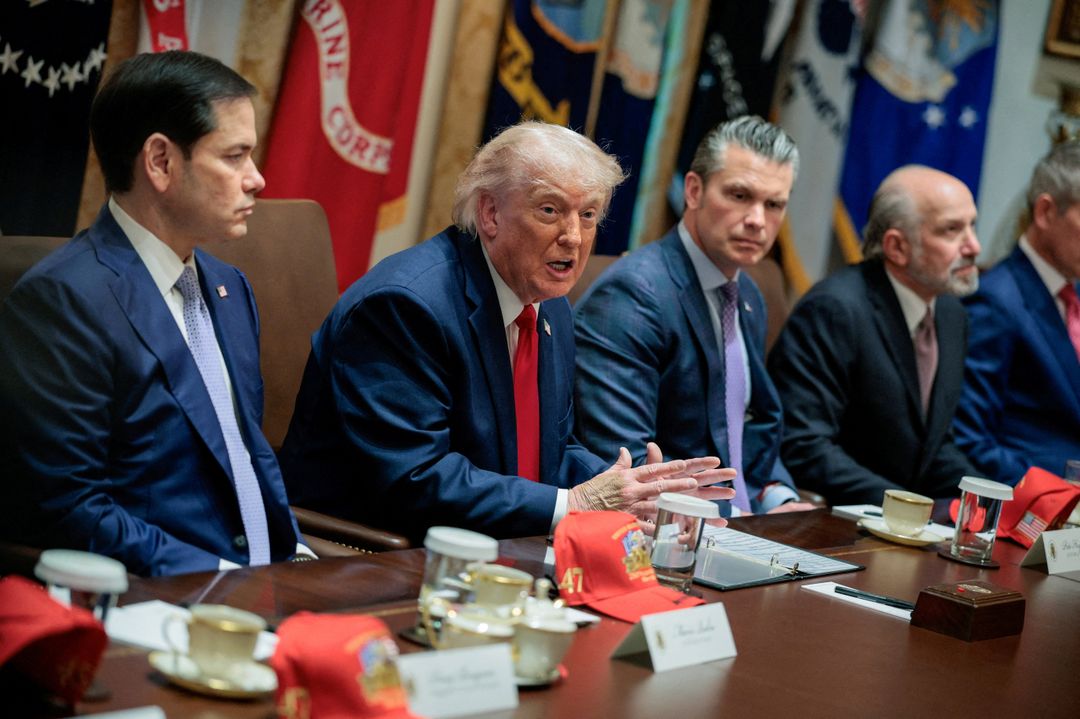
The warning follows earlier remarks by President Donald Trump, who threatened to “blow up” Oman with military force if it became involved in the dispute over maritime access in the Strait of Hormuz — an escalation that has drawn attention across the region.
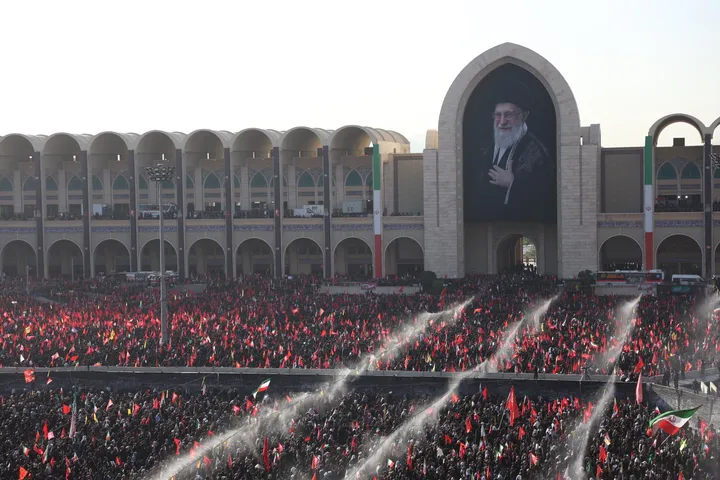
The rhetoric comes amid reports that Muscat has held consultations with Tehran on possible arrangements to manage shipping passage through the Strait. Iranian state media has claimed that a draft proposal under discussion includes coordination between Iran and Oman on regulating maritime traffic, though no official document has been independently verified.
Public anger against ‘political recklessness’
Against this backdrop, Washington’s rhetoric has sparked sharp reactions across the region. In Oman itself, the response on social media has been marked by visible anger and disbelief, particularly given the country’s long-standing reputation as a neutral mediator in regional crises.
“Threatening Oman — a country known for mediation, diplomacy, and helping de-escalate some of the region’s most difficult crises — is not strength, it is political recklessness,” Omani national Faisal Said wrote on X, adding that Oman has “repeatedly played constructive roles, including facilitating sensitive negotiations and humanitarian efforts involving American citizens.”
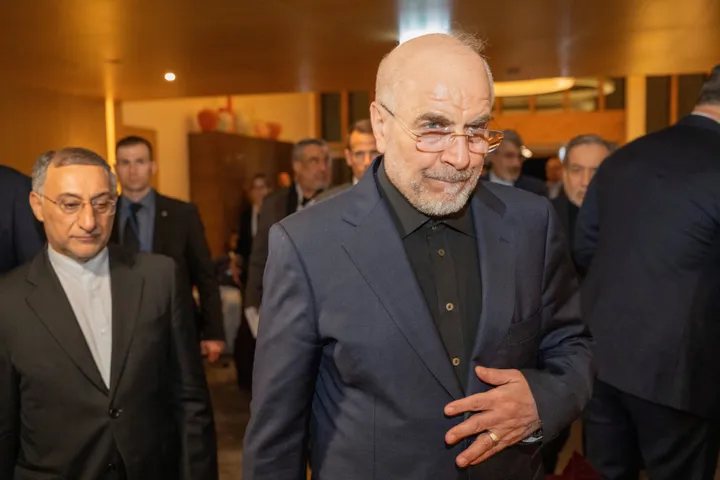
Similar sentiments were echoed by members of Oman’s political establishment. Mohammed Suleiman Tamim Al-Hinai, a member of the Sultanate’s Shura Council – the elected legislative body that advises the Sultan – noted that Oman has consistently upheld the principle of freedom of navigation in the Strait of Hormuz under international maritime law.
He criticised what he described as politically motivated escalation, arguing that attempts to frame Oman within an “imaginary conflict” distort its long-standing diplomatic posture and regional balancing role.
Public anger has also extended beyond elite commentary, with some Omani social media users calling for the US ambassador to be formally summoned in response to the remarks.





Alienating a strategic partner
What makes the latest rhetoric from Trump and Bessent particularly striking is that Oman has historically been one of Washington’s quietest yet most dependable strategic partners in the Middle East.
US–Oman relations trace back over two centuries, beginning in 1790 when the American ship Boston Rambler docked in Muscat. Formal engagement deepened in 1840 when Sultan Said’s envoy Ahmad bin Na’aman visited New York aboard the Sultanah, becoming the first Arab diplomat accredited to the United States and marking the vessel as the first Arab ship to reach America. The United States later established its first consulate in Muscat in 1880 to strengthen growing political and economic ties.
Modern diplomatic relations were institutionalised with the opening of the US Embassy in Muscat in 1972. Military cooperation was formalised in 1980 and subsequently renewed in 2010, reflecting a sustained strategic partnership. A bilateral free trade agreement followed in 2006, further expanding economic links.
Oman has generally maintained a neutral posture in regional conflicts, which has enhanced its role as a trusted mediator. For decades, Muscat has helped safeguard American political, military, and diplomatic interests across the Gulf — often operating behind the scenes and deliberately away from public attention.
Against this long backdrop of quiet cooperation, Oman’s role has rarely been adversarial and frequently instrumental in stabilising crises that directly affected US interests.
Legal reality: Who controls the Strait?
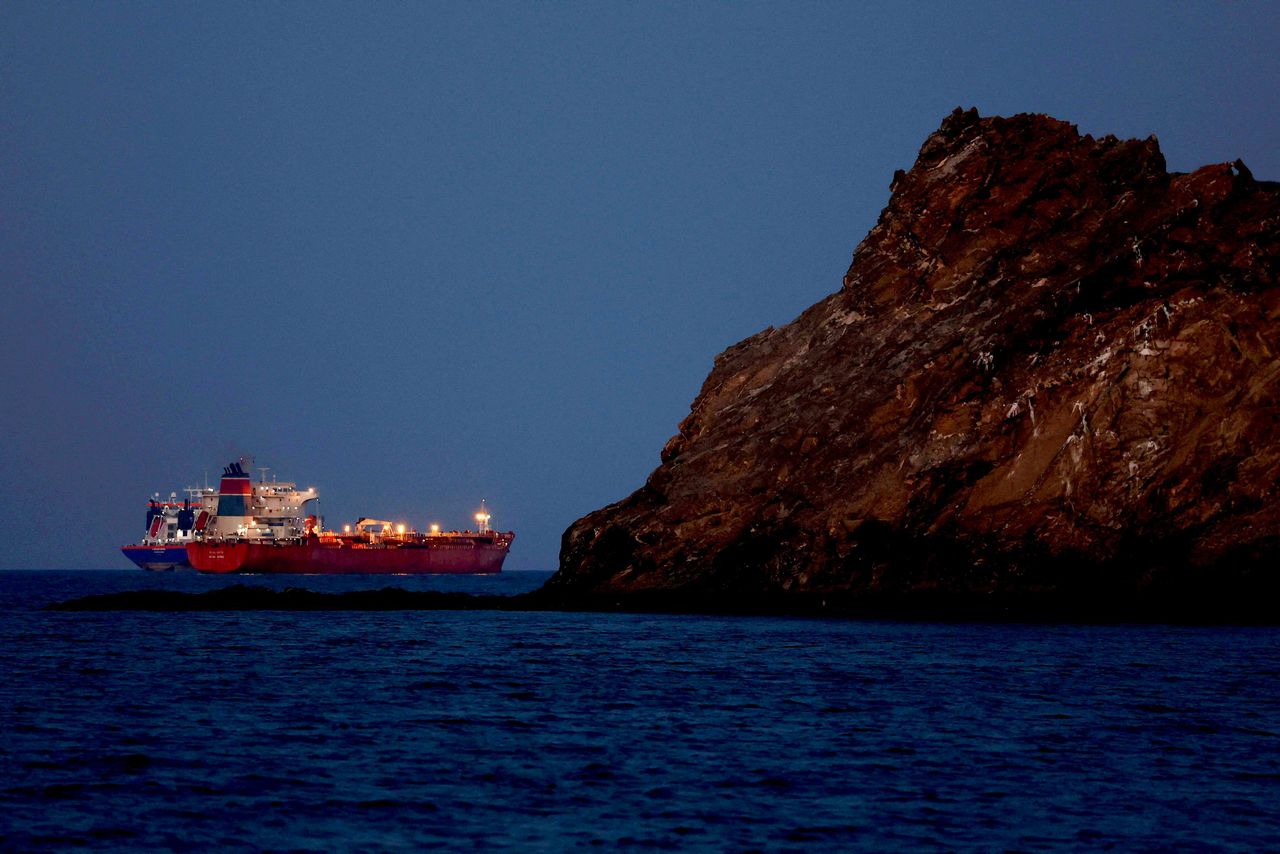
Legally, the Strait of Hormuz occupies a unique position in international maritime law.
The 167-kilometre waterway — linking the Gulf with the Sea of Oman and narrowing to about 33 kilometres at its tightest point — lies within the territorial waters of Iran and Oman. However, this does not grant either state unrestricted control over passage.
According to Sanjeet Ruhal, Nippon Foundation Lecturer on International Maritime Security Law at the International Maritime Law Institute in Malta, the Strait is not subject to sovereign international “control.”
“The Strait of Hormuz is not controlled by the international community in a sovereign sense. Iran and Oman retain sovereignty over their respective territorial seas, but that sovereignty is limited by the right of transit passage in straits used for international navigation: passage must be continuous and expeditious, and it shall not be impeded,” Ruhal told TRT World.
He added that while coastal states may impose limited regulations related to safety, navigation, and environmental protection, they cannot legally restrict or condition the fundamental right of passage.