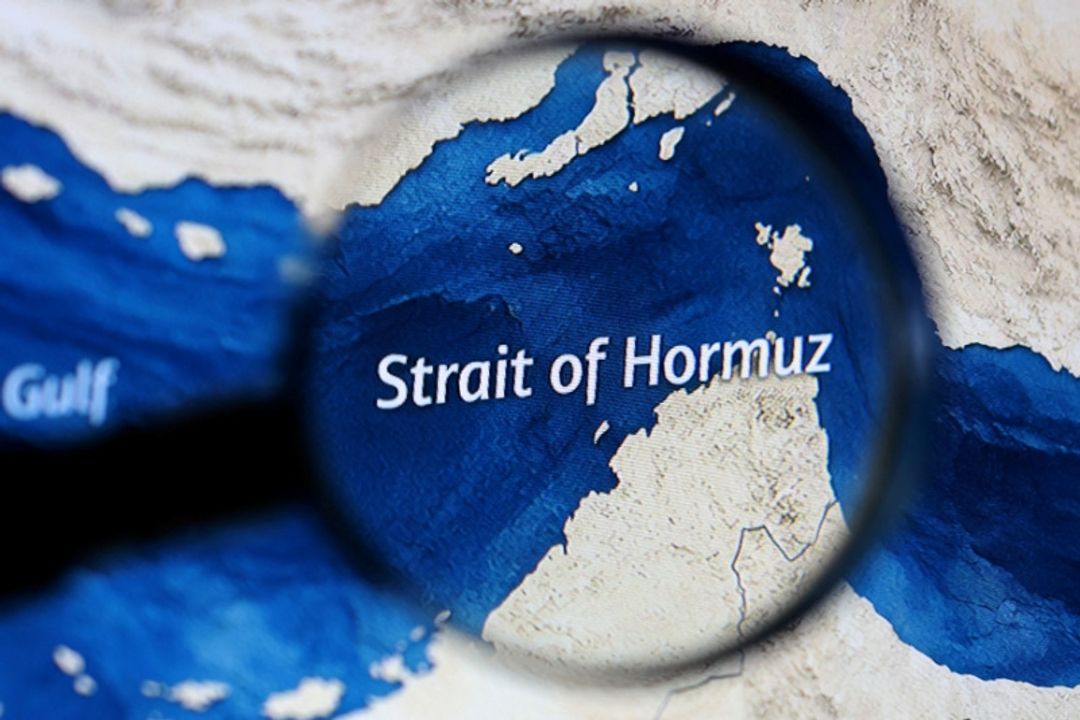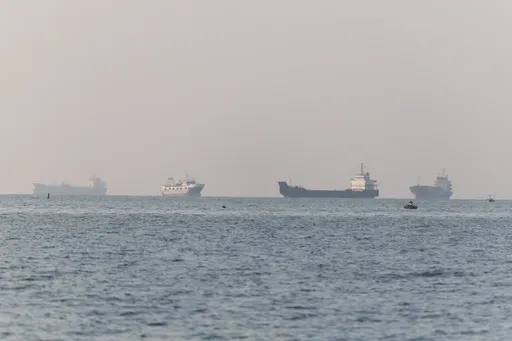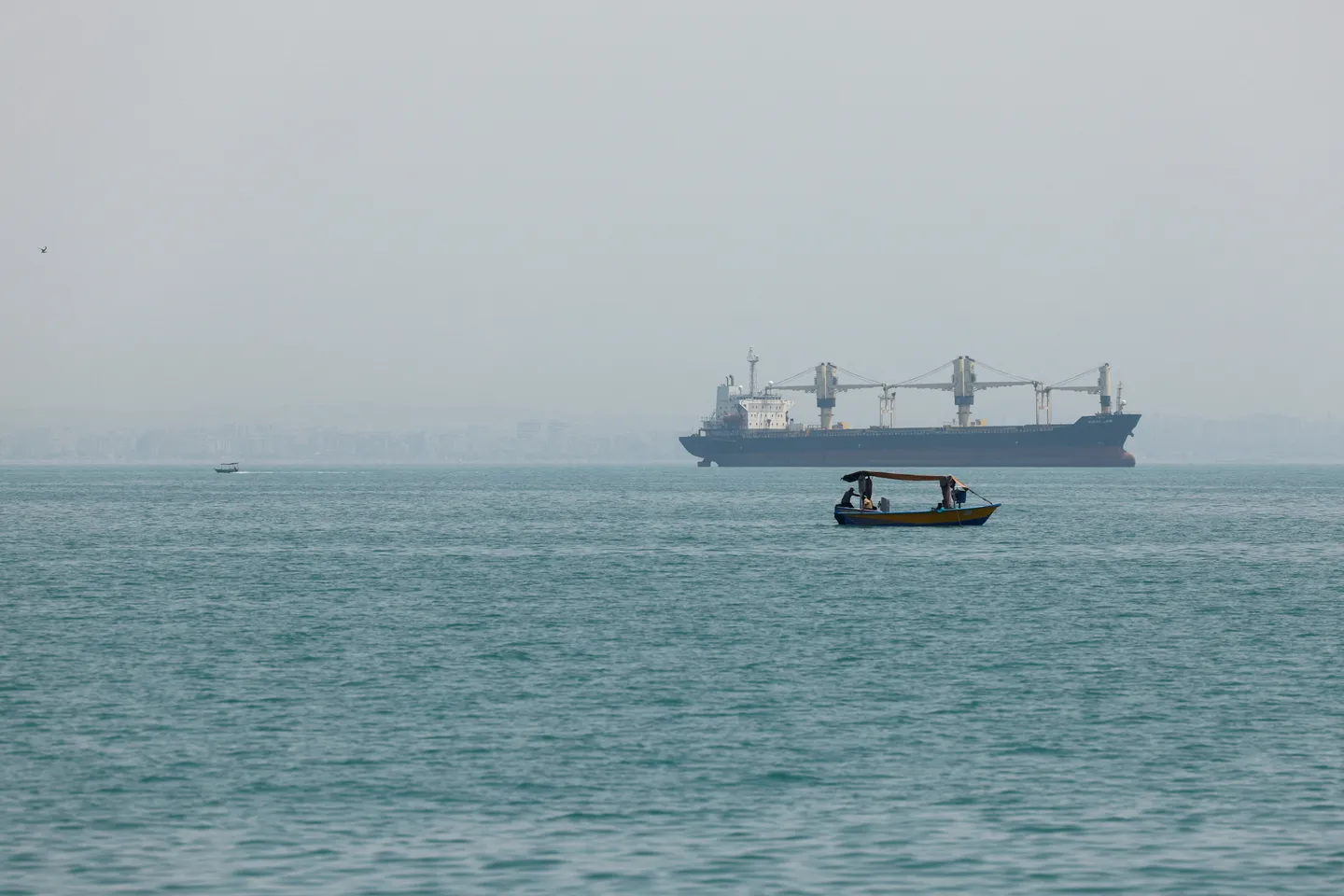
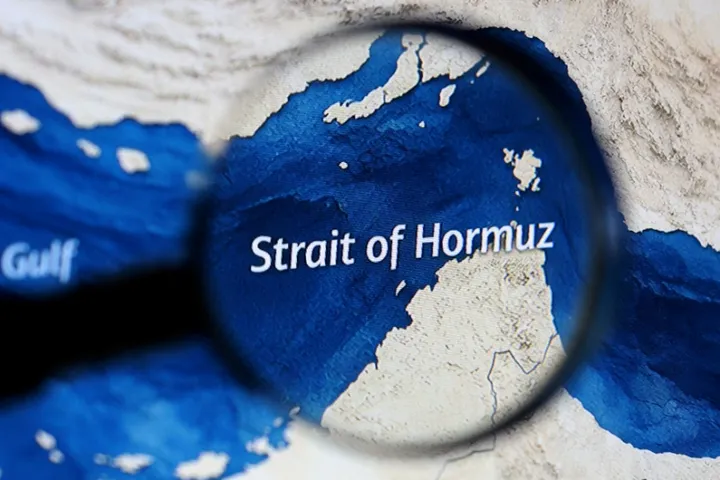
Iranian Foreign Minister Abbas Araghchi has accused the United States of violating the Strait of Hormuz provisions of the post-war Islamabad memorandum of understanding, saying Washington sought to undermine Tehran’s authority over the strategic waterway by opening an alternative shipping corridor.
In an interview published Saturday by the state-run Iran newspaper, Araghchi rejected criticism that Article 5 of the memorandum was ambiguous, insisting that the provision clearly assigns Iran responsibility for restoring navigation through the Strait of Hormuz.
Araghchi said Article 5 stipulates that Iran will take the necessary measures to reopen the Strait of Hormuz within one month, including determining shipping routes and carrying out mine-clearing operations.
He said the agreement also provides for navigation-related services to be offered free of charge for 60 days, after which Iran and Oman are to negotiate a long-term framework for managing the strategic waterway and related maritime services.
“The article is completely clear from our perspective,” he said.
‘US violated the agreement.'
Araghchi accused Washington of violating the memorandum by opening a separate southern shipping corridor before the one-month implementation period had expired.
“When Article 5 says Iran will make the arrangements, it means Iran determines the route and the necessary mechanism,” he said. “If the Americans believed another corridor should be added or removed, they should have consulted Iran.”
He said the route designated by Tehran had been selected based on security and navigational safety considerations because mine-clearing operations were still underway.
According to Araghchi, the alternative route was introduced about 10 days after the strait was reopened, despite two weeks remaining before the agreed implementation deadline.
He said Tehran repeatedly warned Washington through the direct communication line established following talks in Switzerland, as well as through Qatari and Pakistani mediators.
“I personally conveyed these messages both directly and through the Qatari and Pakistani mediators,” he said, adding that Iran urged Washington to wait until the implementation period expired before judging Tehran’s compliance.
“We saw no goodwill in America’s behaviour,” Araghchi said.
“It appeared they were determined either to create tensions or to weaken Iran’s sovereignty and management over the Strait of Hormuz.”
He also claimed maritime communications showed ships were encouraged to avoid the route designated by Iran in favour of the southern corridor, even though, according to Tehran, it was slower and posed greater navigational risks.



Regional trust
Asked about Iran’s relations with Arab countries following the 40-day war, Araghchi acknowledged that tensions remained but said he believed there was growing regional willingness to rebuild trust.
He said Iran had maintained continuous contacts with neighbouring countries to explain that its military actions were aimed at responding to attacks rather than targeting regional states.
Araghchi complained that US forces had used facilities in some regional countries during the conflict, saying Tehran believed such actions had occurred either with the countries’ knowledge or through misuse of their territory.
Despite those grievances, he said regional governments increasingly recognise that security and stability must be achieved collectively rather than through reliance on foreign military powers.
“I see the will to rebuild trust,” he said. “We are neighbours and will remain neighbours. We must live together in peace.”
He argued that the recent conflict had demonstrated that hosting foreign military bases does not necessarily enhance security and, in some cases, can become a source of insecurity.
Yemen
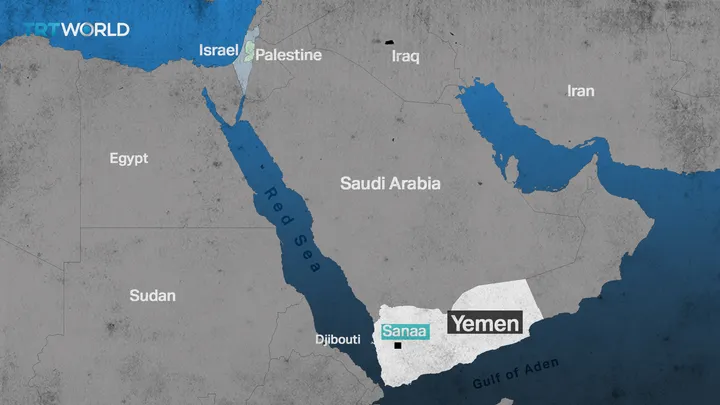
Commenting on developments in the Bab al Mandab Strait, Araghchi said the Yemen conflict should not be viewed through the prism of Iran but as a longstanding regional issue involving Yemen, Saudi Arabia and other neighbouring countries.
He reiterated that there is no military solution to the crisis and urged dialogue between Yemen and Saudi Arabia, as well as among Yemeni parties.
“Iran is ready to play a constructive role if dialogue begins between Yemen and Saudi Arabia,” he said.
Araghchi said Tehran has consistently encouraged diplomacy, expressing hope that current tensions would not further complicate the situation in Yemen.
“The Yemen issue can be resolved through diplomacy and dialogue,” he said. “There is no need for further military confrontation.”