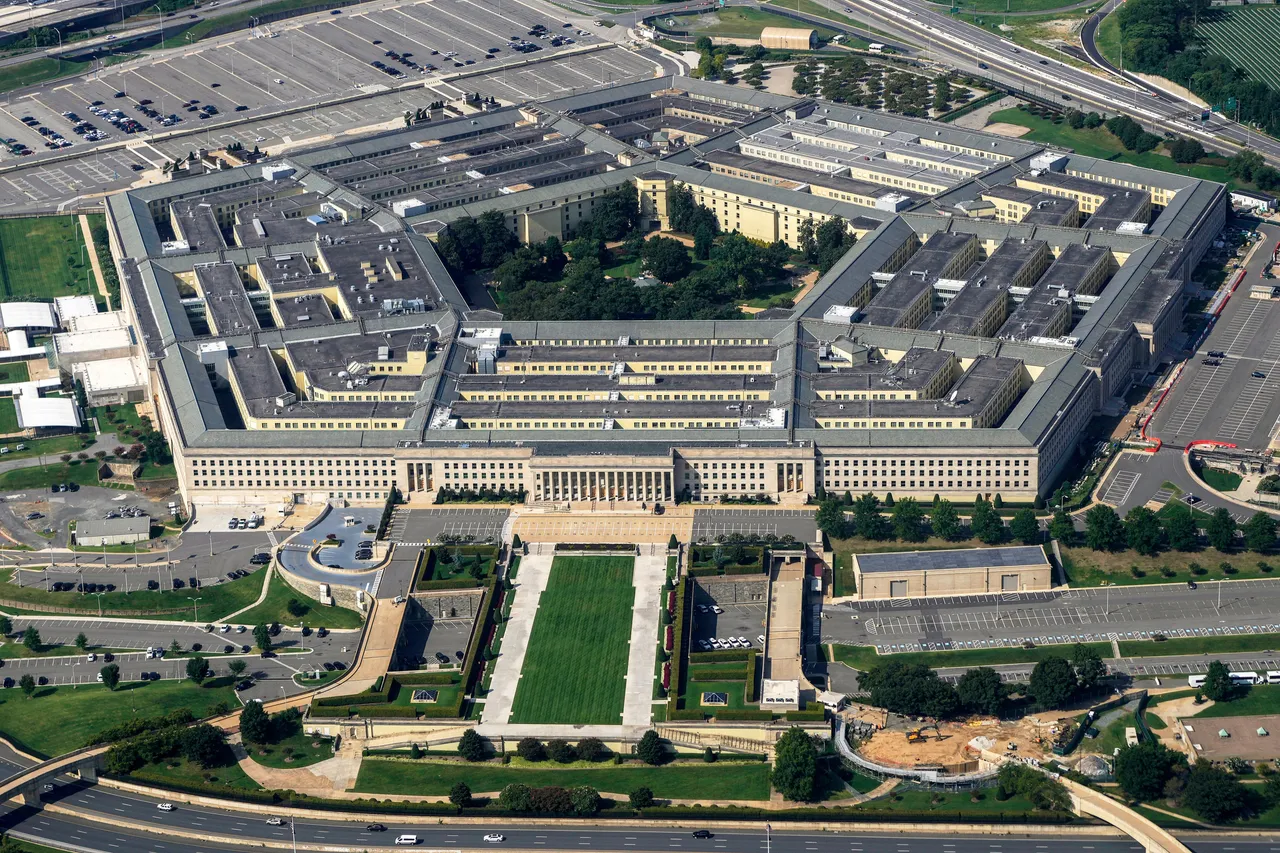
The Pentagon is facing mounting financial pressure from a growing number of unexpected costs, with rising fuel expenses among the most significant.
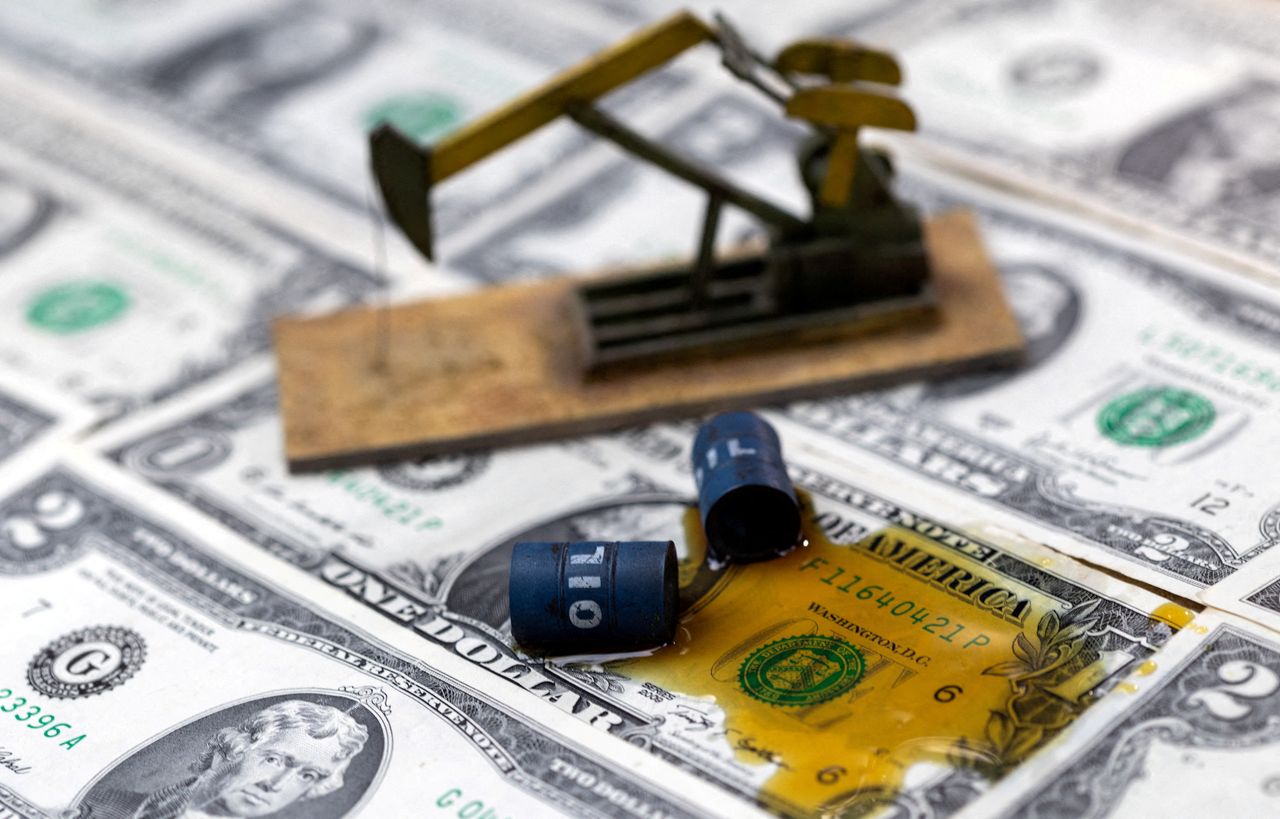
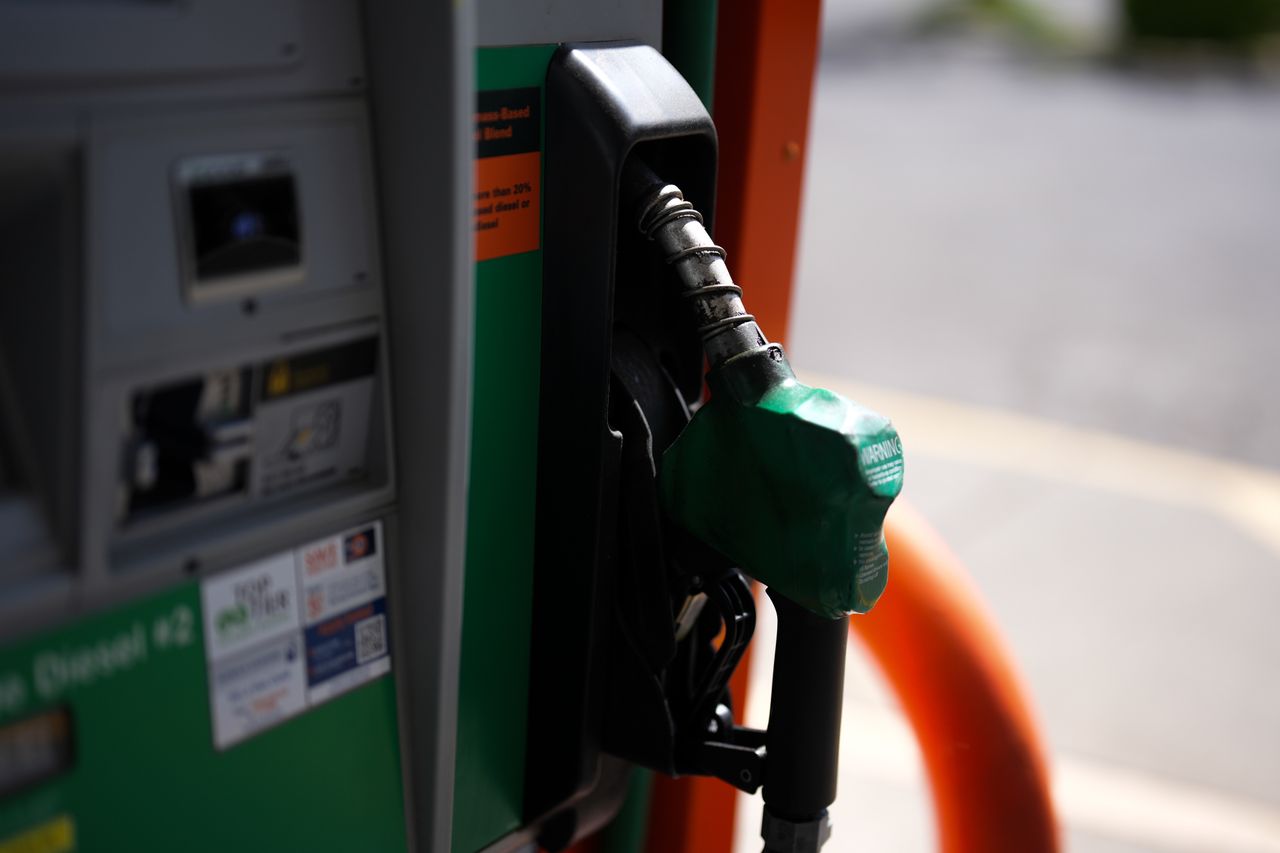
Defense Department records show the average fuel price paid by the military rose from $154.14 per barrel in October to $195.72 in April, marking an increase of nearly 27 percent in six months.
These figures reflect average costs across roughly two dozen fuel types, including gasoline and jet fuel, a report by ABC News showed on Wednesday.
Fuel prices have surged during the Iran war, potentially adding more than $1 billion in unplanned costs this year to operate military aircraft, tanks and other equipment. The Defense Department reportedly consumes about 80 million barrels of fuel annually.
Military leaders are also contending with rising civilian fuel and commercial airfare costs. Because troops frequently rely on commercial flights, rental cars, and reimbursed personal vehicle travel for training and other activities, these increases are placing additional strain on budgets.

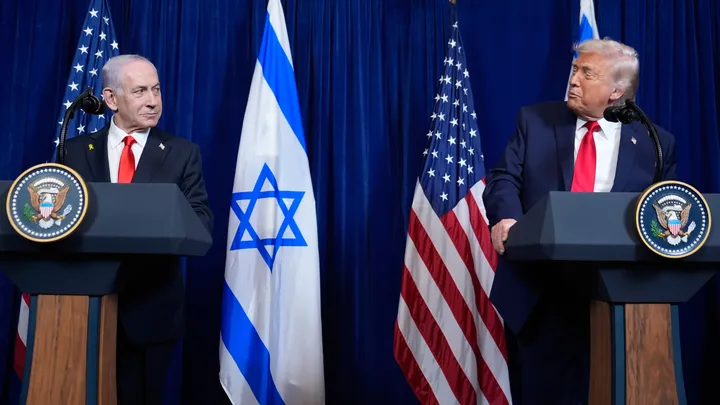




Sweeping cuts to training
As a result, travel spending has come under intense scrutiny. The report said that since at least April, some units have significantly reduced or cancelled travel for training and other events to contain costs.
"Current energy market dynamics are increasing fuel costs, which can affect the costs of transporting personnel, supplies and equipment," Lt. Col. Orlando Howard, an army spokesperson, said.
The report also said that the US Army has been forced to make “sweeping cuts to training as it grappled with a $4 billion-$6 billion shortfall through the remainder of the fiscal year, ending on September 30.
The deficit is driven by several factors, notably the US/Israeli war on Iran, increased border missions, and the National Guard’s ongoing deployment in Washington, DC, the report said.