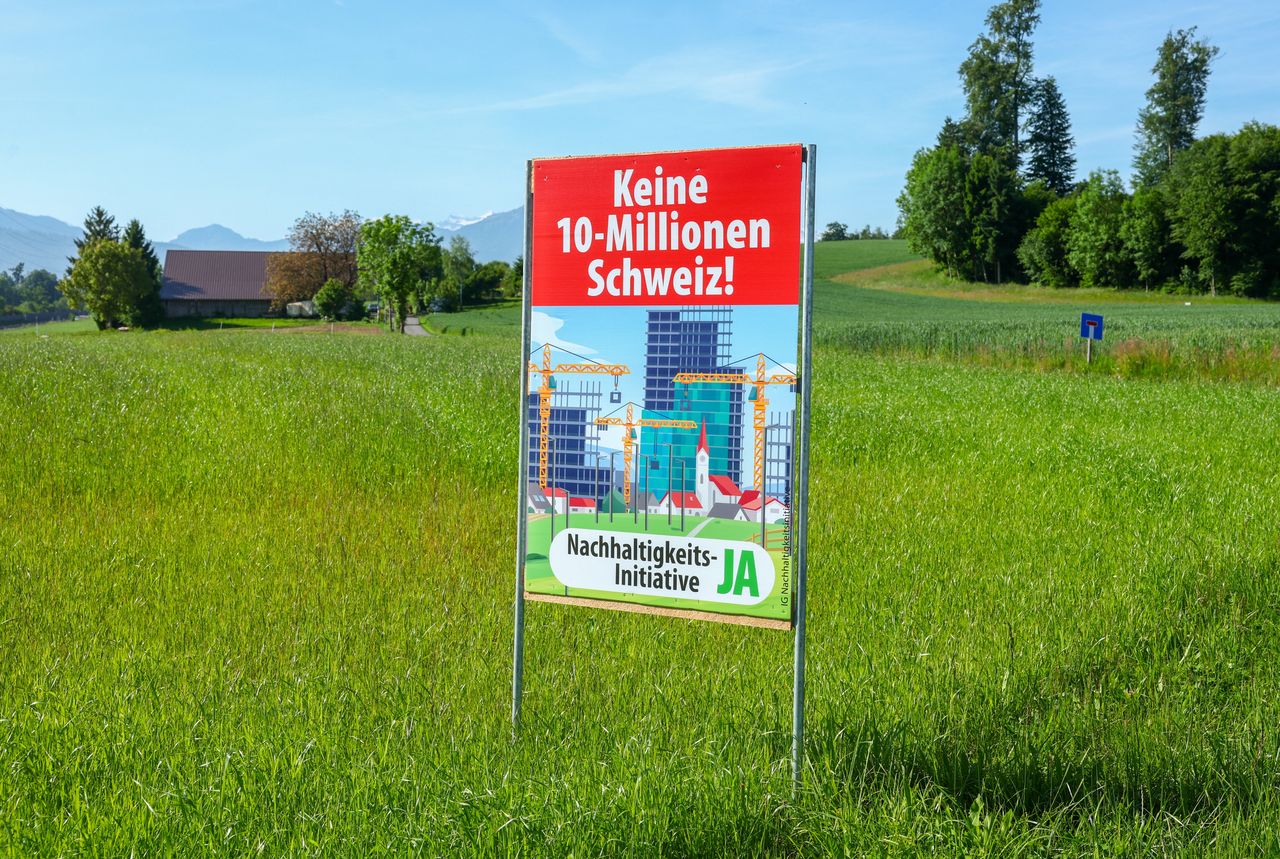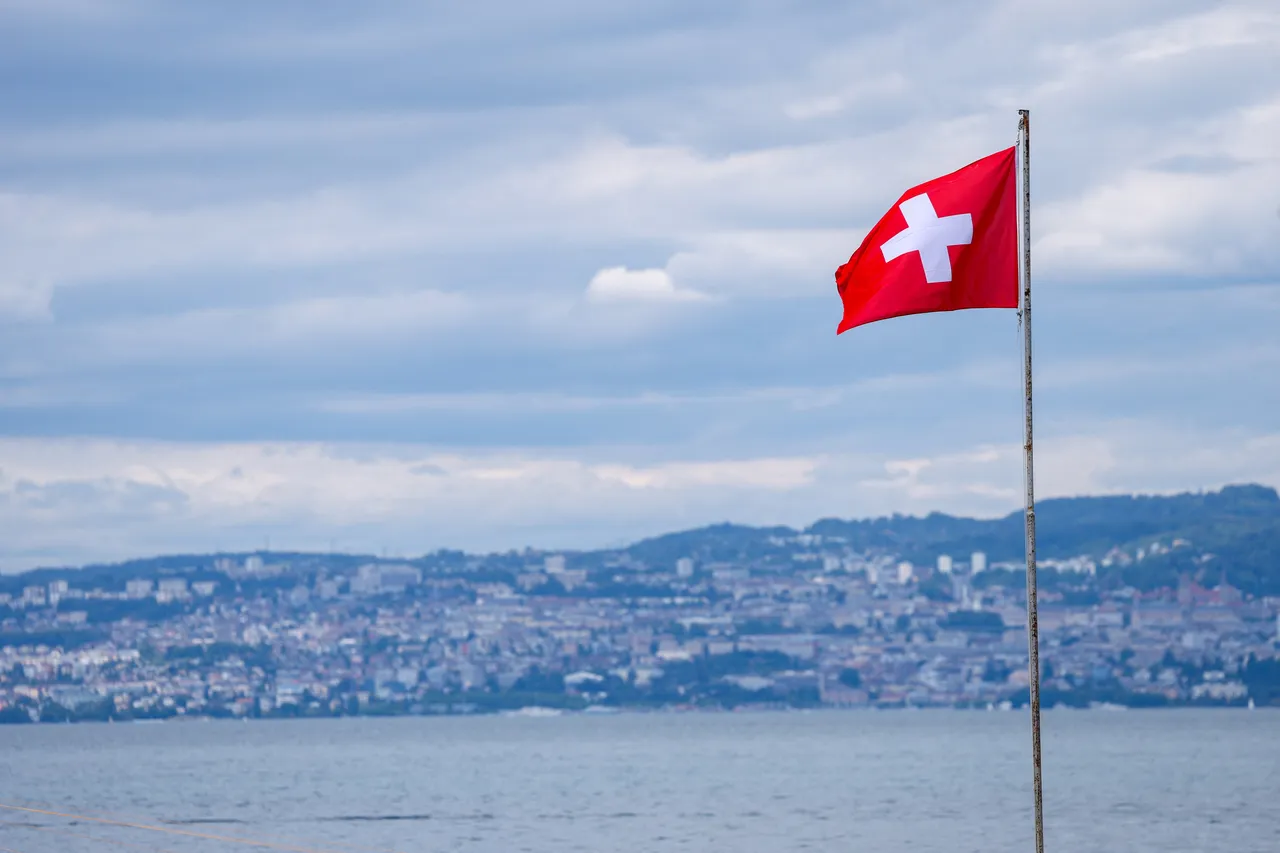
Switzerland is all set to hold a referendum on a proposal to cap its population at 10 million, a move some have likened to Britain's Brexit vote that could have far-reaching consequences for the economy and relations with the European Union.
The Sunday vote, open to citizens aged 18 and above, is expected to be tightly contested.
Recent polling suggests opposition to the population cap is leading for the first time.
If approved, the proposal would oblige the federal government to limit family reunification for resident migrants and curb new asylum applications once the population reaches 9.5 million.
Should it rise to 10 million, Bern would be constitutionally required to abandon its free movement agreement with the European Union, putting at risk access to a market that takes in more than half of Swiss exports.
What is the proposal?
The proposal states that Switzerland's population, currently 9.1 million, must not exceed 10 million by 2050. That is not expected to occur until the early 2040s.
Once the population reaches 9.5 million, the government would have to introduce stricter immigration rules, notably in asylum and family reunification. That is forecast to happen by about 2031, but could be as soon as 2029.
Once it hit the 10 million mark, Swiss authorities would be obliged to take "all available" measures to respect the limit, including potentially terminating international agreements that contribute to population growth.
If the population was not brought within the limit within two years, and no special provisions were agreed to comply with it, Switzerland would have to end its 1999 freedom of movement agreement with the EU at the next possible date.
That agreement allows EU citizens to live in Switzerland if they work or study there, with Swiss citizens having the same rights in the EU.
The right to stay, which also includes family members, may apply after employment ends. Switzerland has an "emergency brake" on free movement in case of "serious economic or social problems", subject to arbitration.
Why has it been launched?
Switzerland's population has grown significantly faster than that of the EU since the freedom of movement accord with the bloc came into force in 2002.
Many immigrants are drawn to the Alpine country by its higher wages and low taxes, which have helped bring in companies and created demand for skilled labour.







The right-wing Swiss People's Party, or SVP, launched the population cap initiative, arguing that public services and housing have come under pressure from mass immigration, and that crime has also risen.
What does it need to pass?
For the proposal to be accepted, a majority of voters and of Switzerland's cantons, or states, must back it.
Swiss voters in 2014 narrowly backed an SVP initiative to reintroduce immigration quotas with the EU, though its impact was diluted in the ensuing political process.
What could a cap mean for economy?
Switzerland has an ageing population and relies on immigrants to fill many jobs. Most come from Europe.
Today, foreigners make up almost 28% of the permanent population, and a recent study showed they accounted for nearly two-in-five company founders in Switzerland.
The EU is easily Switzerland's most important trade partner, and in late 2024 the two struck a bilateral accord to deepen economic integration, which the SVP opposes.
That deal is moving through parliament and is likely to face a tough referendum in Switzerland, which US President Donald Trump last year hit with the highest tariffs in Europe.
Freedom of movement is a pillar of the EU single market, and any attempt to restrict European workers entering Switzerland could upend bilateral relations.
What do both sides say?
Supporters of the initiative dislike an influx of people from the neighbouring European Union and say that Swiss infrastructure, housing, social programmes, natural resources, and way of life have been strained by demographic growth.
Critics say the passage would amount to a self-inflicted wound, arguing that Switzerland benefits from closer ties with the EU and receives needed labour, expertise and skills from foreigners in sectors such as healthcare, finance, pharmaceuticals and technology.
The federal government and Parliament oppose the idea. EconomieSuisse, a leading association of Swiss businesses, blasted it as an “absurd proposal” that threatens Switzerland’s security and prosperity.