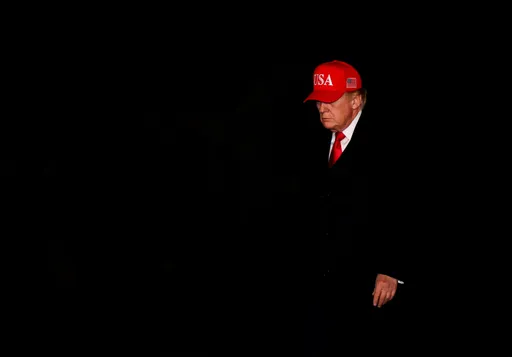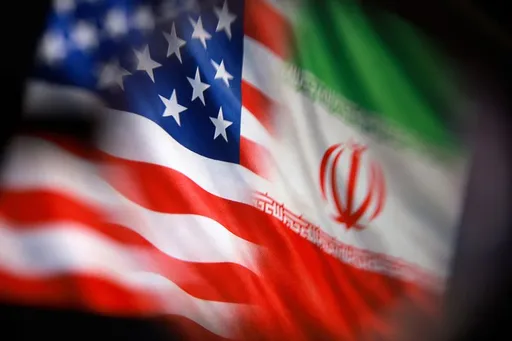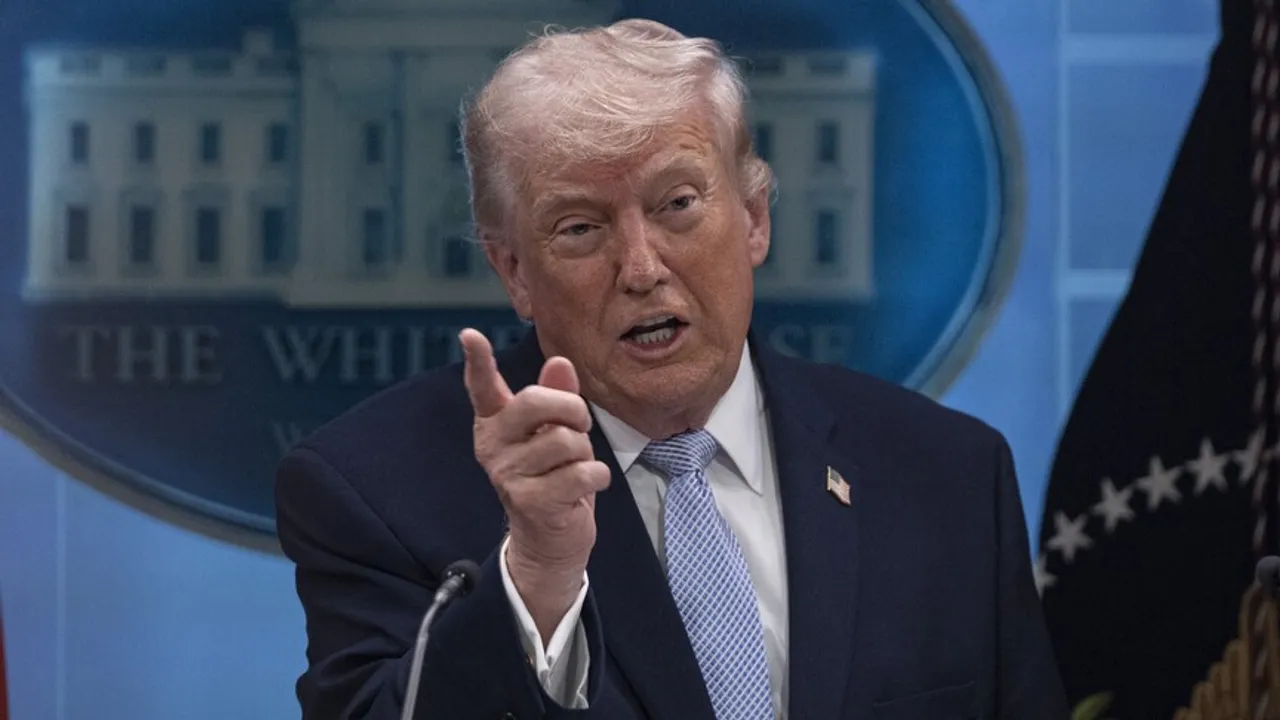
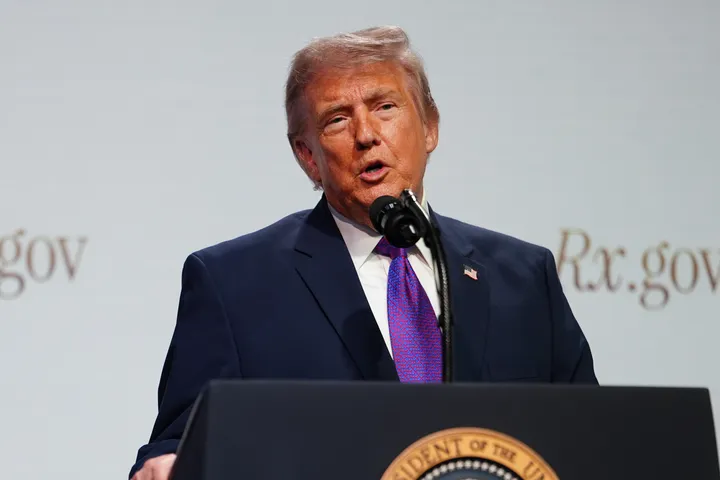
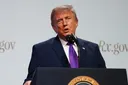
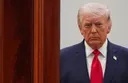
President Donald Trump has said that the US has postponed an attack on Iran planned for Tuesday after direct appeals from the leaders of Qatar, Saudi Arabia, and the United Arab Emirates (UAE).
"I have been asked by the Emir of Qatar, Tamim bin Hamad Al Thani, the Crown Prince of Saudi Arabia, Mohammed bin Salman Al Saud, and the President of the United Arab Emirates, Mohamed bin Zayed Al Nahyan, to hold off on our planned military attack of the Islamic Republic of Iran, which was scheduled for tomorrow," Trump said on his social media platform Truth Social on Monday.
Trump said Gulf leaders told him that "serious negotiations are now taking place" and expressed confidence that a diplomatic agreement could still be reached.
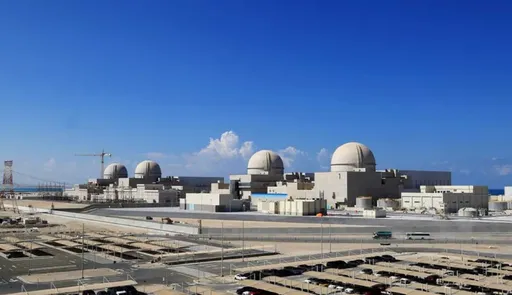
Trump said the proposed deal would include a firm prohibition on Iran obtaining nuclear weapons, describing that issue as a central condition for any agreement.
"This deal will include, importantly, no nuclear weapons for Iran!" he added.
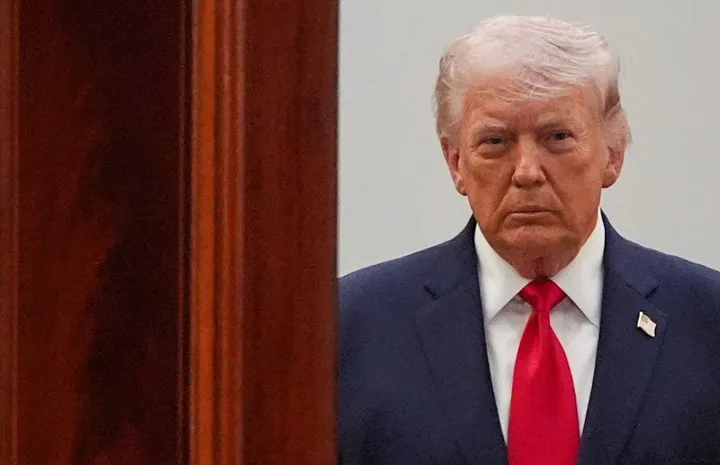
Trump said that, out of "respect" for the Gulf leaders, he had instructed Secretary of Defense Pete Hegseth, Chairman of the Joint Chiefs of Staff General Daniel Caine, and US military commanders to stand down from the planned operation for now.
However, he added that he had instructed the top defence and military officials to "be prepared to go forward with a full, large scale assault of Iran, on a moment’s notice, in the event that an acceptable deal is not reached."
Trump's warnings
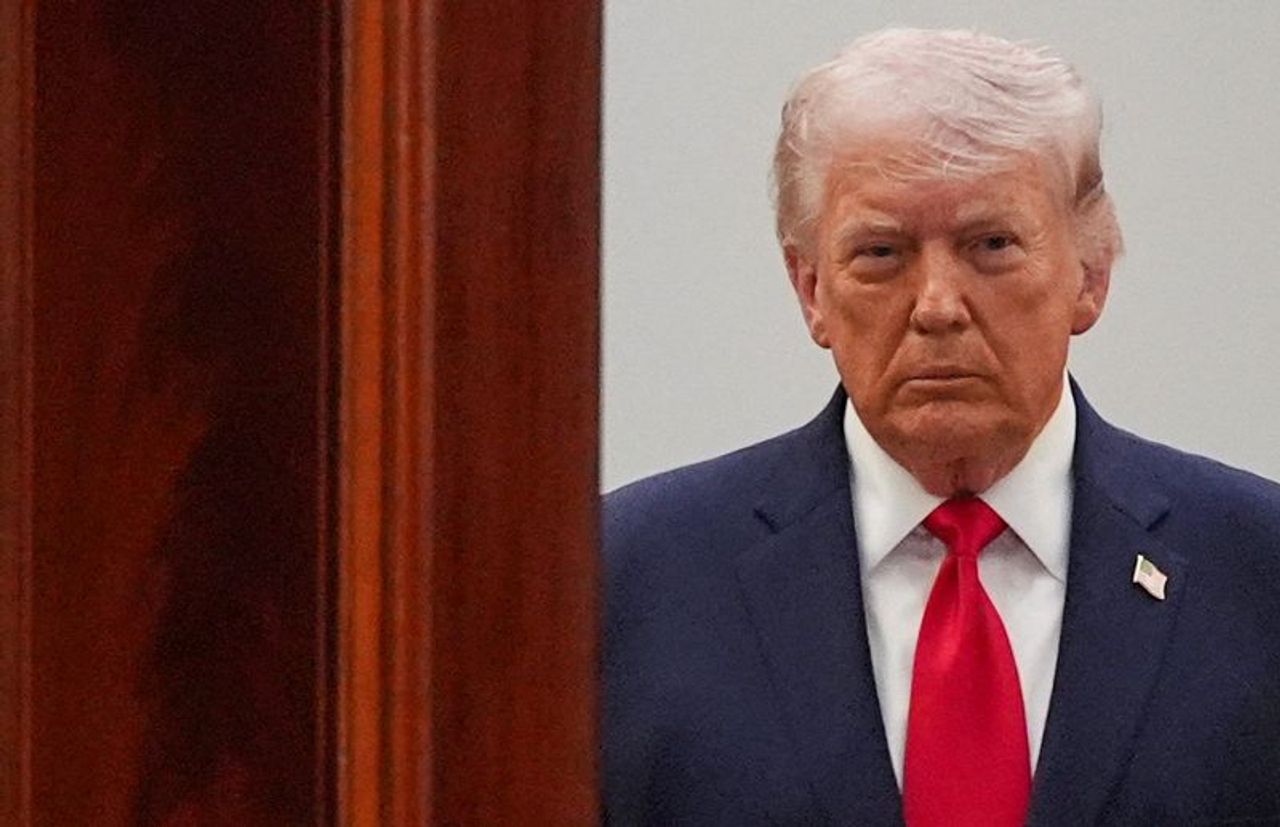
On Sunday, Trump warned Iran, saying the "clock is ticking" for them to "get moving" before "there won’t be anything left of them."
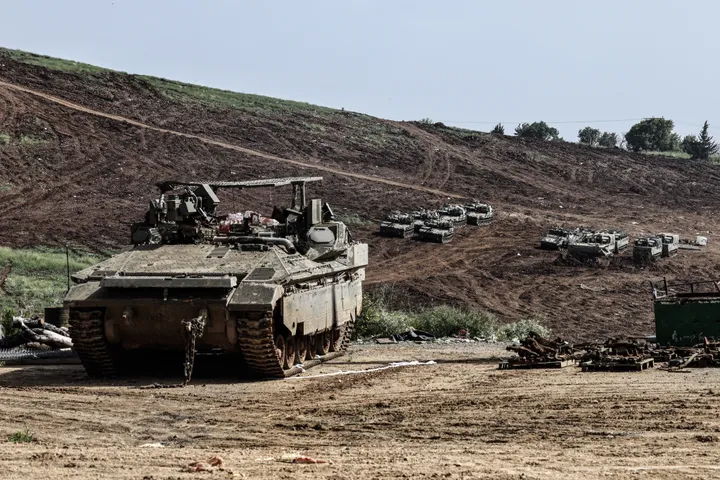
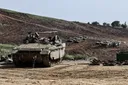

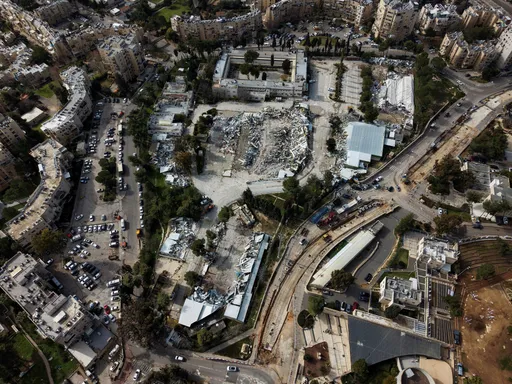
The US joined Israel in attacking Iran on February 28, with strikes quickly killing the longtime supreme leader, Ali Khamenei, and much of the other top Iranian brass.
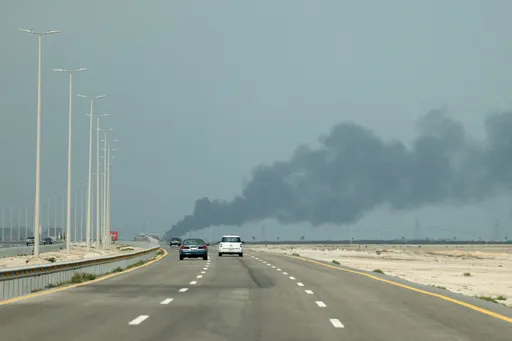
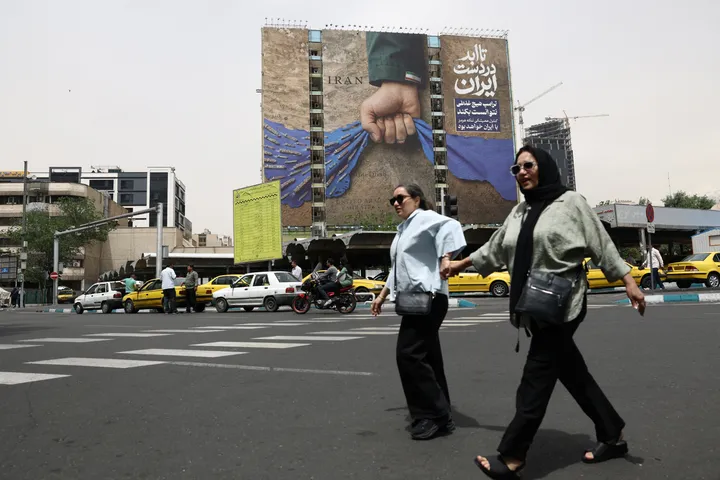
But Iran quickly hit back by exerting control over the Strait of Hormuz, the narrow passageway through which one-fifth of global oil once sailed, and it has rained missiles and drones on US-allied Gulf Arab states.
Iran has largely blocked shipping through the vital strait.
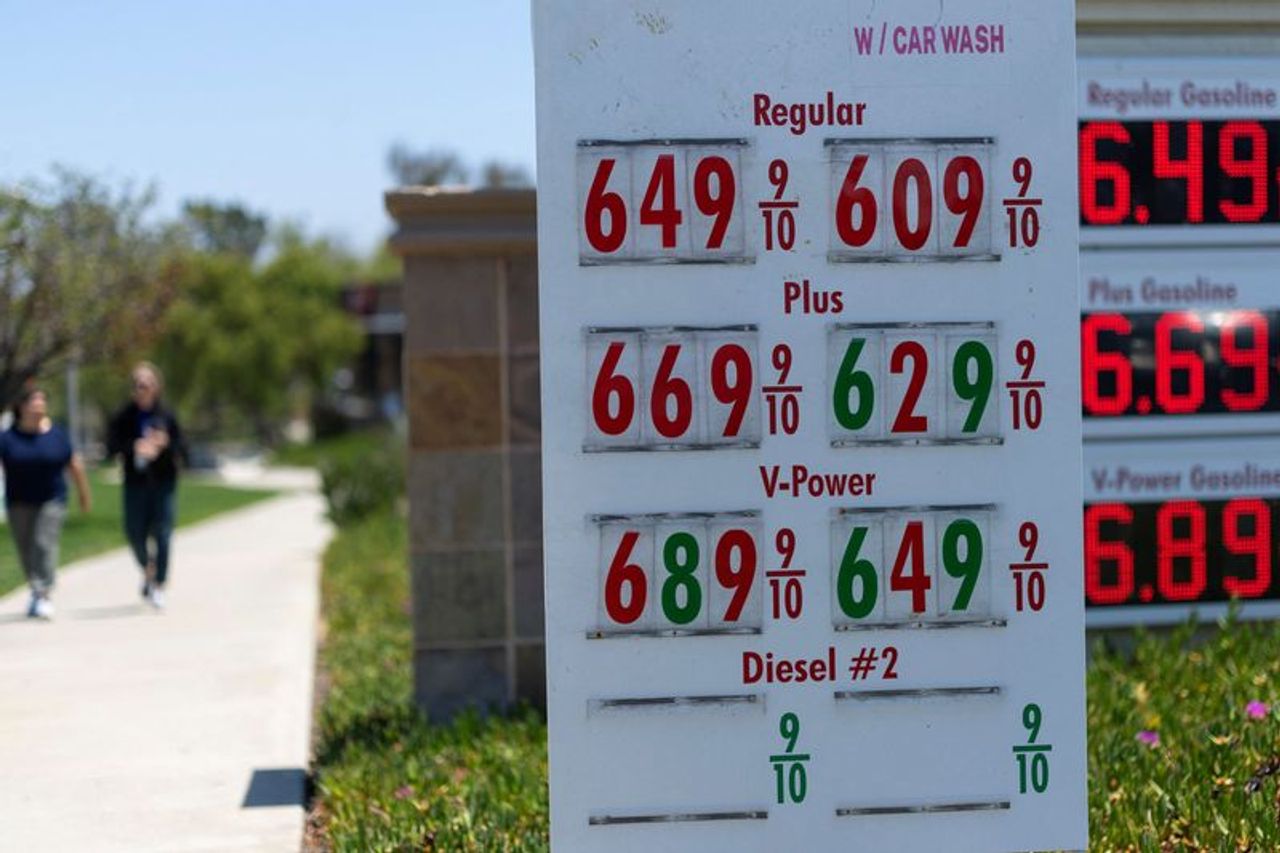
Its grip over the waterway has rattled global markets, while the US has imposed its own naval blockade on Iranian ports.
In peacetime, the route accounts for roughly a fifth of global oil and liquefied natural gas shipments, along with other key commodities including fertiliser.
Following Pakistani mediation, a ceasefire began on April 8. Despite failed talks in Islamabad, President Trump later extended the truce indefinitely.
Since the truce began, Washington and Tehran have swapped proposals in an effort to end the conflict.
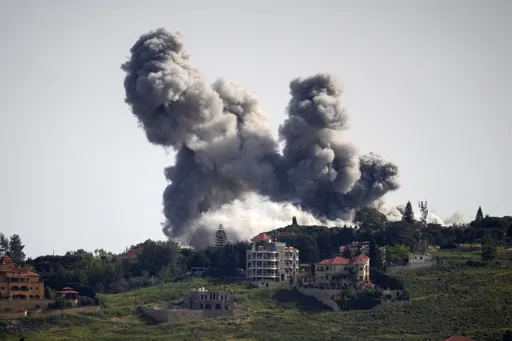
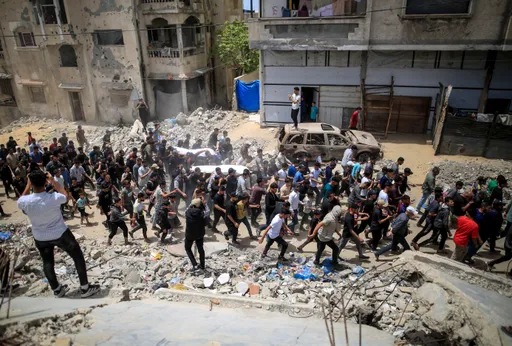
The total number of people killed in the US-Israeli war with Iran is estimated at approximately 6,500–9,100 across the Middle East. Most casualties have been recorded in Iran, where at least 3,468 people killed by US-Israeli attacks.