The European Commission has proposed the 19th sanctions package against Russia, according to the commission's Economy and Productivity Commissioner Valdis Dombrovskis.
"The Commission's proposal for the 19th sanctions package will aim to weaken Russia's already weakened war economy further," Dombrovskis said on Friday during the Eurogroup press conference in Copenhagen.
Commission spokesperson Paula Pinho also announced in a press briefing in Brussels that the Commission has adopted the 19th sanctions package against Russia.
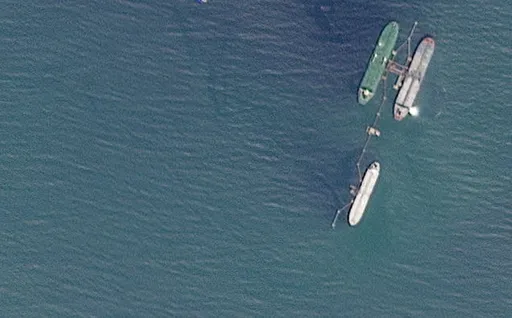
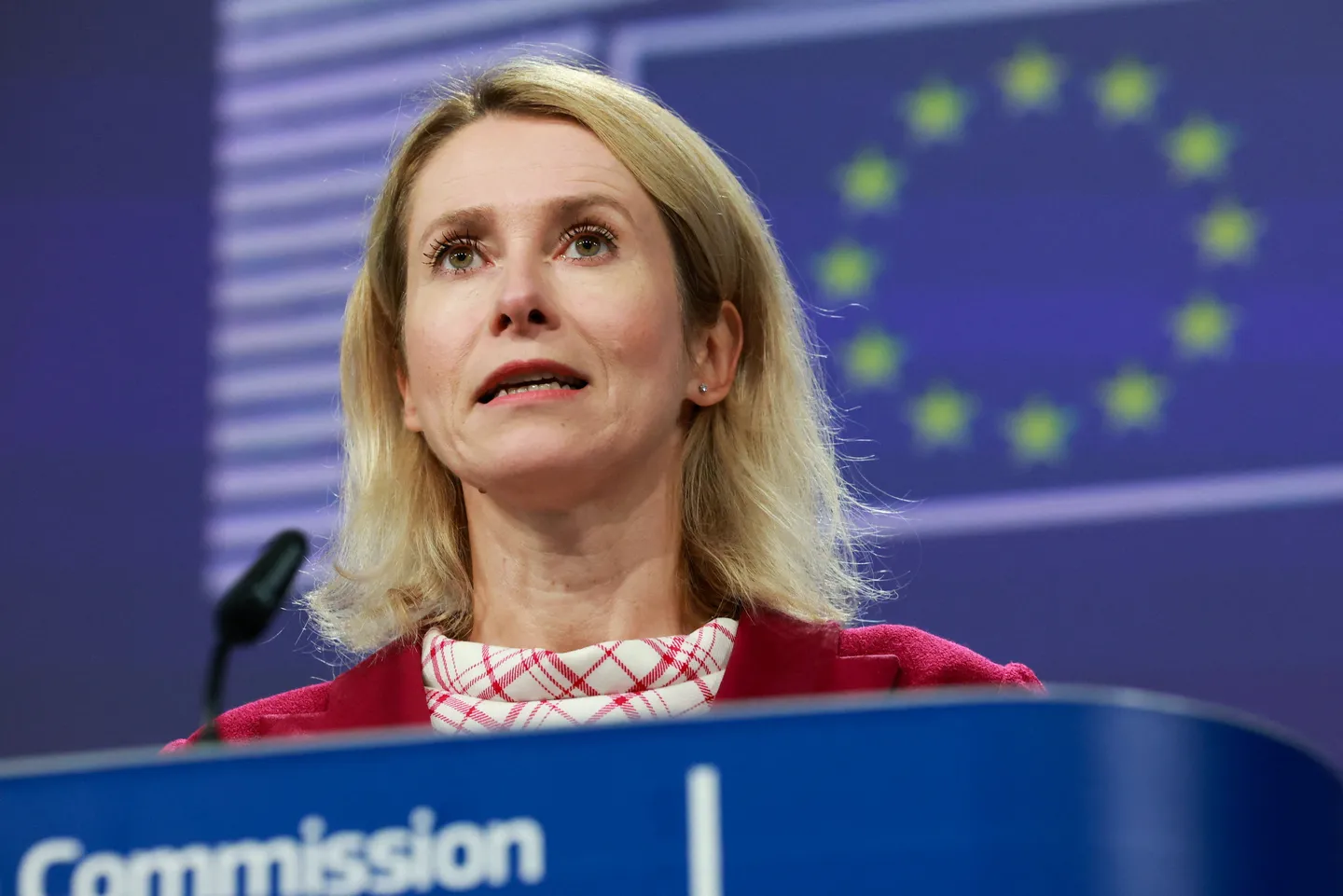
Kaja Kallas, the EU's top diplomat, said the package would designate 118 new vessels as a shadow fleet and enablers and ban re-insurance of listed vessels.
The commission has also proposed to take action against Russian financial evasion schemes in third countries, including through crypto, and to target the Russian credit card system MIR, Kallas said.
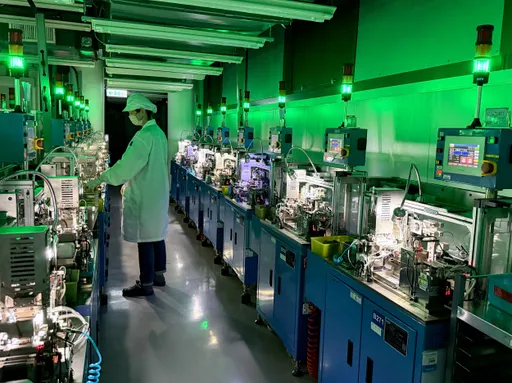
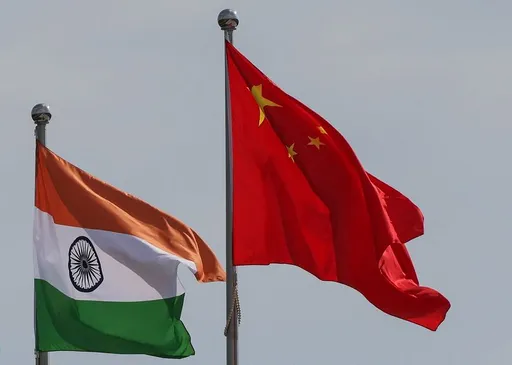
The proposal would add more chemicals, metal components, salts, and ores to the EU's export bans and tighter export controls on entities from Russia, China, and India, Kallas said in a series of posts on the social media platform X.
"We want to strike where Russia gets its money. No sector is off-limits," she wrote.
Stating that no one implemented stronger sanctions than Europe, Dombrovskis emphasised that the sanctions work, particularly as part of a coordinated G7 approach.


He said that G7 sanctions have already inflicted real costs on the Russian economy, ranging in the hundreds of billions.
"But it is clear that we must step up the pressure against Russia further to make its war of aggression unsustainable," Dombrovskis stated.
Ukraine Reparations
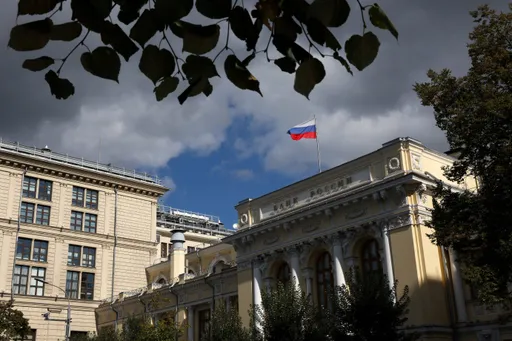
Loan Dombrovskis also announced that they will use the immobilised Russian Central Bank assets as limited-recourse loans to Ukraine, which he called the "Reparations Loan.”
"This, however, would not affect Russia's claim on the financial institutions holding those immobilised cash balances, which would remain fully in place. But this loan would be repaid only if and when Ukraine receives reparations from Russia, so basically it's frontloading the reparations," he said.
"We are now working on technical details, addressing certain concerns and questions to build a legally, financially, and fiscally sound instrument," Dombrovskis added.