The US and Israel had a plan to install a former Iranian hardliner president days after both countries launched a war on Iran and killed then-Supreme Leader Ali Khamenei during initial air strikes on February 28, according to a Tuesday report by The New York Times.
US officials told the Times that the "audacious" plan was developed by the Israelis with the approval of the United States government to replace Tehran's leadership with what President Donald Trump had suggested in the early days of the war: it would be best if "someone from within" Iran took over the country.
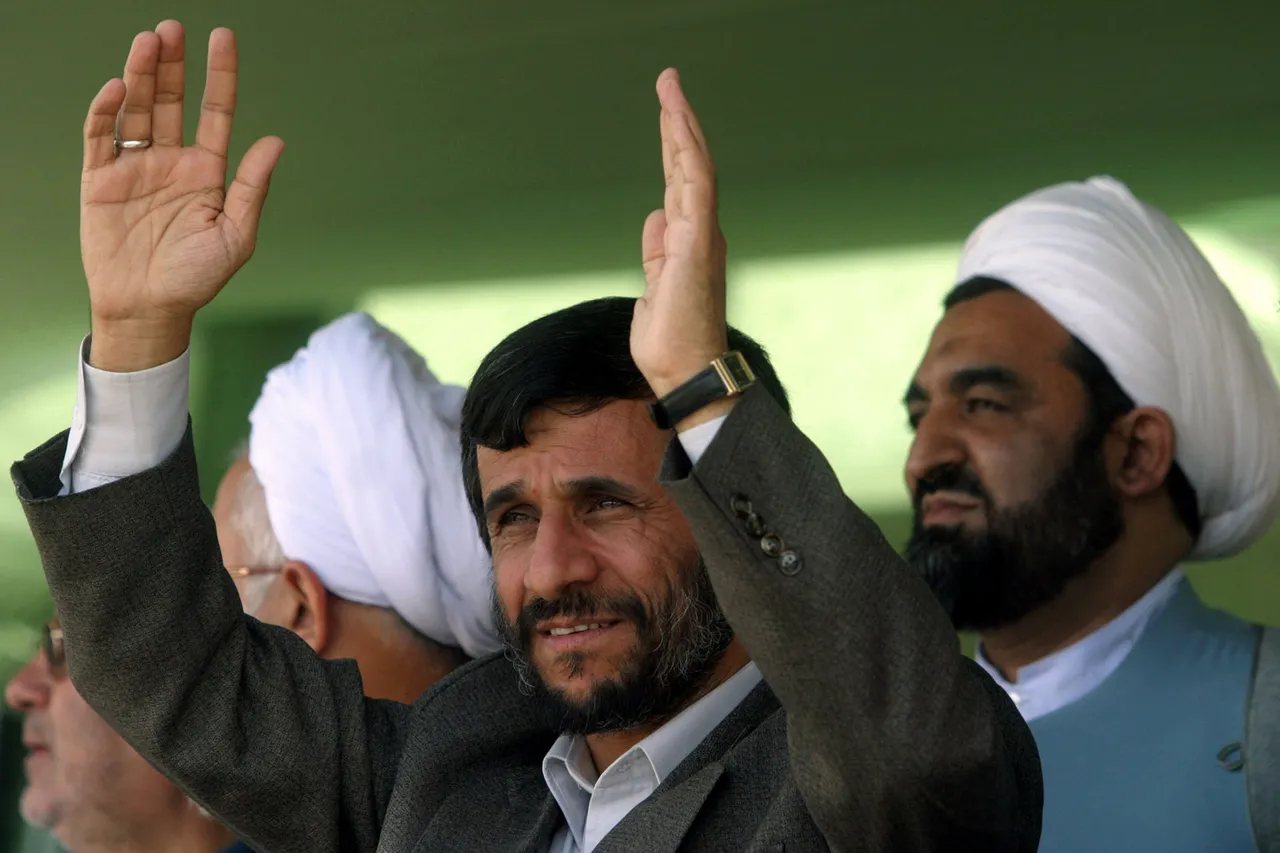
According to the Times, that "someone" was Mahmoud Ahmadinejad, "the former Iranian president known for his hardline, anti-Israel and anti-American views," who was reportedly consulted about the new regime change.
The Times report noted that it is not known how Ahmadinejad was recruited, but that he was an "unusual choice" considering he was known during his presidency from 2005-2013 for his calls to "wipe Israel off the map." He was also "a strong supporter of Iran's nuclear programme, a fierce critic of the United States, and known for violently cracking down on internal dissent."
The initial plan, however, was quickly derailed after Ahmadinejad "was injured on the war's first day by an Israeli strike at his home in Tehran that had been designed to free him from house arrest," according to the officials who spoke with the Times, adding that both Ahmadinejad and US officials "became disillusioned with the regime change plan" after the air strike went awry.
Whereabouts of 'injured' Ahmadinejad

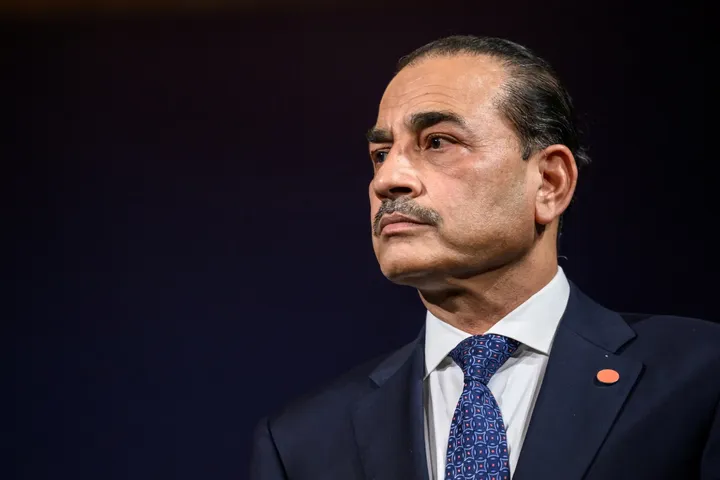


In fact, the Times reported that Ahmadinejad, who initially survived the blast, has not been seen publicly since and that the US did not know of his current whereabouts or medical condition.
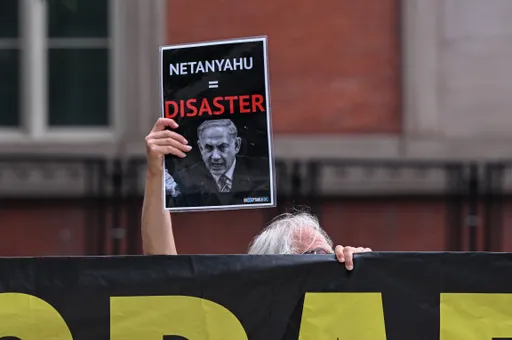
The newly released information about the US-Israeli plan to install Ahmadinejad as Iran's new leader "was part of a multistage plan developed by Israel to topple Iran's theocratic government," according to the Times, and underscored how Trump and Israeli Prime Minister Benjamin Netanyahu "went into the war not only misjudging how quickly they could achieve their objectives but also gambling to some degree on a risky plan for leadership change in Iran that even some of Mr. Trump's aides found implausible."
The White House did not answer the Times' inquiry about Ahmadinejad's role in the regime change plan, but released a statement of the United States' directives for the war on Iran.
"From the outset, President Trump was clear about his goals for Operation Epic Fury: destroy Iran's ballistic missiles, dismantle their production facilities, sink their navy, and weaken their proxy," White House spokesperson Anna Kelly said in a statement. "The United States military met or exceeded all of its objectives, and now, our neighbors are working to make a deal that would end Iran's nuclear capabilities for good."
The plan to replace Iran's leader came in the wake of the abduction of then-Venezuelan President Nicolas Maduro nearly two months prior, on January 3, and the ease with which the US found an interim replacement that would work hand-in-hand with the White House.
That was not the case with the Iran war, however, and now there are many unanswered questions about how the US and Israel planned to put Ahmadinejad in power, including the botched air strike that injured him and tanked their mission.