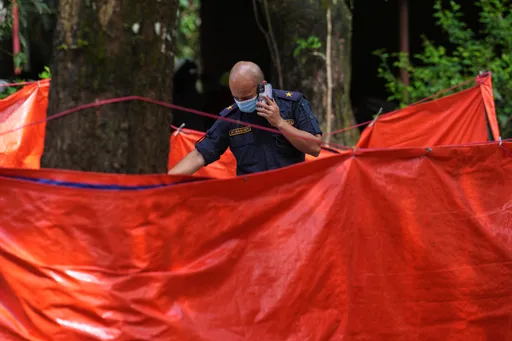
Syria announced that it has begun destroying chemical materials found in the country under the supervision of experts from the Organization for the Prohibition of Chemical Weapons (OPCW), marking what Damascus described as a major step since the fall of the former regime.
Speaking to the UN Security Council on Thursday, Syria’s Permanent Representative Ibrahim Olabi said the operation was the first effort of its kind on Syrian territory in more than a decade.
“I would like to announce before you today a historic moment,” Olabi said, referring to the start of the destruction process under OPCW oversight.
He said the operation demonstrated what diplomacy, political will and international cooperation could achieve, while stressing Syria’s commitment to accountability and cooperation with the international community.
Damascus vows accountability and security
Olabi said Syria was addressing the complex legacy inherited from the former regime in accordance with international law and standards.
He stressed that accountability was non-negotiable and said the destruction effort was designed to protect Syrians, prevent chemical materials from falling into the wrong hands and strengthen regional and international security.
“Every site that is secured, every ammunition that is identified, does not merely remove a danger to Syria but the entire world,” he said.
Delayed action due to Israeli attacks
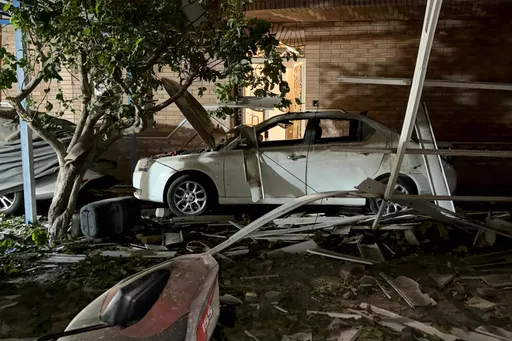
Olabi accused Israel of repeatedly disrupting efforts to destroy the chemical materials, saying attacks had at times halted operations and forced the cancellation of OPCW visits.
He said the attacks had also endangered Syrian and international teams working to secure chemical sites.
“We cannot safeguard the security of the region if our security is exposed to attacks at the hands of Israel,” Olabi said, urging the international community to help create conditions that would allow the destruction process to continue.
US welcomes progress
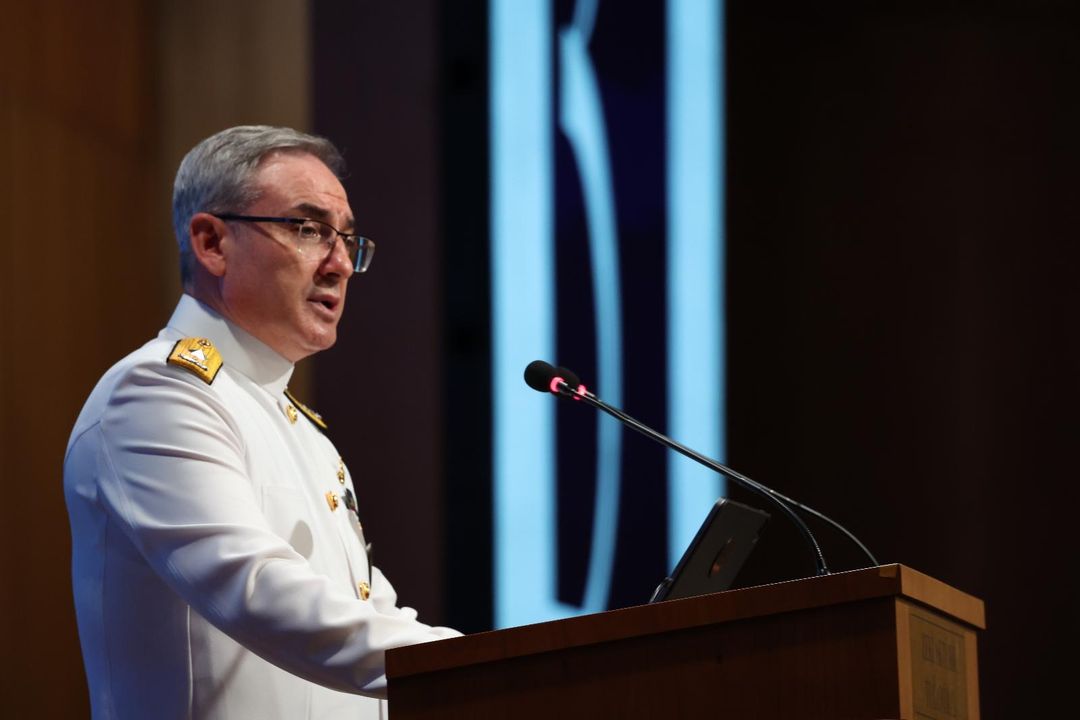
US Deputy Ambassador to the UN Tammy Bruce welcomed Syria’s progress in dismantling remnants of the former regime’s chemical weapons program.
Bruce said the OPCW Executive Council had restored Syria’s rights and privileges under the Chemical Weapons Convention and noted that OPCW inspectors were in Syria to verify the destruction of Category 3 chemical weapons.
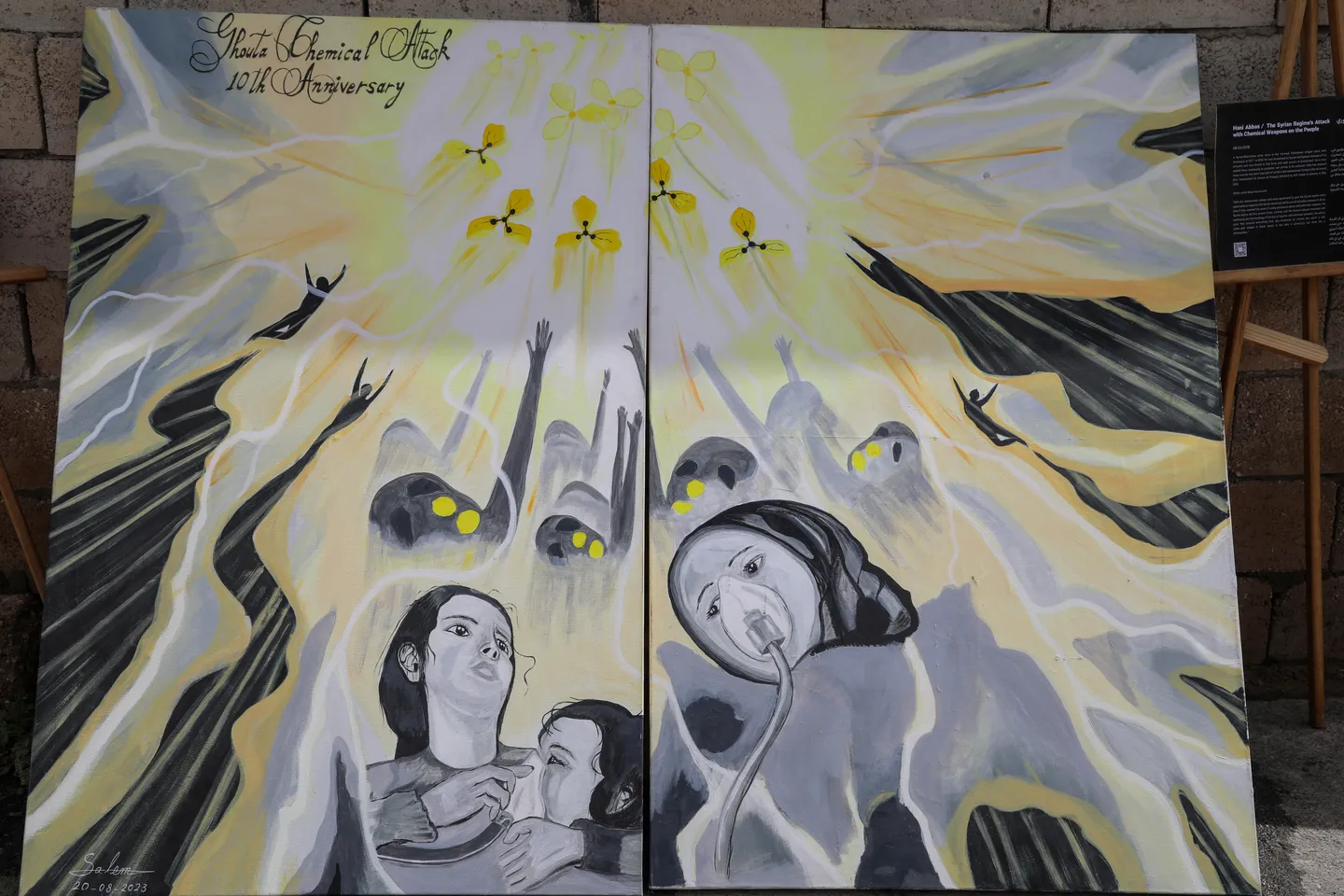
These include empty M4000 aerial bombs and Volcano rockets linked to past chemical attacks in Khan Sheikhoun and Ghouta.
Bruce urged UN members to support Syria’s efforts to eliminate chemical weapons and pursue accountability for those responsible, while honouring victims and survivors of chemical attacks carried out under the Assad regime.