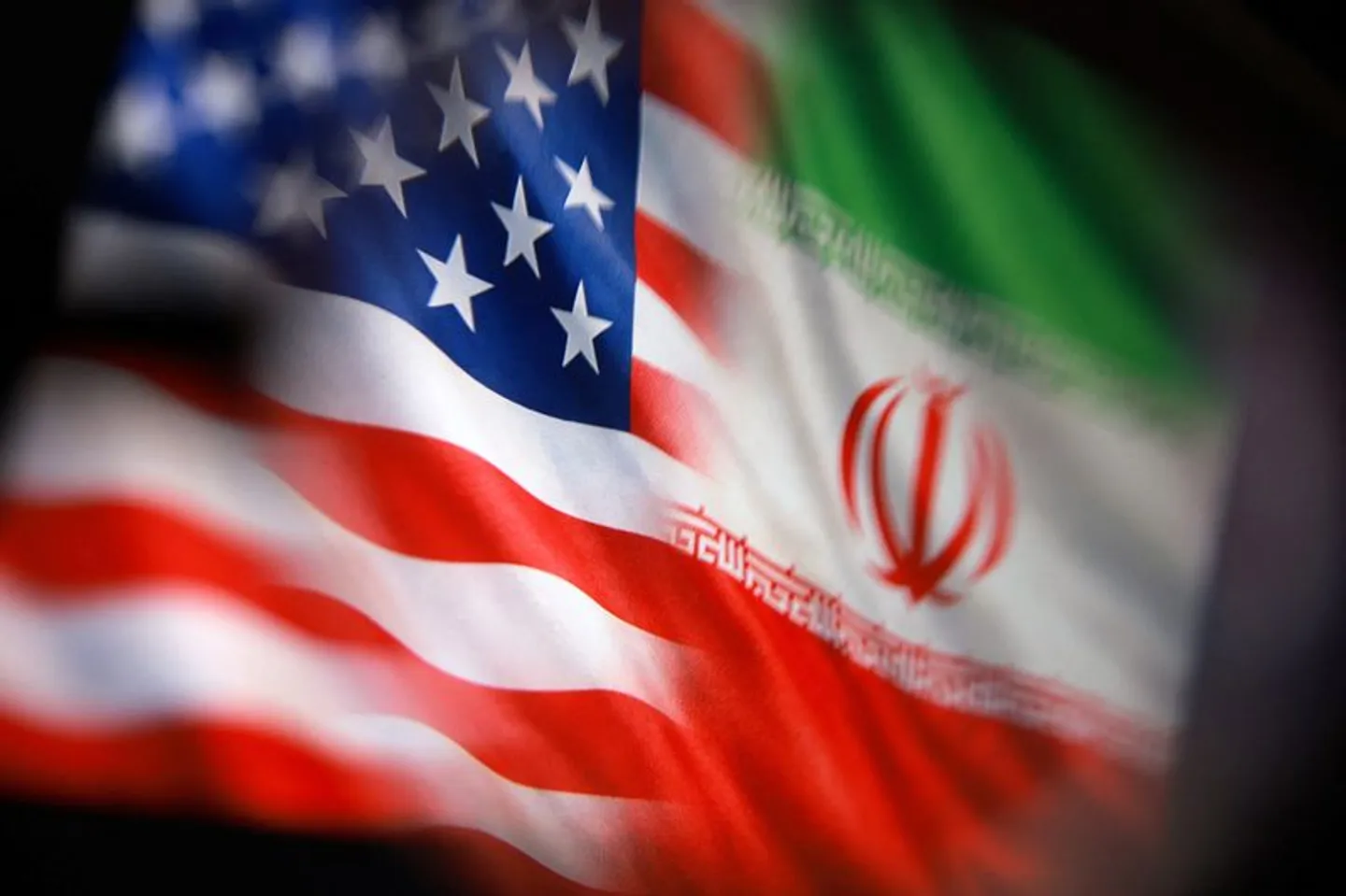
US Treasury Secretary Scott Bessent has threatened to subject Iran to economic isolation "like the world has never seen before," adding that new measures are expected next week.
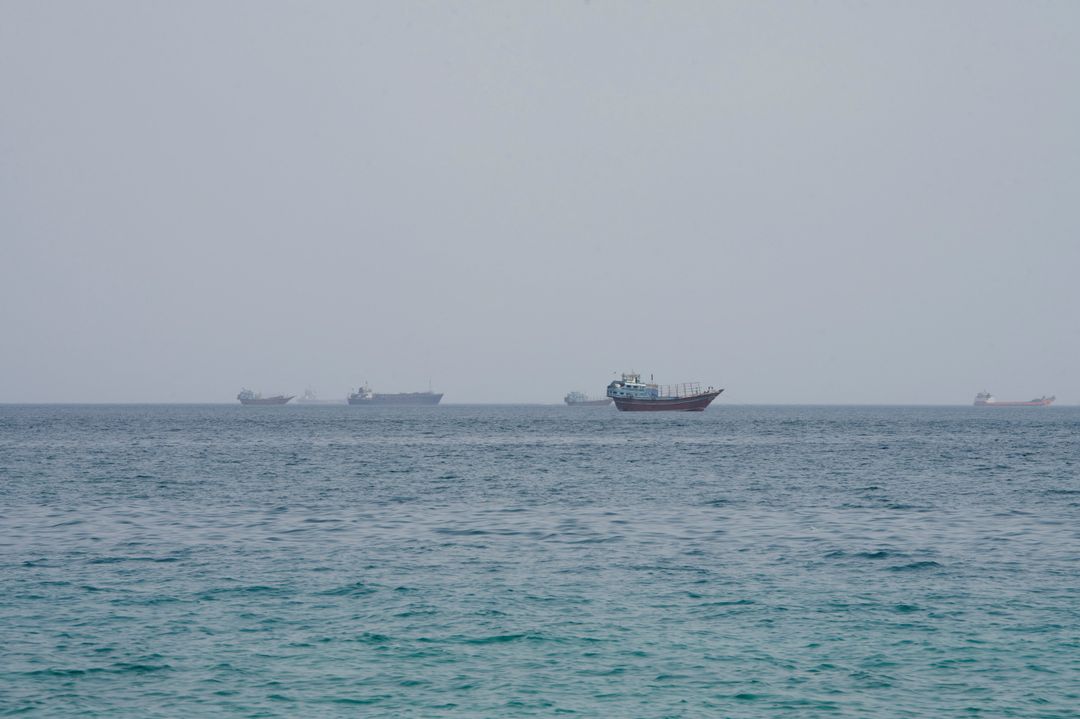
"It will be a combination of economic isolation, like the world has never seen before," Bessent told television network Newsmax on Thursday, adding that "the continued blockade in the Strait of Hormuz... will keep anything from going in or out of the Iranian ports."
"Watch this space for more announcements coming next week," he said.
Bessent described a two-pronged approach featuring financial pressure and a physical blockade of the ports.
Vice President JD Vance said earlier that the top US priority in the war on Iran was bringing oil and gasoline prices down for Americans, with preventing Tehran from acquiring a nuclear weapon now ranking second.
The tougher stance contrasts with remarks by Bessent on August 4, when he told CNBC that an agreement with Tehran to reopen the Strait of Hormuz could be reached within days.
Those comments sent Wall Street higher and oil prices lower.
In July, the Treasury Department expanded sanctions targeting Iran's shipping and financial networks following renewed Iranian attacks on international vessels in the Strait of Hormuz.



US war on Iran
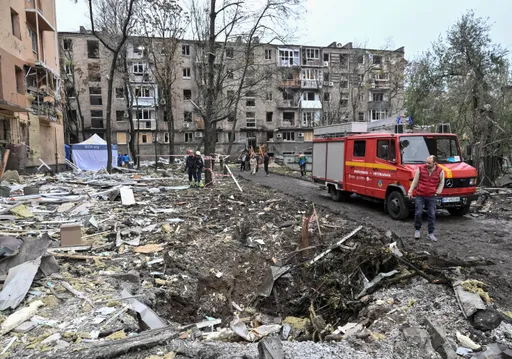
US joined Israel in attacking Iran on February 28, with strikes quickly killing the longtime supreme leader, Ali Khamenei, and much of the other top brass as well as hundreds of civilians.
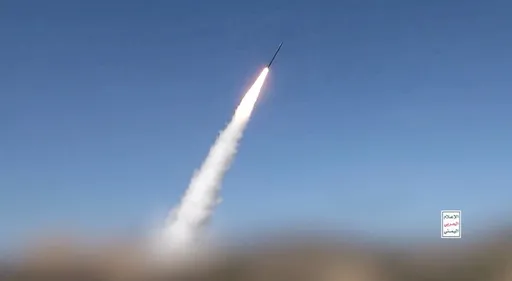
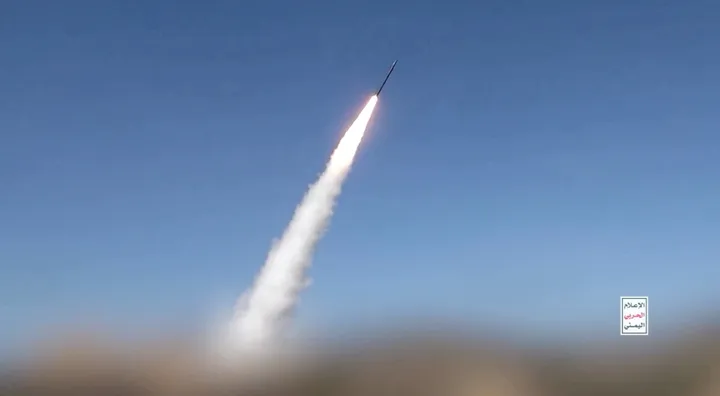
But Iran quickly hit back by exerting control over the Strait of Hormuz, the narrow passageway through which one-fifth of global oil once sailed, and it has rained missiles and drones on US-allied Gulf Arab monarchies, shattering the oil-rich countries' hard-earned reputation for stability.
The US military reportedly burned through stockpiles of costly high-tech missiles and other weapons in the months since the war started at a cost of billions and is now reportedly running low, limiting US President Donald Trump's options for resuming attacks on Iran.
"Sometimes we're focused on the energy piece of it because we want Americans to be able to afford the price of oil and gas. Sometimes we're obviously focused on the military... on the nuclear program," Vance also said.
Trump had said recently he would hold off on attacking Iran again only if an agreement were reached quickly to reopen the Strait of Hormuz.
Now Iran has set a list of conditions for reopening the passageway that the Trump administration is unlikely to accept: an end to the war on all fronts, the lifting of the US blockade of Iranian ports, the end of sanctions, the release of frozen assets and compensation for wartime damage.
Those conditions echo the terms of a so-called memorandum of understanding which was reached in June and collapsed as fighting resumed. It included a provision to create a $300 billion reconstruction fund for Iran.