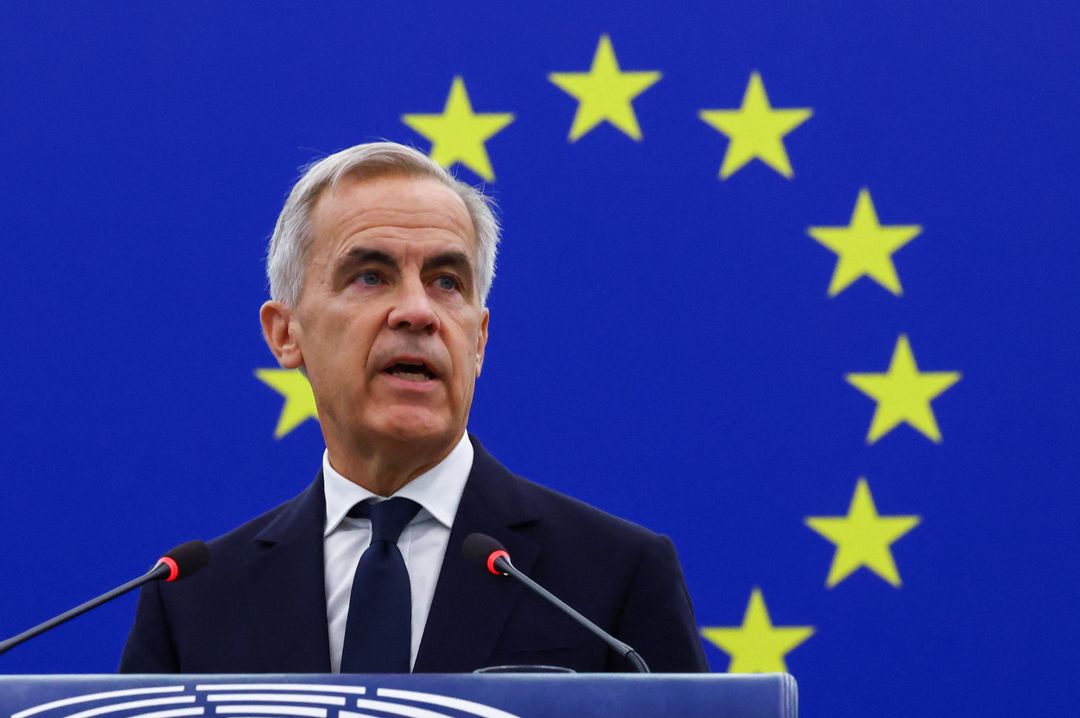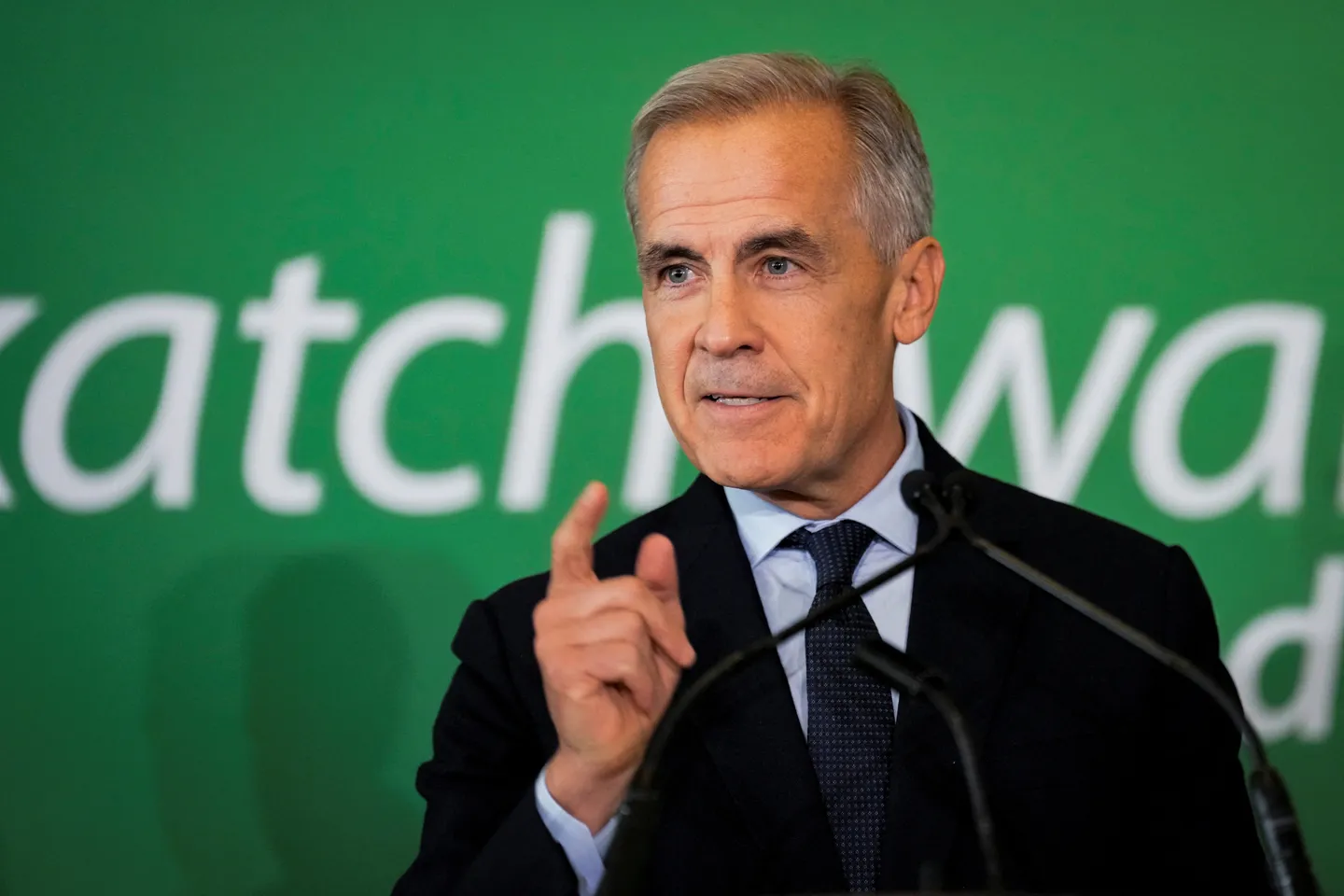
Canadian Prime Minister Mark Carney says his government examined the possibility of US military action against Canada as an “extreme tail risk,” while stressing that he remains in frequent contact with US President Donald Trump despite worsening trade relations.
Speaking to The New York Times on Wednesday, Carney said governments have a responsibility to prepare for unlikely scenarios that could have severe consequences.
“I think you have a responsibility in these roles to look at extreme tail risk,” he said, declining to discuss details of Canada’s preparations. “That’s just risk management. That’s not a base case, but it would be irresponsible not to.”
Trump has repeatedly suggested that Canada could become the 51st US state, though he ruled out using military force to annex Canada in January 2025.
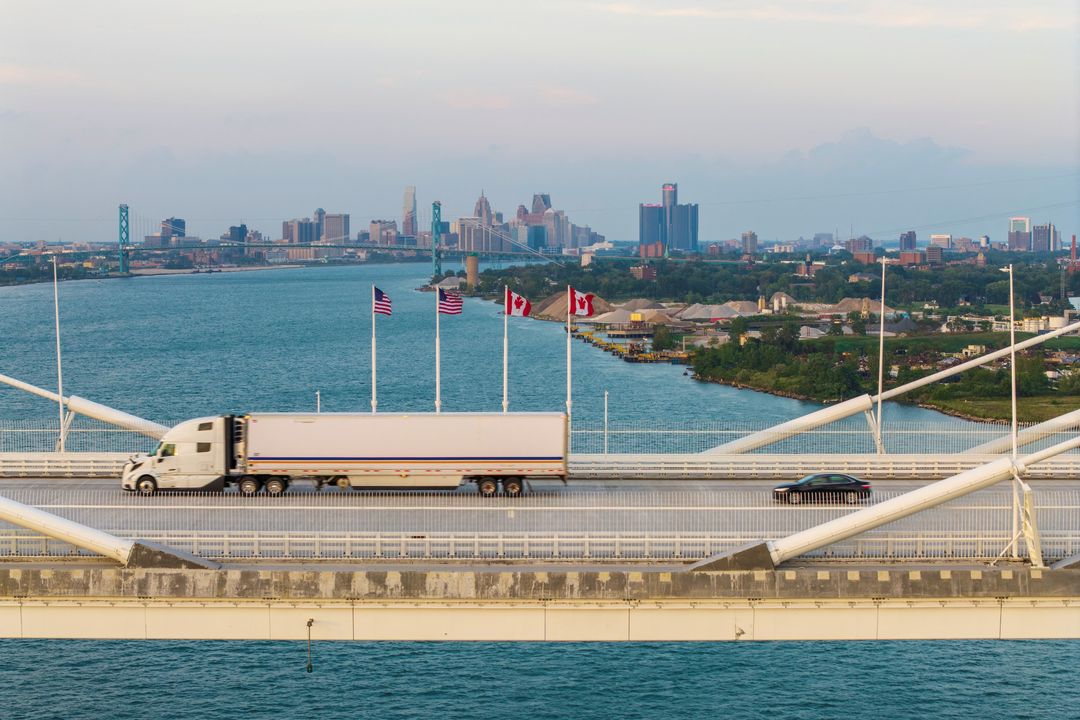
Carney and Trump remain in contact
Carney said he and Trump have spoken “frequently”, including several times since bilateral trade negotiations broke down in August.
“From my perspective, we have a good relationship in the sense of we can pick up the phone and talk to each other about issues,” he said.
Canada suspended negotiations on August 21 after Carney said Washington had introduced last-minute terms that Ottawa viewed as unacceptable.
Carney has since said talks could resume if the US adopts a more constructive approach.



Despite the dispute, Carney said there is still scope for a mutually beneficial agreement, pointing to Canadian potash as one potential area for cooperation.
The US relies heavily on Canada for potash, a key fertiliser ingredient. Trump said this week that Washington was pursuing a deal to buy potash from Belarus, potentially diversifying US supplies.
Ottawa seeks to reduce US dependence
Carney also outlined efforts to reduce Canada's reliance on US technology and suppliers, including plans to diversify away from Elon Musk’s Starlink satellite network.
His government is also reviewing Canada's planned purchase of 88 US-made F-35 fighter jets as Ottawa reassesses aspects of its defence relationship with Washington.
At the same time, Carney said Canada wants to deepen economic ties with other countries, including China, while ruling out closer defence ties with Beijing.
The diversification drive extends to Europe and Asia. Canada has recently pursued closer ties with the European Union and Southeast Asia as part of efforts to broaden its economic partnerships.
Carney said the strategy would continue even under a future US administration, reflecting Ottawa's broader effort to reduce its economic and strategic dependence on its southern neighbour.