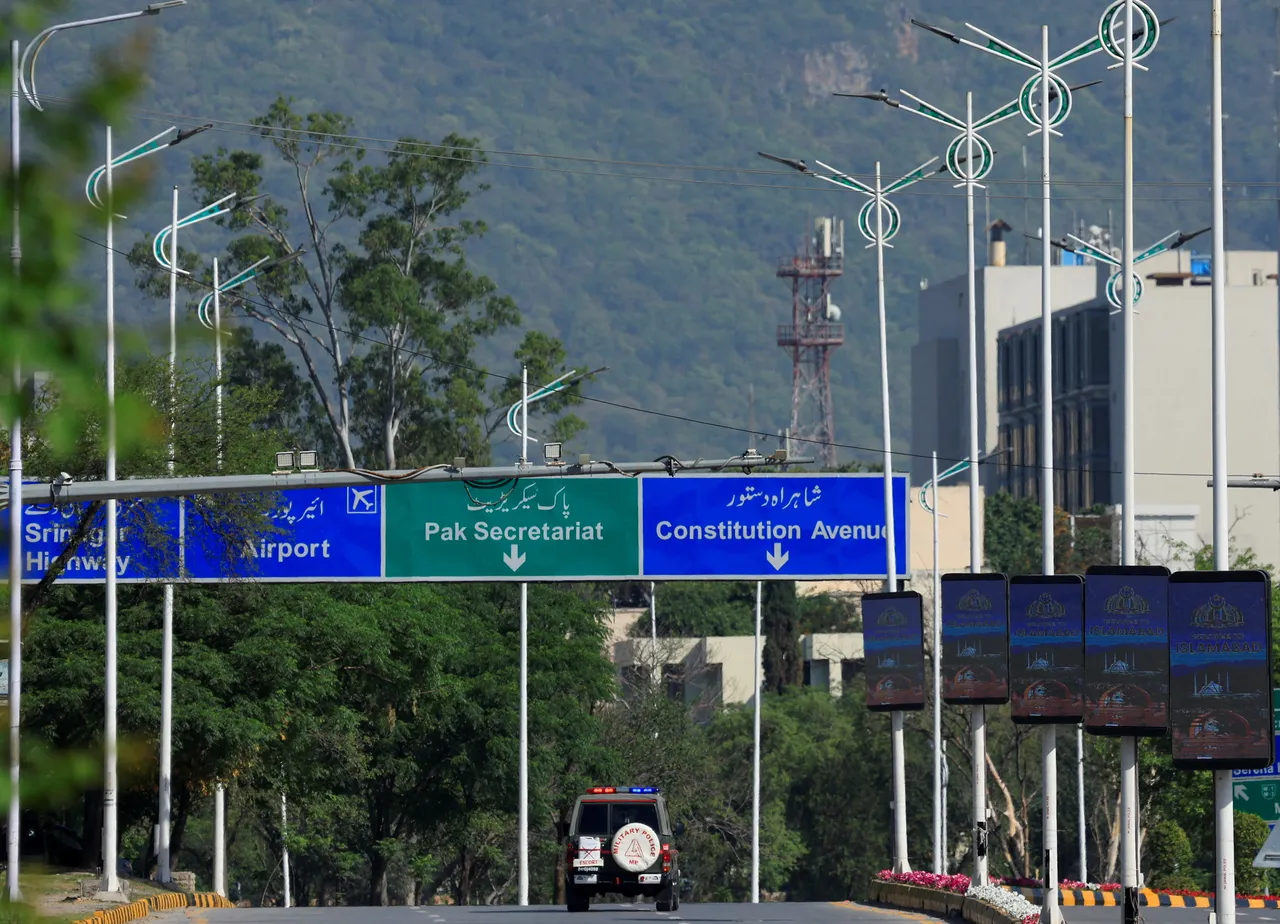
Away from the media limelight, Pakistan is working silently to break the ongoing deadlock between the US and Iran, focusing on finding a new formula for a long-awaited agreement on the Strait of Hormuz and Tehran's nuclear programme, two Pakistani government sources familiar with the matter told Anadolu on Wednesday.
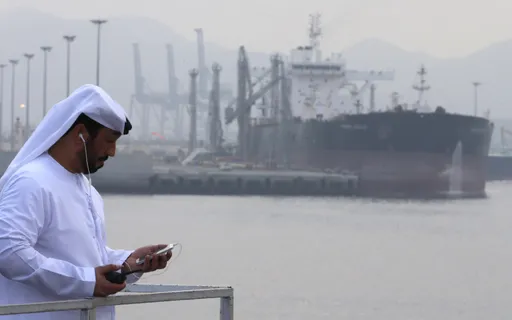
"Both sides are actively engaged in back-channel diplomacy, conveying formulas and counter-formulas through Pakistan to reach an agreement," a source said, adding that the current negotiations are focused on the nearly closed Strait of Hormuz and the nuclear issue.
The sources, however, did not offer details on the formulas from either side, saying that Pakistan's focus is to find a "middle way" on the two simmering issues.
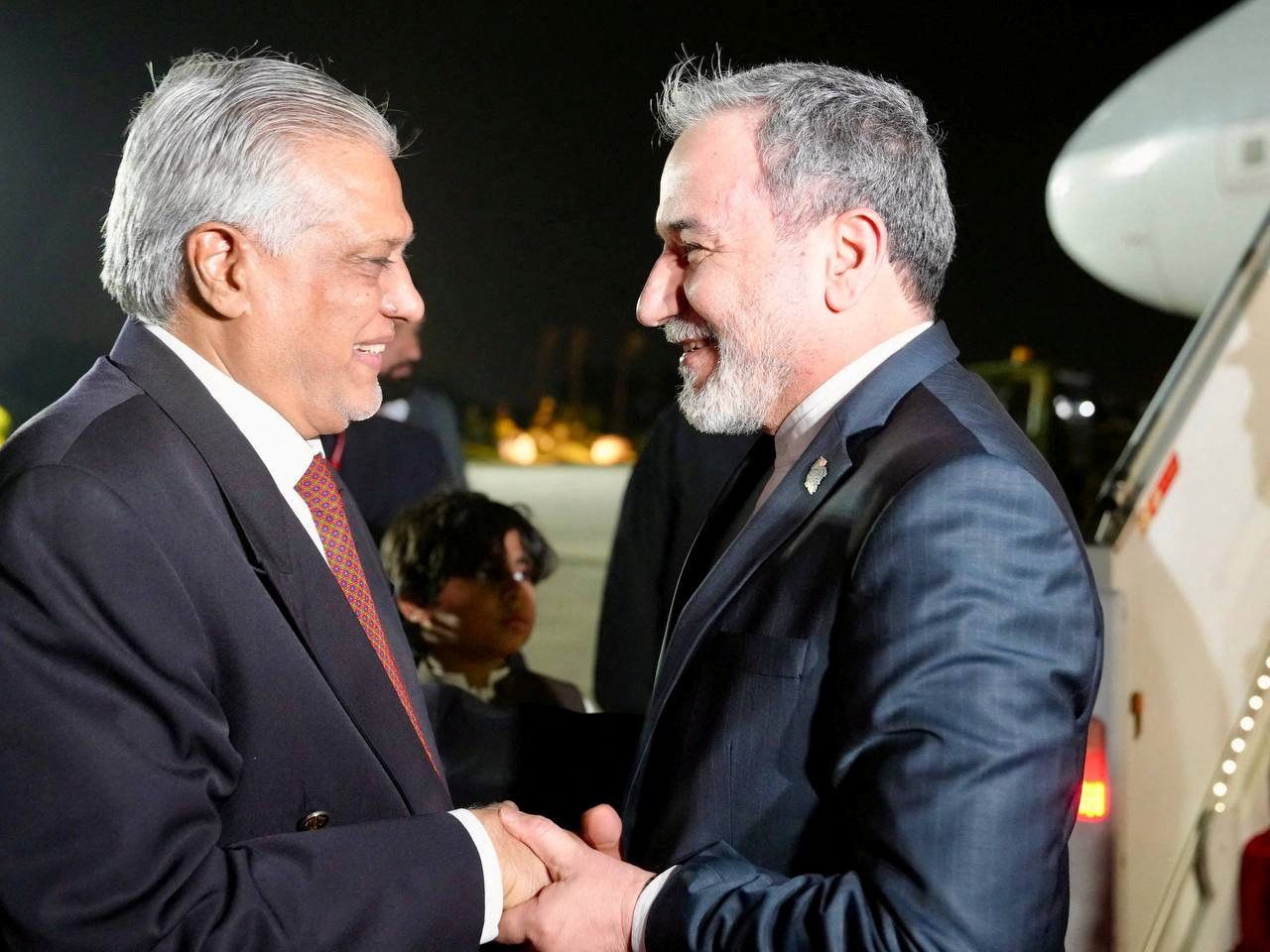
Washington and Tehran are currently deadlocked on a fresh Iranian peace proposal conveyed by Pakistan following two visits to the capital Islamabad last week by Abbas Araghchi, Iran’s foreign minister.
Demands from both sides
The proposal offered to end the war and reopen the Strait of Hormuz in exchange for the US lifting its blockade of Iranian ports.
Tehran has also suggested that talks on its nuclear programme should be postponed for the next round of discussions, an offer President Donald Trump "has not so far shown an interest in accepting," according to sources.
"Nothing (in the formulas) is definitive as exchanges are ongoing,” said the source.
“Hopefully, the two sides will reach common ground soon," the source added, saying that Pakistani Foreign Minister Ishaq Dar and army chief Field Marshall Asim Munir are "personally engaged" in the ongoing backdoor diplomacy to break the stalemate.
The two have been actively participating in the mediation process, as Munir directly spoke to Trump several times in recent weeks.
"Iran's current stance is that since the nuclear issue is a complex one and (it) requires long and comprehensive talks, the Strait of Hormuz matter should be discussed in the first phase, which is easier to resolve. The US side, however, doesn't agree with the proposal, and wants an agreement on both issues concurrently," the source said.
"But Trump is still discussing the proposal with his advisers," they added - Slim chances of war resuming Pakistan hosted the first round of negotiations between Washington and Tehran on April 11-12 but failed to produce an agreement to end the war.
The talks followed a two-week ceasefire brokered by Pakistan on April 8, which was later extended by US President Donald Trump.
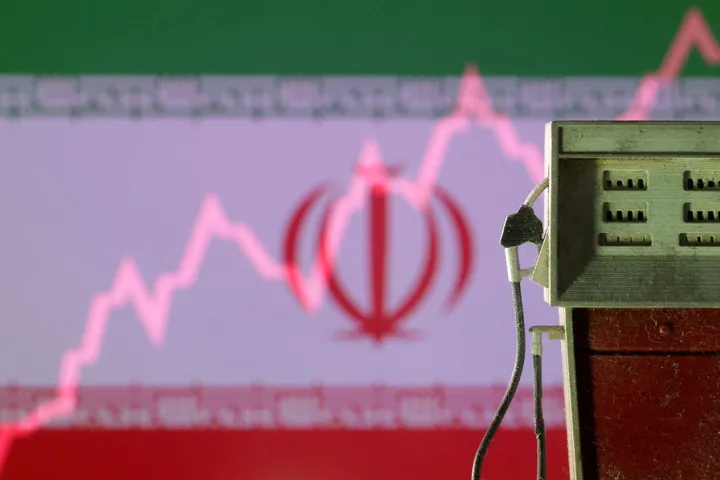
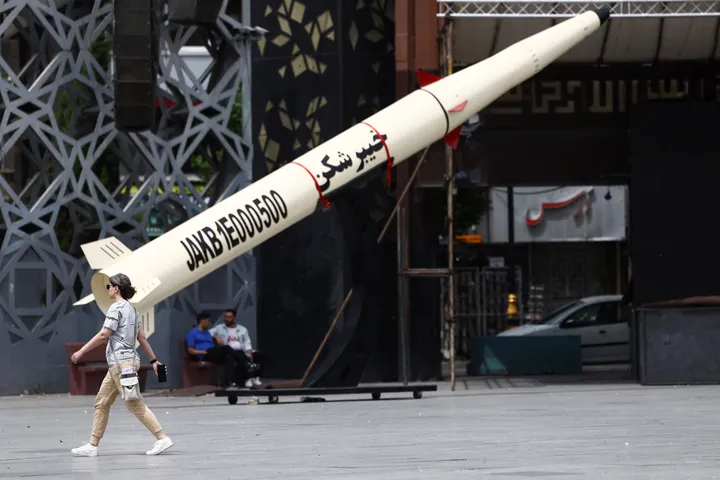

Pakistan's Prime Minister Shehbaz Sharif said on Wednesday that Islamabad's diplomatic efforts are continuing "consistently" to bring a negotiated settlement to the conflict, which has crippled global energy supplies and daily lives in the wider Middle East.
Downplaying the chances of the war resuming, Pakistani sources appeared convinced that the ongoing ceasefire will continue despite "hard-hitting" statements from both sides.
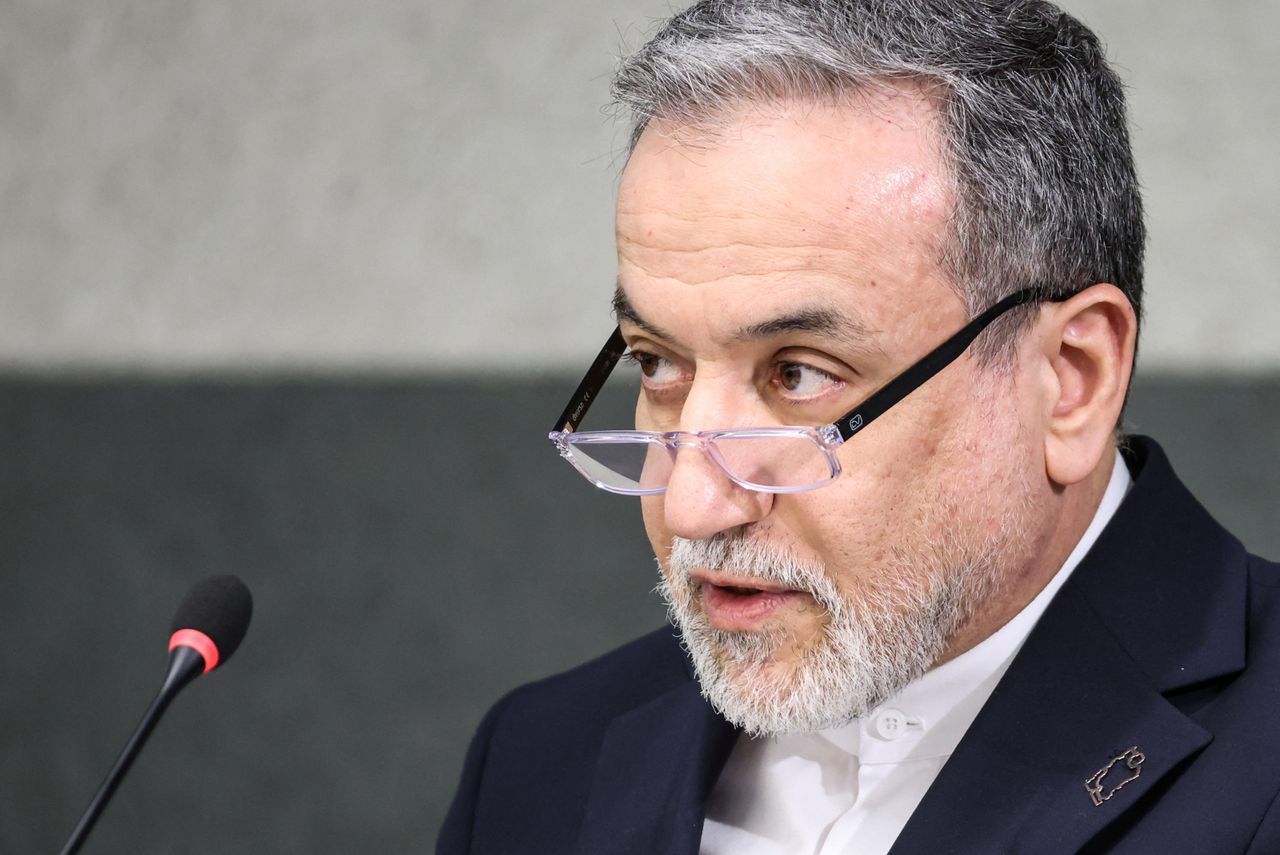
"It's a nerve-testing game between the two sides. Otherwise there are less chances of the resumption of war from the US despite a reported military build-up in the Middle East, which Tehran sees as a psychological tactic," a source said.
"Iran's impression is that due to already disrupted energy supplies worldwide, growing opposition to war within the US and from its European allies, and Trump's dwindling approval ratings are major hurdles to resuming the war. That's why it (Tehran) doesn't seem to be in a hurry," the source added.
Washington believes that Iran's "increasing" economic predicaments will force the Islamic republic to reach an agreement, which suits the US, the source said.
"Forget about media statements. Both sides have to satisfy their domestic audiences," another source said.
Nuclear issue and regional security framework
Aragchi's latest trips to Pakistan, Oman, and Russia and phone calls with his Saudi, Egyptian, French, and Qatari counterparts focused on the Strait of Hormuz and the nuclear issue, sources said.
The US has already rejected an offer from Moscow to keep Iran's enriched uranium, Kremlin spokesman Dmitry Peskov told India Today earlier this month.
Another focus of the Moscow visit was to seek guarantees for the implementation of any potential agreement "in letter and spirit" with the US. According to sources, Iran wants Russian President Vladimir Putin as a guarantor for the possible agreement, especially to ensure that there will be no US and Israeli attacks in the future.
Aside from talks with the US, the Islamic Republic is also discussing a “regional security framework” with regional nations to defend the region from any “outside aggression.”
However, sources see the move as premature due to several factors, including US economic and military influence, Gulf security agreements with Washington, international sanctions on Tehran, and strained Iran-Arab relations—especially after Iran’s attacks on US sites in several Gulf countries in retaliation for US and Israeli strikes.