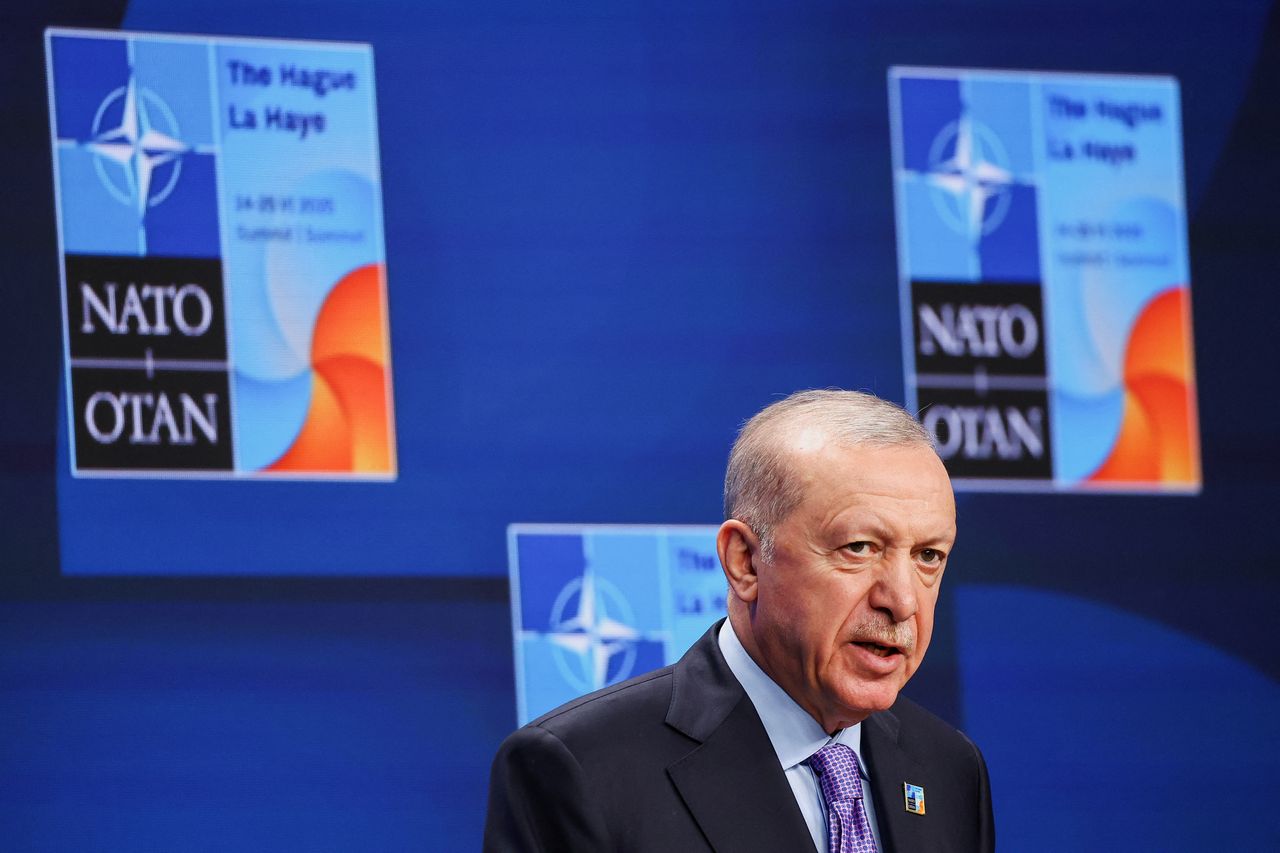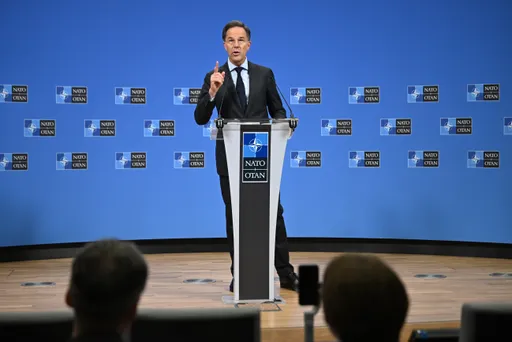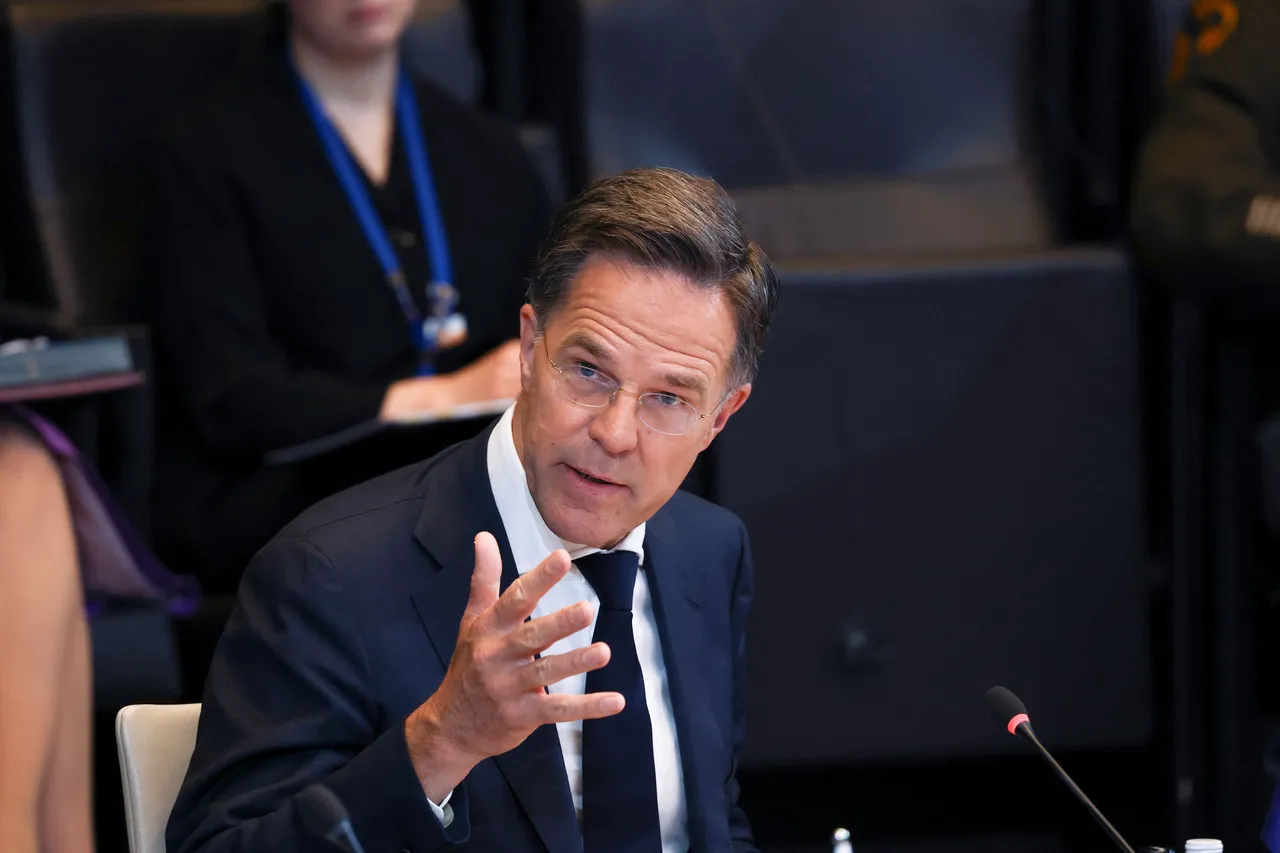
NATO Secretary General Mark Rutte said on Thursday the alliance is entering an implementation phase ahead of next month's summit in Ankara, citing rising defence spending, expanded military production and continued support for Ukraine.
“This is the last big meeting that we will have before the Ankara summit, and the Ankara summit will be all about implementation,” he said during a meeting of NATO defence ministers in Brussels.
“What we are seeing is that NATO 3.0 is really happening,” he added, describing it as “a stronger Europe in a stronger NATO.”
Defence spending, military production
Rutte said allies are significantly increasing military spending, noting that Europe and Canada are expected to spend more than $90 billion extra on defence in 2025 compared with last year, representing nearly a 20 percent increase.
According to him, the increase is part of efforts to meet NATO capability targets and move towards the alliance’s agreed defence spending benchmark.
He also stressed the need to expand defence production on both sides of the Atlantic.
“We need to produce more, both in the US and in Europe, to keep ourselves safe,” he said.
Rutte welcomed efforts by the United States and European allies to strengthen their defence industrial bases, arguing that NATO must keep pace with competitors.
“China, Russia and others are at this moment ramping up their defence industrial output,” he added.
Ukraine support
Rutte said support for Ukraine would remain a central topic at both the Brussels meeting and the Ankara summit.
“We need to keep Ukraine strong, strong in the fight,” he said.
He announced that Ukrainian President Volodymyr Zelenskyy would participate later on Thursday in the Ukraine Defence Contact Group meeting.
Referring to a meeting he held with Zelenskyy on Wednesday evening, Rutte said discussions focused on battlefield developments and Ukraine’s military needs, particularly air defence systems and protection of critical infrastructure.

“The president was in a good place,” Rutte said, adding that he viewed recent Group of Seven conclusions on Ukraine as positive.
He also thanked the US for continuing deliveries of military assistance, including interceptors for Patriot air defence systems.
US role in NATO
Addressing questions about Washington's decision to reduce part of its contribution to NATO's force model, Rutte said the move concerns a planning mechanism rather than the alliance's ability to respond in a crisis.
He said European allies are already replacing much of the capability gap created by the adjustment.
“The Europeans are now backfilling it,” he said, adding that the alliance is “really in a good place.”
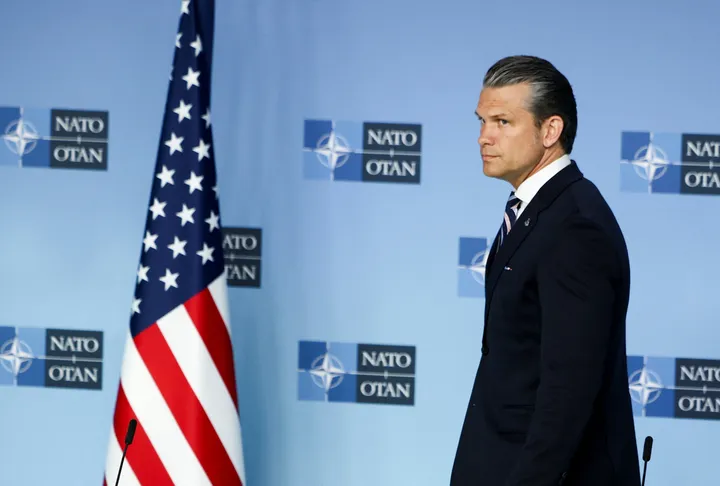
Rutte also rejected suggestions that the US was stepping back from NATO, praising US Defense Secretary Pete Hegseth's calls for greater burden-sharing within the alliance.
“The US is completely committed to NATO,” he said, adding that Washington expects European allies and Canada to increase defence spending and capabilities.
Iran, Strait of Hormuz
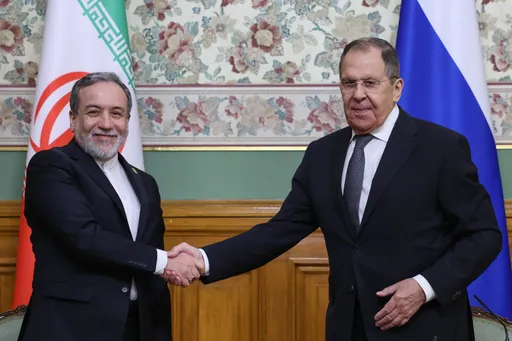
Rutte also welcomed the recent US-Iran agreement, describing it as an important step towards reducing security risks.
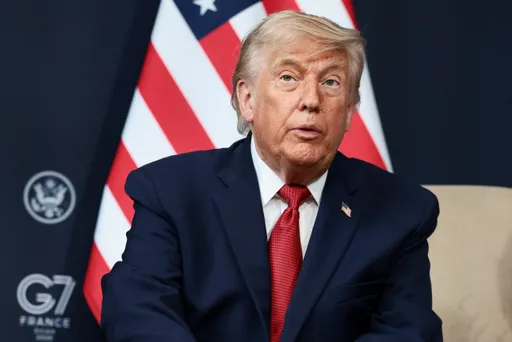
“I think President Trump struck a good deal,” he said, arguing that the agreement helped degrade Iran's nuclear and ballistic missile capabilities.
He also highlighted the importance of restoring freedom of navigation through the Strait of Hormuz, saying G7 countries are discussing ways to support maritime security in the area.
While noting that the issue is not directly a NATO mission, Rutte said the alliance would be willing to help if requested.