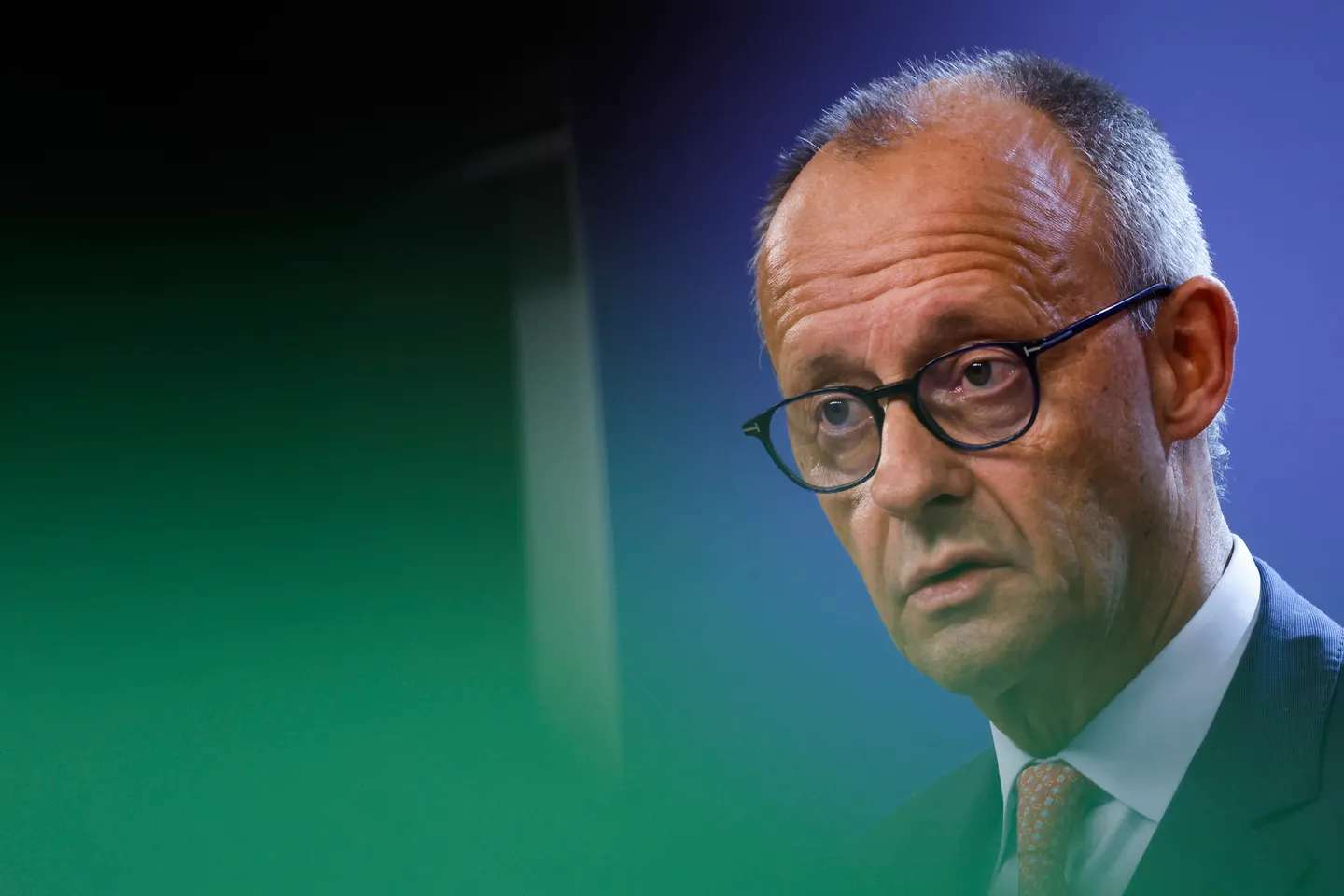
German Chancellor Friedrich Merz has defended Ukraine’s attacks on Russian oil refineries, saying they were justified because they “impair” Moscow’s ability to wage war.
Speaking to reporters on Friday after an EU summit in Brussels, Merz said he sees no readiness on the Russian side, including President Vladimir Putin, to end the conflict.
On the contrary, Moscow is trying to escalate the fighting further ahead of winter, he claimed.
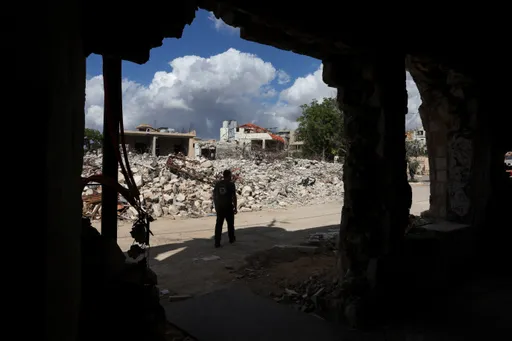
“Above all, Ukraine’s entire energy infrastructure is being massively damaged, and its transmission networks are coming under attack. Every effort is being made to make the winter as difficult as possible for the country,” Merz said.
Against that backdrop, “it is, in my view, entirely right, reasonable and understandable for Ukraine to strike targets within Russia that hinder the war effort of the Russian government and the Russian army,” the chancellor added.
“This applies to both communications and energy supplies.”
Merz argued that these are obviously the only possibilities Ukraine has to make Russia understand that it is prepared to seriously defend itself.


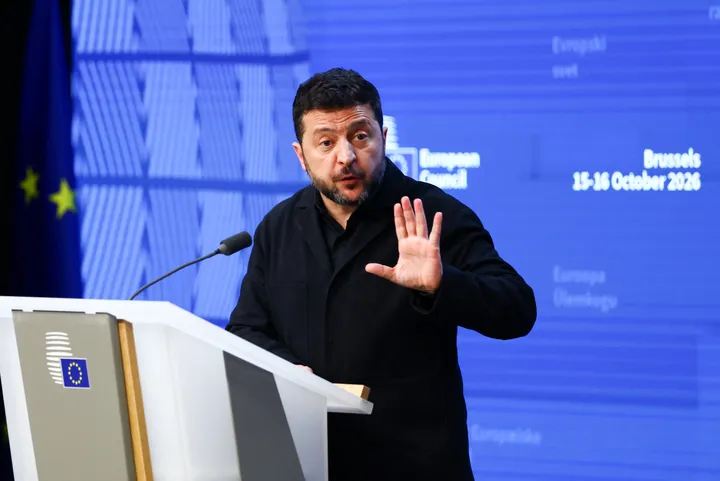



The chancellor reiterated that Europe and Germany will continue to stand by Ukraine. “But we are not doing it to prolong the war; we are doing it to bring Russia to the negotiating table,” he said.
EU leaders remain divided on next budget
Merz also noted that European Union leaders remain deeply divided over the bloc’s next seven-year budget, with a smaller group that includes Germany pushing for significant cuts to the European Commission’s proposals.
“It is simply not tenable for the European budget to increase by around 50 percent, that is not financially feasible. And given the national contributions involved, it is something no one can afford,” he warned.
Leaders will need to discuss the issues in detail, Merz said. An additional European Council meeting is likely in November, followed by multi-day talks in December.
“I remain hopeful that we will succeed in getting the European budget for the years from 2028 onwards on track through a unanimous Council decision,” Merz said.
“Whether we will succeed, I cannot say at all today; there are still too many conflicting views,” he added.