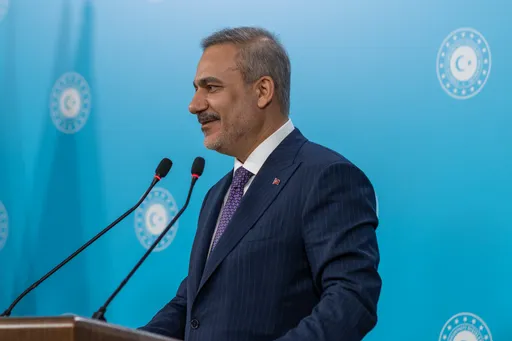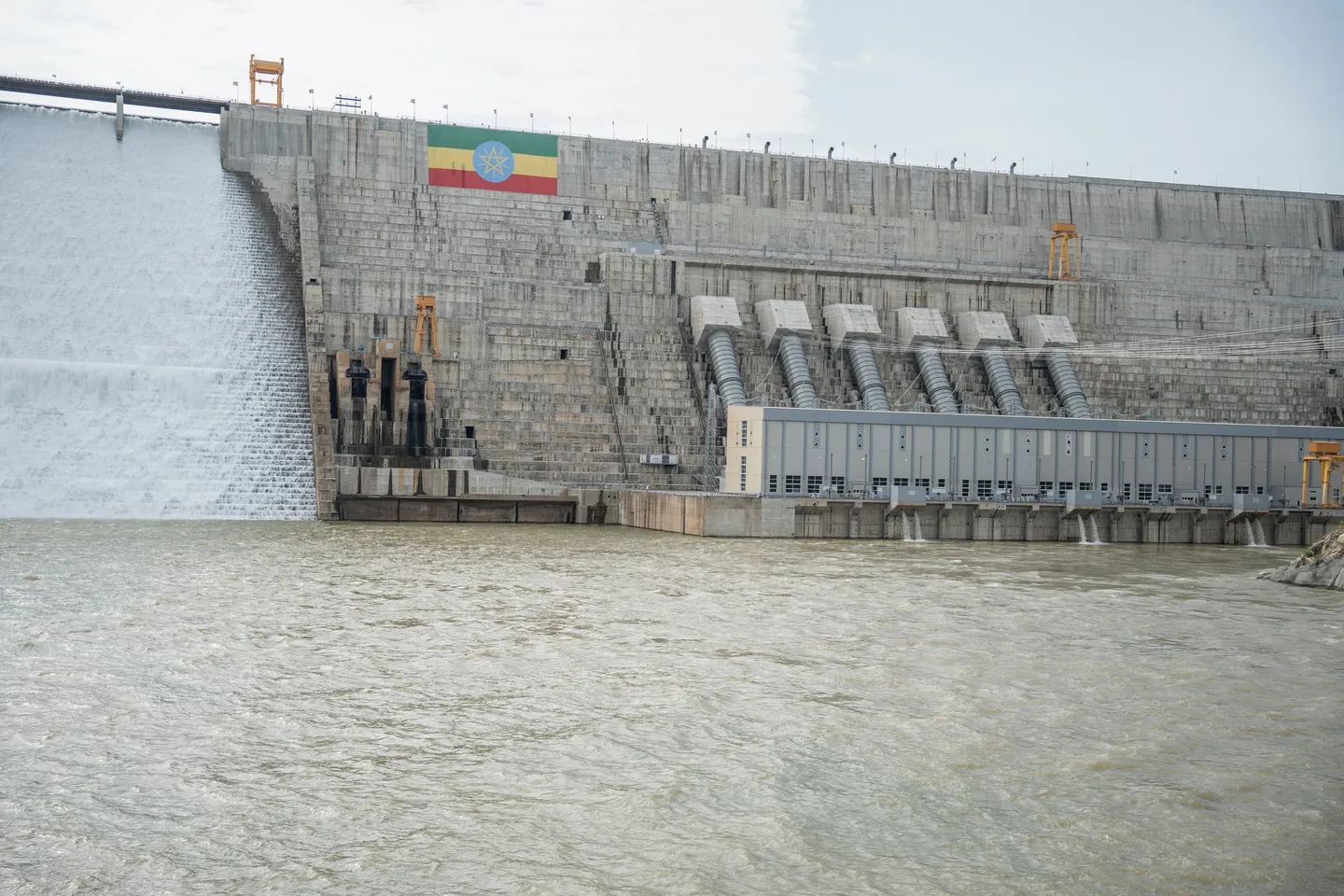
Egypt has declared the Grand Ethiopian Renaissance Dam (GERD) "illegitimate" and reserved the right to take any measures necessary to safeguard its national water security, Irrigation and Water Resources Minister Hani Sewilam announced.
Speaking at a briefing for foreign media in Cairo organised by the State Information Service, Sewilam emphasised that the dam's physical completion does not mean Cairo has accepted a fait accompli or relinquished its historic riparian rights.
Sewilam said the 2015 Declaration of Principles signed by Egypt, Ethiopia, and Sudan established mutual commitments on dam filling, operations, and data exchange.
He affirmed that the accord provides Addis Ababa no mandate for unilateral actions, characterising continued filling and operation without a binding deal as a direct breach.
"The dam is illegitimate and will remain so. Egypt has the right to take appropriate action to remove the harm caused to it," Sewilam said.
"We gave Ethiopia more than one opportunity and tried every possible way to reach understandings, but it did not respond and also violated the Declaration of Principles."
Downstream operational risks

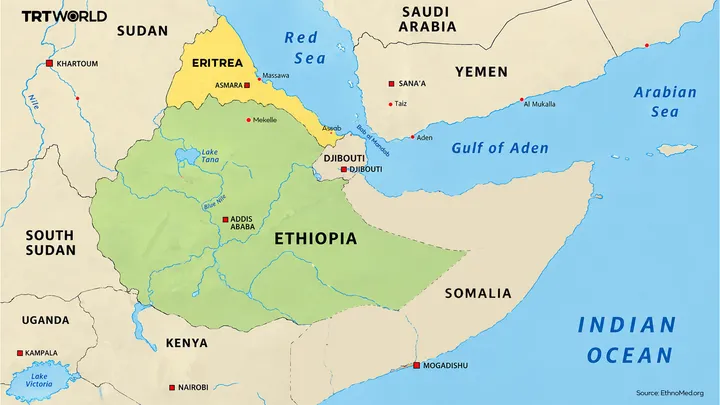



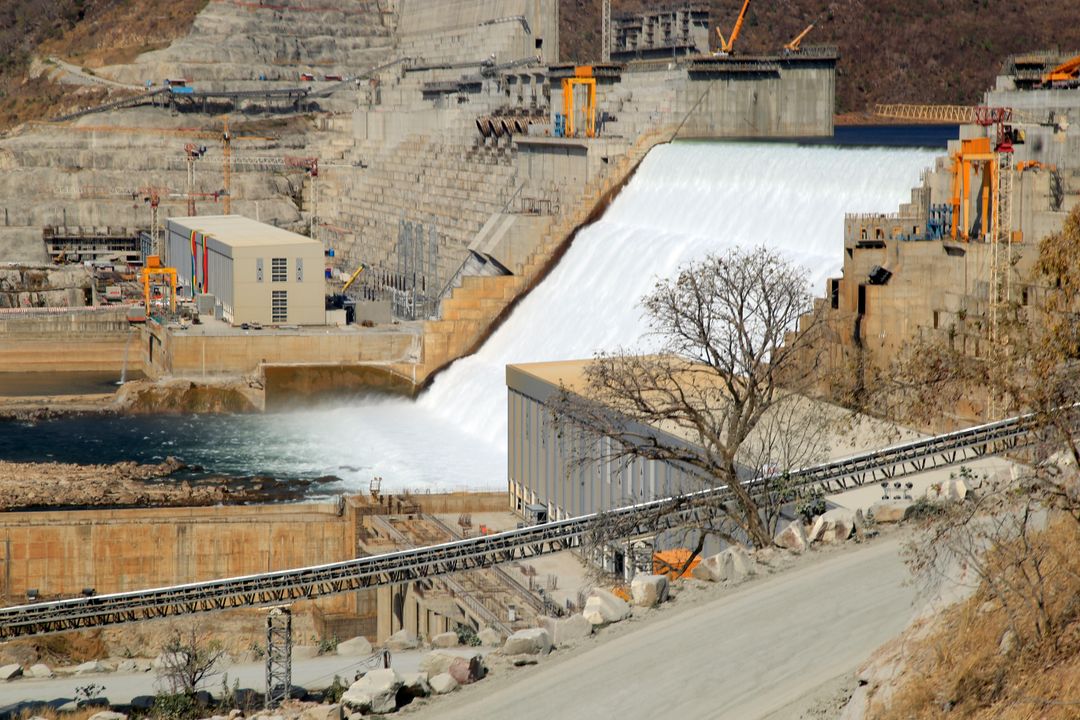
Sewilam warned that uncoordinated operations risk abrupt fluctuations in downstream river flows, posing operational hazards for downstream dams across both Egypt and Sudan.
He added that official statements from Addis Ababa suggest the primary purpose of the project extends beyond electricity generation.
Sewilam noted that Cairo's annual quota of 55.5 billion cubic metres represents barely 2.7 percent of the roughly 2 trillion cubic metres of rainfall across the Nile Basin.
In contrast, Ethiopia received more than 1 trillion cubic metres of rainfall in 2023—including 467 billion cubic metres over its Nile catchment—with renewable water resources reaching 122 billion cubic metres annually.
He noted that Ethiopia has over 18 million hectares of agricultural land compared to Egypt's 4.03 million hectares, with rain-fed Ethiopian farming using 148 billion cubic metres of green water annually alongside 9.68 billion cubic metres of blue water.
While Cairo and Khartoum demand a legally binding agreement covering drought protocols, Addis Ababa maintains that an accord is unnecessary.