 Enes Bayrakli
With its industrial achievements over the past two decades and its successes in global markets, the Turkish defence industry is writing a story of transformation that is likely to go down in global military history.
The figures speak for themselves: while the sector's annual export volume was a mere $250 million in 2000, it reached $10 billion by 2025 – a fortyfold increase. This is a leap unparalleled in the Islamic world.
Today, Turkish defence products are no longer just simple military vehicles across a wide geographical range – from NATO members through Africa and Central Asia to the Far East – but strategic “security partners” to whom states entrust their future.
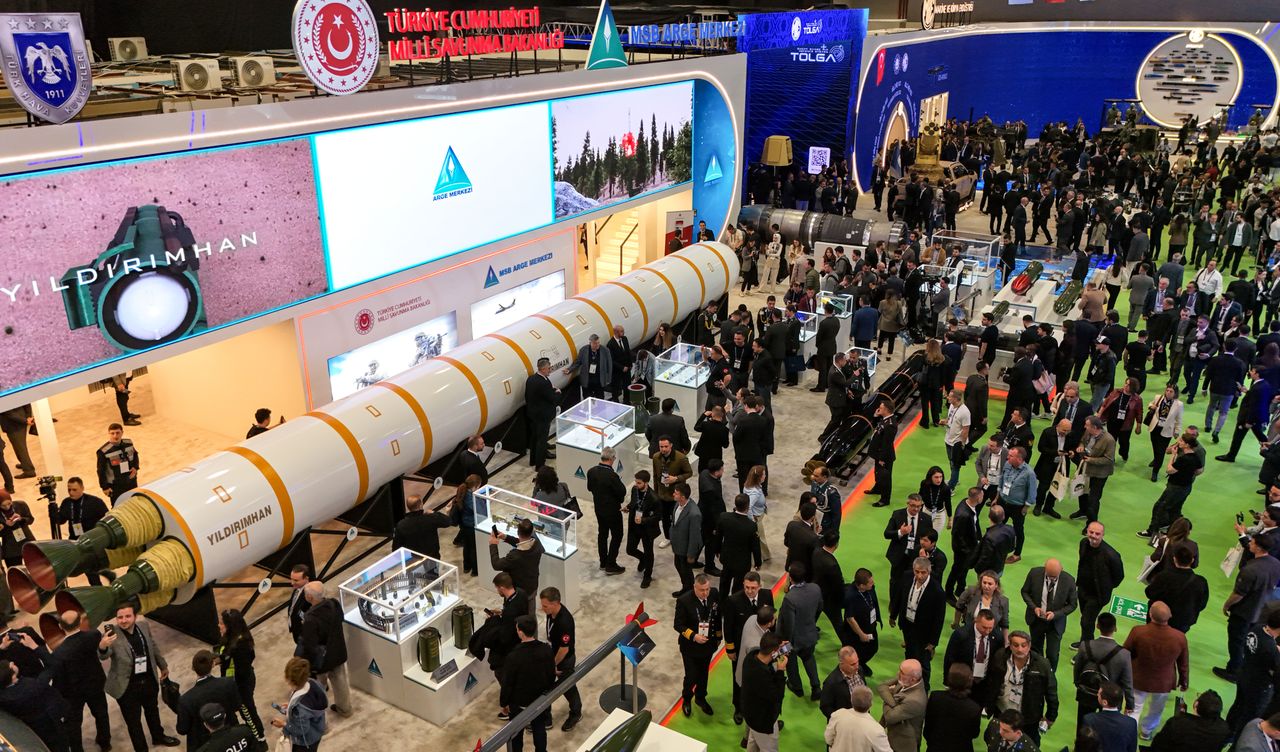
The recently held SAHA defence expo in Istanbul served as a global showcase of this technological rise.
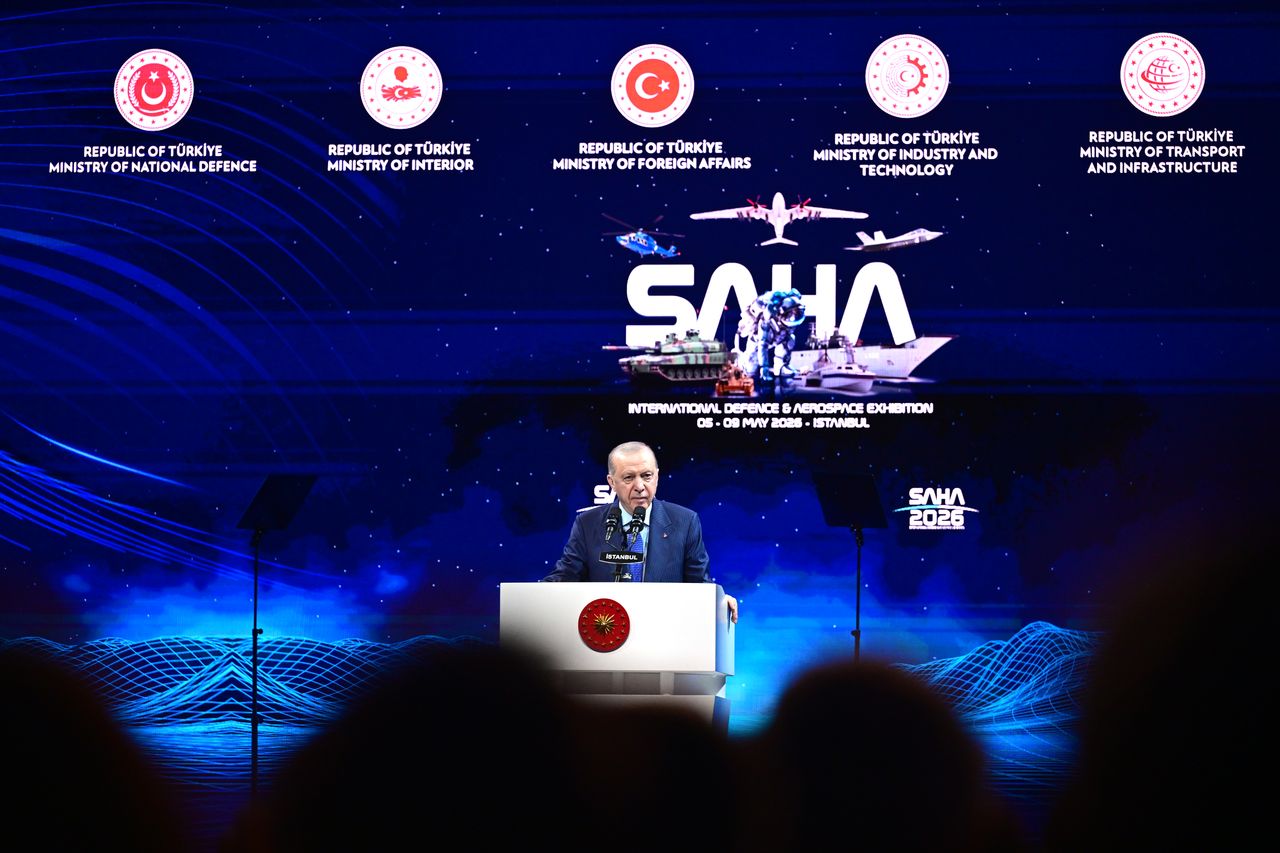
The event, which attracted around 150,000 visitors, resulted in a record contract volume of $26.5 billion. The fact that $8 billion of this went toward direct exports demonstrates that Türkiye has now become a hub for exporting entire ecosystems.
The country no longer simply produces individual components; it develops systems, designs software, and offers its allies turnkey defence architectures.
Breaking down entrenched dogmas on the battlefield
To understand that the success of the Turkish defence industry is not solely economic, one must consider the military transformation on the battlefield.
Operation Spring Shield in Idlib in 2020 marked a turning point in modern warfare.
For the first time, Türkiye deployed armed unmanned aerial vehicles (UAVs), fully integrated with electronic warfare systems like KORAL, as a primary offensive force against a conventional army.
This feat in the skies over Idlib demonstrated to the world that even heavily armoured units and modern air defence systems can be neutralised by drones within minutes.
This shattered the prevailing dogma that drones were only suitable for asymmetric conflicts or low-intensity counterterrorism operations.
Western military experts subsequently introduced a new concept into strategic literature, now known as the "Bayraktar Doctrine." The most visible example of this doctrine was in Karabakh, where a 30-year occupation was ended in just 44 days.
The evidence for this doctrine on the battlefield has been steadily increasing ever since.
What began in Ukraine with the downing of a helicopter by a Bayraktar TB2 recently reached a historic climax in Sudan. The fact that an Akinci-TIHA destroyed another unmanned aerial vehicle with an air-to-air missile represents a first in world military history.
This event signals that Türkiye has effectively ushered in the era of the "unmanned interceptor" and changed the nature of air superiority.
This confidence in Turkish engineering has also led to profound changes on the global export map.
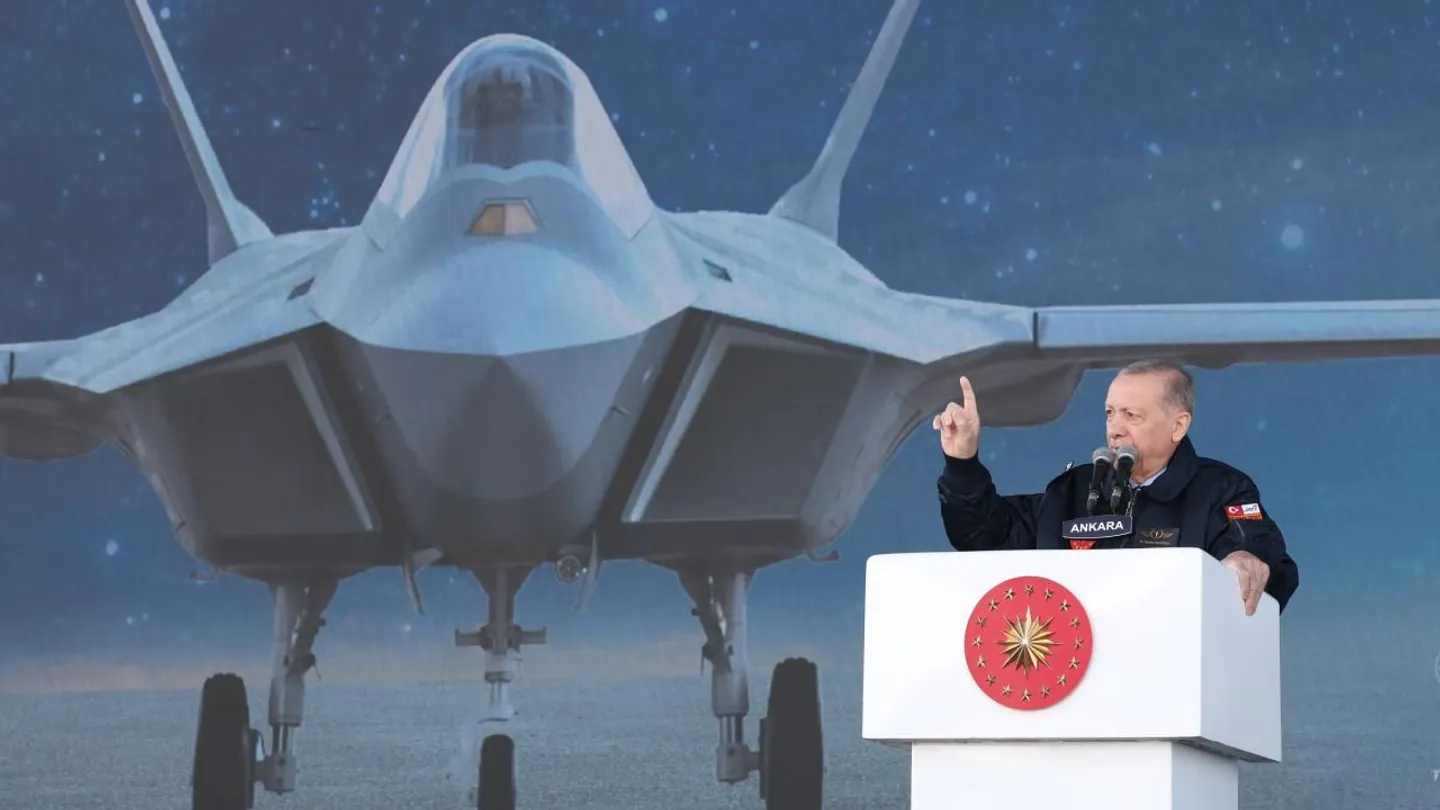
The fact that Spain, as a NATO member, imports the Turkish HURJET jet trainer and simultaneously expresses interest in a partnership on the fifth-generation KAAN fighter jet project underscores that Türkiye has now become a technological reference centre.
It is particularly noteworthy that Türkiye's technological rise is now directly affecting the European security architecture.
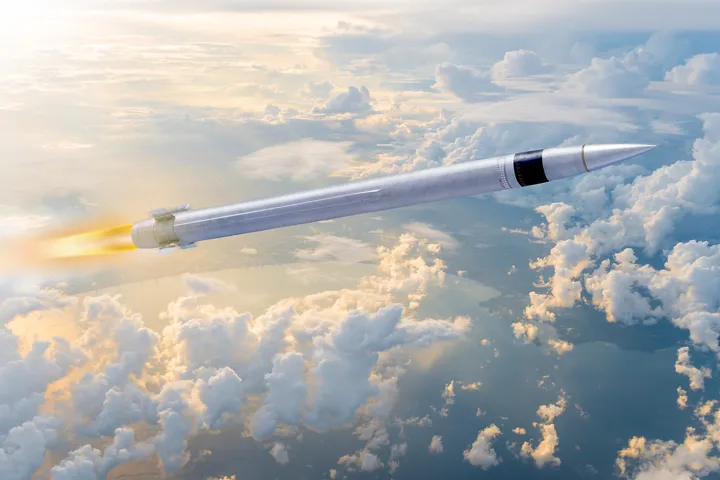
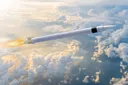
After the US initially suspended the planned deployment of Tomahawk cruise missiles in Germany, Berlin and its NATO partners are reportedly examining alternative models – including the potential acquisition of Turkish long-range and hypersonic missiles.
The mere fact that European states now consider Turkish systems a real strategic option demonstrates the significant shift in the global balance of power in the defence sector.
Similarly, the procurement of the KIZILELMA unmanned combat jet by Indonesia – one of the strategic powers of Southeast Asia – shows that Türkiye is no longer just a supplier, but a technology partner that helps shape the global power structure.
The breadth of the spectrum: Strategic autonomy
Türkiye's success is not limited to its airspace. Its defence industry has grown in almost all areas according to the principle of "comprehensive independence":
Air systems: The fifth-generation KAAN fighter jet, the HÜRJET training jet, the GÖKBEY multi-purpose helicopter, and the family of unmanned aerial vehicles such as TB3, Akıncı, and Anka-3.
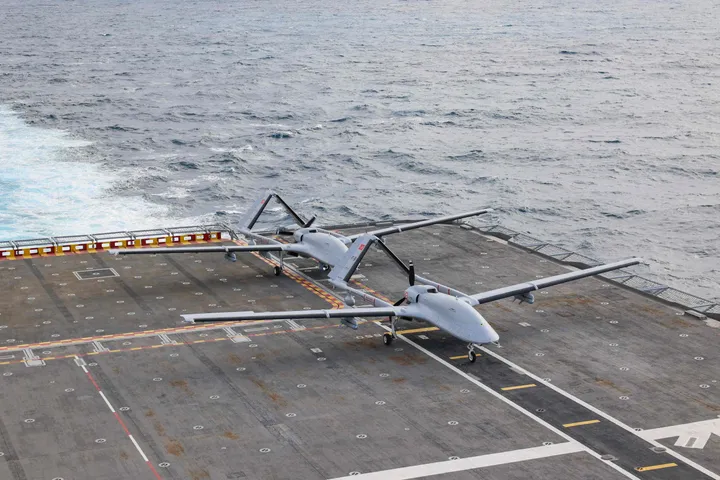
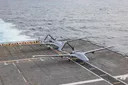
Sea and land systems: MİLGEM frigates, the world's first SİHA ship TCG ANADOLU, the ALTAY tank, and armoured platforms for a wide variety of operational areas.
Precision power and electronic warfare: The SİPER and HİSAR air defence systems, the GOKDOGAN and BOZDOGAN air-to-air missiles, cruise missiles and advanced electronic warfare systems from ASELSAN.
Critical components: Domestic engine projects are the core of defence, and original software solutions are the "brain" of the systems.
The end of the historical framework and the revolution of self-confidence
The point reached today marks the end of a historical period spanning roughly 300 years.
The dynamic structure of the Ottoman Empire, which was among the world's leading military powers until the end of the 17th century, increasingly fell behind in the wake of the Industrial Revolution and Europe's technological and financial hegemony.
After three centuries in which Western technologies were admired and predominantly imported, Türkiye is now transitioning to a Türkiye that competes with Western states and even shows them the way in certain areas.
The greatest consequence of this success is the societal revolution of self-confidence. Türkiye, which long suffered from a chronic lack of confidence in its own high-tech production, has now produced a generation convinced: "We can do it."
TEKNOFEST, which attracts millions of young people every year, has fostered a comprehensive production culture where young people compete in everything from rocket competitions to AI projects. This festival is not just an event, but an investment in Türkiye's technological future and independence.
The path that began in 2004 with the strategic directive of President Erdoğan has transformed Türkiye – driven by visionaries like Selçuk Bayraktar, the political determination of the state and the innovative spirit of Turkish engineers – into a “game changer”.
In a century where the world is heading towards a more conflict-ridden era, the defence industry is not just creating economic value. It is giving Türkiye foreign policy influence and providing its allies with a technological shield.
Türkiye is thus not only returning to its historical roots, but is also increasingly shaping the global security architecture with its own distinctive style.
The panorama of 2026 shows that Türkiye is no longer just defending its interests – it is building the future.
This article was first published in TRT Deutsch