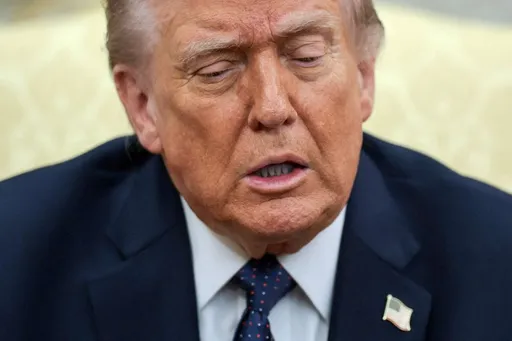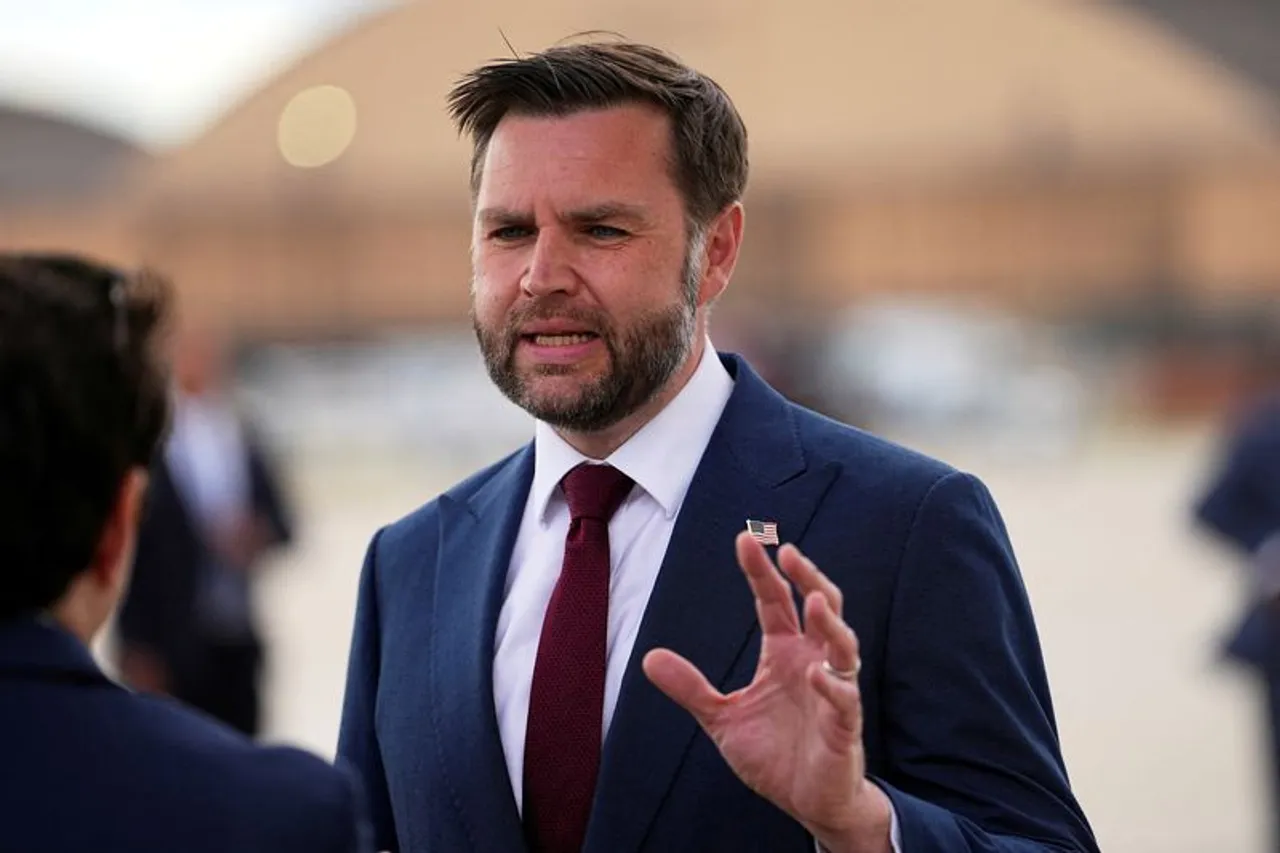
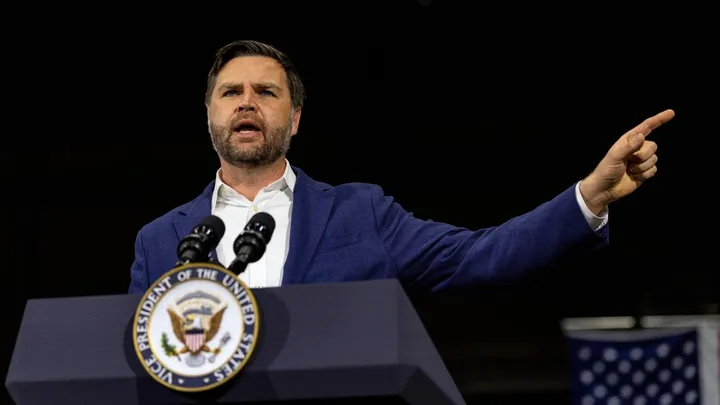
US Vice President JD Vance has said that the memorandum of understanding (MoU) between the United States and Iran provides only a broad framework, with key details to be determined in subsequent negotiations.
"So, the MoU...is about a page and a half, so it is a very general document. But this has been very much part of the conversations that we've had with the Iranians," Vance told CNN on Monday.
"On a number of issues, we are going to have to figure this stuff out during the technical negotiation phase, but what the MoU does is set up a framework whereby the Iranians get the benefits of the bargain by meeting their obligations under the bargain."
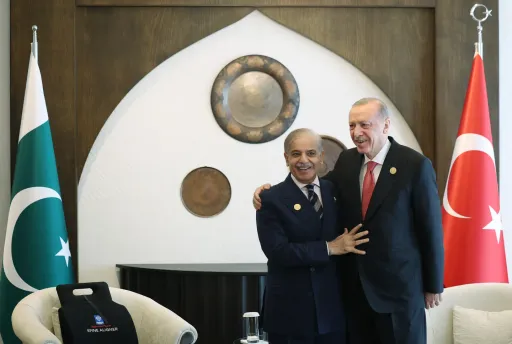
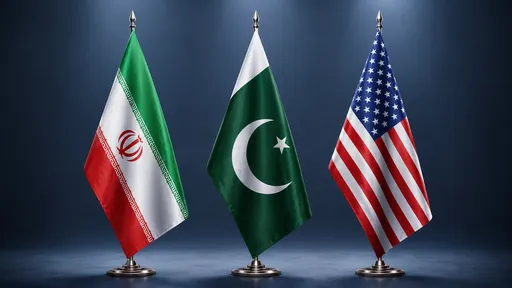
His remarks came after Pakistani Prime Minister Shehbaz Sharif, whose country led mediation between Washington and Tehran, announced early on Monday that the US and Iran had reached a peace agreement and that a signing ceremony would be held in Switzerland on Friday.
A US official said all agreement details would be released within 24 to 48 hours, with technical discussions launching later this week.

'Two pathways' for Iran



Asked whether the agreement includes provisions for unfreezing Iranian assets or providing sanctions relief, Vance said no such measures have been implemented.
"There hasn't been a single dollar of sanctions relief or unfrozen assets, either from the United States or any of our allies in the Gulf," he said.
Vance outlined what he described as two potential paths forward for Iran under the agreement.
"There really are two options, two pathways for Iran to go from here. Option one is they stay under extraordinary economic sanctions, which means they're never going to be able to rebuild their military and never going to be able to reconstitute their nuclear program, or they show us verifiably they allow the inspections regime to say with confidence that they're not going to rebuild that nuclear programme, and if they do that, it's going to transform the entire region," he said.
Vance later told NBC News that nuclear inspectors will be allowed into Iran as part of the deal with the US.
He said the International Atomic Energy Agency (IAEA) and the US will assist Tehran in destroying its highly enriched uranium stockpile, noting this requirement is “spelled out very clearly” in the MoU.
There are reportedly 1,000 pounds (453.6 kilograms) of enriched uranium trapped under the debris of sites targeted during the US-Israeli strikes last June.
Iranian Foreign Minister Abbas Araghchi confirmed the material is "under the rubble" with no immediate plans to retrieve it.