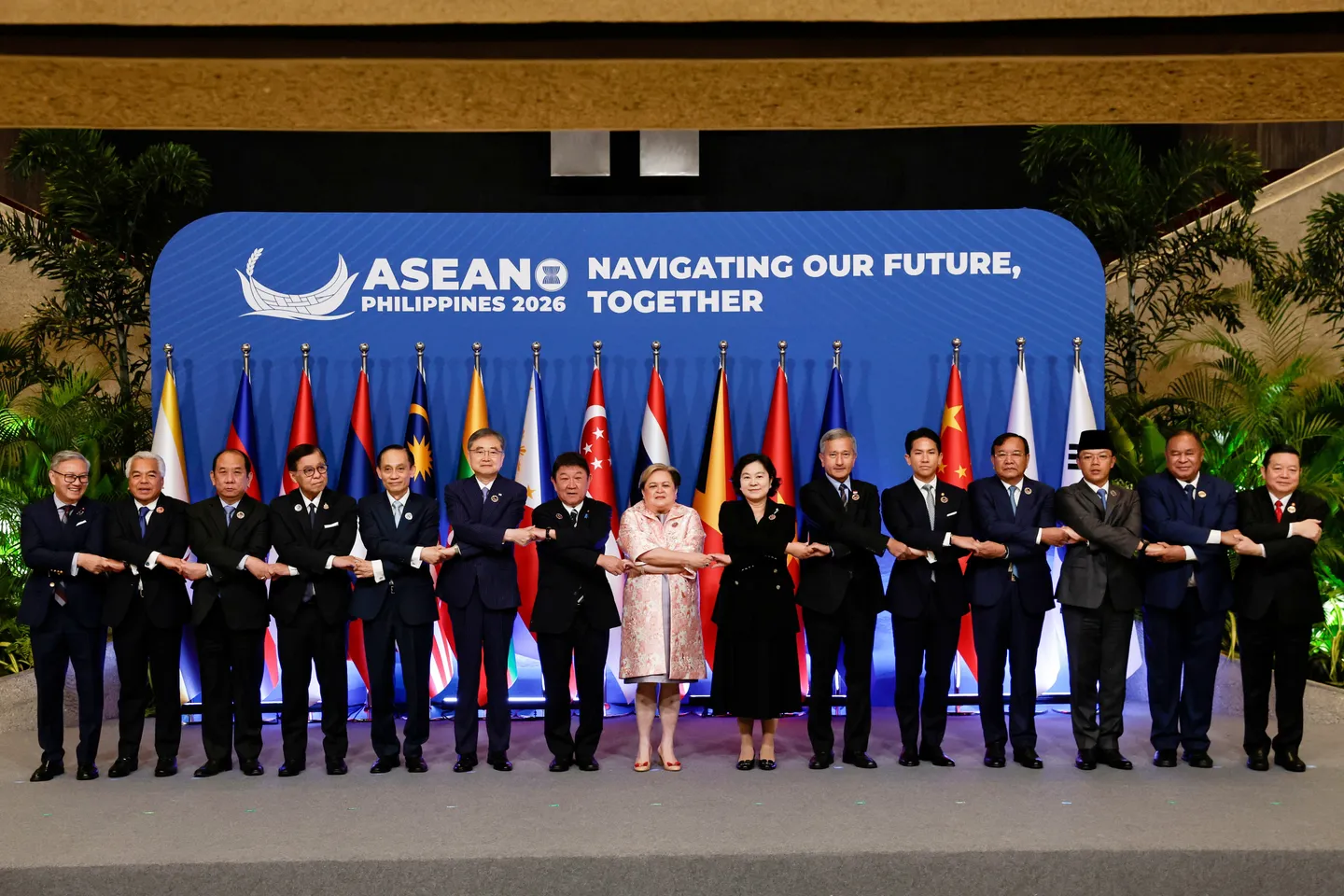
The foreign ministers of China and the Association of Southeast Asian Nations (ASEAN) called for dialogue and the peaceful resolution of conflicts, urging a “complete and immediate” end to hostilities in the Middle East amid the ongoing US-Iran war.
A joint statement released on Friday by China and the 11-member ASEAN bloc said the two sides recognise that the “rapidly evolving situation in the Middle East and its spillover effects pose a grave threat to the lives and safety of civilians, as well as to regional and global peace, stability, and economic activities including regional trade, investment, energy, and food security.”
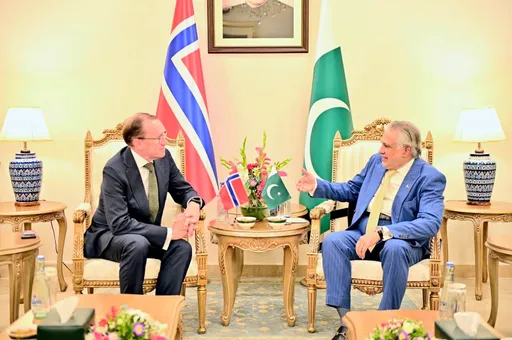
The joint statement was released after the foreign ministers of China and ASEAN held a summit on Wednesday in Manila, the capital of the Philippines, the bloc's current chair.
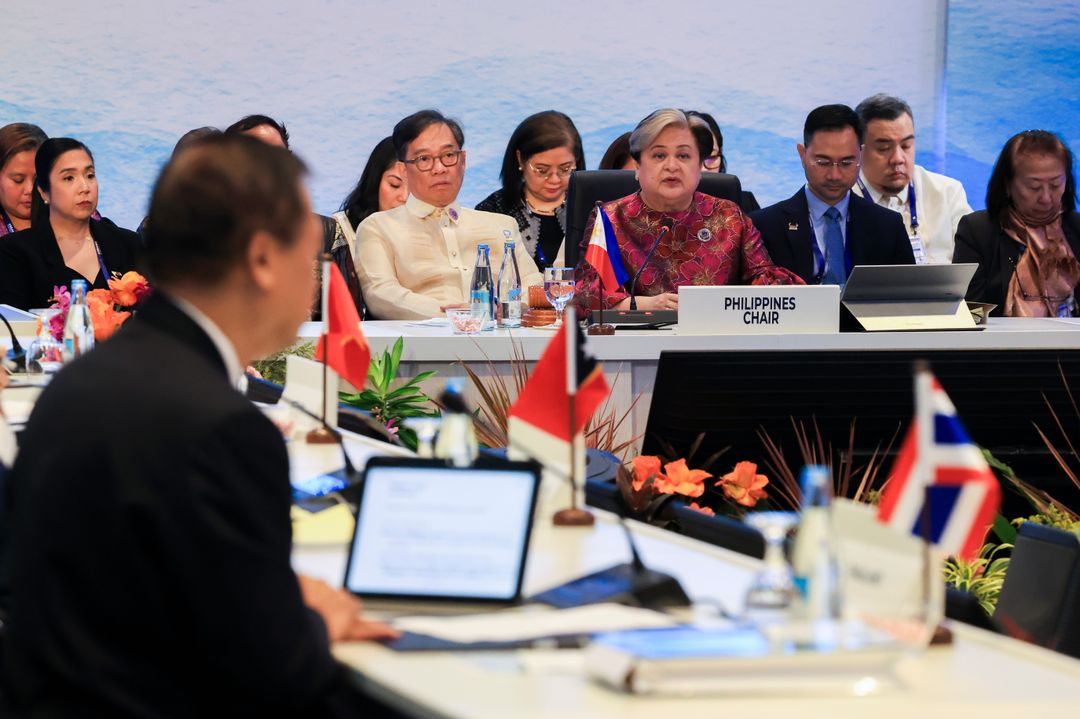
They emphasised the “importance of dialogue, diplomacy, and the peaceful resolution of conflicts in accordance with international law,” said the statement released by Beijing.
It came as the US and Iran continued to engage in retaliatory military strikes for the 13th consecutive day, despite signing the Islamabad Memorandum of Understanding last month to uphold a ceasefire reached on April 8 and hold talks for a permanent end to the war.




The foreign ministers called on the parties involved to “stay committed to multilateralism as well as genuine dialogue and diplomacy towards a peaceful and lasting resolution to the conflict, based on the purposes and principles of the Charter of the UN and international law.”
Underscoring the importance of maintaining regional peace and stability, they urged the US and Iran to ensure the “full and effective implementation of the ceasefire by adhering strictly to its terms.”
Calling on the warring parties to exercise “utmost restraint,” they urged an immediate and complete cessation of hostilities on all fronts in the Middle East, “respecting the sovereignty and territorial integrity of all nations, protecting civilians and civilian infrastructure in armed conflicts, ensuring unimpeded access of humanitarian assistance, and refraining from taking any action that may escalate tensions.”
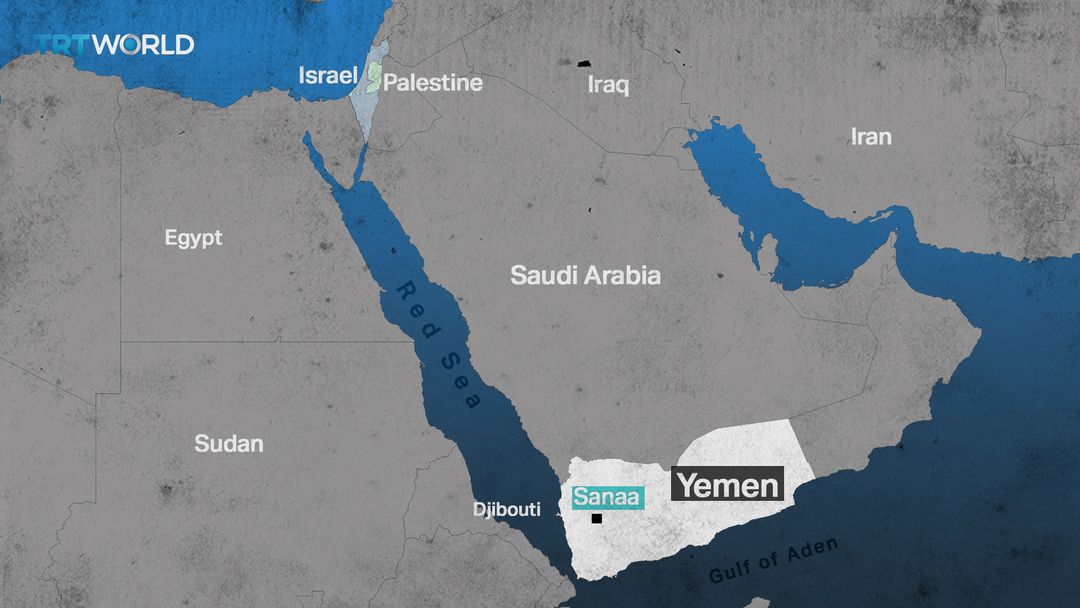
Amid tensions in the Strait of Hormuz, they also called for the "safe, unimpeded, and continuous transit" of vessels in straits used for international navigation in line with the 1982 UN Convention on the Law of the Sea.