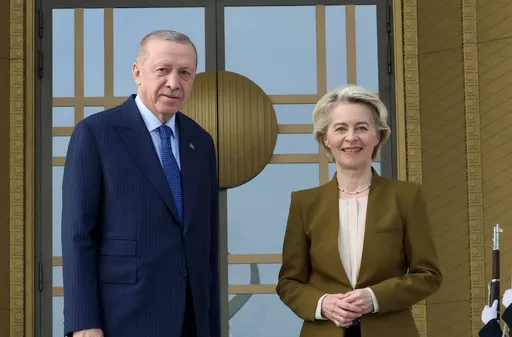
Pakistani Interior Minister Mohsin Naqvi arrived in Tehran on Wednesday for his second visit in less than a week to discuss a “fresh” US proposal with Iranian leaders aimed at ending the lingering Middle East conflict, multiple Pakistani government sources familiar with the matter told Anadolu.
The sources said Pakistan-led mediation efforts between Washington and Tehran had entered a “critical phase.”
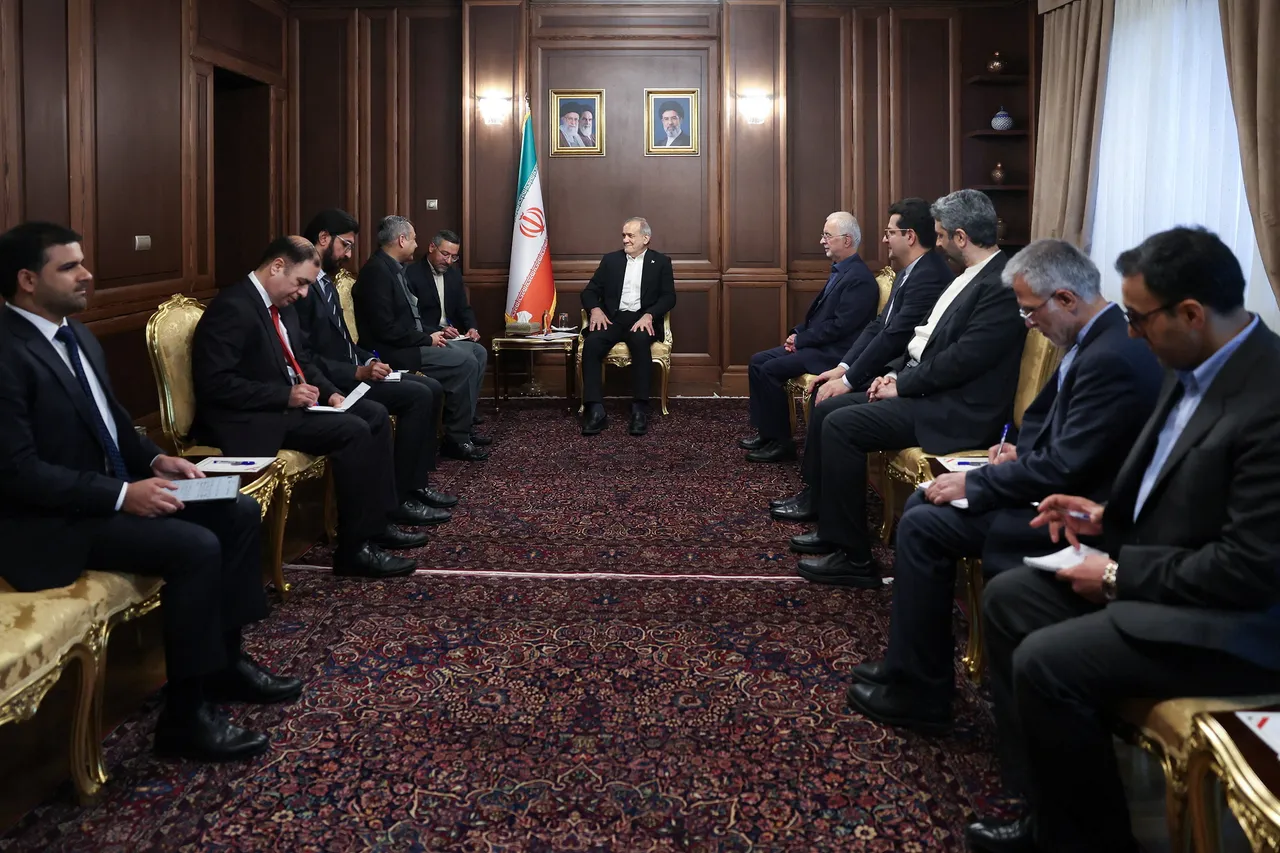
Naqvi, who has been actively involved in mediation efforts, met Gen. Ahmad Vahidi, commander-in-chief of Iran’s Revolutionary Guards, to discuss attempts to revive stalled talks between the two sides, according to Pakistan’s Interior Ministry.
He also met his Iranian counterpart Eskandar Momeni.
Last month, Naqvi accompanied Pakistani army chief Gen. Asim Munir during his visit to Tehran.
According to Pakistani government sources, the minister is also expected to meet Iranian President Masoud Pezeshkian, Foreign Minister Abbas Araghchi and other senior officials to discuss the latest US proposal.
The fragile talks between Washington and Tehran have entered a sensitive stage after the two sides exchanged fresh proposals this week, the sources said.
“Currently, Pakistan's top priority is to further strengthen the ceasefire and persuade the two sides to hold another round of direct talks,” the sources said.
They added that prospects for a second round of direct negotiations in Islamabad had improved following recent developments, including US President Donald Trump’s decision to postpone planned strikes on Iran.
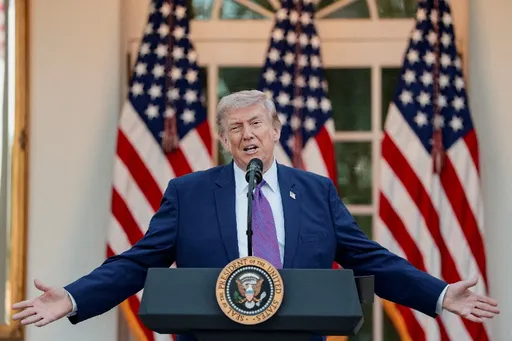
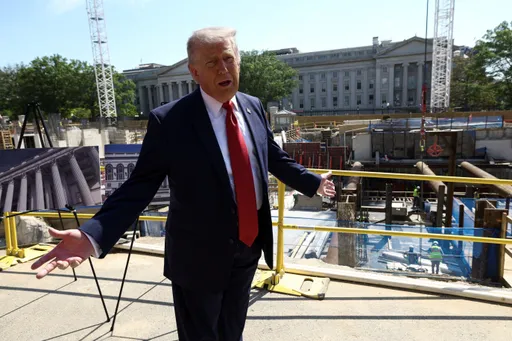
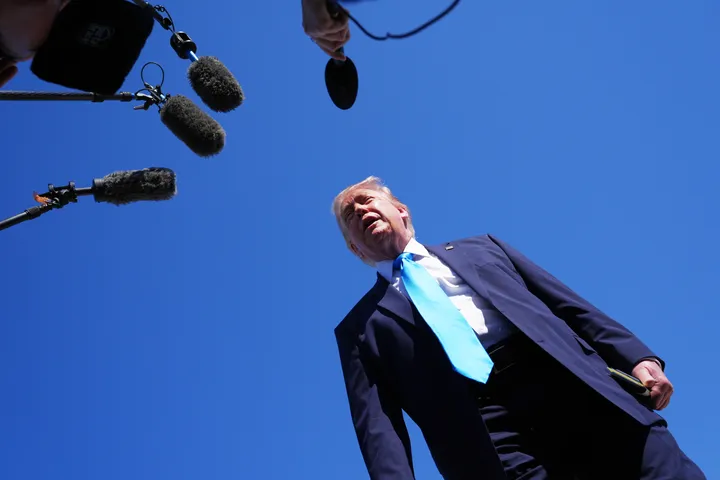
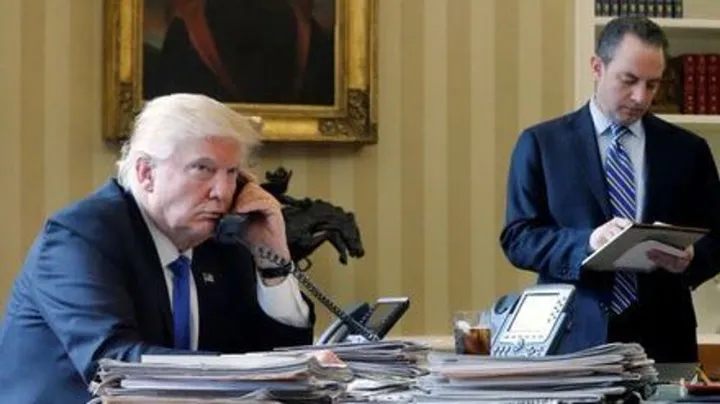
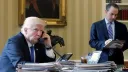
Trump said on Monday that he delayed renewed attacks after several regional countries informed him that a deal to fully end the conflict was close.
He said leaders from Saudi Arabia, Qatar, the United Arab Emirates and other countries asked him to delay strikes “because they think that they are getting very close to making a deal.”


‘Slightly better incentives’
The latest US proposal offers “slightly better incentives” to Iran compared to previous offers, the sources said, without disclosing further details.
According to the sources, the proposal includes issues related to Iran’s frozen assets and international sanctions imposed on Tehran.
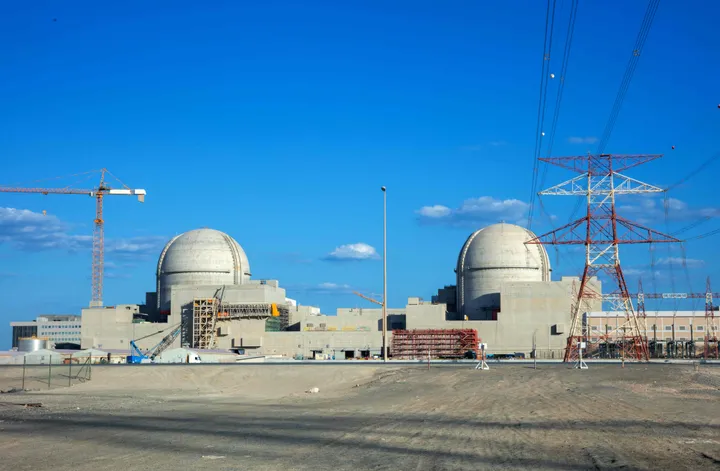
However, they said Washington offered “no new concession” regarding Iran’s nuclear program, which remains the central obstacle to reaching an agreement.
Under a 14-point Iranian proposal previously reported by Anadolu, Tehran seeks separate negotiations on its nuclear program, including enriched uranium issues, within 30 days after a permanent ceasefire is reached.
Washington, however, wants the nuclear issue to be “discussed and resolved” before any permanent ceasefire agreement.
The proposal for “third-party monitoring” also remains under discussion, mainly on the Iranian side, the sources added.
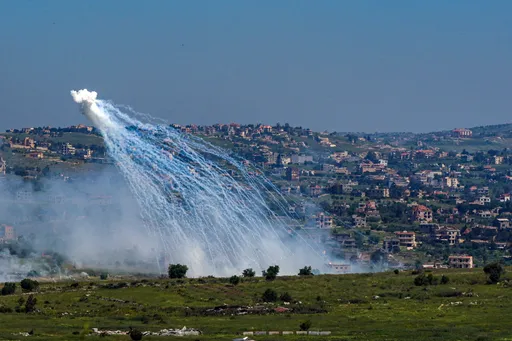
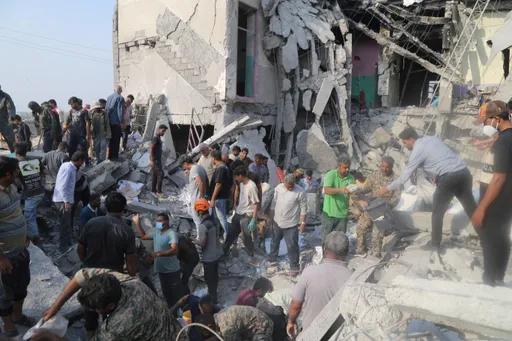
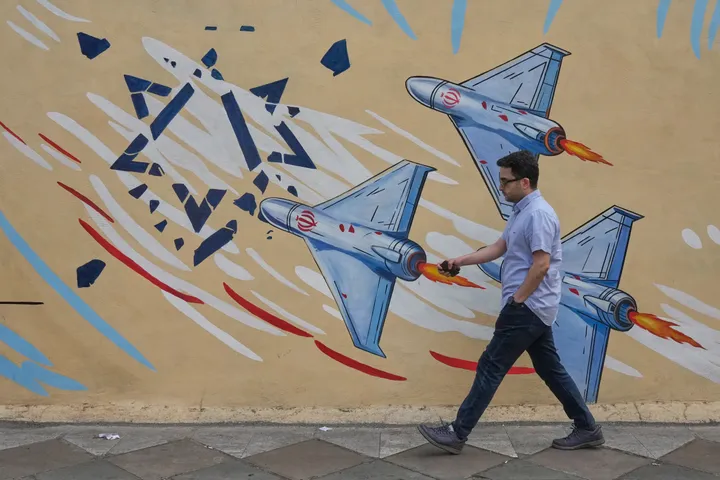
Regional tensions have escalated since the US and Israel launched strikes against Iran in February.
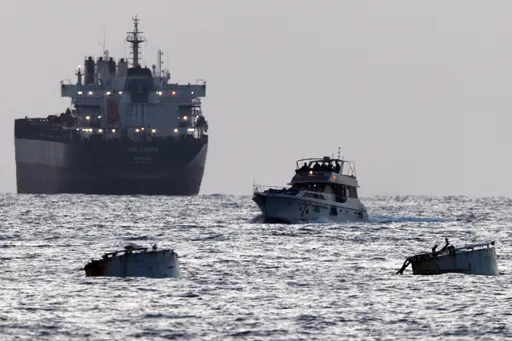
Tehran retaliated with attacks targeting Israel as well as US allies in the Gulf, alongside the closure of the Strait of Hormuz.
A ceasefire took effect on April 8 through Pakistani mediation, but subsequent talks in Islamabad failed to produce a lasting agreement. Trump later extended the truce indefinitely.
Since then, the two sides have continued exchanging proposals and counter-proposals in an effort to resume direct talks and end the conflict.