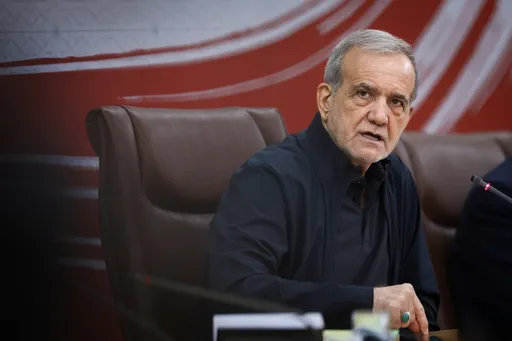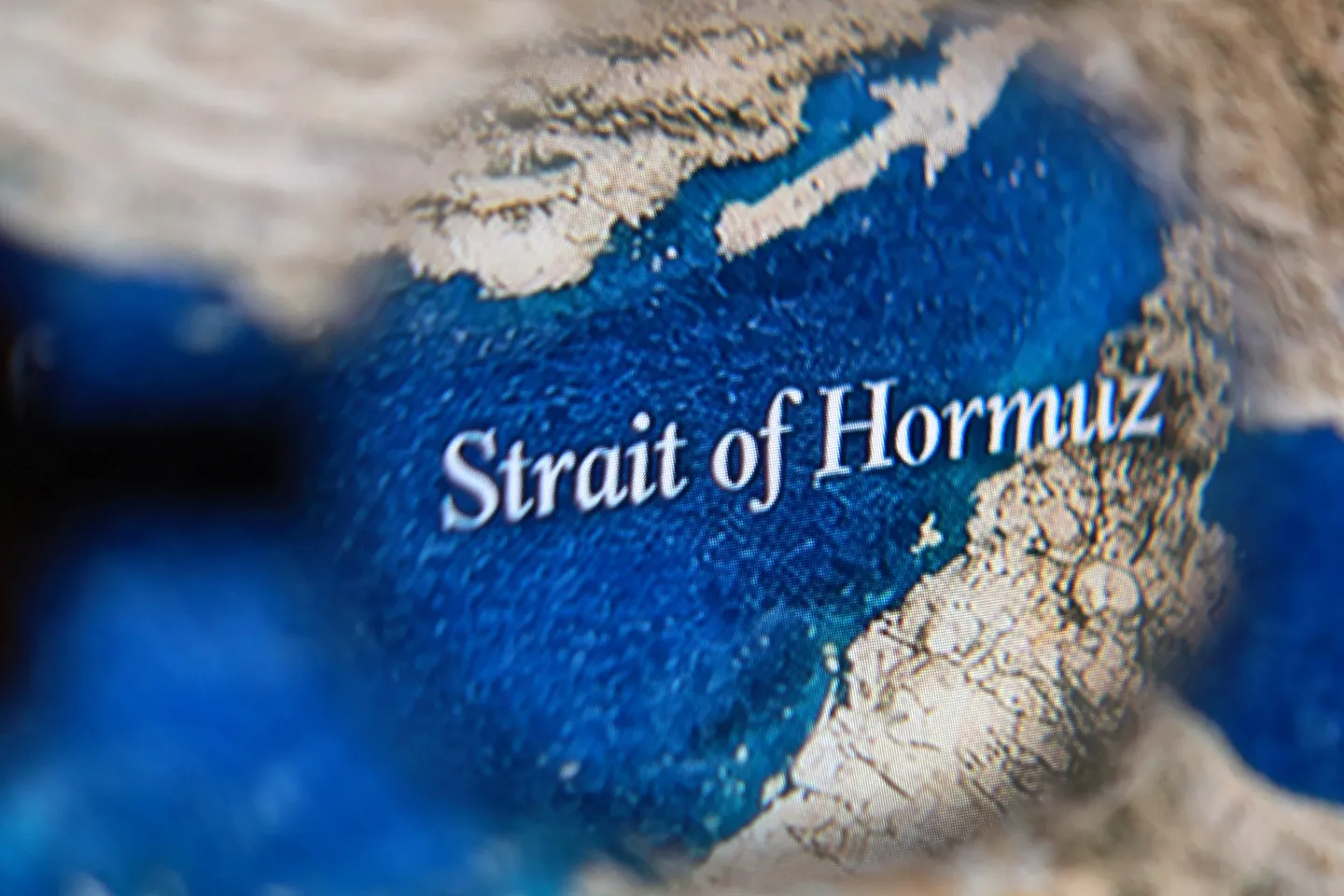
Iran is preparing a list of conditions for reopening the Strait of Hormuz after mediators — Pakistan and Qatar — asked Tehran to set them out, said Mohsen Rezaei, secretary of Iran's Supreme National Security Council, adding that ending the regional war was among them.
Rezaei said Iran had agreed with Oman on a shipping corridor through the strait, with parts of the route in Omani waters and parts in Iranian waters.
Ships would use a designated central channel if the US met Iran's conditions, he said through an interpreter in an Al Manar TV interview.
On Wednesday, a senior source said Iran and Oman were still working on details of an agreement on the waterway after Iran's Revolutionary Guards said the two countries had agreed on how to share control of the strait and its revenues.
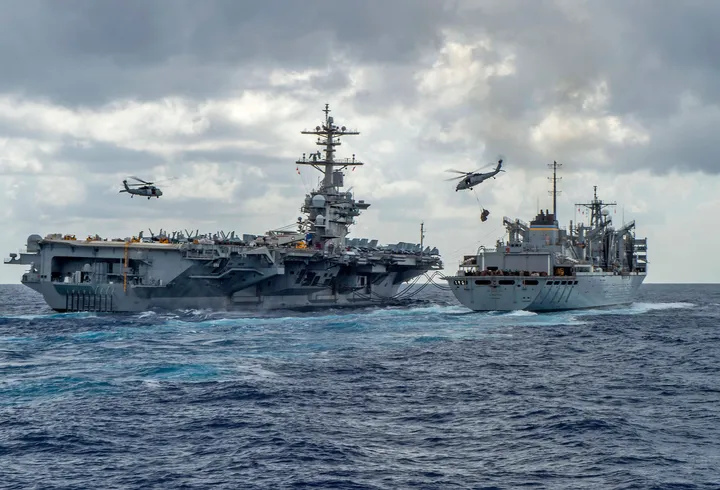
A Guards spokesperson said Iran would not allow the strait to reopen unless Washington lifted what Tehran describes as a blockade of Iranian ports while also paying compensation and removing sanctions.
Before the war began in February, the strait carried roughly one-fifth of global oil and liquefied natural gas shipments.
Shipping through the waterway has largely stopped since then.
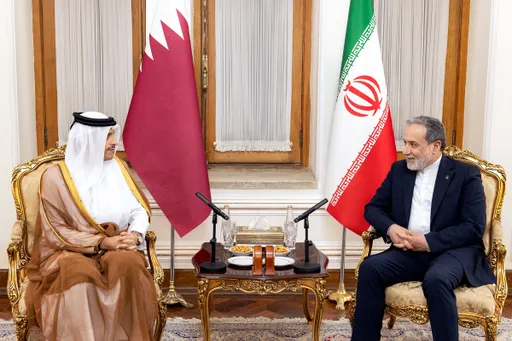
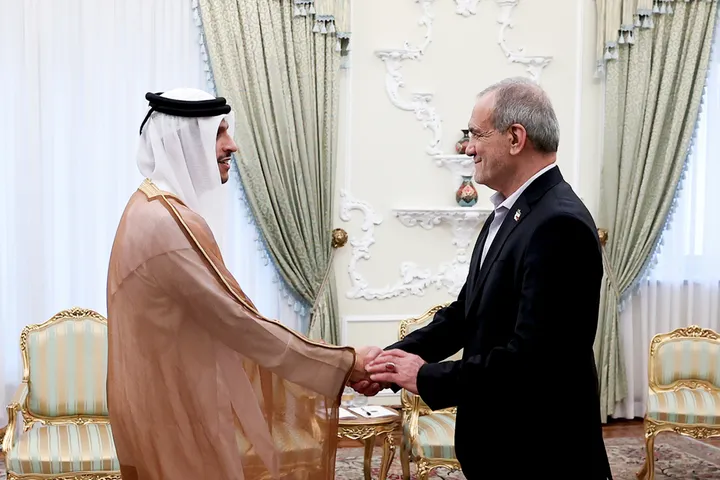
Islamabad has played a key mediating role by hosting indirect talks, brokering ceasefires, and conveying diplomatic messages between Washington and Tehran.
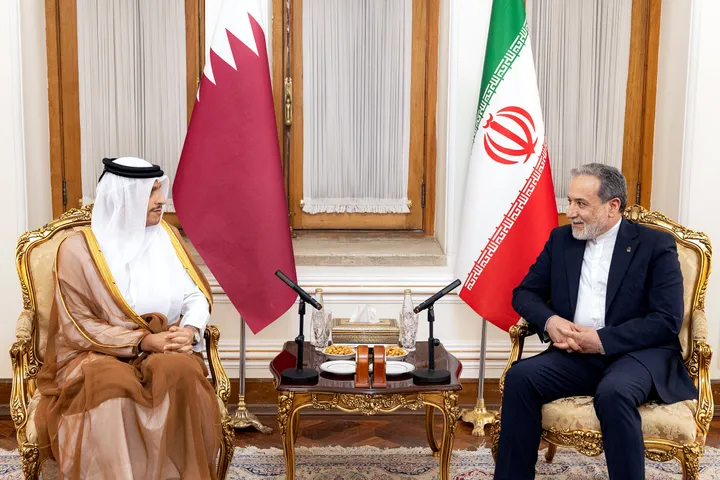
Qatari leaders have engaged in intensive shuttle diplomacy, visiting Tehran to push for dialogue and working on frameworks regarding maritime access and the Strait of Hormuz.

Economic threat
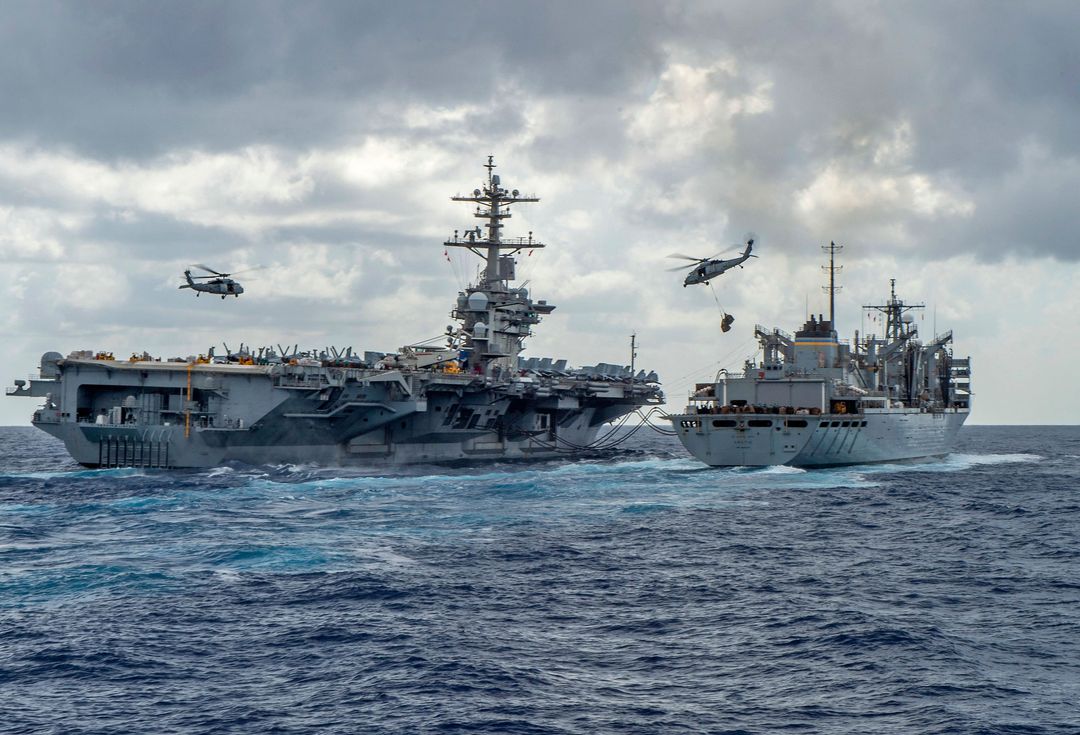
Rezaei said that Tehran will target US economic interests if the blockade isn't lifted.
"If the blockade continues, we will target US economic interests fully and with intensity and force," Rezaei said, according to state broadcaster IRIB.
Rezaei said Iran had "broken the maritime blockade" during the ceasefire and exported between 70 million and 80 million barrels of oil.
He added that Iranian oil sales had returned to their pre-sanctions level.
"In addition to clearing floating stocks, we have established new export routes that are gradually expanding," Rezaei said.
In mid-June, Iran and the US — with Pakistani and Qatari mediation — signed a 14-point memorandum of understanding in Islamabad.
The memorandum included provisions for ending hostilities, reopening the strait, lifting a US naval blockade and beginning a 60-day negotiation process.
Tehran has accused the US of failing to implement key provisions of the memorandum, insisting that the strait will not fully reopen until Washington fulfils its commitments.