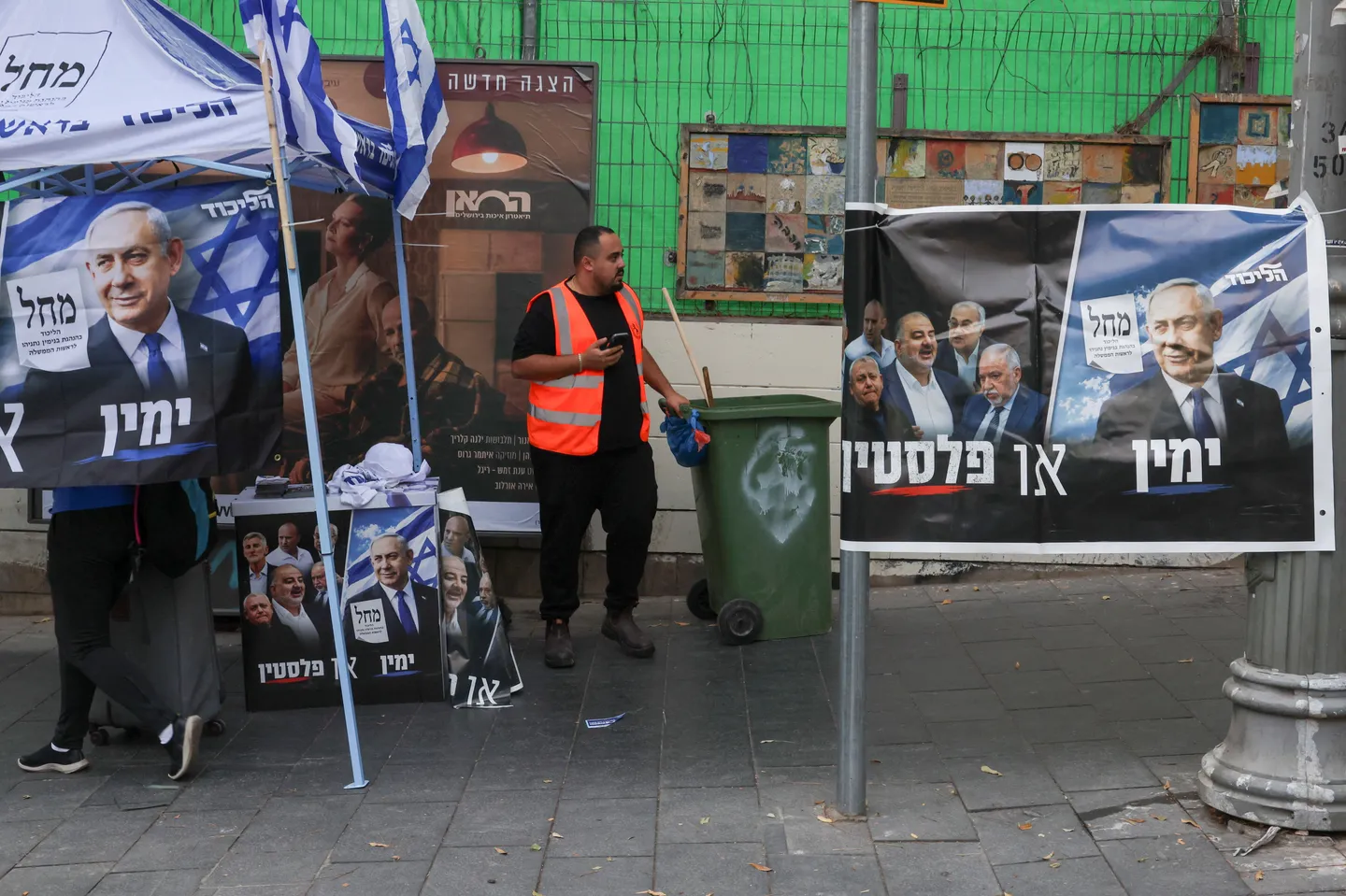
Israeli police have found no evidence to support allegations of election fraud lodged by Prime Minister Benjamin Netanyahu's Likud party, while the Central Elections Committee sees no current grounds to question the integrity of the parliamentary ballot, the Israel Hayom daily reported.
Citing multiple sources, the newspaper stated that the committee’s findings directly contradict Likud's claims of widespread voting irregularities across polling stations in Palestinian-Israeli communities.
Law enforcement authorities confirmed they have uncovered no evidence to substantiate the allegations.
Earlier on Wednesday, Likud claimed that Arab parties had "stolen" the election through coordinated bribery, intimidation, violence, forgery, and the unlawful deployment of prohibited software to mobilise voters.
The party further accused Arab political movements of supporting terrorism and pursuing the destruction of the Jewish state, submitting what it described as "hundreds of testimonies and pieces of evidence" to police, the Shin Bet security agency, and election regulators.

Arab parties surge
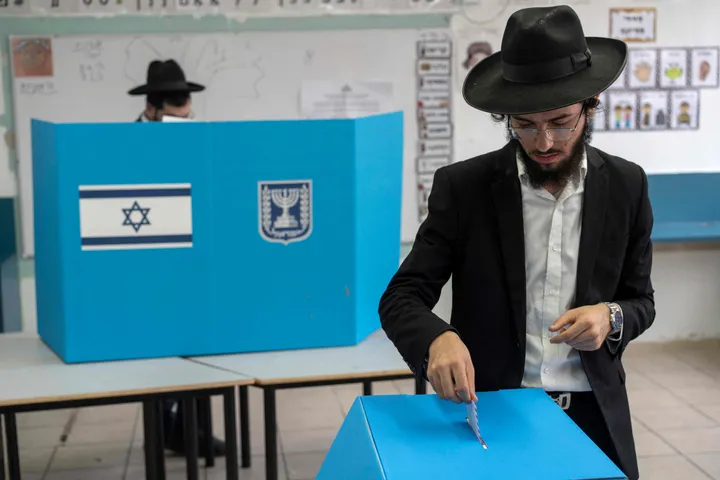




The Central Elections Committee confirmed receipt of Likud’s formal complaint, noting it is reviewing the material as part of standard procedures for election-integrity grievances submitted across the political spectrum.
On Tuesday, the committee emphasised that no evidence pointed to systematic ballot manipulation, adding that individual reports receive prompt scrutiny.
Likud's allegations arrived as predominantly Arab factions—the Joint List and Ra’am—were projected to secure a historic combined total of 19 seats, denying both Netanyahu and his primary opponents an outright parliamentary route.
With almost 90 percent of ballots counted, projections place Netanyahu's right-wing bloc at 53 seats in the 120-seat Knesset, against 48 seats for the opposition camp commanded by Yashar leader Gadi Eisenkot.
Neither coalition has attained the 61-seat threshold required to govern.
Election officials stressed that the tally remains provisional, with hundreds of thousands of "double-envelope" ballots—comprising votes cast by deployed military personnel, diplomats abroad, and essential personnel—still awaiting counting.