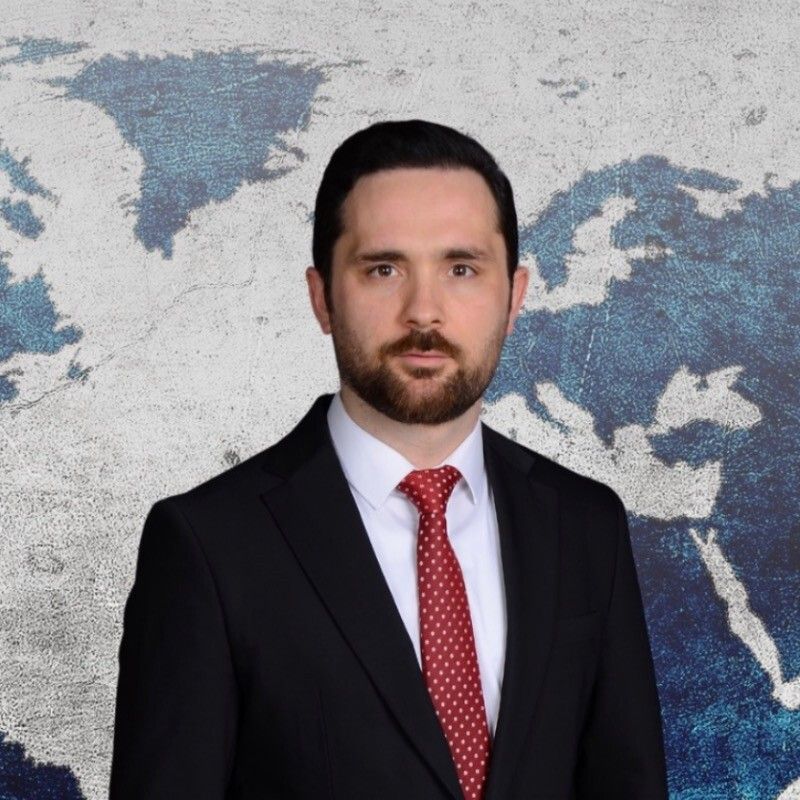
 Ayhan Sari
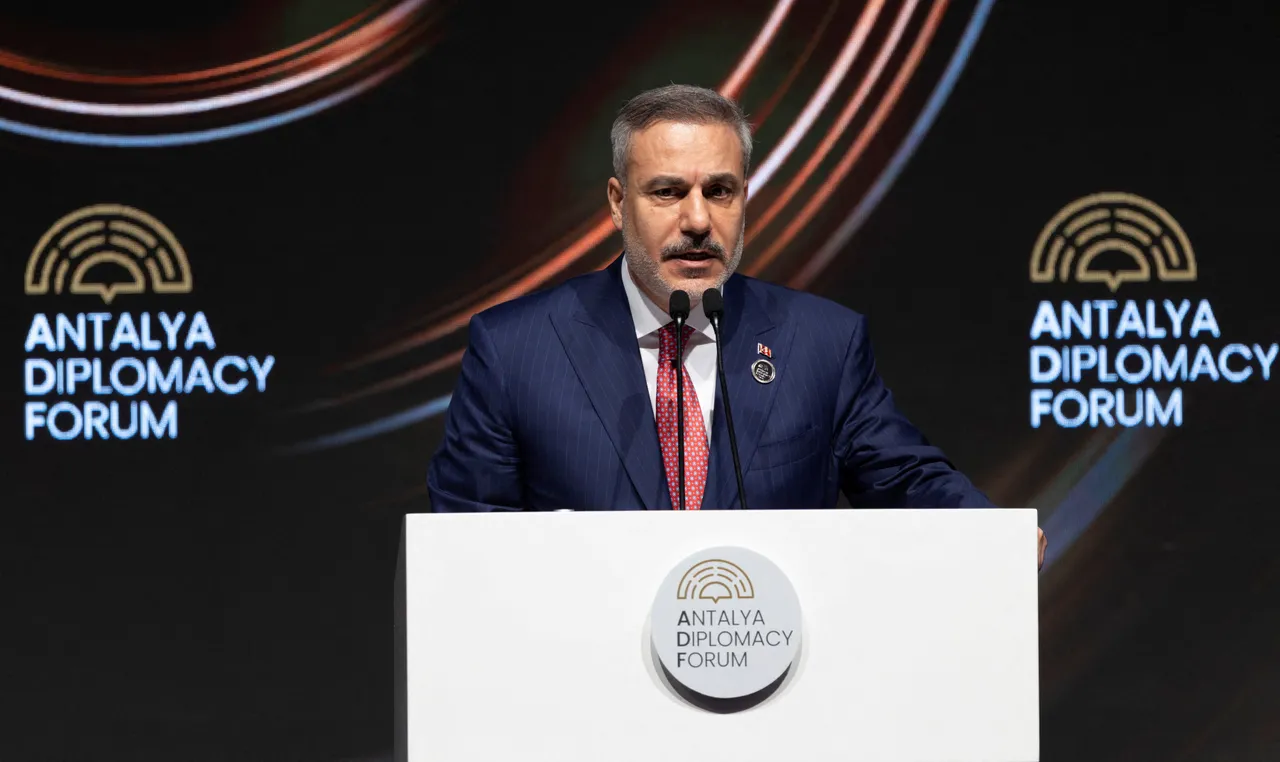
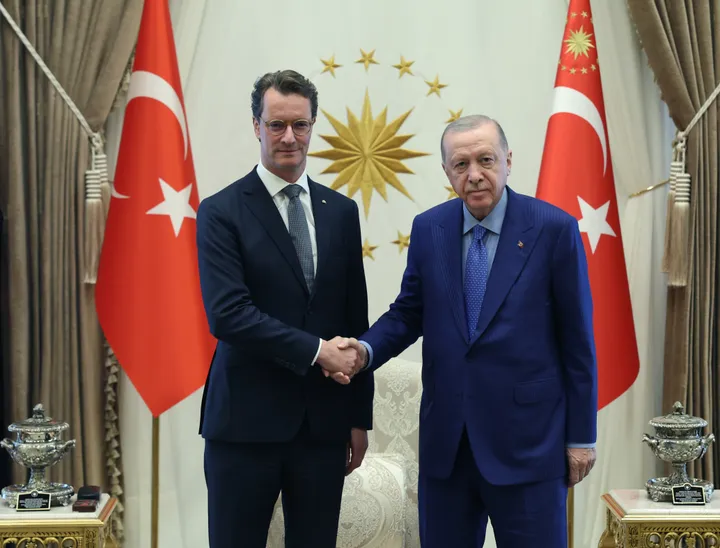
For the fifth time, Türkiye hosted the Antalya Diplomacy Forum, once again creating a central platform for global crisis diplomacy – from Gaza and Iran to Ukraine.
While international actors were broadly represented, Western Europe remained conspicuously reserved.
This is all the more remarkable given that Europe is particularly affected by current crises – from the war in Ukraine and the escalation in the Middle East to energy insecurity.
Instead of utilising this diplomatic stage, it remains detached, driven by ideological reservations and an underestimated shift in global power relations.
As a result, Türkiye’s role as an independent diplomatic actor is increasingly coming to the fore.
Türkiye’s growing diplomatic role
In recent years, Türkiye has emerged as a key player through active diplomacy and growing defence capabilities.
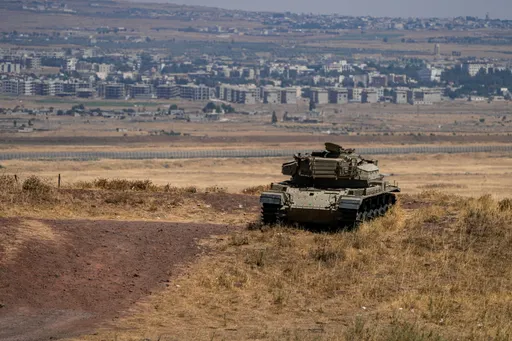
Looking at the major global crises that dominate the international agenda, it becomes clear that many of these conflicts are occurring in Türkiye’s immediate geographic vicinity.
The Arab Spring culminated in the Syrian civil war along Türkiye’s southern border, while the Iraq War had already destabilised the region.
In the north, the Russia-Ukraine War continues, while in the east, the decades-long Armenian occupation of Nagorno-Karabakh ended with the resolution of the conflict between Azerbaijan and Armenia.
The civil war in Libya also shook the Mediterranean region and had direct security implications for Türkiye.
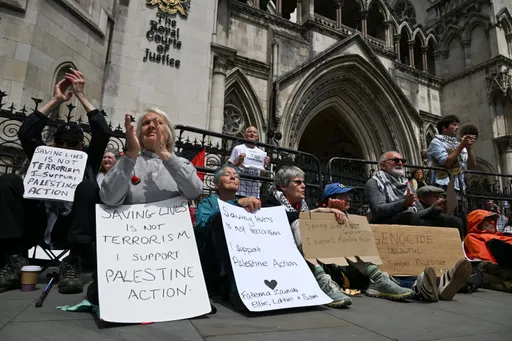
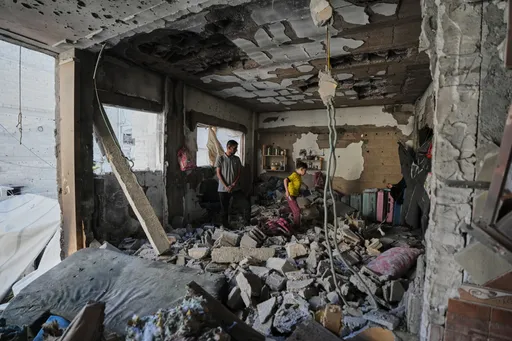
Since October 7, 2023, the situation in the Middle East has further deteriorated. One of the worst crimes in recent history is being committed against Palestinians in Gaza.
At the same time, Israel expanded its military activities regionally.
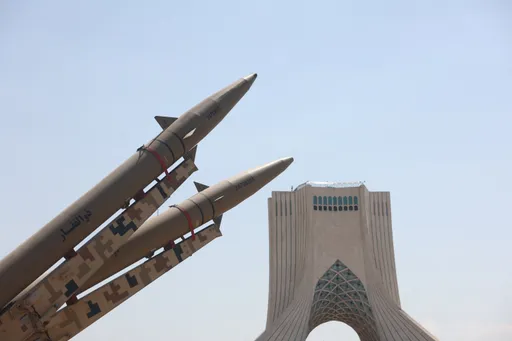
With the joint US and Israeli attacks on Iran on February 28, the escalation reached a new level with global consequences – evident, for example, in the closure of the Strait of Hormuz and the worsening energy crisis.
All these crises are occurring in Türkiye’s immediate strategic environment and directly affect the country's security, economy, and humanitarian concerns.
Ankara has played an active and shaping role in this environment. In some cases, Türkiye has intervened militarily. For example, in Syria, Libya, and in the context of Nagorno-Karabakh.
In other situations, the country has acted as a mediator, particularly between Russia and Ukraine—whether in resolving the grain crisis, facilitating prisoner exchanges, or facilitating direct negotiations between the conflicting parties.
Türkiye’s strengthened military and diplomatic capabilities have helped to contain some crises and, in others, prevent further escalation.
These developments have transformed Türkiye from a country long preoccupied primarily with domestic challenges into a key regional actor and an emerging global power broker.
Today, Türkiye is no longer merely part of the crisis environment, but an actor actively shaping it.
Against this backdrop, the Antalya Diplomacy Forum can be understood as an expression of its consolidated diplomatic experience, its political capacity for action, and its established relationships with various international actors.
In the aforementioned crisis areas, Türkiye has adopted a position that differs significantly from that of many Western European states.
While many Western European states closely align their policies with those of Israel, Ankara has sought to orient itself towards fundamental principles of international law and established diplomatic traditions
It is precisely this combination of principled foreign policy, strategic flexibility, and diplomatic experience that has given Türkiye a comparatively strong and credible position.
Ankara has not only used this position to assert its strategic autonomy but has also employed it to resolve crises.
Türkiye rests on three key pillars: first, a consistent and comprehensible political stance; second, its historically developed diplomatic competence; and third, its increasing military strength and deterrent capability.
The success of the Antalya Diplomacy Forum, held for the fifth time this year, represents the most visible manifestation of this development to date.
The high level of international participation, the breadth of topics covered, and the forum’s growing relevance demonstrate that Türkiye is increasingly establishing itself as an independent diplomatic hub.
It is a place where diverse perspectives converge, and global conflicts are renegotiated beyond traditional Western formats.
Europe in global diplomacy: shaper or spectator?
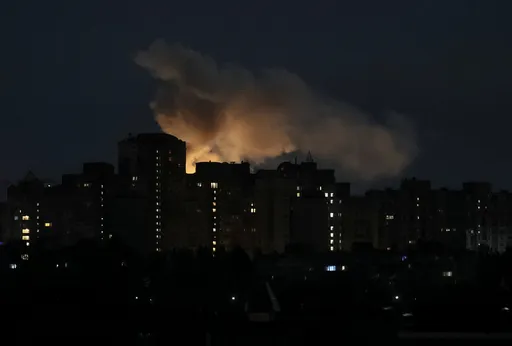
Most of the aforementioned crises directly affect Europe. The Russia-Ukraine war, Israel’s role in the erosion of international order and legal norms, the attacks on Iran, and the resulting renewed energy crisis directly undermine the interests and stability of European states.
Nevertheless, Europe’s overall record is sobering. Neither in resolving these crises nor in effectively limiting their consequences has Europe been able to develop an independent role.
The fact that Europe’s political weight at the negotiating table is dwindling and that its ability to act is severely limited without US support is now an openly acknowledged reality of European politics.
Against this backdrop, the question of strategic alternatives arises. A look at Europe’s geostrategic situation reveals the structural constraints within which the continent increasingly finds itself.
Caught between Russia as a security policy challenge and China as an economic power, Europe continues to lose autonomy. Under these conditions, the search for new partners becomes increasingly urgent.
Türkiye emerges as an obvious choice. Its geographical proximity, its political capacity for action, and its presence in key conflict regions offer Europe a concrete opportunity to regain lost room for manoeuvre.
It is all the more remarkable, therefore, that despite these interests, Europe continues to avoid deeper cooperation with Türkiye.
Instead of developing new strategic partnerships, Türkiye is increasingly being aligned with Europe’s geopolitical rivals such as Russia and China.
Recent statements by EU Commission President Ursula von der Leyen illustrate this stance: Europe is positioning Türkiye not alongside it, but in opposition.
Even though this statement was later qualified, it nevertheless reveals Europe’s fundamental attitude towards Türkiye.
This stance appears increasingly irrational in light of geopolitical realities. In a period of growing uncertainty and diminishing influence, an ideologically driven distance from Türkiye seems hardly comprehensible.
Europe must reassess its strategic priorities and expand its room for manoeuvre. Cooperation with Türkiye on an equal footing is not an option, but a necessity.
The time for this reorientation is limited. As the global order continues to shift, Europe’s room for manoeuvre shrinks further.