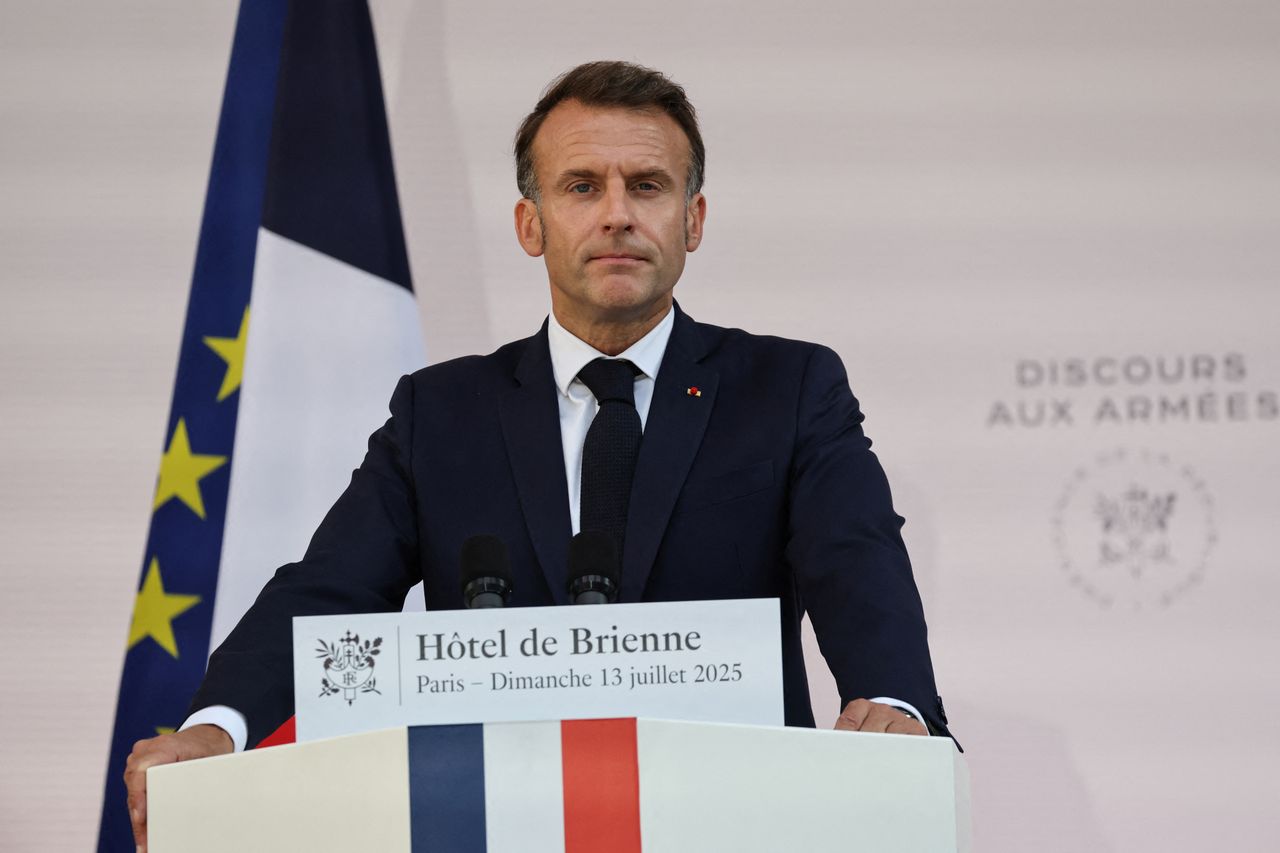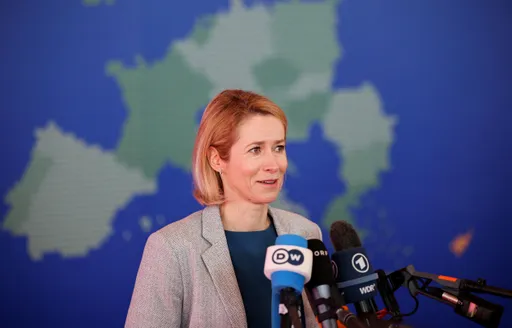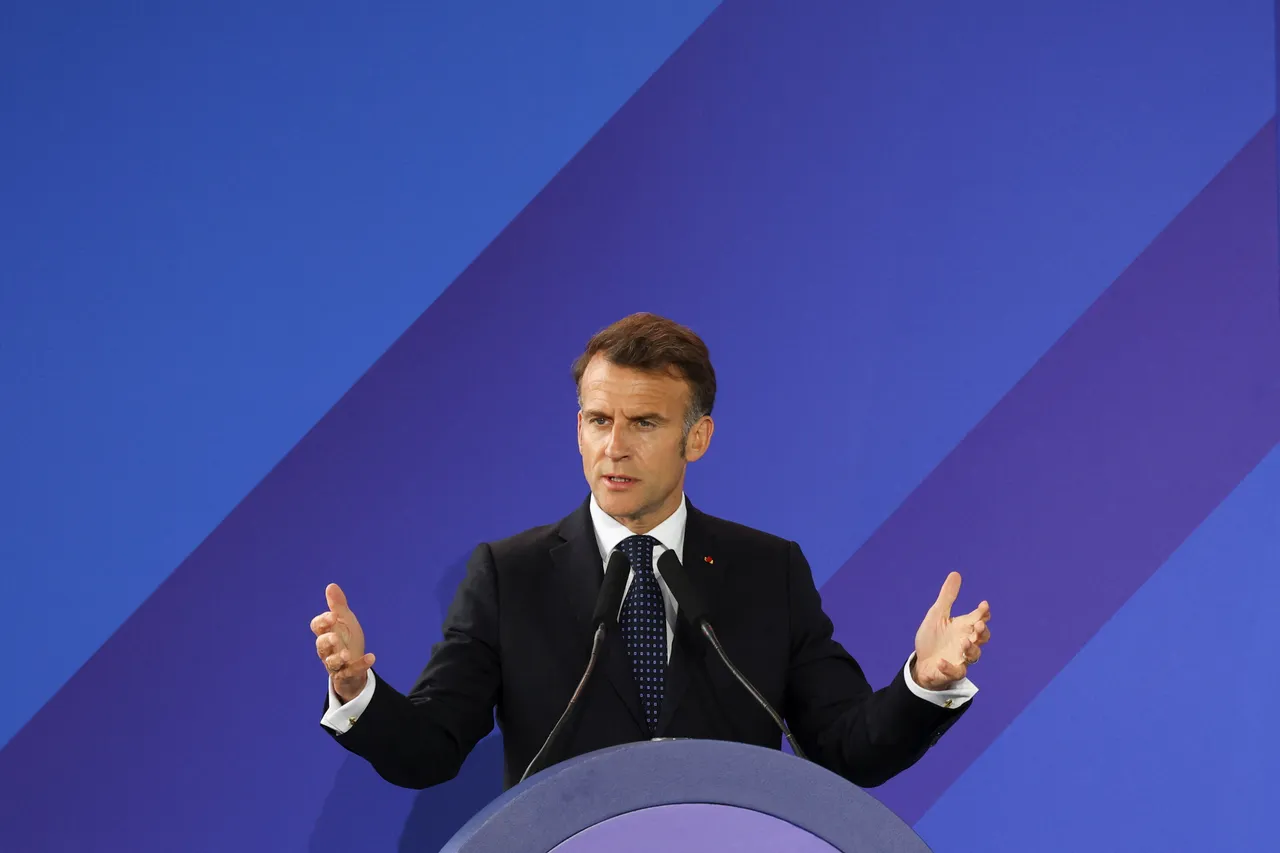
French President Emmanuel Macron on Saturday said he considered the EU's common defence clause "stronger" than the one binding NATO together.
The declaration, made during a visit to Greece, comes as US President Donald Trump is questioning the North Atlantic military alliance, repeatedly calling it a "paper tiger" for not helping out in his war against Iran.
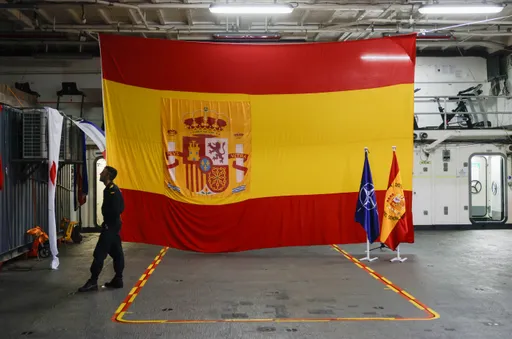
The mutual defence clause enshrined in Article 42.7 of the Treaty of the European Union, which requires other EU countries to come to the defence of any member under attack, is "steadfast", Macron said.
It is unambiguous and, "in substance, stronger than Article 5" in NATO's founding treaty, he said in a news conference alongside Greek Prime Minister Kyriakos Mitsotakis.
"It allows solidarity between member countries but leaves no option."
Agreements on defence, energy, innovation
During Macron’s visit, Greece and France renewed their defence cooperation agreement and expanded bilateral ties across multiple sectors, as European countries seek to strengthen deterrence amid growing security challenges.
French President Emmanuel Macron and Greek Prime Minister Kyriakos Mitsotakis extended the defence pact, first signed in 2021, for another five years with automatic renewals thereafter during a ceremony at the Maximos Mansion in Athens.

The updated agreement includes a mutual defence assistance clause, under which both countries commit to support each other in the event of a threat to their sovereignty.
The two sides also signed nine agreements covering areas, including education, vocational training, scientific research, innovation, energy, environmental protection, and nuclear technology, marking a broad expansion of strategic cooperation.
Macron’s push to bolster EU defence
Macron has been co-leading international conferences on military cooperation alongside British Prime Minister Keir Starmer outside of NATO.
He has also been promoting the idea of France's armed forces taking a greater role in helping its EU defence partners, including through deployments of nuclear warheads on French warplanes.
The United States’s commitment to backing Europe's defence has been shaken under Trump.
The US leader has sought closer ties with Russia and reduced military support for Ukraine, while questioning the validity of NATO's common defence mechanism.